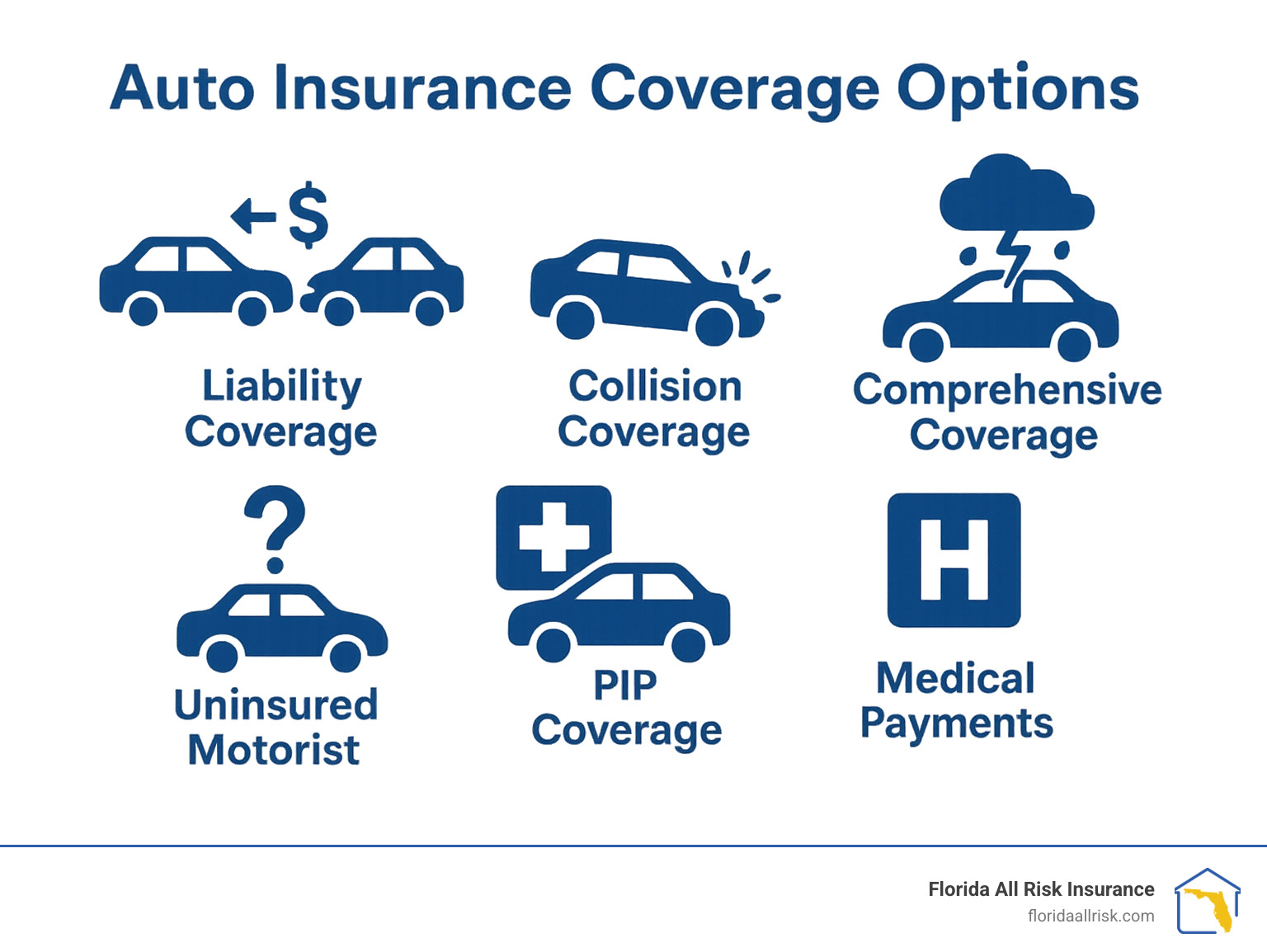
You can obtain AAA homeowners insurance without an accompanying auto insurance policy, provided you maintain an active AAA club membership. While "standalone" homeowners policies are available in most regions, you will forfeit the multi-policy "bundling" discount, which typically reduces premiums by 15% to 25% for combined accounts.
Purchasing homeowners insurance from AAA (American Automobile Association) is a common goal for homeowners seeking reliable claims processing and localized service. However, because AAA is a federation of regional motor clubs rather than a single national insurance carrier, the rules regarding "unbundled" or standalone policies can vary depending on your geographic location. As of 2026, the insurance market remains highly segmented, and understanding the relationship between the motor club, the insurance provider, and your specific policy is essential for making an informed financial decision.
The Relationship Between AAA Membership and Insurance
The first hurdle to securing AAA homeowners insurance without an auto policy is the membership requirement. AAA is, first and foremost, a member-benefit organization. To access their insurance products—whether it is home, life, or renters insurance—you must generally be a member of the auto club.
This creates a unique cost structure. Unlike traditional insurers where you only pay the premium, AAA requires an annual membership fee, which usually ranges from $60 to $150 depending on the tier (Classic, Plus, or Premier) and your regional club. Even if you do not own a vehicle or do not wish to insure it with AAA, this membership fee is a non-negotiable prerequisite for maintaining a homeowners policy.
For many homeowners, the membership is seen as a "hidden" premium. However, the membership provides roadside assistance that follows the individual, not just the vehicle. This means even if you don't have AAA auto insurance, your membership covers you if you are a passenger in someone else's car or if you are using a rental vehicle. When calculating the value of a standalone AAA home policy, you must factor this annual fee into your total cost of ownership.
Regional Variations in Standalone Eligibility
Because AAA is a federation, your experience will depend on which regional club services your ZIP code. The two largest entities are CSAA Insurance Group (serving Northern California, Arizona, Nevada, and parts of the Midwest and Mid-Atlantic) and the Auto Club Group (serving Florida, Georgia, Tennessee, and the upper Midwest).
CSAA Insurance Group Regions
In most CSAA-serviced territories, standalone homeowners policies are readily available. These clubs recognize that some members may have company cars or specialty vehicle insurance through other providers. The underwriting process for a standalone home policy focuses heavily on the home’s age, roof condition, and the owner’s "CLUE" (Comprehensive Loss Underwriting Exchange) report, rather than their driving record.
Auto Club Enterprises and Other Regional Groups
In some high-risk regions—particularly Florida and coastal areas of the Gulf Coast—underwriting requirements in 2026 have become more stringent. In these areas, some agents may prioritize "full-suite" customers who bundle home and auto to balance the insurer's risk portfolio. While it is rarely a hard "no," you may find that some agents are less aggressive in quoting standalone home policies in markets where property insurance capacity is limited.
The Cost of Going Standalone: The Bundling Penalty
The primary disadvantage of seeking AAA homeowners insurance without auto coverage is the loss of the Multi-Policy Discount. In the insurance industry, this is often referred to as "companion" or "multi-line" discounting.
By 2026, data from the Insurance Information Institute suggests that bundling home and auto remains the single most effective way for consumers to lower their insurance costs. AAA is no exception.
Estimating the Premium Difference
If a standard AAA homeowners policy costs $1,500 per year when bundled, that same policy might cost $1,800 to $2,000 as a standalone product. Furthermore, many regional AAA clubs offer a "loyalty" or "tenure" discount that scales faster when you have multiple lines of business. Without the auto policy, your rate of "discount accumulation" may be slower.
| Feature | Standalone AAA Home Policy | Bundled AAA Home & Auto |
|---|---|---|
| Membership Required | Yes (Annual Fee applies) | Yes (One fee for both) |
| Multi-Policy Discount | 0% | 15% – 25% |
| Roadside Assistance | Included (via Membership) | Included (via Membership) |
| Underwriting Focus | Property Risk & Credit | Property, Credit, & Driving History |
| Ease of Management | Separate Portals/Bills | Single Billing Statement |
| Standard Coverage | HO-3 or HO-5 | HO-3 or HO-5 |
Technical Coverage Specifications: HO-3 vs. HO-5
When applying for standalone coverage, it is vital to understand the "form" or type of policy AAA is offering. Most AAA regional clubs provide two primary options for homeowners:
- HO-3 (Special Form): This is the most common policy. It provides "open perils" coverage for the structure of your home (meaning everything is covered unless specifically excluded) but "named perils" coverage for your personal property. If you choose a standalone HO-3, you are getting standard industry-level protection.
- HO-5 (Comprehensive Form): Often reserved for high-value homes or preferred-risk customers, this provides "open perils" coverage for both the structure and personal belongings.
If you are not bundling with an auto policy, some regional underwriters might be more selective about offering the HO-5 form. They may view a standalone customer as a higher "churn risk" (someone more likely to switch carriers frequently) and may steer you toward a standard HO-3 policy. Always verify whether your personal property is covered for Replacement Cost Value (RCV) or Actual Cash Value (ACV). In 2026, with inflation impacting construction costs, RCV is the recommended standard for standalone policies.
Factors Influencing Standalone Premiums in 2026
If you proceed with a standalone policy, several factors will influence your rate more heavily than if you were a bundled customer:
- Credit-Based Insurance Score: In states where it is legal, AAA uses your credit history to help determine your premium. Without the "buffer" of a bundled discount, a lower credit score can significantly inflate standalone home insurance rates.
- Roof Age and Material: AAA has become increasingly strict regarding roof age. In 2026, many regional clubs require a professional inspection or proof of replacement if a roof is over 15–20 years old, especially for standalone applicants.
- Claims History: A single homeowners claim in the last five years may have a higher impact on a standalone premium than it would on a bundled account, where the insurer sees the overall profitability of the multi-line relationship.
- Distance to Fire Station: Because AAA often services suburban and rural areas, your "Protection Class" rating (determined by the distance to the nearest fire hydrant and station) is a critical technical metric in their underwriting software.
Step-by-Step Guide to Applying for Standalone AAA Home Insurance
If you have determined that AAA is the right choice for your home insurance despite not having an auto policy with them, follow these steps:
- Verify Your Regional Club: Visit the AAA National website and enter your ZIP code to be directed to your local club's portal.
- Join the Club First: You cannot usually get an insurance quote that is "bindable" without a membership number. Sign up for the basic membership tier if you only want the insurance access.
- Gather Home Documentation: Have your home’s square footage, year built, roof age, and details on any major renovations (plumbing, electrical, HVAC) ready.
- Request a "Market Valuation" Comparison: Ask the agent for a quote on both an HO-3 and HO-5 form. Compare the standalone price against your current provider.
- Inquire About "Other" Bundles: Even if you don't have an auto policy, you might be able to bundle with a AAA Life Insurance policy or a AAA Umbrella policy to regain a portion of the multi-policy discount.
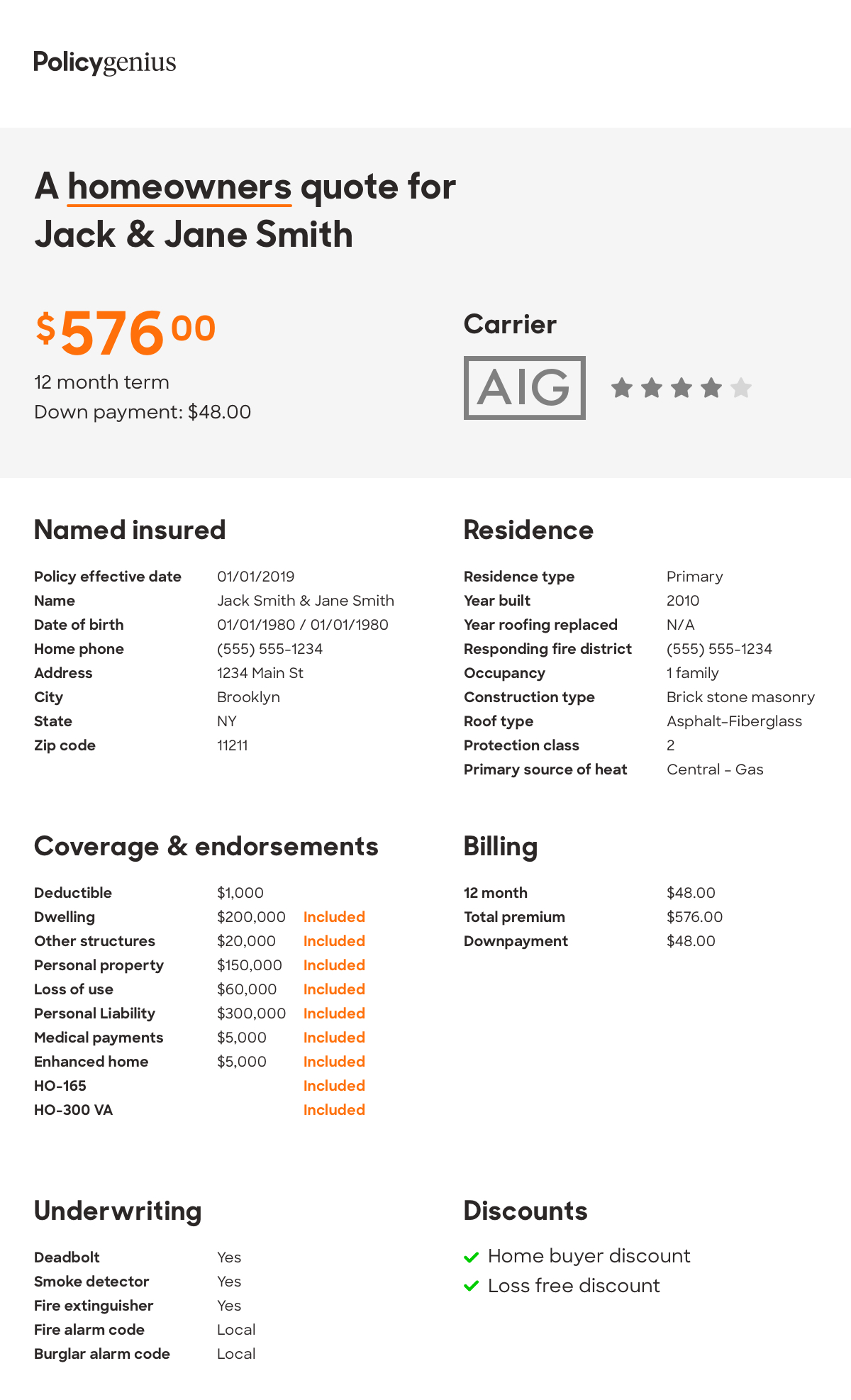
- Review the Declarations Page: Ensure that the "Loss of Use" and "Liability" limits meet your needs. In 2026, it is generally recommended to have at least $300,000 in personal liability coverage.
Common Mistakes to Avoid
A frequent error is assuming that a "AAA Membership" is the same thing as "AAA Insurance." You can be a member for 20 years and still be denied for homeowners insurance if your property doesn't meet underwriting guidelines. Membership guarantees access to apply, not a guarantee of coverage.
Another mistake is failing to disclose secondary structures on the property, such as sheds, guest houses, or detached garages. Standalone policies sometimes have stricter limits on "Other Structures" (Coverage B) than bundled policies, which might offer more flexible endorsements.
Finally, do not overlook the "Membership Auto-Renewal." If your AAA membership lapses because a credit card expired, your insurance policy could technically be at risk of non-renewal in some regions, as the membership is a condition of eligibility.
Frequently Asked Questions
Do I have to own a car to get AAA homeowners insurance?
No, you do not need to own a car or have a driver’s license to be a AAA member or to purchase AAA homeowners insurance. You simply need to pay the annual membership dues for the motor club. This makes AAA an option for city dwellers who rely on public transit but own a condo or home.
Is AAA homeowners insurance more expensive if I don't bundle?
Generally, yes. You will lose the multi-policy discount, which is typically the largest discount available. Furthermore, you must pay the annual AAA membership fee, which acts as an additional cost. However, for some homes, AAA's base rates are competitive enough that they may still beat other standalone carriers.
Can I add auto insurance later to get a discount?
Yes. If you start with a standalone homeowners policy and later decide to move your auto insurance to AAA, the multi-policy discount can usually be applied mid-term or at your next renewal. This is a common strategy for homeowners waiting for an existing auto policy with another carrier to expire.
Does AAA offer standalone renters insurance?
Yes, AAA offers standalone renters insurance under similar rules to homeowners insurance. You must be a member, but you do not need an auto policy. Renters insurance is significantly cheaper, and the "bundle" savings are smaller in absolute dollar terms, making it a popular standalone choice.
What happens to my insurance if I cancel my AAA membership?
In most jurisdictions, if you cancel the underlying motor club membership, the insurance company may choose not to renew your homeowners policy at the end of the term. Membership is a prerequisite for eligibility. Some regions may allow you to keep the policy until the expiration date, but you will almost certainly be ineligible for renewal.
Practical Recommendation
If you are looking for standalone homeowners insurance, AAA is a robust choice for those who value local agent support and the added benefit of roadside assistance. However, because of the mandatory membership fee and the loss of the bundling discount, you should compare the "Total Cost of Ownership" (Premium + Membership Fee) against other standalone providers. For most homeowners in 2026, AAA is most cost-effective when you eventually move at least one vehicle to their platform, but it remains a viable, high-quality option for property-only coverage if your home meets their underwriting criteria.