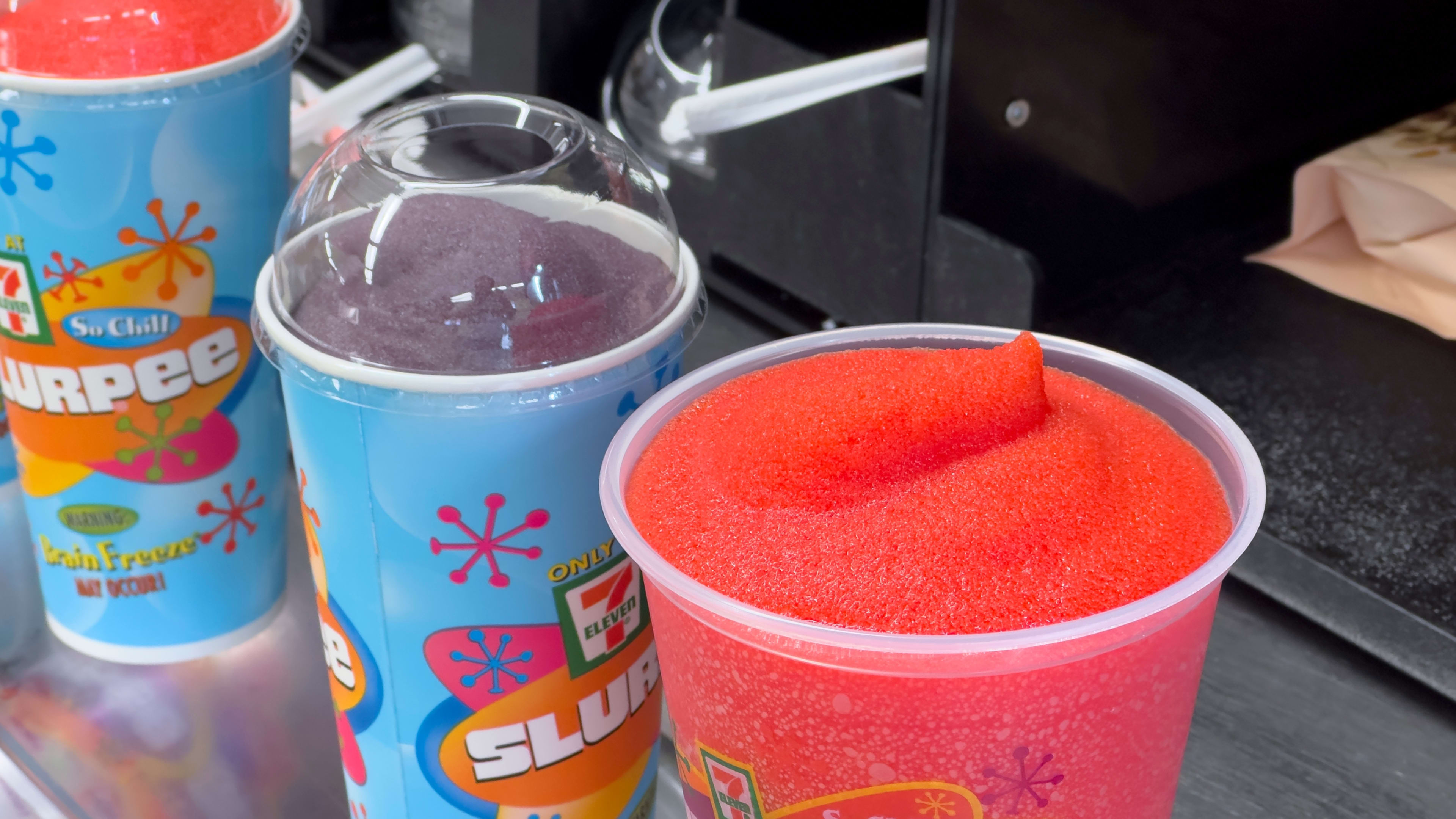
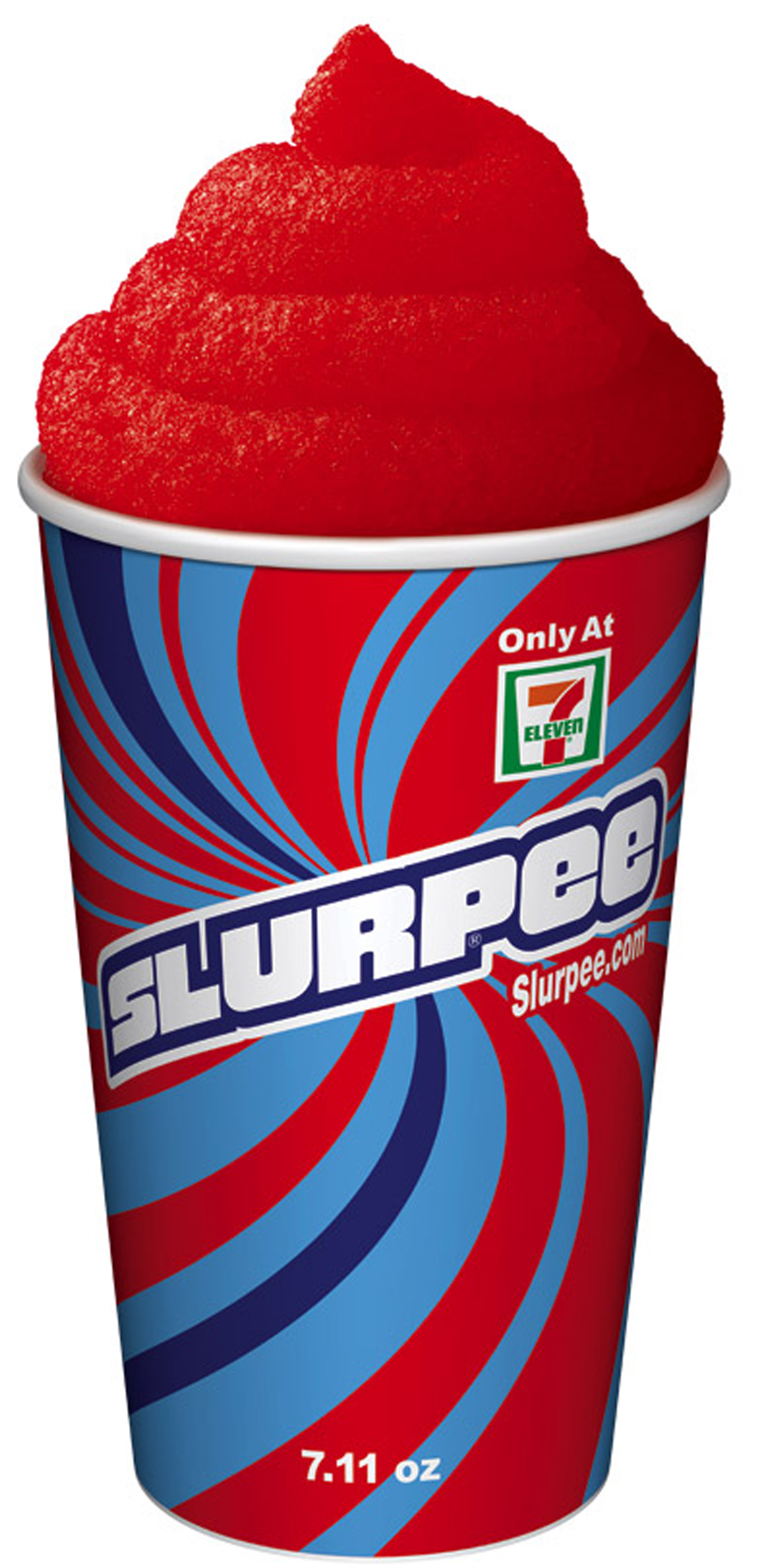
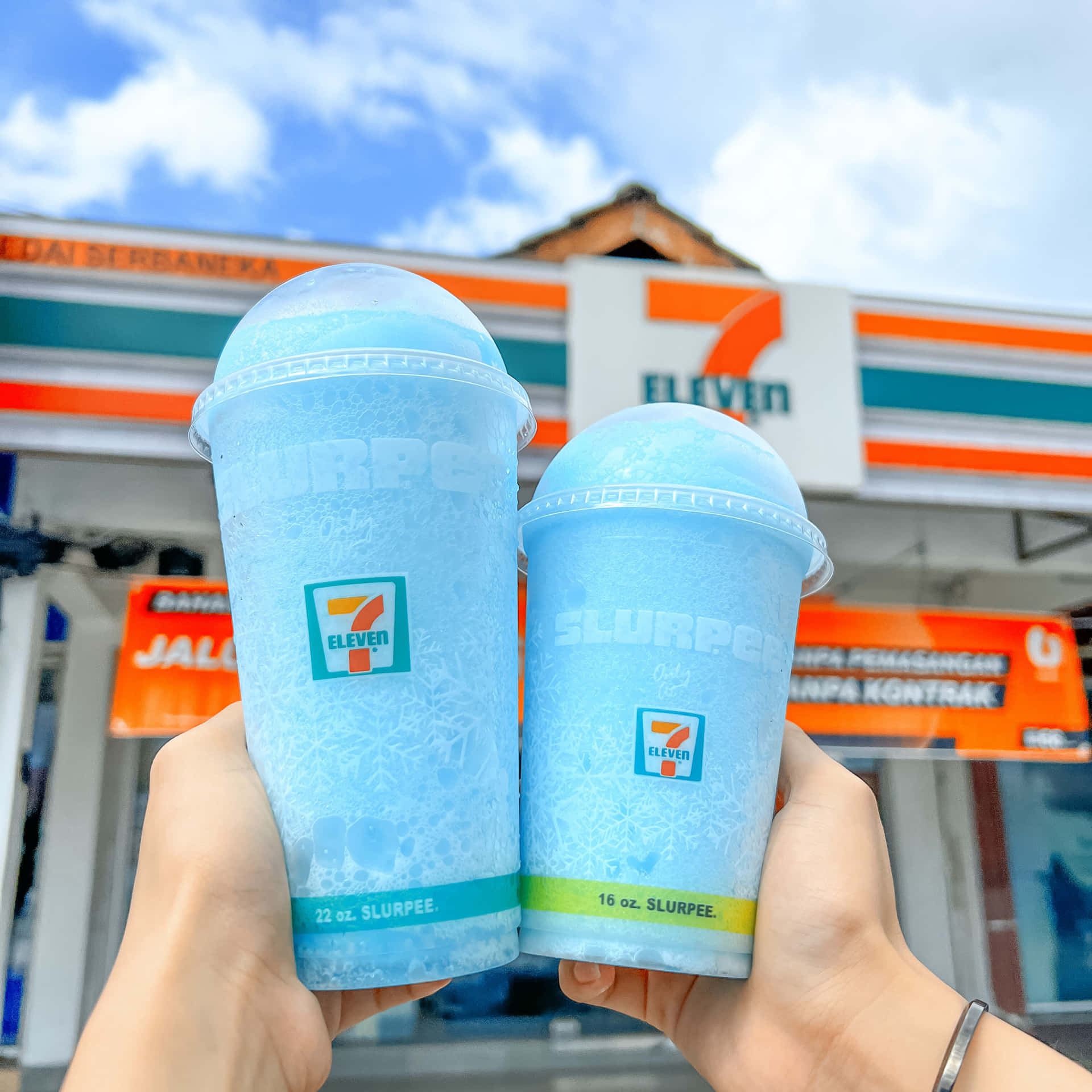
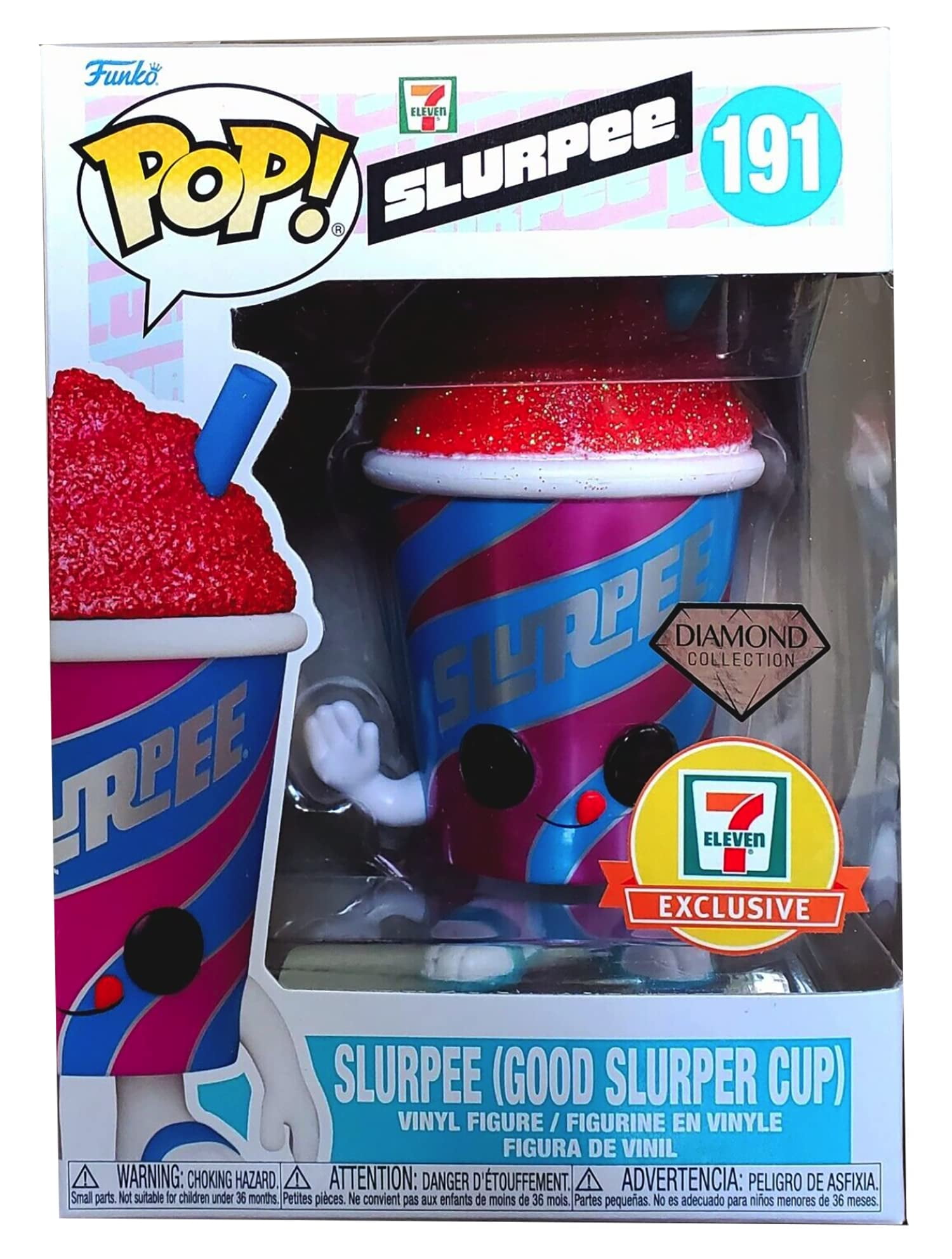
7-Eleven Slurpee cups have evolved from simple paper vessels into iconic pop culture items, featuring diverse sizes, insulated materials, and seasonal collectible designs that span generations. Understanding the available sizes, promotional releases, and material specifications helps consumers navigate their options for enjoying this semi-frozen carbonated beverage.
The Evolution and History of 7-Eleven Slurpee Cups
The Slurpee beverage made its debut in 7-Eleven stores during the late 1960s, quickly transforming how convenience store consumers experienced fountain drinks. Originally served in basic waxed paper containers, the packaging requirements shifted as the drink grew in popularity. By the 1970s and 1980s, the brand recognized that the vessel itself could serve as a powerful marketing tool. This realization led to the introduction of themed promotional cups tied to blockbuster movies, television shows, and popular music acts.
Over the decades, manufacturing standards for these cups evolved significantly. Early versions focused primarily on holding liquid without leaking, often resulting in condensation issues and rapid ice melting. Modern 7-Eleven Slurpee cups utilize advanced polymers and multi-layer paperboard designs that improve thermal insulation. These enhancements keep the beverage frozen longer while preventing the exterior from becoming uncomfortably cold or slick with condensation.
The cultural footprint of these cups expanded through famous promotions like "Bring Your Own Cup Day," an annual event where customers can fill virtually any container with a Slurpee for a flat fee, provided it meets specific size constraints. This event highlights the playful relationship between the brand and its consumer base, cementing the cups as items of nostalgic value. Vintage plastic cups from the 1970s and 1980s frequently appear on secondary collector markets, demonstrating the enduring appeal of these commercial designs.
Standard Sizes and Capacity Specifications
Navigating the sizing options at a 7-Eleven fountain machine requires understanding the volumetric tiers offered across most franchise locations. While exact dimensions can vary based on regional manufacturing contracts, the standard sizing hierarchy remains consistent. Choosing the right size impacts not only portion control and pricing but also the structural integrity of the cup when filled with dense, semi-frozen crystals.
| Size Designation | Approximate Capacity | Primary Use Case |
|---|---|---|
| Small | 12 to 16 fluid ounces | Quick treat, portion control |
| Medium | 20 to 22 fluid ounces | Standard everyday consumption |
| Large | 30 to 32 fluid ounces | Extended travel, high value |
| Extra Large | 40 to 44 fluid ounces | Maximum volume, sharing |
When dispensing a Slurpee, the density of the product plays a critical role in how much liquid fits into a given volume. Because the beverage consists of carbonated water, flavored syrup, and microscopic ice crystals, air pockets often form during the pour. Tilting the cup at a 45-degree angle and swirling the stream helps settle the mixture, maximizing the capacity of large and extra-large vessels without premature overflowing.
Material Composition: Paper versus Plastic
The choice between paper and plastic for 7-Eleven Slurpee cups involves a balance of cost, insulation performance, and environmental impact. Understanding these materials helps consumers select the best vessel for their consumption habits.
- Wax-Coated Paper Cups: Typically used for smaller volumes or standard fountain sodas, paper cups adapted for Slurpees feature a heavy-duty wax or polyethylene coating. This inner barrier prevents the liquid from softening the paperboard. Paper cups are lightweight and economically efficient, but they offer inferior thermal insulation compared to double-walled plastic alternatives.
- Rigid Plastic Tumblers: Often utilized for promotional characters or collectible releases, hard plastic cups provide superior structural rigidity. They are less prone to crushing if squeezed too tightly and can be washed and reused at home.
- Insulated Foam and Double-Walled Polypropylene: Premium collectible vessels frequently use multi-walled construction. By trapping air between an inner and outer plastic shell, these cups drastically reduce thermal transfer from ambient air, keeping the Slurpee frozen for hours longer than standard single-use options.
Environmental considerations have also influenced material selections in recent years. Many corporate 7-Eleven franchises have phased out traditional polystyrene foam in favor of recyclable polypropylene or certified compostable paper fibers. Consumers looking to minimize their ecological footprint often bring reusable insulated tumblers, especially during promotional events that encourage sustainable practices.
Collectible Editions and Pop Culture Partnerships
One of the most defining aspects of 7-Eleven Slurpee culture is the frequent release of limited-edition, branded merchandise. These collectible cups often feature 3D molded lids, lenticular shifting images, or detailed sculpts of characters from major franchise entertainment properties, including Marvel, DC Comics, Star Wars, and major video game publishers.
Collecting these items requires attention to release schedules, as popular designs frequently sell out within days of hitting store shelves. Unlike standard paper cups, collectible plastic editions often command secondary market interest among pop culture enthusiasts. Collectors typically preserve these items unwashed and unused, while casual consumers purchase them for the novelty of drinking out of a sculpted character head or themed vessel.
In addition to character partnerships, seasonal releases mark specific holidays or summer milestones. These designs incorporate vibrant color palettes, glow-in-the-dark plastics, or temperature-sensitive inks that change color when exposed to the freezing liquid inside. Evaluating the authenticity and condition of vintage collectibles involves checking for fading, cracking in the plastic structure, and the presence of original matching dome or character lids.
Practical Guidelines for "Bring Your Own Cup Day"
The popular "Bring Your Own Cup Day" promotion introduces specific rules and structural limitations that participants must follow. To qualify for the promotional flat-rate pricing, the vessel brought by the customer must adhere to strict functional criteria set by corporate guidelines.
- Size Constraints: The container must fit completely through a standardized circular template cutout located at the fountain station, typically measuring 10 inches in diameter.
- Cleanliness and Safety: Containers must be food-safe, completely clean, and watertight to prevent spills and maintain health department standards. Improvised containers made from household items like buckets or unwashed items are strictly prohibited.
- Single Vessel Limit: Each customer is generally restricted to one qualifying container per promotional entry, though rules can vary by specific franchise location.
- Structural Integrity: The vessel must be structurally sound and able to withstand the weight and freezing temperature of the beverage without collapsing or leaking onto store flooring.
Preparing for this event involves selecting a vessel that maximizes volume while easily clearing the sizing ring. Wide-mouthed containers or modified water bottles often provide the best balance of capacity and compliance, allowing enthusiasts to maximize their beverage yield.
Frequently Asked Questions
What are the standard volume sizes for 7-Eleven Slurpee cups?
Standard sizes typically range from the small 12-ounce option up to the extra-large 40 to 44-ounce containers. Regional availability and specific machine configurations can occasionally introduce minor variations in total fluid capacity.
Are vintage 7-Eleven Slurpee cups safe to use for drinking?
Older plastic cups manufactured in the 1970s and 1980s may contain legacy plasticizers or degradation byproducts that do not meet modern food safety standards. Collectors generally keep vintage cups for display rather than active food consumption.
Can I bring any container for Bring Your Own Cup Day?
No. The container must be clean, watertight, food-safe, and fit entirely through a standardized 10-inch circular cutout template at the store counter. Improvised, non-food-safe, or leaking items are rejected by store staff.
Do 7-Eleven Slurpee cups feature recyclable materials?
Many modern plastic and paper cups utilized by the chain are manufactured from recyclable polypropylene or certified paperboard. However, recyclability depends heavily on local municipal waste management infrastructure and whether the cup is contaminated with residual sugary syrup.
How do I prevent my Slurpee cup from leaking condensation?
Standard single-layer paper cups are prone to condensation in warm weather. Utilizing a reusable insulated plastic tumbler or placing a paper sleeve around the cup helps absorb moisture and protects hands from extreme cold.