Omega-6 fatty acids are essential polyunsaturated fats that the human body cannot synthesize independently, meaning they must be obtained through dietary sources. Five primary foods exceptionally high in omega-6 fatty acids include walnuts, safflower oil, sunflower seeds, tofu, and peanut butter, each contributing unique nutritional profiles and culinary uses to a balanced eating pattern.
Understanding Omega-6 Fatty Acids: Biochemistry and Biological Roles
Omega-6 fatty acids are a class of polyunsaturated fatty acids (PUFAs) characterized by the presence of a final carbon-carbon double bond in the $n-6$ position, meaning the sixth bond from the methyl end of the fatty acid chain. The foundational parent molecule of this family is linoleic acid (LA), an essential fatty acid. Once consumed, the human body converts linoleic acid into longer-chain omega-6 polyunsaturated fatty acids, most notably gamma-linolenic acid (GLA) and arachidonic acid (AA).
From a physiological standpoint, these fats play indispensable roles in normal human metabolism. Arachidonic acid serves as a structural component of cell membrane phospholipids and acts as a direct precursor for eicosanoids, including prostaglandins, thromboxanes, and leukotrienes. These signaling molecules are critically involved in regulating physiological functions such as inflammatory responses, blood coagulation, and cellular growth. However, because omega-6 and omega-3 fatty acids share the same metabolic enzymes (such as delta-6-desaturase), maintaining an appropriate balance between the two families is a subject of ongoing nutritional research.
1. Safflower Oil and Plant-Based Cooking Oils
Plant oils represent the most concentrated dietary source of linoleic acid. Among these, unrefined and standard safflower oil (Carthamus tinctorius) stands out as one of the richest commercial sources available.
Nutritional Density and Fat Composition
A standard one-tablespoon serving (approximately 14 grams) of standard safflower oil provides roughly 10 grams of omega-6 fatty acids, predominantly in the form of linoleic acid. It simultaneously contains very low levels of saturated fats, making it a potent lipid source.
Culinary Applications and Stability
Safflower oil is prized in commercial and domestic kitchens for its high smoke point and neutral flavor profile. It is suitable for high-heat cooking methods such as searing, frying, and roasting. However, consumers should distinguish between standard high-linoleic safflower oil and high-oleic safflower oil, as agricultural breeding has produced varieties heavily skewed toward monounsaturated oleic acid instead.
2. Walnuts
Tree nuts, particularly walnuts (Juglans regia), are unique in the botanical world because they provide substantial amounts of both omega-6 and omega-3 fatty acids.
Nutritional Profile
A one-ounce serving (about 28 grams, or roughly 14 walnut halves) delivers approximately 10.8 grams of omega-6 fatty acids, primarily as linoleic acid, alongside about 2.5 grams of alpha-linolenic acid (ALA), the plant-based omega-3. This dual abundance makes walnuts a balanced snack for individuals looking to incorporate polyunsaturated fats into their diets without relying exclusively on extracted seed oils.
Additional Micronutrients and Bioactive Compounds
Beyond their lipid content, walnuts are rich in dietary fiber, high-quality plant protein, vitamin E (specifically gamma-tocopherol), and polyphenols. These compounds work synergistically to support cardiovascular health and metabolic function. Walnuts are frequently studied for their effects on endothelial function and serum lipid parameters.
3. Sunflower Seeds
Sunflower seeds (Helianthus annuus) and their extracted oils are dense repositories of linoleic acid, making them a staple in many plant-forward diets.
Nutrient Breakdown
A one-quarter cup serving of dry-roasted sunflower seeds contains approximately 9 to 11 grams of omega-6 fatty acids. In addition to these polyunsaturated fats, sunflower seeds supply substantial quantities of protein, dietary fiber, magnesium, selenium, and vitamin E.
Incorporation Strategies
Sunflower seeds can be consumed raw, roasted, or milled into seed butter. They are frequently integrated into baked goods, sprinkled over salads, or blended into homemade pestos. Because of their high fat content, raw sunflower seeds should be stored in cool, dark environments or refrigerated to prevent oxidative rancidity of the delicate polyunsaturated bonds.
4. Tofu
Derived from soybeans (Glycine max), tofu is a cornerstone of vegetarian and vegan nutrition that naturally contains significant amounts of polyunsaturated fats.
Fat and Protein Profile
A standard half-cup serving of firm tofu contains roughly 3 to 4 grams of total fat, the vast majority of which is polyunsaturated omega-6 and omega-3 fatty acids, with linoleic acid forming the primary fraction. While whole soybeans and traditional soy products have lower total fat concentrations by weight than pure oils or nuts, the volume in which tofu is typically consumed makes it a meaningful daily contributor of omega-6 intake.
Culinary Versatility and Processing
Tofu is manufactured by coagulating soy milk and pressing the resulting curds into blocks. Because of its neutral flavor and porous texture, it absorbs the flavors of marinades, spices, and cooking liquids. It provides a complete source of plant protein containing all nine essential amino acids, alongside calcium (when prepared with calcium sulfate coagulants) and iron.
5. Peanut Butter
Peanuts (Arachis hypogaea), botanically classified as legumes rather than true tree nuts, are exceptionally rich in vegetable oils, giving peanut butter a high polyunsaturated and monounsaturated fat content.
Lipid Distribution
Two tablespoons of smooth or crunchy peanut butter contain roughly 4.5 to 5.5 grams of omega-6 fatty acids (linoleic acid), alongside an even larger proportion of monounsaturated oleic acid.
Practical Considerations
When selecting peanut butter, reading ingredient labels is recommended to monitor added hydrogenated oils, sodium, and sugars. Natural peanut butter—consisting solely of ground peanuts and salt—preserves the natural fatty acid profile of the legume without introducing trans fats or excess refined sugars.
Comparative Analysis of Omega-6 Rich Foods
To evaluate how these foods fit into different dietary preferences, the following table summarizes their approximate omega-6 (linoleic acid) content per standard serving size, along with their primary culinary uses.
| Food Item | Standard Serving Size | Approximate Omega-6 Content | Primary Culinary Application |
|---|---|---|---|
| Safflower Oil | 1 tablespoon (14g) | ~10.0 grams | High-heat cooking, dressings |
| Walnuts | 1 ounce (28g) | ~10.8 grams | Snacking, baking, salads |
| Sunflower Seeds | ¼ cup (30g) | ~9.3 grams | Toppings, snacking, seed butter |
| Tofu (Firm) | ½ cup (126g) | ~3.2 grams | Stir-fries, grilling, soups |
| Peanut Butter | 2 tablespoons (32g) | ~5.4 grams | Spreads, smoothies, sauces |
Nutritional Balance: Omega-6 to Omega-3 Ratios
A frequent topic in modern nutritional science is the ratio of omega-6 to omega-3 fatty acids in the human diet. Historically, human evolutionary diets maintained an omega-6 to omega-3 ratio closer to 1:1 or 2:1. In contemporary Western diets, this ratio has shifted significantly, often ranging from 10:1 to as high as 20:1, driven largely by the heavy commercial use of extracted vegetable oils rich in linoleic acid.
Why Balance Matters
Both omega-6 and omega-3 fatty acids are metabolized by the same enzymatic pathways. While omega-6 derived eicosanoids tend to promote inflammation, blood vessel constriction, and platelet aggregation—processes necessary for acute immune defense and wound healing—omega-3 derived eicosanoids generally exhibit anti-inflammatory, anti-thrombotic, and vasodilatory properties. Excessive dominance of omega-6 over omega-3 may competitively inhibit the conversion of plant-based omega-3s into their active long-chain derivatives (EPA and DHA).
Practical Dietary Adjustments
Nutrition experts generally do not recommend eliminating omega-6 foods, as linoleic acid is strictly essential for health and supports normal skin integrity and growth. Instead, optimization involves two parallel strategies:
- Emphasizing whole-food sources of omega-6 (such as walnuts, seeds, and legumes) rather than heavily processed industrial seed oils.
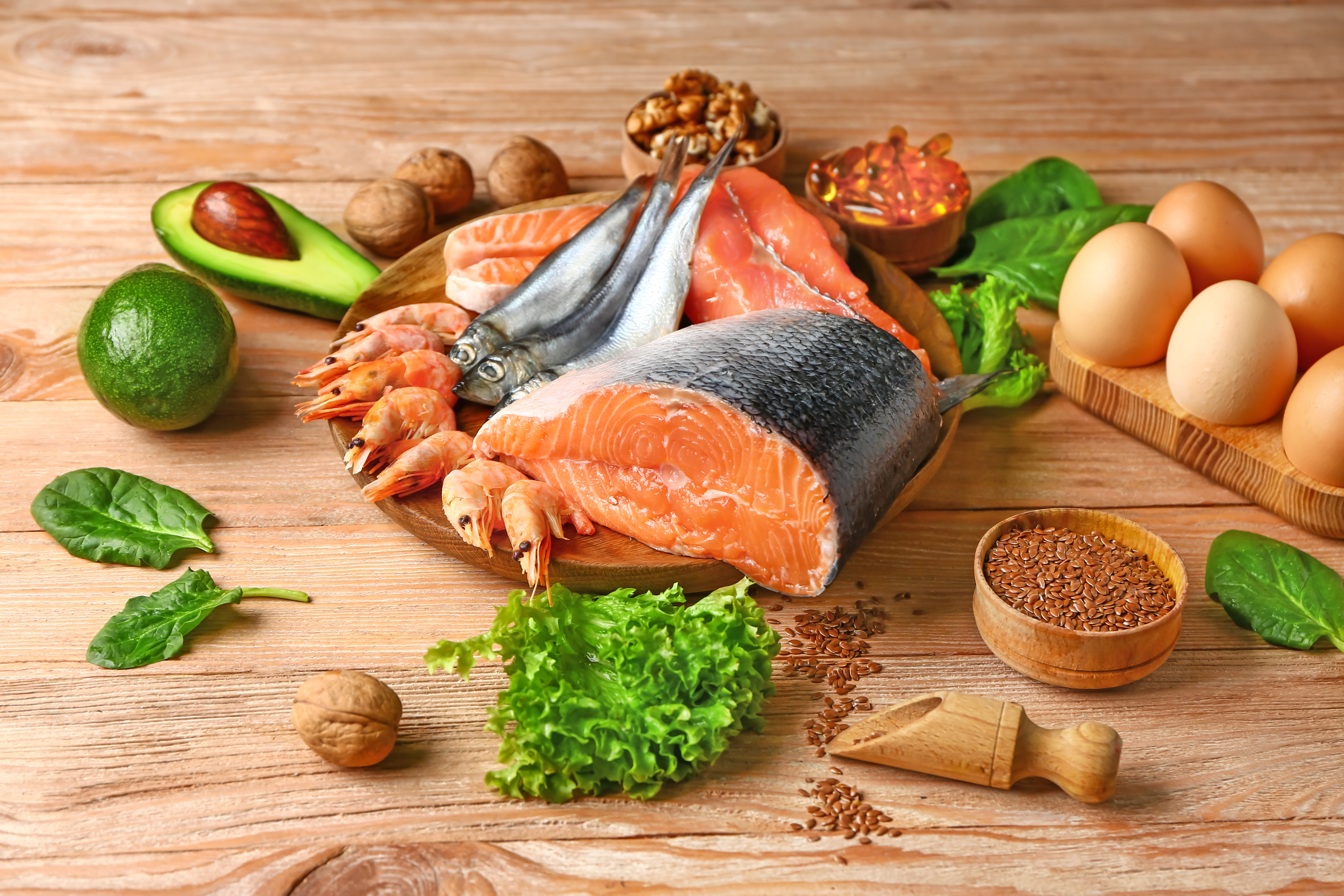
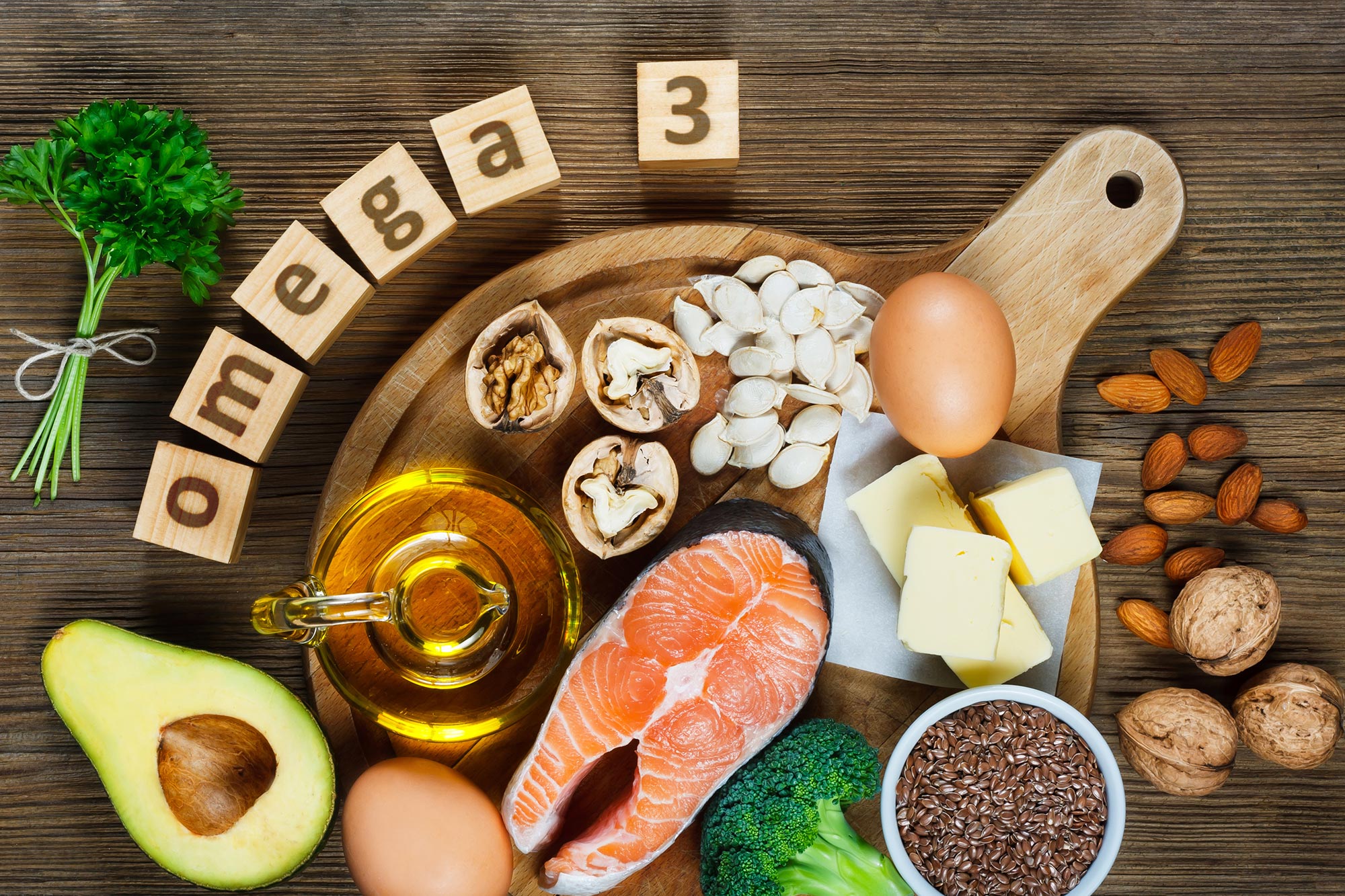
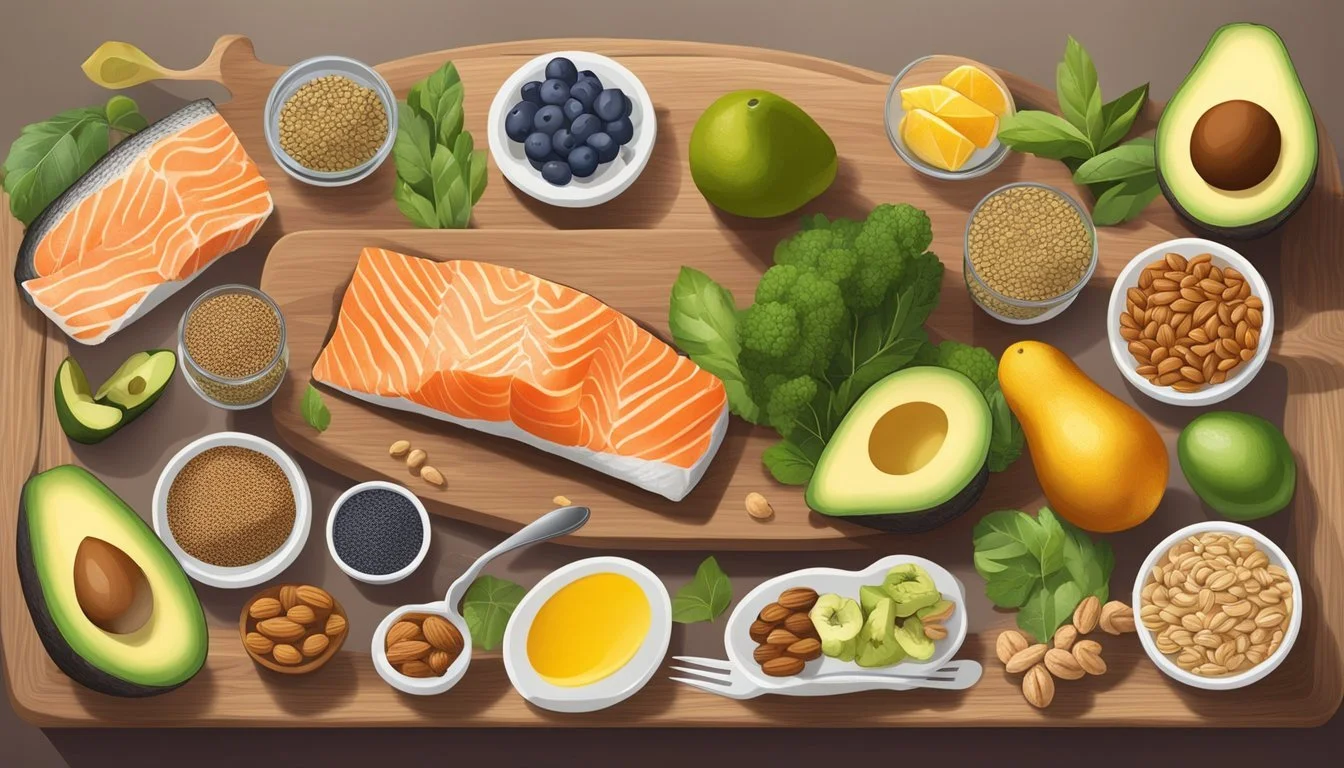
- Actively increasing the intake of omega-3 rich foods, such as fatty fish (salmon, mackerel, sardines), flaxseeds, chia seeds, and walnuts.
Common Misconceptions Regarding Omega-6 Fatty Acids
Misunderstandings about polyunsaturated fats frequently circulate in popular health media. Clarifying these points helps ensure informed dietary choices.
The "All Omega-6 is Inflammatory" Myth
A common misconception is that consuming foods high in omega-6 fatty acids directly drives chronic systemic inflammation. While arachidonic acid is a precursor to inflammatory mediators, clinical interventions and prospective cohort studies have generally shown that higher intakes of linoleic acid do not increase systemic inflammatory markers such as C-reactive protein (CRP) in healthy human populations. The body tightly regulates tissue levels of arachidonic acid regardless of moderate fluctuations in dietary linoleic acid intake.
Whole Foods vs. Refined Industrial Oils
Another error is treating all omega-6 sources identically. Consuming linoleic acid packaged within whole food matrices—such as whole nuts, seeds, and soybeans—delivers a complex matrix of fiber, antioxidants, and minerals that modulate metabolic response. Conversely, highly refined industrial seed oils consumed in excess through ultra-processed, fried, and packaged convenience foods lack these protective co-nutrients and contribute disproportionately high caloric loads.
Frequently Asked Questions
Are omega-6 fatty acids bad for your heart?
Current consensus from major cardiovascular research organizations indicates that replacing saturated fats with polyunsaturated fats, including omega-6 linoleic acid, reduces low-density lipoprotein (LDL) cholesterol and lowers the risk of coronary heart disease. However, dietary context matters: incorporating omega-6 fats via whole foods and unrefined oils within an overall nutrient-dense diet yields the most favorable health outcomes.
Do I need to take an omega-6 supplement?
No. Because omega-6 fatty acids are abundantly present in almost all plant foods, cooking oils, nuts, and seeds, dietary deficiency is exceptionally rare in industrialized nations. Supplementation is neither necessary nor recommended unless specifically directed by a clinical healthcare professional or registered dietitian for a diagnosed medical condition.
How can I improve my omega-6 to omega-3 ratio without eliminating my favorite foods?
Rather than cutting out nutrient-dense foods like walnuts, sunflower seeds, or peanut butter, focus on adding omega-3 sources to your weekly meal plan. Incorporate fatty fish twice a week, add ground flaxseed or chia seeds to oatmeal or yogurt, and use olive oil or avocado oil for everyday cooking where appropriate while moderating ultra-processed snack foods.
Does cooking destroy omega-6 fatty acids?
Polyunsaturated fats are structurally vulnerable to heat, light, and oxygen due to their multiple carbon-carbon double bonds, which can cause them to oxidize and form rancid breakdown products. When cooking with high-omega-6 plant oils, use moderate temperatures, avoid reusing frying oil, and store oils in dark, airtight containers away from direct heat sources.
Conclusion
Omega-6 fatty acids are vital nutrients required for cellular membrane integrity, normal growth, and metabolic signaling. Incorporating wholesome food sources such as walnuts, safflower oil, sunflower seeds, tofu, and peanut butter provides essential linoleic acid while supplying a robust array of vitamins, minerals, and dietary fiber. Achieving long-term nutritional harmony relies less on eliminating specific fat families and more on maintaining an overall balanced dietary pattern rich in both unrefined polyunsaturated fats and marine or plant-derived omega-3s.