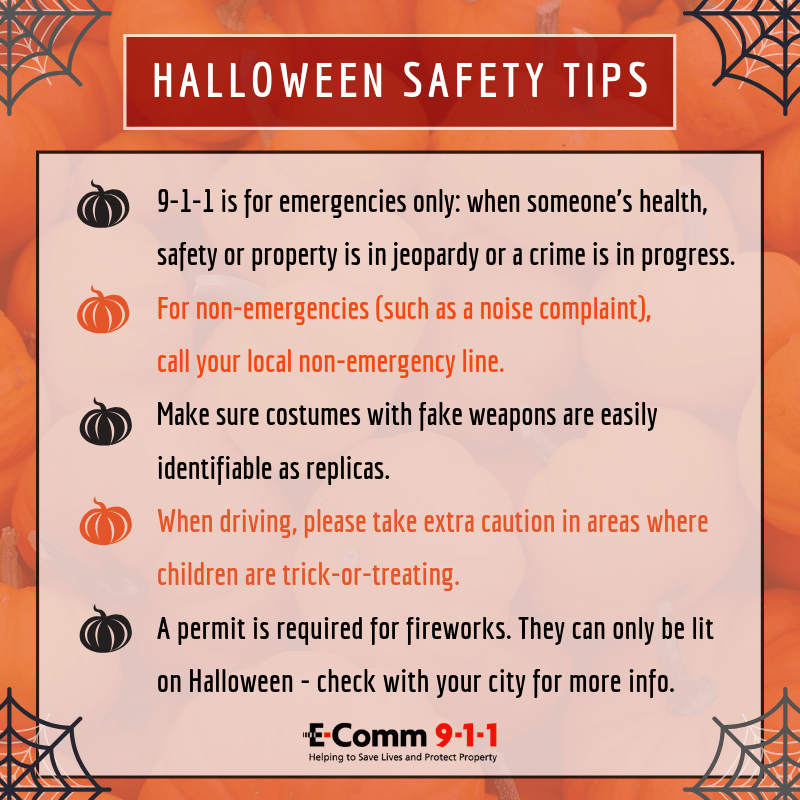
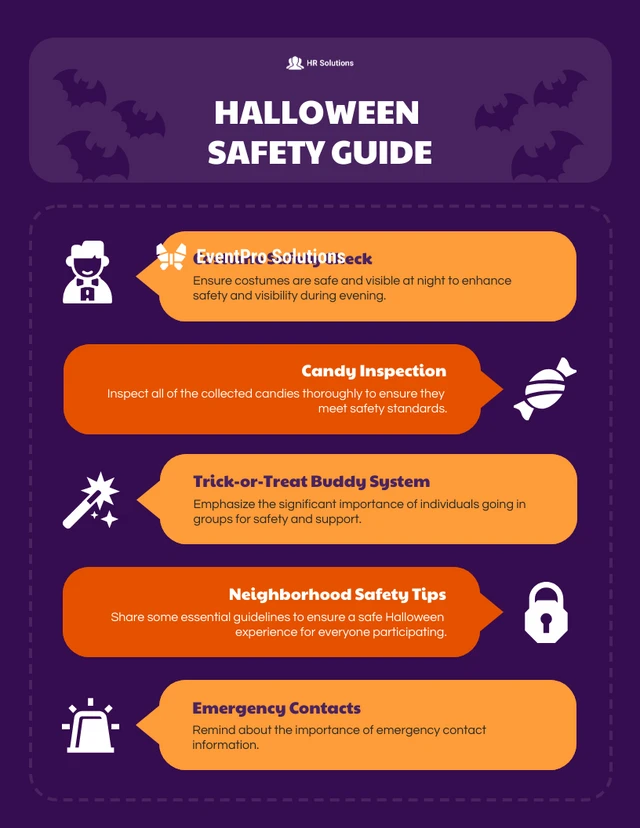
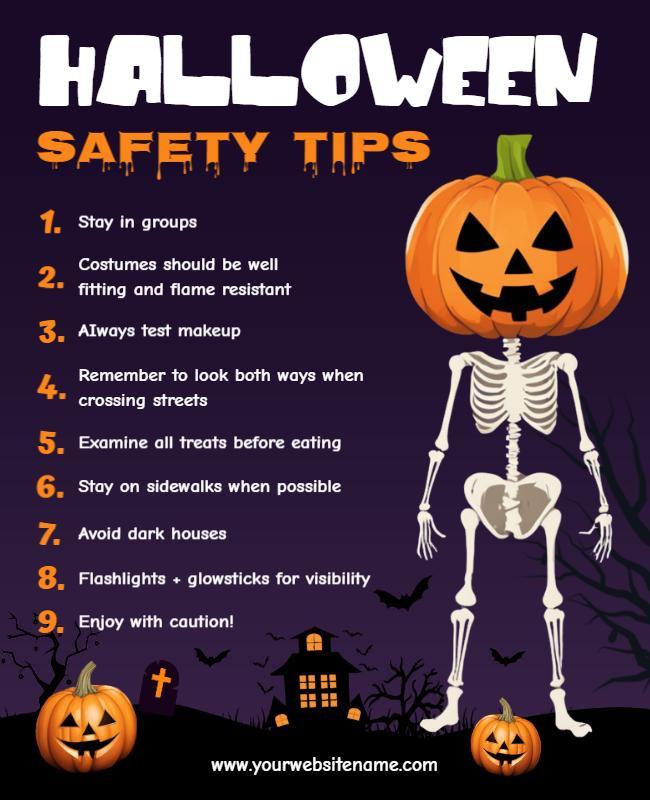
Halloween safety relies on proactive planning across visibility, costume fit, traffic awareness, treat inspection, and property hazards. Key strategies include using flame-retardant costumes with reflective elements, maintaining clear line-of-sight without restrictive masks, adhering to pedestrian safety rules, inspecting treats before consumption, and ensuring well-lit pathways for visitors.
The Importance of Halloween Safety Planning
Halloween is one of the most anticipated evenings of the year for children and families, but it also presents unique safety challenges. Historical traffic and emergency room data consistently show elevated risk levels on October 31. According to analysis by the National Highway Traffic Safety Administration, pedestrian fatalities involving children spike significantly on Halloween evening compared to any other night of the year. The combination of early dusk, excitement, dark costumes, and increased pedestrian traffic creates an environment where small oversight can lead to injuries.
Effective safety planning does not require diminishing the festive spirit. Instead, structured precautions allow children to enjoy trick-or-treating while mitigating risks related to vehicle traffic, trip hazards, burn risks, and food safety concerns. Whether managing young children on their first neighborhood route or hosting trick-or-treaters at home, applying key safety protocols ensures a secure environment for everyone involved.
Tip 1: Prioritize High Visibility and Reflective Costume Design
Visibility is the single most critical factor in preventing vehicle-related pedestrian accidents during nighttime holiday festivities. As sunset occurs earlier in late autumn, trick-or-treaters often navigate neighborhoods in low-light or complete dark conditions, making them nearly invisible to approaching motorists who may already face compromised peripheral vision.
Incorporating Reflective Tape and Glow Sticks
Dark fabrics absorb light, rendering a trick-or-treater difficult to spot beyond a few yards away. Enhancing visibility requires adding elements that actively bounce light back toward vehicle headlights or generate their own illumination.
- Retroreflective Tape: Apply high-intensity, pressure-sensitive retroreflective tape to the front, back, and sides of costumes, trick-or-treat bags, and shoes. Placing reflective strips on moving joints—such as knees and wrists—helps drivers instantly recognize human movement from a distance.
- Glow Sticks and LED Bands: Equip children with battery-operated LED armbands, glow necklaces, or clip-on safety lights. These light sources provide continuous visibility even when direct vehicle headlights are not hitting the costume.
- Contrast Materials: When creating or purchasing costumes, favor bright colors such as white, yellow, or neon shades over black, dark blue, or dark brown.
Flashlights and Headlamps for Safe Navigation
While reflective materials alert drivers to a pedestrian's presence, handheld or wearable illumination allows trick-or-treaters to see hazards in their path. Uneven sidewalk pavement, exposed tree roots, garden stakes, and open lawn steps become severe trip hazards after dark.
Each member of a trick-or-treating group should carry a functional flashlight with fresh batteries or wear a compact headlamp. Headlamps offer the added advantage of keeping a child’s hands free to handle treat bags and navigate steps safely.
Tip 2: Choose Safe, Flame-Resistant, and Proper-Fitting Costumes
Costume selection extends beyond aesthetic appeal; material safety and ergonomic fit directly affect physical safety. Every year, emergency room visits on Halloween involve injuries from trips over dragging hemlines, restricted vision, or accidental burns from open flames like lighted jack-o'-lanterns.
Preventing Tripping Hazards with Tailored Hemlines
Overly long capes, floor-length gowns, oversized shoes, and bulky trousers significantly increase trip and fall risks. Children frequently run or step quickly when moving between houses, making loose fabric a constant hazard.
- Hemline Height: Ensure all costume hemlines sit well above the top of the shoe—ideally at ankle level—so fabric does not drag along sidewalks or stairs.
- Footwear Selection: Avoid costume footwear such as oversized clown shoes, high heels, or slippery costume slippers. Children should wear comfortable, well-fitting athletic shoes or sturdy boots designed for walking.
- Accessory Sizing: Keep swords, wands, brooms, and other accessories short and soft. Rigid, pointed accessories present puncture hazards if a child trips and falls while carrying them.
Flame Resistance: Reading Material Labels
Jack-o'-lanterns illuminated by open flame candles remain a tradition on many doorsteps and walkways. As children walk near porches and steps, flowing costume fabrics can easily brush against open flames.
When buying commercial costumes, wigs, or accessories, look explicitly for labels marked "Flame Resistant" or "Flame Retardant." According to the U.S. Consumer Product Safety Commission, while these synthetic materials (such as 100% polyester or nylon) are not completely fireproof, they resist ignition and tend to extinguish themselves quickly compared to untreated natural fibers or loose cotton.
Costume Material Safety Quick Checklist:
- Tags labeled "Flame Resistant" or "Flame Retardant"
- Hemlines trimmed or hemmed above ankle height
- Non-toxic, hypoallergenic face paint used instead of full-face masks
- Soft, flexible accessories without sharp points
Face Paint vs. Vision-Obstructing Masks
While full-face masks complete many costumes, they severely restrict a child's field of vision, especially peripheral vision. A restricted view makes it difficult to judge curb heights, notice approaching vehicles, or see changes in terrain.
- Hypoallergenic Face Paint: Substitute full-face masks with non-toxic, water-based face paint or cosmetic makeup. Always test a small patch of face paint on your child's inner arm several days before Halloween to check for allergic reactions or skin irritation.
- Mask Modification: If a mask must be worn, ensure eye openings are enlarged significantly using shears so upper, lower, and side vision remains completely unobstructed.
- Removal During Transit: Instruct children to push masks up onto their foreheads while walking between homes and wear them only when standing at a doorstep.
Tip 3: Master Pedestrian and Traffic Safety Rules
Traffic safety requires active coordination between parents, children, and neighborhood motorists. Because children are often distracted by excitement and friends, adults must enforce strict rules for moving through pedestrian zones.
Crosswalk Best Practices and Sidewalk Navigation
Pedestrian collisions frequently happen when trick-or-treaters dart across streets mid-block or emerge suddenly from between parked cars.
- Stick to Sidewalks: Always walk on designated sidewalks or footpaths. If a street lacks sidewalks, walk facing oncoming traffic as far to the left of the road shoulder as possible.
- Cross at Corners: Cross streets exclusively at designated crosswalks, intersections, or traffic lights. Never cross mid-block or step out from behind parked vehicles where drivers cannot anticipate pedestrians.
- Establish Eye Contact: Teach children to make direct eye contact with drivers before stepping into a crosswalk, verifying that the driver has fully stopped and acknowledged their presence.
- Put Away Distractions: Mobile devices and smartphones should remain in pockets while walking or crossing streets. Looking down at a screen while navigating neighborhoods significantly elevates collision risks.
Adult Supervision and Group Dynamics
Age determines the appropriate level of direct adult oversight needed during trick-or-treating hours.
- Children Under 12: Children under twelve years old should always be accompanied by a responsible adult or mature teenager. Young children lack the fully developed spatial awareness and speed estimation skills necessary to judge approaching vehicle speeds accurately.
- Teen Group Planning: Older children and teens trick-or-treating without direct adult supervision should establish a agreed-upon route, set a strict curfew, carry a fully charged mobile phone, and travel exclusively in groups of three or more. Parents should map out familiar, well-lit neighborhoods in advance.
Tip 4: Conduct Rigorous Treat Inspection and Allergy Management
Food safety is another core pillar of Halloween preparation. From uninspected or altered packaging to severe food allergen exposures, managing the candy bag requires structured rules before anyone takes a single bite.
What to Look for During Candy Inspection
Establish a clear rule before leaving the house: No treats may be eaten until an adult inspects them at home. Pack a safe, pre-approved snack for children to eat while walking so they are less tempted to consume uninspected candy along the route.
When reviewing collected treats under good lighting at home, examine every item according to the following guidelines endorsed by the U.S. Food and Drug Administration:
- Inspect Wrappers: Discard any candy with torn, loose, damaged, or punctured wrappers, as well as items showing signs of re-wrapping or improper sealing.
- Avoid Unpackaged Goods: Throw away home-baked goods, unwrapped items, or fresh fruit unless you personally know and trust the individual who gave them out.
- Verify Factory Seals: Ensure commercially packaged treats are completely sealed in their original factory packaging.
- Choking Hazards: For toddlers and young children, remove small hard candies, gum, peanuts, unpopped popcorn kernels, and small toy prizes that pose choking hazards.
Managing Food Allergies and the Teal Pumpkin Project
For children living with severe food allergies—such as peanut, tree nut, dairy, soy, or gluten sensitivities—trick-or-treating can present genuine health risks. Cross-contamination or unclear allergen labeling on miniature party-sized candies can lead to accidental exposure.
Safe Treat Inspection Process:
- Hold all candy until returning home to a well-lit area.
- Sort items: Commercial sealed vs. home-made/damaged packaging.
- Discard unsealed, open, torn, or suspicious packages immediately.
- Check labels for allergen warnings (peanuts, tree nuts, dairy, soy).
- Separate age-inappropriate choking hazards for young children.
Parents and community members can leverage the Teal Pumpkin Project, a global initiative organized by Food Allergy Research & Education (FARE). Placing a teal-painted pumpkin or official Teal Pumpkin poster on your front porch signals that you offer non-food treats—such as glow sticks, stickers, bubbles, small toys, or pencils—for children managing food allergies or medical dietary restrictions.
Tip 5: Prepare Your Home for Trick-or-Treaters and Secure Pets
Homeowners hosting trick-or-treaters share the responsibility for maintaining a safe property environment. Taking proactive measures prevents slips, trips, fires, and pet-related incidents on your premises.
Clearing Exterior Walkways and Hazards
Visitors will be walking across your lawn, driveway, and porch steps in low-light conditions.
- Remove Obstacles: Clear driveways, steps, and lawns of garden hoses, lawn mowers, decorative stakes, outdoor toys, leaf piles, and low-hanging tree branches.
- Check Lighting: Replace burnt-out exterior lightbulbs. Ensure your front porch light, driveway lighting, and walkway lamps are illuminated throughout trick-or-treating hours.
- Fix Footing: Repair loose steps, unstable porch railings, and uneven pavers. If wet leaves, ice, or moisture have accumulated on walkways, sweep or treat surfaces to eliminate slip hazards.
Safer Lighting Alternatives to Open Flames
Traditional wax candles placed inside carved pumpkins present immediate fire risks to long costumes, wigs, and dry autumn decorations like cornstalks and hay bales.
Replace open flames entirely with battery-operated LED candles, tea lights, or multi-mode light sticks inside jack-o'-lanterns. LED lighting eliminates fire hazards, lasts longer, and remains lit during windy weather. If open-flame candles are used, place jack-o'-lanterns well away from doorsteps, walkways, curtains, and flammable decorations, keeping them out of areas where trick-or-treaters might brush past them.
Managing Pet Stress and Visitor Safety
Even usually calm pets can become stressed or defensive by the constant ringing of doorbells, strange costumes, and elevated noise levels.
- Secure Animals Indoors: Keep dogs, cats, and other pets contained in a quiet, interior room away from the front entry door. This prevents pets from darting out into the street or jumping on startled guests.
- Keep Candy Away from Pets: Chocolate, artificial sweeteners like xylitol, raisins, and wrapper materials are toxic or dangerous to dogs and cats. Ensure all candy bowls and collected treat bags are stored securely out of pets' reach.
Comprehensive Halloween Hazard and Mitigation Matrix
The following reference table outlines common Halloween hazards, associated risks, prevention measures, and immediate actions required if an issue occurs:
| Hazard Category | Potential Risk | Prevention Strategy | Immediate Action Needed |
|---|---|---|---|
| Low Visibility | Vehicle collision, tripping over hidden terrain hazards | Apply retroreflective tape to costumes; equip each person with flashlights or LEDs. | Pause group, turn on backup lights, and move to well-lit sidewalks immediately. |
| Obstructed Vision | Falls, stepping into roadway, collision with objects | Use non-toxic face paint instead of full masks; enlarge eye holes on existing masks. | Remove mask entirely while walking between houses or crossing streets. |
| Flown/Long Fabrics | Catching fire on open candles, tripping/falling | Select flame-resistant materials; hem costumes above ankles; use LED candles. | Stop, Drop, and Roll if clothing catches fire; douse flame with water or blanket. |
| Torn Candy Packaging | Contamination, ingestion of unsafe substances | Inspect all treats under bright light; discard damaged or open wrappers. | Isolate suspicious item; contact local poison control or medical authorities if consumed. |
| Food Allergens | Severe allergic reaction (anaphylaxis) | Look for Teal Pumpkins; inspect ingredient lists; carry emergency epinephrine if prescribed. | Administer epinephrine auto-injector immediately and call emergency services (911). |
| Unsecured Pets | Animal bites, pet loss due to running into street | Keep pets in an interior room away from front entry door; secure all gates. | Move injured party away from animal; clean wound thoroughly and seek medical advice. |
Age-Specific Halloween Safety Guidelines
Safety recommendations evolve as children mature. Tailoring your approach based on developmental stages ensures balanced protection without restricting age-appropriate independence.
Age-Based Guidance Spectrum:
| Toddlers & Preschoolers | Elementary (Ages 6-11) | Tweens & Teens (12+) |
|---|---|---|
| • Direct hand-holding• Daylight/early dusk• No hard candies/choking | • Adult walk-along• Crosswalk education• Inspect candy together | • Small group movement• Set curfew & route map• Active mobile contact |
Toddlers and Preschoolers (Ages 1–5)
- Direct Supervision: Maintain physical contact or hold hands at all times near streets and driveways.
- Time Management: Plan trick-or-treating during late afternoon or early dusk hours to avoid navigating complete darkness.
- Treat Filtering: Pre-screen all treats for choking risks, eliminating hard candies, small round items, nuts, and small plastic trinkets.
Elementary School-Aged Children (Ages 6–11)
- Guided Independence: Allow children to walk to front doors independently while adults remain stationed at the end of the driveway or sidewalk within clear line-of-sight.
- Pedestrian Rules: Reinforce stopping at curb edges, looking left-right-left before stepping out, and crossing exclusively at corners.
- Group Integrity: Keep children together in small, manageable groups rather than allowing individuals to run ahead.
Tweens and Teens (Ages 12+)
- Route Agreements: Require teens to submit a planned walking route and stay strictly within familiar neighborhood boundaries.
- Communication Check-Ins: Schedule mandatory text check-ins at designated times. Verify that mobile devices remain charged and accessible.
- Buddy System: Enforce a strict policy that no teen walks alone; groups should consist of at least three peers who remain together throughout the evening.
Frequently Asked Questions
At what age can children go trick-or-treating without an adult?
Child safety organizations generally recommend that children under twelve years old be accompanied by an adult or responsible older chaperone. By age twelve, most children demonstrate sufficient spatial judgment, impulse control, and pedestrian safety awareness to navigate familiar, well-lit neighborhoods in groups without direct adult supervision.
How can I make dark costumes safe for nighttime trick-or-treating?
You do not need to replace a dark costume entirely. Enhance safety by applying pressure-sensitive retroreflective tape to the front, back, and sides of the costume. Add clip-on LED lights, glow bracelets, or light-up accessories, and ensure the child carries a bright flashlight or wears an adjustable headlamp.
What should I do if my child eats uninspected candy or shows allergic symptoms?
If a child exhibits signs of a severe allergic reaction—such as difficulty breathing, swelling of the lips or throat, hives, or dizziness—administer an epinephrine auto-injector if prescribed and call emergency medical services (911) immediately. If you suspect ingestion of a hazardous substance or uninspected material, contact your local poison control center or seek medical evaluation right away.
Are battery-operated candles safer for jack-o'-lanterns than real candles?
Yes. Battery-operated LED candles and tea lights eliminate fire risks entirely. Open-flame candles inside jack-o'-lanterns present serious fire hazards if loose costume fabrics, flowing capes, wigs, or dry yard decorations accidentally brush against the flame.
What is the Teal Pumpkin Project, and how can I participate?
The Teal Pumpkin Project is an international awareness campaign organized by Food Allergy Research & Education (FARE). To participate, place a teal-painted pumpkin or official printable sign on your porch and provide non-food treats—such as stickers, glow sticks, small toys, or pencils—so children with food allergies can participate safely in trick-or-treating.
Actionable Next Steps for a Safe Halloween
Preparing for a safe Halloween season involves straightforward planning across three primary phases:
- Two Weeks Before Halloween: Inspect costumes for flame-resistance labels, check hemlines, buy retroreflective tape, test face paint on your child's skin to check for allergies, and acquire LED tea lights for jack-o'-lanterns.
- The Day Before Halloween: Clear walkways, driveways, and front steps of trip hazards. Test flashlights, replace dead batteries, secure indoor pet containment areas, and purchase non-food treats if participating in the Teal Pumpkin Project.
- On Halloween Night: Review street-crossing rules with children, ensure everyone carries a light source, keep pets safely indoors, and hold all collected treats until an adult inspects wrappers in a brightly lit room at home.
Disclaimer: This guide is provided for general informational purposes and does not constitute formal medical or legal advice. In the event of a medical emergency, severe allergic reaction, or dangerous incident, contact local emergency services (911) or a poison control center immediately.