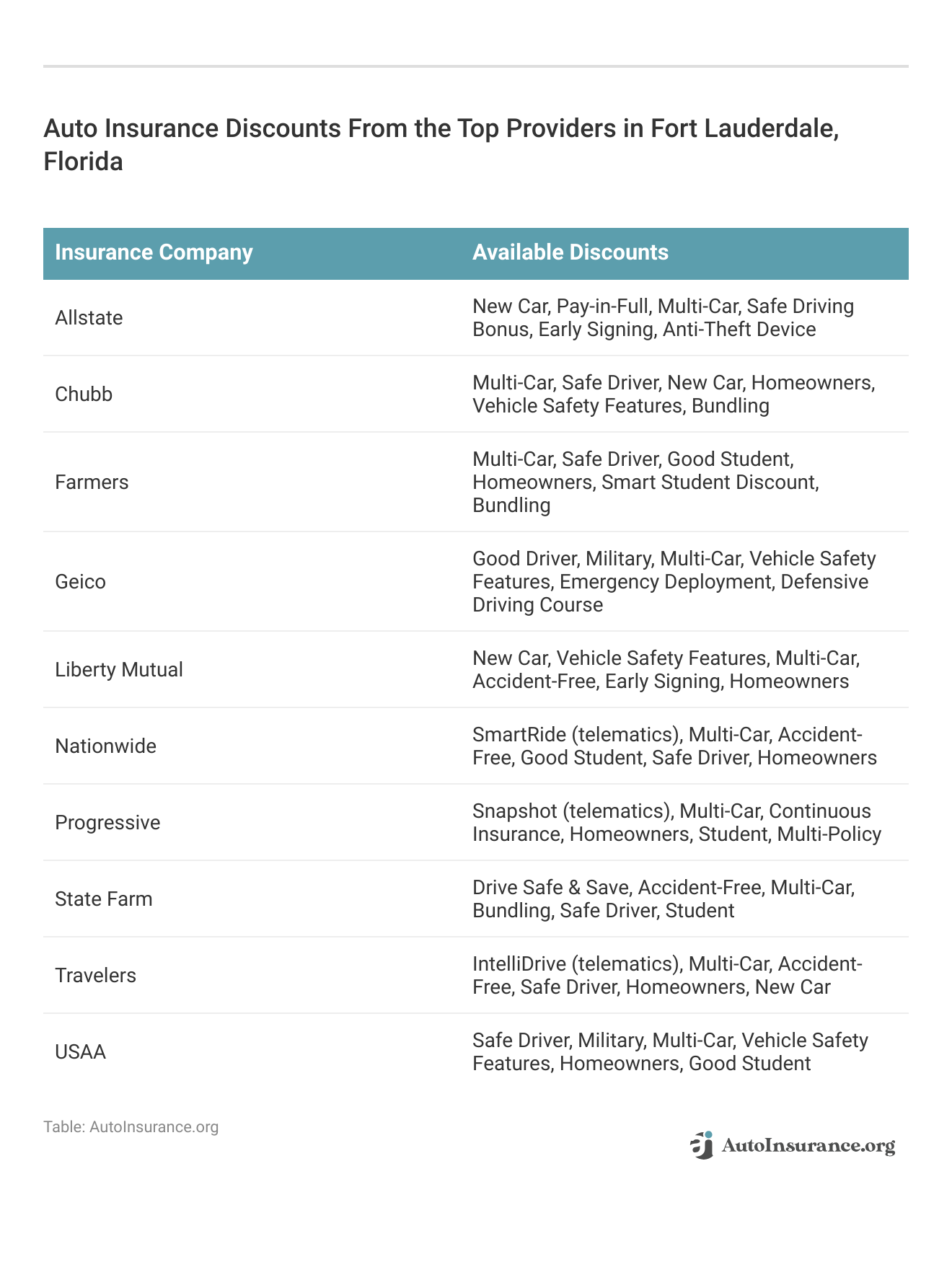
Finding the right auto insurance in Fort Worth, Texas, requires balancing state-mandated coverage minimums with local driving risks, such as congested corridors like I-35W and unpredictable North Texas weather patterns, including severe hail storms. The top five auto insurance providers operating in Fort Worth stand out based on their financial stability, coverage customizability, local claims handling efficiency, and policyholder satisfaction ratings.
Understanding Auto Insurance Requirements in Fort Worth, Texas
Operating a motor vehicle in Fort Worth legally obligates drivers to comply with the Texas Motor Vehicle Safety-Responsibility Act. The state enforces a minimum liability insurance standard, commonly referred to as 30/60/25 coverage. This means drivers must carry at least $30,000 of coverage for injury to one person, $60,000 total per accident for injuries, and $25,000 for property damage.
However, relying strictly on state minimums exposes drivers to significant financial risk. Fort Worth experiences high volumes of commuter traffic, interstate trucking through the Dallas-Fort Worth metroplex, and seasonal severe weather events like large hail and localized flash flooding. Comprehensive and collision coverages are critical additions for protecting a vehicle against natural perils and uninsured motorists, who make up a notable percentage of drivers on Texas roadways.
When evaluating auto insurance options in the local market, policyholders should look beyond the initial monthly premium. Factors such as deductible amounts, accident forgiveness policies, roadside assistance availability, and the ease of filing claims through local agent networks or digital apps dictate the real-world value of a policy.
The 5 Best Auto Insurance Options in Fort Worth
To identify the most dependable coverage choices for Fort Worth residents, independent evaluations analyze customer complaint indices from the Texas Department of Insurance, financial strength ratings from agencies like AM Best, and average rate competitiveness across various demographic profiles.
1. State Farm: Best for Local Agent Access and Customer Service
State Farm maintains a dominant presence across Texas, anchored by a vast network of dedicated local agents based right in Fort Worth and surrounding Tarrant County. This hyper-local infrastructure makes State Farm an ideal choice for drivers who prefer face-to-face consultations when adjusting policy limits, adding a teen driver, or discussing post-accident claims support.
- Pros: Extensive network of local agents, highly rated mobile applications, and strong financial stability.
- Cons: Rates can skew higher for drivers with less-than-perfect credit histories compared to specialized high-risk carriers.
- Standout Feature: The Steer Clear program and Drive Safe & Save telematics app offer significant discounts for safe driving habits and young drivers.
2. GEICO: Best for Affordable Rates and Digital Convenience
Government Employees Insurance Company (GEICO) consistently ranks among the most competitively priced insurers in the Lone Star State. GEICO appeals to Fort Worth commuters looking for streamlined digital tools, allowing policyholders to manage documents, request roadside assistance, and track claims entirely through an intuitive smartphone application.
- Pros: Highly competitive baseline rates, user-friendly digital platform, and robust discount structures for federal employees, military personnel, and good drivers.
- Cons: Lacks the physical storefront presence that traditional agency-based carriers provide.
- Standout Feature: Expressed claims processing and flexible payment scheduling tailored to budget-conscious households.
3. Progressive: Best for High-Risk Drivers and Customizable Policies
Progressive is widely recognized for its willingness to insure drivers who might face steeper rates elsewhere, including those with speeding tickets, at-fault accidents, or gaps in coverage. The carrier's signature Name Your Price tool helps shoppers find coverage tiers that match specific monthly budgets.
- Pros: Flexible underwriting for drivers with imperfect records, innovative snapshot telemetry, and transparent online quote comparisons.
- Cons: Customer satisfaction scores can vary depending on the specific third-party claims adjuster assigned.
- Standout Feature: The Name Your Price tool, which lets users input a target budget to see available coverage packages.
4. Texas Farm Bureau Insurance: Best Local Regional Expertise
As an organization deeply rooted in the state's agricultural and suburban communities, Texas Farm Bureau understands the specific nuances of driving in Texas. Their policies are tailored specifically to state regulations, weather risks, and regional driving habits, backed by responsive local claims adjusters who understand regional repair costs.
- Pros: Deep local market expertise, excellent customer retention rates, and specialized coverage endorsements.
- Cons: Requires a minor annual membership fee to qualify for insurance purchasing eligibility.
- Standout Feature: Highly personalized customer service and specialized agricultural or rural-suburban vehicle packages.
5. Allstate: Best for Comprehensive Coverage and Accident Forgiveness
Allstate provides robust policy customization backed by unique add-on features that protect drivers from sudden rate hikes. While base rates can run slightly higher than direct-to-consumer internet competitors, the breadth of protective endorsements makes Allstate attractive to families and owners of newer vehicles.
- Pros: Extensive array of coverage add-ons, comprehensive rewards for accident-free driving, and responsive roadside assistance.
- Cons: Premium pricing can be higher without bundling home and auto policies.
- Standout Feature: Accident Forgiveness and Deductible Rewards programs that reduce out-of-pocket costs over time.
Comparison of Fort Worth Auto Insurance Providers
| Provider | Best For | Typical Fort Worth Advantage | Key Disadvantage |
|---|---|---|---|
| State Farm | Local Agent Network | In-person support across Tarrant County | Higher rates for poor credit |
| GEICO | Digital Tools & Budget | Competitive baseline pricing | Limited physical storefronts |
| Progressive | High-Risk Drivers | Flexible underwriting options | Variable satisfaction scores |
| Texas Farm Bureau | Regional Expertise | Texas-specific policy adjustments | Membership fee required |
| Allstate | Coverage Add-ons | Accident forgiveness programs | Premium pricing tiers |
Key Factors That Influence Auto Insurance Rates in Fort Worth
Insurance underwriters evaluate a complex matrix of data points to determine individual policy premiums. Understanding these variables helps Fort Worth residents manage and lower their insurance expenditures over time.
Local Traffic Congestion and Accident Rates
Fort Worth is one of the fastest-growing major cities in the United States. High-density traffic corridors, including sections of Interstate 35W, Interstate 30, and Loop 820, experience frequent congestion and higher collision frequencies. Insurers factor regional ZIP code accident statistics directly into baseline rating formulas.
Weather Risks and Comprehensive Claims
North Texas is susceptible to severe spring weather, including high winds, torrential downpours, and destructive hail storms. Comprehensive coverage protects vehicle owners against storm damage, but high regional claim volumes for hail repair can influence overall rate adjustments across specific Tarrant County postal codes.
Personal Driving Record and Credit-Based Insurance Scores
Under Texas insurance regulations, carriers are permitted to utilize credit-based insurance scores alongside driving records, annual mileage, vehicle make and model, and driver age. Maintaining a clean moving record and monitoring credit health remain the two most effective methods for keeping insurance premiums manageable.
Steps to Secure the Best Auto Insurance Policy
- Assess Your Coverage Needs: Determine whether state minimum liability limits suffice or if your vehicle requires comprehensive, collision, and gap insurance to protect against total loss or financing shortfalls.
- Gather Necessary Information: Have your driver's license numbers, vehicle identification numbers (VIN), current mileage estimates, and past driving history ready before requesting quotes.
- Compare Multiple Quotes: Obtain estimates from at least three different carriers using identical coverage limits to accurately evaluate price and value differentials.
- Maximize Available Discounts: Inquire about bundling home and renters insurance, enrolling in paperless billing, completing defensive driving courses, and utilizing telematics safety apps.
- Finalize and Verify: Review the policy declarations page thoroughly before binding coverage to ensure deductibles and limits match your expectations.
Frequently Asked Questions
What is the minimum auto insurance required in Fort Worth, Texas?
Texas law requires drivers to carry liability insurance with minimum limits of 30/60/25. This covers up to $30,000 for bodily injury per person, $60,000 total for injuries per accident, and $25,000 for property damage. This baseline protects other motorists when you are at fault, but it does not cover damage to your own vehicle.
Does homeowners bundling lower auto insurance rates in Fort Worth?
Yes, bundling home and auto insurance policies with the same provider almost universally triggers multi-policy discounts ranging from 10% to 25%. This practice also simplifies account management and claim coordination during severe weather events that impact both your home and vehicle.
How do I file an auto insurance claim after a hailstorm in Fort Worth?
Document the damage with clear photographs immediately following the storm. Contact your insurance provider via their mobile app, customer service hotline, or local agent to initiate a claim. Your insurer will schedule an adjuster inspection or direct you to an approved local repair facility to estimate repair costs under your comprehensive coverage deductible.
Can I get auto insurance in Fort Worth with a bad driving record?
Yes, carriers like Progressive and specialized high-risk insurers provide coverage for drivers with tickets, accidents, or DUI history. While premiums will be higher, maintaining continuous coverage and avoiding further infractions will allow rates to decrease over time.
Are telematics apps worth using for discounts?
Telematics programs track driving habits like speed, braking smoothness, and phone usage via a smartphone app or plugged-in device. For safe drivers who commute moderate distances or avoid night driving, these programs can yield substantial annual discounts. However, drivers with erratic braking patterns or late-night habits may see minimal savings or potential rate increases depending on the carrier's specific rules.