Accessing funds from a 401(k) typically involves choosing between a loan, which must be repaid to the account with interest, or a withdrawal, which is a permanent removal of funds. In 2026, options include standard plan loans (up to $50,000), hardship distributions for immediate financial needs, and newer penalty-free emergency withdrawals authorized under recent federal legislation.
Navigating the complexities of employer-sponsored retirement plans requires a clear understanding of the distinction between "borrowing" and "withdrawing." While both provide liquidity, their long-term impact on retirement readiness, tax liability, and plan participation differs significantly. As of 2026, the regulatory landscape has shifted to provide more flexibility for participants facing hardships, but the fundamental risks of depleting a tax-advantaged nest egg remain.
The Mechanics of 401(k) Loans: Borrowing Against Your Future
A 401(k) loan is not a traditional loan from a bank; rather, it is a transfer of assets from your investment sub-accounts into a loan account. You are essentially acting as both the lender and the borrower. This mechanism is governed by Internal Revenue Service (IRS) guidelines and individual employer plan documents.
Eligibility and Borrowing Limits
Most 401(k) plans allow active employees to borrow from their vested balance. The "vested" portion refers to the money you have contributed plus the portion of employer contributions you legally own based on your years of service. Under current IRS regulations, the maximum loan amount is generally limited to the lesser of:
- $50,000, or
- 50% of your vested account balance.
An exception exists for small balances: if 50% of your vested balance is less than $10,000, you may still be able to borrow up to $10,000, provided the plan document allows it. It is crucial to verify your specific plan's "minimum loan" requirement, as many administrators set a floor of $1,000 to reduce administrative overhead.
Repayment Terms and Interest Rates
The standard repayment period for a 401(k) loan is five years. Payments are typically made through post-tax payroll deductions, meaning you are replacing pre-tax or Roth investment funds with dollars that have already been taxed. If the loan is used specifically for the purchase of a primary residence, many plans offer extended repayment terms, sometimes up to 15 or 30 years.
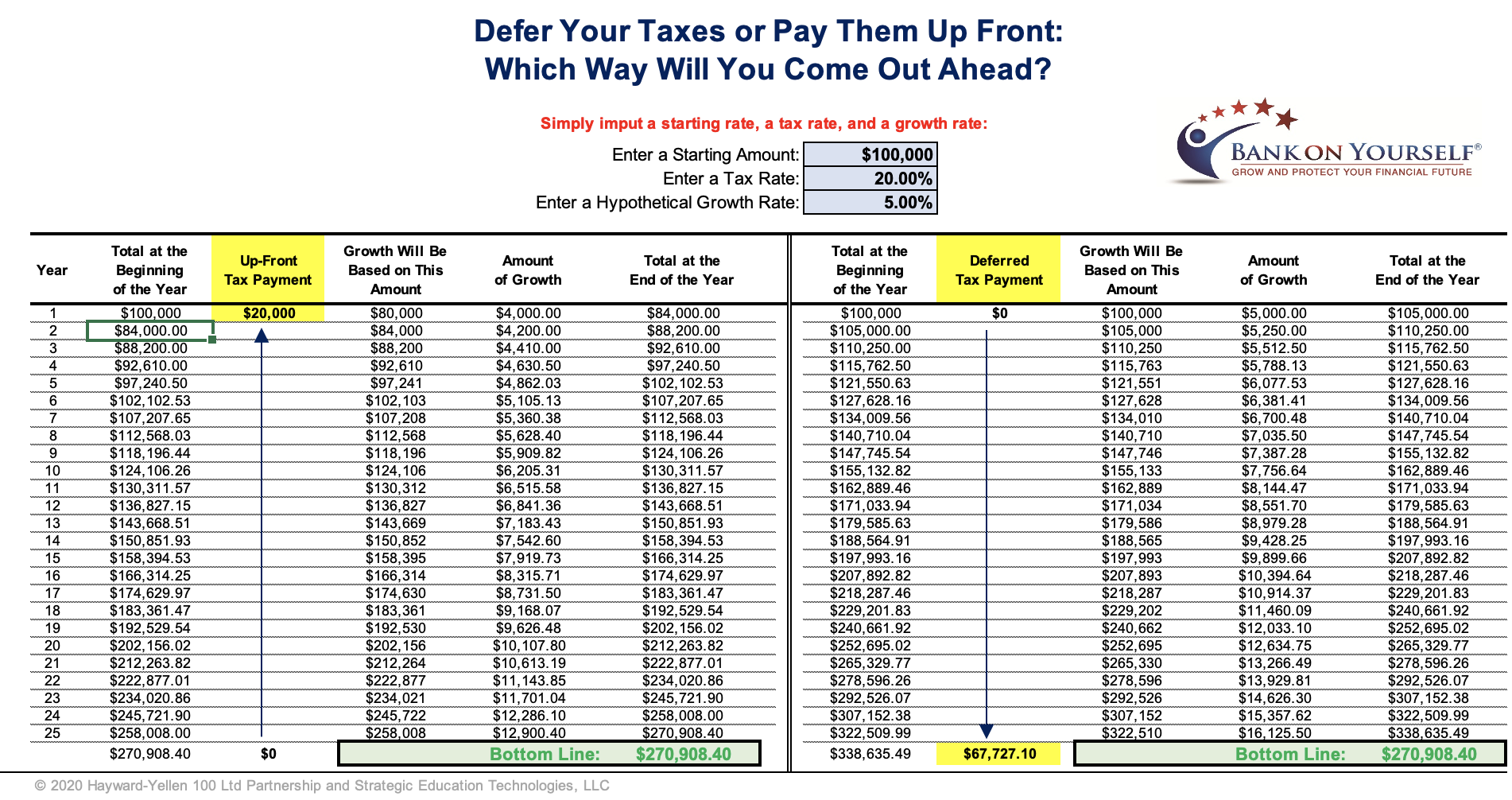
The interest rate is determined by the plan administrator, usually set at the Prime Rate plus 1%. While paying interest to yourself sounds like a winning scenario, it is important to remember that these interest payments are made with after-tax dollars. When you eventually withdraw those funds in retirement, they will be taxed again (unless in a Roth account), leading to a "double taxation" effect on the interest portion of the loan.
401(k) Withdrawal Options: Permanent Distributions
Unlike a loan, a withdrawal (or distribution) permanently removes funds from the retirement shell. These are generally more restrictive because the IRS seeks to preserve retirement savings for their intended purpose.
Hardship Distributions
To qualify for a hardship distribution, a participant must demonstrate an "immediate and heavy financial need." The amount withdrawn is limited to the specific amount necessary to satisfy that need, including any taxes or penalties resulting from the distribution. The IRS "Safe Harbor" expenses typically include:
- Unreimbursed medical expenses for the participant, spouse, or dependents.
- Costs related to the purchase of a primary residence (excluding mortgage payments).
- Tuition and related educational fees for the next 12 months of post-secondary education.
- Payments necessary to prevent eviction from or foreclosure on a primary residence.
- Funeral or burial expenses.
- Certain expenses for the repair of damage to the participant's primary residence that would qualify for a casualty deduction.
As of 2026, most plans utilize self-certification for hardships, a process streamlined by the SECURE 2.0 Act. While this makes the application faster, participants must still maintain records of the hardship, as the IRS can audit these distributions years later.
In-Service Non-Hardship Withdrawals
Some plans allow "in-service" withdrawals for employees who have reached age 59½, even if they are still working. These distributions are not subject to the 10% early withdrawal penalty but are treated as ordinary income for tax purposes. These are often used by employees near retirement to roll funds into an IRA for a broader range of investment choices.
SECURE 2.0 and New Provisions in 2026
The retirement landscape in 2026 is heavily influenced by the staggered implementation of the SECURE 2.0 Act. Several new "withdrawal-like" features have become standard in modern 401(k) plans.
Emergency Savings Accounts (PLEAs)
Many employers have now integrated Pension-Linked Emergency Savings Accounts (PLEAs). These allow non-highly compensated employees to contribute up to $2,500 (indexed for inflation) to a Roth-style account within the 401(k) structure. These funds can be withdrawn at least once a month without the 10% penalty and without having to prove a hardship.
Penalty-Free Withdrawals for Specific Life Events
The law has expanded the list of exceptions to the 10% early withdrawal penalty (though income tax still applies):
- Emergency Personal Expenses: A once-yearly withdrawal of up to $1,000 for "unforeseeable or immediate financial needs." Participants have the option to repay this amount within three years to rebuild their balance.
- Domestic Abuse Victims: Participants may withdraw the lesser of $10,000 or 50% of their balance within one year of an abuse incident.
- Terminal Illness: Participants with a terminal illness (certified by a physician) can access funds without penalty.
Comparing 401(k) Loans vs. Withdrawals
The following table summarizes the key differences between the two primary methods of accessing 401(k) funds in 2026.
| Feature | 401(k) Loan | Hardship Withdrawal |
|---|---|---|
| Repayment Required? | Yes, usually within 5 years | No |
| Tax Impact | None (if repaid on time) | Income tax on the full amount |
| 10% Penalty (Under 59½) | No | Yes (unless an exception applies) |
| Maximum Amount | 50% of balance (max $50k) | Amount of the specific need |
| Impact on Growth | Lost market gains on the principal | Permanent loss of compounding |
| Employer Matching | Usually continues | May be suspended in some plans |
| Job Change Impact | Must be repaid or "offset" | No impact (funds already gone) |
The Hidden Costs: Opportunity and Tax Risks
While a 401(k) loan or withdrawal might solve a short-term liquidity crisis, the long-term financial consequences are often underestimated.
The Cost of Missing the Market
When you take a loan, the principal is removed from your investment portfolio. If the market experiences a significant bull run while your money is "out," you miss those gains. For example, if you borrow $20,000 and the market returns 10% that year, you have effectively lost $2,000 in growth that can never be recovered. When combined with the fact that you are paying the loan back with after-tax dollars, the "real" interest rate is much higher than the nominal Prime + 1%.
The Danger of Loan Offsets
A significant risk of the 401(k) loan is employment termination. If you leave your job—whether voluntarily or through a layoff—the remaining balance of the loan is typically due. Under the Tax Cuts and Jobs Act (TCJA) rules, which remain relevant in 2026, you have until the due date of your federal tax return (including extensions) to "repay" that loan into an IRA or another 401(k). If you cannot find the cash to do so, the outstanding balance is treated as a "deemed distribution," triggering immediate income taxes and a 10% penalty if you are under age 59½.
Alternatives to 401(k) Liquidity
Before tapping into retirement savings, financial experts suggest evaluating alternative sources of capital that do not jeopardize long-term security.
- HELOC (Home Equity Line of Credit): If you have equity in your home, a HELOC may offer lower interest rates than a 401(k) loan and interest may be tax-deductible if used for home improvements.
- 0% APR Credit Cards: For smaller, short-term needs, a promotional 0% APR period on a credit card can provide a bridge without disturbing retirement investments, provided the balance is cleared before the high-interest rate kicks in.
- Personal Loans: Unsecured personal loans from credit unions or banks provide a fixed repayment schedule and do not carry the risk of a "deemed distribution" upon job loss.
- Brokerage Margin Loans: If you have a non-retirement brokerage account, you may be able to borrow against your taxable securities. This keeps your money invested while providing liquidity, though it carries the risk of a "margin call" if asset values drop.
Steps to Initiate a Request
If you have determined that a 401(k) loan or withdrawal is the best path forward, follow these procedural steps:
- Review the Summary Plan Description (SPD): This document, provided by your HR department or plan portal, outlines the specific rules for your company. Not all employers offer loans.
- Model the Loan/Withdrawal: Use the plan provider’s online calculator (e.g., Fidelity, Vanguard, Empower) to see the exact impact on your take-home pay and your projected retirement balance.
- Submit the Application: Most requests in 2026 are handled entirely online. For loans, the funds are typically direct-deposited within 3 to 5 business days. For hardship withdrawals, you may need to upload supporting documentation or check the self-certification box.
- Adjust Your Budget: If taking a loan, ensure your monthly budget can handle the new payroll deduction. Note that your take-home pay will decrease, which might tempt you to stop making new 401(k) contributions—a move that further compounds the negative impact on your retirement.
Frequently Asked Questions
Can I have more than one 401(k) loan at a time?
IRS rules allow for multiple loans, but many employer plans limit participants to one or two outstanding loans at any given time. Additionally, the total combined balance of all loans cannot exceed the $50,000/50% threshold.
Is a 401(k) loan better than a hardship withdrawal?
Generally, yes. A loan does not trigger immediate taxes or penalties and allows you to put the money back. A hardship withdrawal is permanent and can cost you 30-40% of the total amount in taxes and penalties right away.
What happens if I can't pay back my 401(k) loan?
If you miss a series of payments (usually after a "cure period" at the end of the quarter), the loan goes into default. The IRS treats the unpaid balance as a distribution. You will owe ordinary income tax on that amount and a 10% early withdrawal penalty if you are under age 59½.
Does taking a 401(k) loan hurt my credit score?
No. Because you are borrowing from yourself, 401(k) loans are not reported to credit bureaus (Equifax, Experian, or TransUnion). However, failing to pay back the loan won't hurt your credit either; it simply results in a tax event.
Can I pay off my 401(k) loan early?
Most plans allow for penalty-free prepayment. You can usually send a lump-sum check to the plan administrator to close out the loan balance ahead of schedule, which stops the interest accumulation and restores your full investment balance sooner.
Recommendation for 2026 Participants
Before proceeding with a 401(k) loan or withdrawal, first verify if your employer has implemented the SECURE 2.0 Emergency Savings Account (PLEA). If you have been contributing to one, use those funds first, as they are specifically designed for liquidity without the tax and penalty hurdles of a traditional 401(k) distribution. If a larger sum is required, prioritize a loan over a withdrawal to preserve the tax-advantaged status of your savings. Always consult with a tax professional to understand the specific implications for your tax bracket and state residency, as state-level penalties for early withdrawals can also apply.