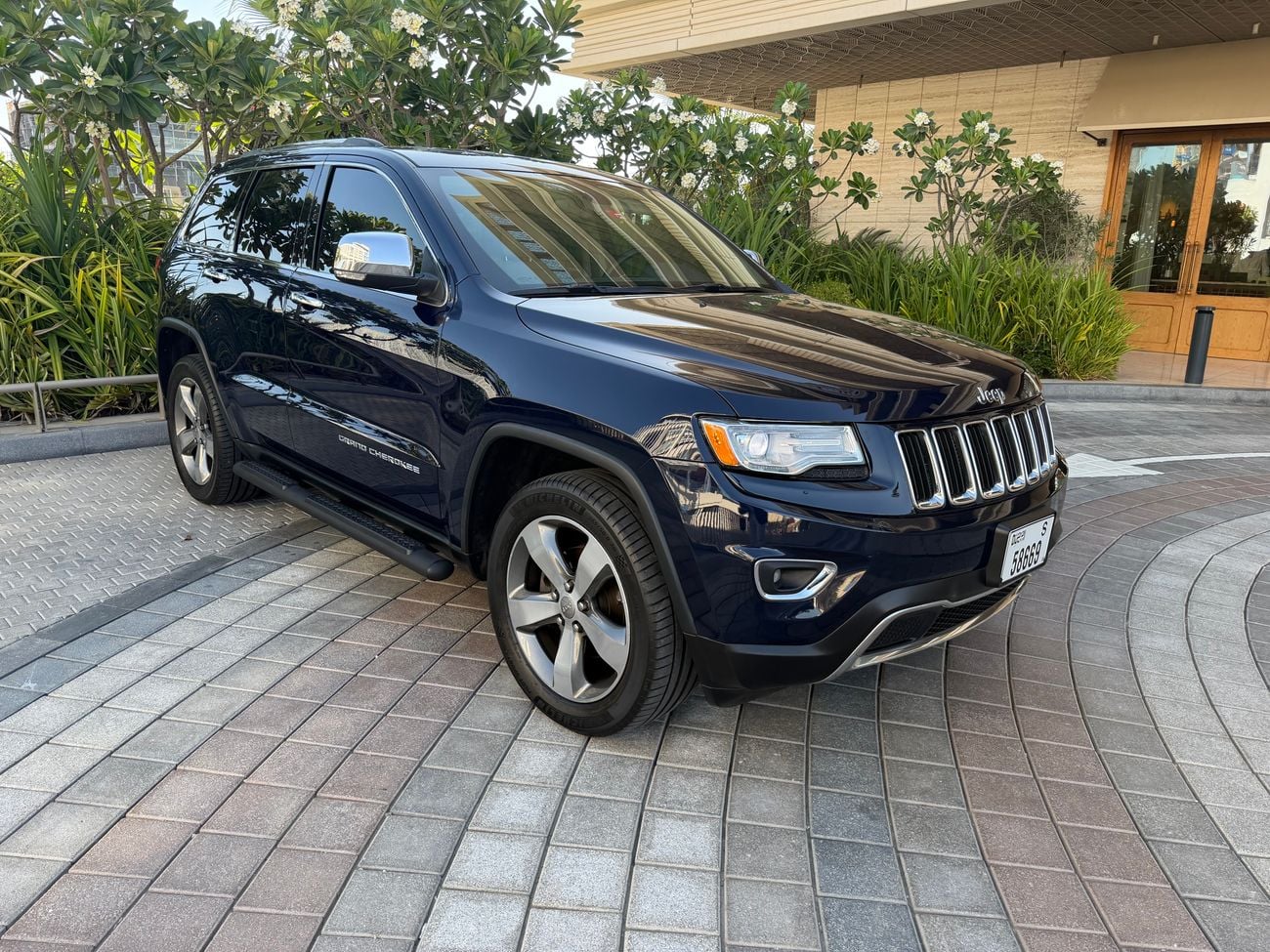
Insuring a 2015 Jeep Grand Cherokee involves navigating several persistent misconceptions about vehicle age, trim levels, and accident repair costs. Common myths include the ideas that older midsize SUVs are invariably cheap to insure, that high-end trims like the SRT or Summit require specialized policies, and that comprehensive coverage is automatically unnecessary once a vehicle passes a certain age. Understanding how insurance carriers actually evaluate this specific model year helps vehicle owners secure appropriate protection while avoiding overpriced or redundant policy add-ons.
Understanding the 2015 Jeep Grand Cherokee Insurance Landscape
The 2015 Jeep Grand Cherokee occupies a distinct space in the used vehicle market. As a midsize sport utility vehicle (SUV) with a production run well behind current model years, it presents insurance underwriters with a specific profile. Underwriters look at historical safety ratings, theft rates, the availability and cost of replacement parts, and typical driver demographics.
When shopping for or reviewing a policy for this vehicle, vehicle owners often encounter general advice that fails to capture the nuances of insuring a midsize SUV. Insurance pricing is calculated using actuarial tables that weigh the driver's history, geographic location, and vehicle-specific data. Because the Grand Cherokee was manufactured across numerous trim levels—ranging from the base Laredo and mid-tier Limited to the off-road-focused Overland and Trailhawk, up to the high-performance SRT—treating the vehicle as a monolith leads to significant pricing and coverage errors.
Below is an examination of three widespread myths concerning auto insurance for this specific vehicle, along with the operational realities that debunk them.
Myth 1: Older SUVs Always Cost Less to Insure Because They Have Depreciated
One of the most pervasive misconceptions in auto insurance is that as a vehicle ages, its insurance costs drop uniformly across every coverage type. While it is true that physical damage coverage (collision and comprehensive) generally decreases as a car loses market value, this rule does not apply evenly to every vehicle class, particularly midsize SUVs like the 2015 Jeep Grand Cherokee.
The Reality of Replacement Parts and Repair Costs
The physical depreciation of a vehicle reduces its actual cash value (ACV), which directly impacts the maximum payout an insurer would make in a total loss. Consequently, the cost for collision and comprehensive coverages often declines over time. However, liability coverage—which pays for bodily injury and property damage you may cause to others—does not depend on the value of your vehicle. Instead, it depends on the damage your vehicle can inflict on others and the statistical claims history of drivers of that vehicle.
Furthermore, the 2015 Jeep Grand Cherokee is equipped with complex electronics, unibody construction, and, depending on the trim, advanced four-wheel-drive systems or high-performance V8 engines. Repairing a modern SUV often requires specialized diagnostic equipment, calibrated safety sensors, and expensive OEM (Original Equipment Manufacturer) parts. Even as the market value of a 2015 model stabilizes at a lower threshold, labor rates and parts availability do not decrease at the same rate. Insurers factor these repair overheads into their comprehensive and collision rating tiers, meaning rates can remain steady or even climb due to regional increases in body shop labor and material costs.
Driver Demographics and Safety Records
Insurance rates are heavily influenced by who drives the vehicle. The Jeep Grand Cherokee is a popular vehicle for a diverse range of drivers, including families, commuters, and younger secondary drivers purchasing used vehicles as their first cars. Statistical claims frequency for a specific model heavily dictates its base rate. If accident rates or theft rates for midsize SUVs tick upward in a specific rating territory, individual policyholders will see the impact regardless of their vehicle's age.
Myth 2: High-End Trims Like the SRT Require Specialized, Prohibitively Expensive Commercial Policies
The 2015 model year featured a wide spectrum of trims, most notably the high-performance SRT variant, which packed a 6.4-liter HEMI V8 engine producing 475 horsepower. Owners frequently encounter the myth that owning a performance-oriented SUV requires a specialized or commercial-grade insurance policy, or that standard personal auto insurers will outright deny coverage.
Standard Personal Auto Eligibility
For private passenger use—commuting, running errands, and personal travel—a standard personal auto insurance policy is entirely sufficient, even for high-horsepower trims like the SRT or luxury-focused trims like the Summit. Insurers do not classify the 2015 Jeep Grand Cherokee SRT as a commercial vehicle simply because of its engine displacement or track-inspired capabilities.
However, underwriting criteria do change significantly based on the trim level:
- Laredo and Limited: Generally fall into standard, moderate insurance rating groups due to standard V6 or optional eco-diesel/V8 engines and standard safety equipment.
- Overland and Summit: Feature higher levels of luxury technology, premium audio systems, and advanced driver-assistance features, which can marginally increase comprehensive coverage costs due to replacement expenses.
- SRT: Classified as a high-performance vehicle. Insurers will apply higher rating factors due to the vehicle's acceleration capabilities, speed potential, and the historically higher average cost of claims associated with sports utility vehicles driven aggressively.
Managing High-Performance Insurance Premiums
While a standard policy covers an SRT, the premiums will reflect the statistical risk profile of a high-performance vehicle. Drivers looking to manage these costs effectively should maintain a clean driving record, bundle policies (such as combining auto and homeowners insurance), and leverage available telematics programs that monitor driving habits to secure safe-driver discounts.
| Jeep Grand Cherokee Trim (2015) | Primary Engine Options | Typical Insurance Rating Impact | Key Underwriting Considerations |
|---|---|---|---|
| Laredo | 3.6L V6, 3.0L V6 EcoDiesel | Baseline (Moderate) | Standard safety features; common repair parts availability. |
| Limited | 3.6L V6, 5.7L V8, 3.0L V6 EcoDiesel | Moderate | Additional comfort amenities; balanced family and commuter profile. |
| Overland / Summit | 3.6L V6, 5.7L V8, 3.0L V6 EcoDiesel | Moderate to High | Luxury electronics, panoramic sunroofs, and advanced safety sensors increase comprehensive repair costs. |
| SRT | 6.4L HEMI V8 | High | High horsepower, specialized braking and suspension components, elevated performance-risk statistical profile. |
Myth 3: Comprehensive and Collision Coverage Should Always Be Dropped on a 2015 Vehicle
A common piece of financial advice suggests that once a vehicle reaches a certain age or drops below a specific market value, the owner should immediately drop collision and comprehensive coverages to save money on monthly premiums. Applying this blanket rule to a 2015 Jeep Grand Cherokee can be a costly mistake.
The "10 Percent Rule" and Its Limitations
Many financial guides reference the rule of thumb that if your annual comprehensive and collision premiums exceed 10% of the car's total actual cash value, you should drop those coverages. While this offers a helpful mathematical starting point, it ignores critical personal financial variables:
- Replacement Capacity: If your vehicle is totaled in an accident, do you have the liquid savings to purchase a reliable replacement vehicle outright? If not, eliminating physical damage coverage leaves you without transportation and without financial recourse.
- Loan or Lease Status: If you are still financing or leasing the vehicle—or if you took out a used car loan to purchase it—your lender will contractually require you to maintain both collision and comprehensive coverages regardless of the vehicle's age.
- Local Environmental Risks: Comprehensive coverage protects against non-collision events such as hail, floods, animal strikes (very common with SUVs driven in rural or suburban fringe areas), vandalism, and theft. If you live in an area prone to severe weather or high vehicle theft rates, dropping comprehensive coverage carries an outsized risk.
Evaluating Actual Cash Value vs. Premium Costs
Before removing collision or comprehensive coverages from a 2015 Jeep Grand Cherokee, check current market valuations for your exact mileage, condition, and trim level. If the vehicle holds a respectable market value and you rely on it daily, keeping physical damage coverage with a higher deductible (such as $500 or $1,000) often provides the ideal balance between lowering monthly premium costs and protecting against catastrophic financial loss.
Frequently Asked Questions
Does the 4WD system on a 2015 Jeep Grand Cherokee affect insurance rates?
Yes, but usually indirectly. Four-wheel-drive (4WD) or all-wheel-drive (AWD) systems improve traction in adverse weather, which can reduce the statistical likelihood of certain types of slip-and-slide accidents. However, 4WD systems also add mechanical complexity and expensive components to the drivetrain. Insurers evaluate the net safety record of the vehicle model as a whole rather than isolating the drivetrain for a standalone discount, though trim selection dictates the baseline parts cost factored into comprehensive coverage.
Are older diesel engines (3.0L EcoDiesel) more expensive to insure?
The engine choice—whether the 3.6L Pentastar V6, the 5.7L HEMI V8, or the 3.0L EcoDiesel V6—does not dramatically shift standard liability rates. However, specialized engines like the EcoDiesel or the high-output SRT V8 can influence comprehensive and collision pricing because replacement engines and specialized emission or performance components are more expensive for repair facilities to source and install.
How can I lower my insurance premium for a 2015 Jeep Grand Cherokee without cutting coverage?
To reduce costs while maintaining robust protection, review your deductibles. Raising your collision and comprehensive deductibles from $250 to $500 or $1,000 typically yields noticeable premium savings. Additionally, inquire about bundling options, low-mileage discounts if you work from home or commute short distances, and enrollment in insurer-approved telematics programs that track safe driving habits.
Is gap insurance necessary for a 2015 Jeep Grand Cherokee?
Gap insurance covers the difference between what you owe on an auto loan and the vehicle's actual cash value if it is totaled or stolen. Because a 2015 model is well past its initial depreciation curve, gap insurance is generally unnecessary unless you secured a loan with a high principal balance, a minimal down payment, or a long financing term relative to the car's current market value.
Practical Next Actions for Vehicle Owners
Reviewing your current auto insurance declarations page against the actual market value and trim specifications of your 2015 Jeep Grand Cherokee ensures you are neither overpaying for redundant coverage nor exposing yourself to unexpected out-of-pocket repair bills.
- Verify Your Trim Details: Confirm that your insurer has correctly listed your specific trim level (Laredo, Limited, Overland, Summit, or SRT), as misclassifications can lead to inaccurate premium calculations.
- Assess Your Deductibles and Coverage: Calculate whether your current physical damage premiums make sense relative to your vehicle's current market value and your personal savings cushion.
- Shop and Compare Quotes: Insurance rates fluctuate across providers based on changing underwriting models. Obtain quotes from multiple carriers to ensure your premium reflects competitive market rates for your specific driver profile and vehicle.