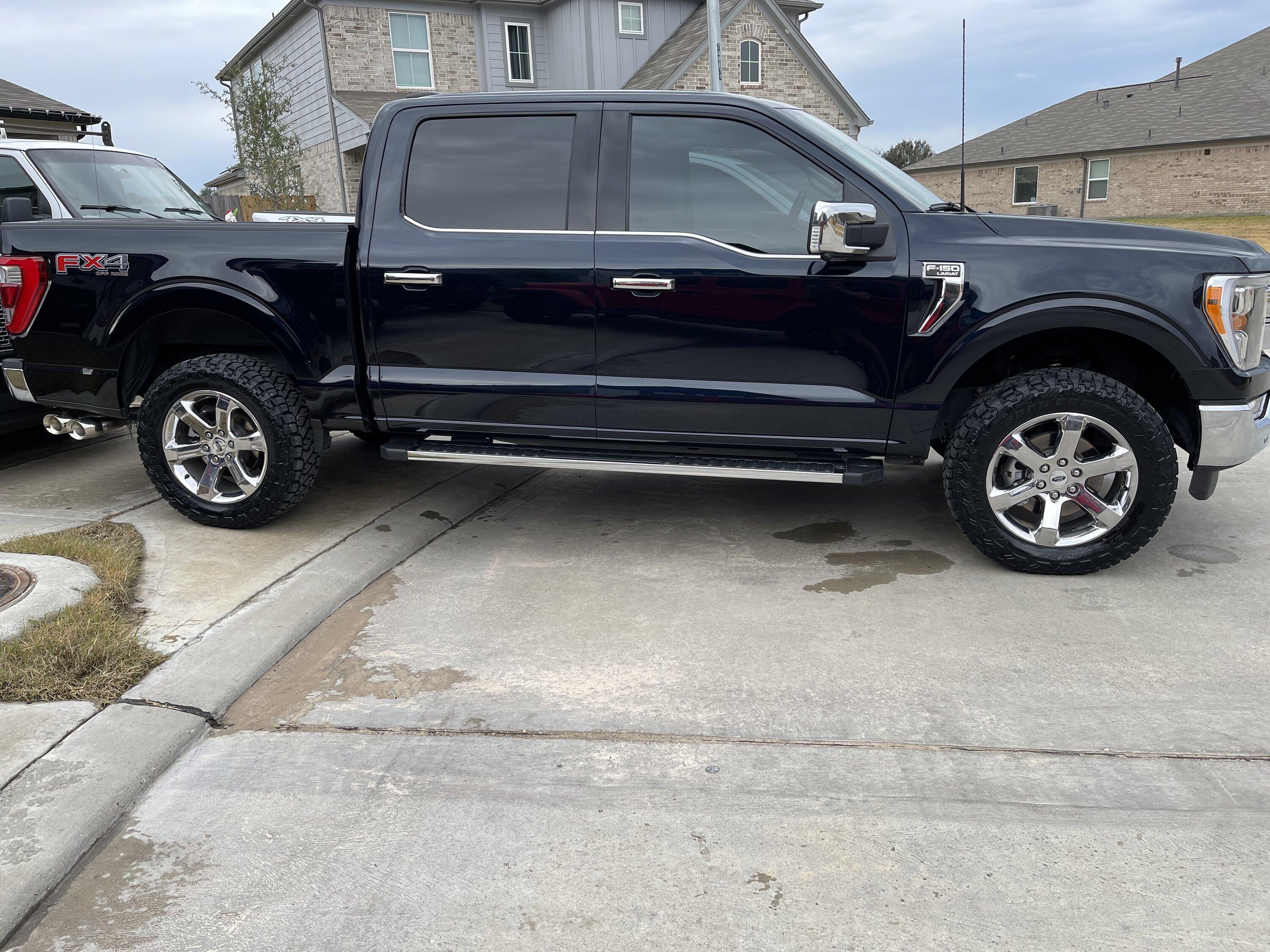
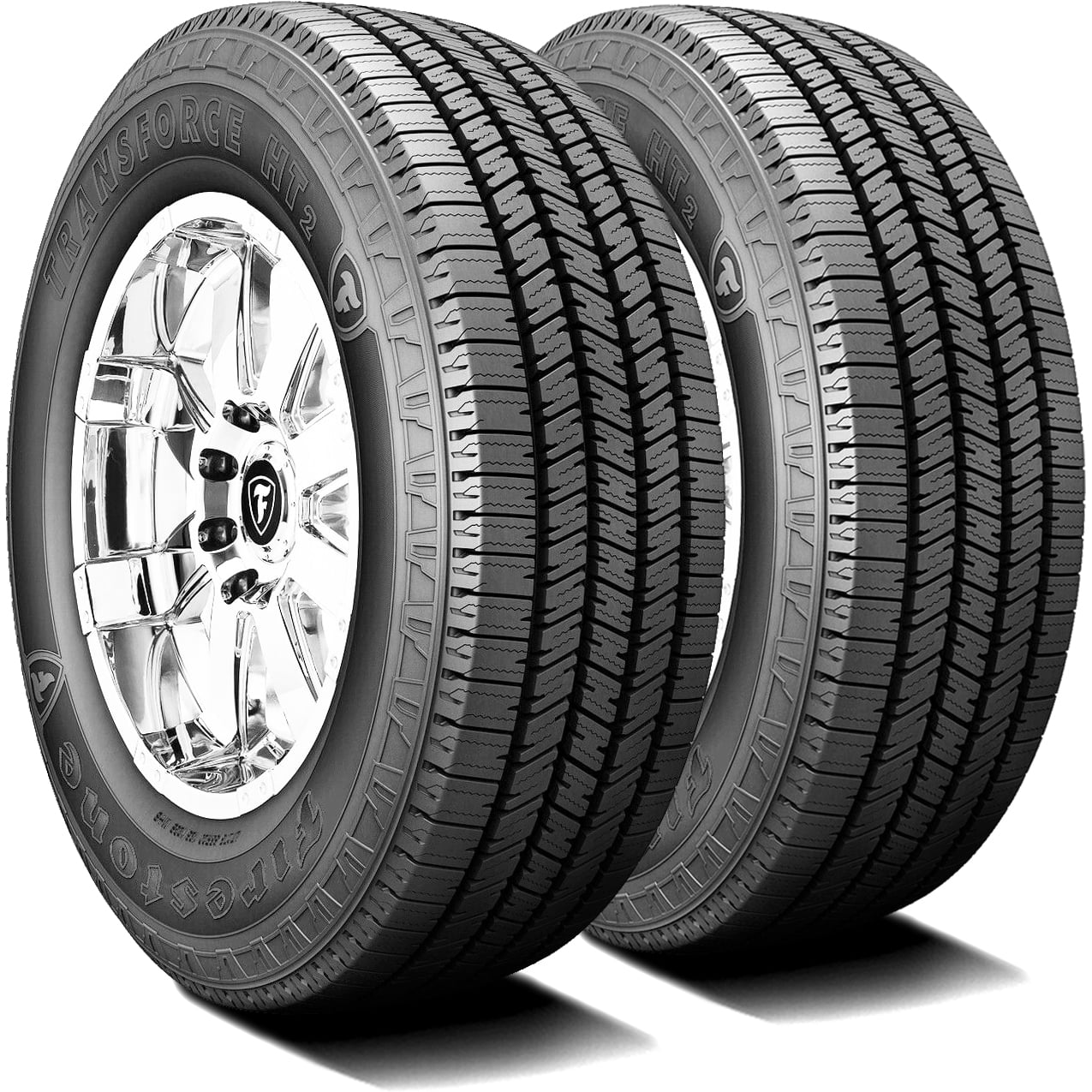
Fitting 275/65R20 tires on a Ford F-150 is a popular upgrade that provides a taller, more aggressive stance, measuring approximately 34.1 inches in diameter. While most 4WD F-150 models require a 2-inch leveling kit to prevent rubbing during full-lock turns, this size offers significantly improved ground clearance and towing stability.
Understanding the 275/65R20 Specification for Ford Trucks
Choosing the right tire size for a Ford F-150 involves more than just selecting a look; it requires a technical understanding of how dimensions affect vehicle dynamics. The 275/65R20 designation is a metric measurement that translates to specific physical properties. The "275" represents the section width in millimeters (approximately 10.8 inches). The "65" is the aspect ratio, indicating that the sidewall height is 65% of the width. The "R20" denotes a radial construction designed for a 20-inch wheel.
In the context of the F-150, this size is often referred to as a "34-inch tire." Standard factory 20-inch tires on an F-150 are typically 275/55R20, which stand about 31.9 inches tall. Moving to a 275/65R20 adds roughly 2.2 inches to the total height of the tire. This increase in diameter effectively raises the truck's differential and axles by about 1.1 inches from the ground, providing better clearance for off-road obstacles and a more commanding view of the road.
As of 2026, many owners prefer this size because it maintains the factory width (275mm), which keeps the tires tucked within the wheel wells. This prevents the "poking" look common with wider 12.5-inch tires and reduces the amount of road debris and mud flung onto the side of the truck’s body panels.
Fitment Requirements and Clearance Challenges
One of the most frequent questions regarding 275/65R20 tires on an F-150 is whether they will fit without modifications. For the 2015 through 2026 model years, the answer depends largely on the drivetrain and the presence of "crash bars"—the structural safety members located inside the wheel wells.
4WD vs. 2WD Fitment
On a stock 4WD F-150, a 275/65R20 tire is physically large enough to cause minor rubbing on the front wheel well liners or the crash bars when the steering wheel is turned to full lock. While some owners of 2021–2026 models report being able to run this size on stock suspension with only minor plastic trimming, the industry standard recommendation is a 2-inch leveling kit. A leveling kit raises the front of the truck to match the height of the rear, creating enough vertical space in the wheel arch to accommodate the 34.1-inch diameter during suspension compression.
For 2WD (RWD) models, a leveling kit is mandatory. The 2WD F-150 sits lower from the factory, and without a minimum 2.5-inch lift or leveling spacers, the 275/65R20 will likely cause significant interference with the fender flares and internal components.
Offset and Backspacing
If you are mounting these tires on factory Ford 20-inch wheels, the +44mm offset helps keep the tire centered. However, if you move to aftermarket wheels with a lower offset (such as +18mm or 0mm), the tire is pushed outward. This "scrub radius" change makes it much more likely that the 275/65R20 tire will strike the crash bars. When choosing this tire size in 2026, staying with high-offset wheels is the safest way to ensure a rub-free experience.
Performance and Mechanical Impacts
Stepping up to a 275/65R20 tire involves more than just a change in appearance; it alters the mechanical leverage of the vehicle.
Speedometer and Odometer Accuracy
Because the 275/65R20 is roughly 7% larger in circumference than the stock 275/55R20, your speedometer will read slower than your actual speed. For example, when your speedometer shows 60 mph, you are likely traveling closer to 64 mph. This discrepancy also affects the odometer, which will record fewer miles than actually traveled. To correct this, owners in 2026 typically use electronic calibration tools or software like FORScan to update the tire circumference in the truck's Engine Control Module (ECM).
Fuel Economy and Gearing
Larger tires are heavier. A typical 275/65R20 tire in an LT (Light Truck) rating weighs between 55 and 62 pounds, compared to the 40-45 pounds of a factory P-metric tire. The increased rolling resistance and weight—combined with the taller effective gear ratio—usually result in a loss of 1 to 2 miles per gallon (MPG).
If your F-150 is equipped with the 3.31 rear axle ratio, the truck may feel more sluggish, especially when merging onto highways or towing. The 3.55 or 3.73 gear ratios are much better suited for the 34-inch diameter of the 275/65R20, as they help the engine stay within its optimal power band despite the larger tire.
Transmission Shift Points
With the Ford 10-speed automatic transmission, larger tires can sometimes cause "gear hunting" or hesitant downshifts. Calibrating the tire size as mentioned above helps the transmission computer understand the new load parameters, smoothing out shift points and preserving the longevity of the clutches.
Load Ratings and Ride Quality
Most tires available in the 275/65R20 size are Load Range E (10-ply equivalent). This is a significant departure from the standard "Passenger" (P-metric) tires that come on many F-150 trims.
The Benefits of Load Range E
- Towing Stability: The stiffer sidewalls of a Load Range E tire reduce "sidewall squirm" when hauling heavy trailers or carrying a bed full of payload.
- Puncture Resistance: These tires are designed for heavy-duty use and off-road environments, making them far less susceptible to sharp rocks or construction debris.
- Longevity: LT tires often feature deeper tread depths (often 15/32" to 18/32"), which can lead to a longer service life if rotated regularly.
The Trade-offs in Comfort
The trade-off for this durability is a firmer ride. Because the sidewalls are stiffer, they do not absorb small road imperfections as well as P-metric tires. To maintain a comfortable ride in an F-150, it is crucial to manage tire pressure. While the max PSI on the sidewall might be 80 PSI, running them at 40–45 PSI for daily unladen driving is usually recommended to prevent a "bouncy" or harsh feel.
Popular Tire Models for 2026
By 2026, several tire models have established themselves as the gold standard for the F-150 in the 275/65R20 size. Below is a comparison of the top-performing options based on current market data and technical specifications.
| Tire Model | Category | Tread Life (Est.) | Primary Strength |
|---|---|---|---|
| BFGoodrich All-Terrain T/A KO3 | All-Terrain | 50,000 Miles | Off-road durability and snow performance |
| Michelin Defender LTX Platinum | Highway All-Season | 70,000 Miles | Best-in-class comfort and longevity |
| Falken Wildpeak A/T4W | All-Terrain | 60,000 Miles | Balanced wet traction and aggressive looks |
| Goodyear Wrangler Territory AT | Hybrid/AT | 50,000 Miles | Lightweight design for better MPG |
| Toyo Open Country M/T | Mud-Terrain | 40,000 Miles | Maximum traction in deep mud/dirt |
BFGoodrich KO3
The KO3, which succeeded the legendary KO2, remains a top choice for F-150 owners seeking a rugged aesthetic without sacrificing too much on-road manners. In the 275/65R20 size, it carries the Three-Peak Mountain Snowflake (3PMSF) rating, making it a legal and capable winter tire.
Michelin Defender LTX Platinum
For the F-150 owner who spends 99% of their time on the pavement and prioritizes a quiet cabin, the Defender LTX Platinum is the premier choice. It offers the lowest rolling resistance in this size category, helping to mitigate the MPG loss associated with larger tires.
Falken Wildpeak A/T4W
The A/T4W has gained significant traction by 2026 due to its heat-dissipation technology and excellent performance in wet conditions. It is often slightly heavier than the BFGoodrich but offers a more consistent tread wear pattern on heavier half-ton trucks.
Installation and Maintenance Best Practices
When transitioning to 275/65R20 tires, following specific maintenance protocols ensures safety and maximizes your investment.
- Wheel Alignment: Immediately after installing larger tires and a leveling kit, a professional four-wheel alignment is mandatory. Lifting the front end changes the toe and camber settings, which can destroy a new set of tires in less than 5,000 miles if not corrected.
- TPMS Calibration: The Tire Pressure Monitoring System (TPMS) in the F-150 is calibrated for the factory door-placard pressure (usually 35 PSI). If you run your LT-rated 275/65R20 tires at 45 PSI, you may need to adjust the TPMS threshold using a diagnostic tool so the warning light does not stay illuminated.
- Rotation Schedule: Due to the weight and aggressive tread patterns of these tires, they should be rotated every 5,000 miles. Cross-rotating (moving the rear tires to the opposite front sides) helps prevent "cupping" or "feathering," which can cause excessive road noise.
- Spare Tire Considerations: A factory spare tire is usually much smaller than a 34.1-inch 275/65R20. Driving with mismatched tire diameters can damage the F-150’s electronic locking differential or the 4WD system. If you upgrade to this size, consider purchasing a matching 275/65R20 for your spare, though you must verify it will fit in the under-bed winch location.
Frequently Asked Questions
Can I run 275/65R20 tires on a stock F-150 without a level?
On 4WD models, it is possible but tight. You may experience rubbing on the front crash bars at full steering lock or when the suspension is compressed (such as entering a driveway). A 1.5-inch or 2-inch leveling kit is highly recommended to provide adequate clearance for all driving conditions.
How much will my gas mileage drop with 275/65R20 tires?
Most F-150 owners report a drop of 1 to 2 MPG. This is due to the increased weight of the LT-rated tires (heavier rotating mass) and the increased aerodynamic drag of the taller truck. Models with the 3.5L EcoBoost or 5.0L V8 tend to handle the size better than the 2.7L EcoBoost in terms of perceived power loss.
Is the 275/65R20 size the same as a 35-inch tire?
No. A 275/65R20 is approximately 34.1 inches tall. A true "35-inch" tire (like a 35x12.50R20) is both taller and much wider. The 275/65R20 is often called a "34-inch" tire and is much easier to fit on an F-150 than a true 35-inch tire, which almost always requires significant trimming of the crash bars.
Do I need new wheels for this tire size?
No, the 275/65R20 fits perfectly on factory Ford 20-inch wheels. These wheels are typically 8.5 inches wide, which is within the manufacturer-recommended rim width range (7.5 to 9.5 inches) for this specific tire size.
Will this tire size void my Ford warranty?
Generally, no. Under the Magnuson-Moss Warranty Act, a dealer cannot void your entire warranty because of larger tires. However, if a failure occurs in a related component—such as a wheel bearing, CV axle, or steering rack—the dealer may claim the oversized tires caused the premature wear and deny coverage for that specific repair.
Final Recommendation for F-150 Owners
The 275/65R20 is perhaps the most "sensible" upsize for a Ford F-150 owner in 2026. It provides the sought-after "leveled and tired" look without the extreme clearance issues and heavy fuel penalties of wider 35-inch tires.
For the best experience, pair these tires with a high-quality 2-inch leveling kit (such as those from Bilstein or Fox) and use an electronic calibrator to correct your speedometer. If you prioritize highway comfort and longevity, the Michelin Defender LTX Platinum is your best bet. If you want a truck that is ready for weekend trails and snowy winters, the BFGoodrich KO3 remains the industry benchmark for this fitment.