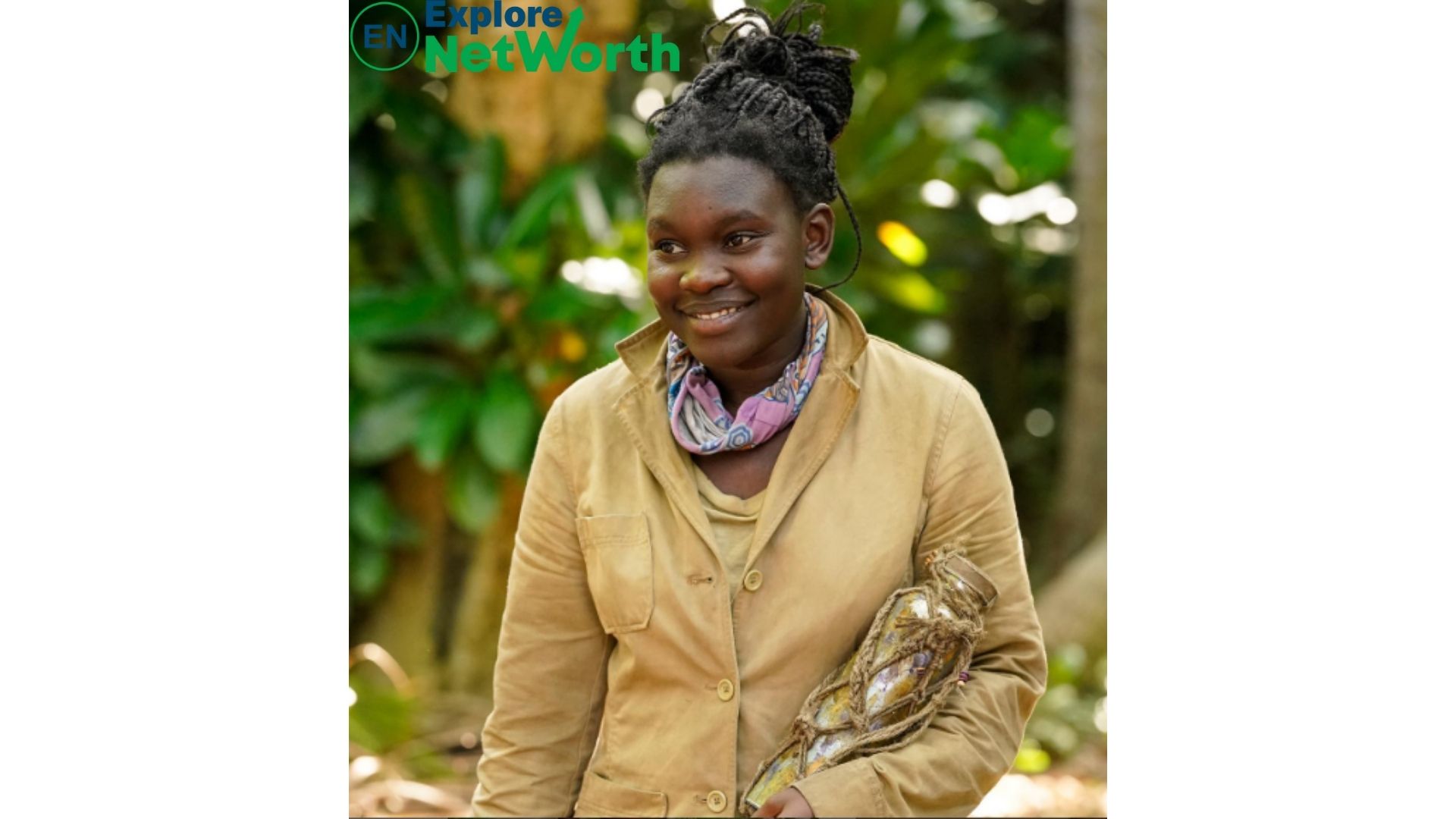
Maryanne Oketch, a 24-year-old seminary student from Ajax, Ontario, secured the title of Sole Survivor in the 42nd season of the long-running CBS reality competition series Survivor. Her victory was marked by a masterful "social-first" gameplay approach, a hidden immunity idol play that shifted the game's momentum, and a highly persuasive final tribal council performance that captivated the jury.
The journey of Maryanne Oketch on Survivor 42 serves as a quintessential case study in modern competitive reality television strategy. While the show is often remembered for grand physical feats or dramatic blindside betrayals, Oketch’s win highlighted a shift in how the game is played in the "new era." Her victory was not merely a matter of luck but the result of calculated risk-taking, deliberate social integration, and the ability to articulate her strategic value to a jury that was, at the time, notoriously difficult to impress.
Understanding the Context of Survivor 42
Survivor 42 was filmed in the Mamanuca Islands of Fiji, a location that has served as the show’s permanent home for many years due to its reliable climate and established production infrastructure. This season was part of the "new era" of Survivor, characterized by a shortened 26-day timeframe (down from the traditional 39 days), reduced rations, and a higher density of hidden advantages and idols.
For a 24-year-old competitor, the environment presented significant challenges. The physical toll of the game, combined with the psychological pressure of living in isolation with strangers, often leads to burnout. Oketch’s background as a seminary student provided her with a unique perspective on human behavior and patience—attributes that proved vital when navigating the complex social dynamics of the Taku and Kula Kula tribes.
The Evolution of the Social Game
In previous iterations of Survivor, contestants often focused on rigid alliances, frequently referred to as "voting blocks." By Survivor 42, the game had become more fluid. Players were expected to maintain multiple channels of communication to ensure they were never the primary target.
Oketch’s social strategy was built on being underestimated. By presenting herself as an energetic and sometimes chaotic presence, she lowered the guard of her competitors. This "lamb-to-lion" transformation is a classic archetype, but Oketch executed it with a specific nuance: she remained authentic. She did not create a fake persona; rather, she weaponized her genuine personality to ensure her threat level remained low during the pre-merge phase of the game.
The Strategic Value of the Idol Play
One of the defining moments of the season occurred when Oketch chose to play her hidden immunity idol for herself at the Final Five. Historically, playing an idol is a high-stakes gamble; if played incorrectly, the advantage is wasted, and the player loses their primary safety net.
Oketch’s decision was calculated based on her reading of the tribal council atmosphere. By using the idol, she effectively neutralized the votes against her and forced the minority alliance to scramble, leading to the elimination of Omar Zaheer—a move that many analysts consider the turning point of the game. This move demonstrated that she had evolved from a passive participant to a player in full command of the game's mechanics.
Comparing Survivor Winner Archetypes
To understand where Oketch fits in the history of the show, it is helpful to compare her gameplay to various established winner archetypes.
| Archetype | Characteristics | Oketch’s Application |
|---|---|---|
| The Physical Threat | Dominates challenges | Minimal (focused on social) |
| The Strategist | Orchestrates every vote | Strategic opportunist |
| The Social Butterfly | Well-liked by everyone | Highly effective integrator |
| The Wildcard | Unpredictable gameplay | Calculated unpredictability |
As the table illustrates, Oketch leaned heavily into the "Social Butterfly" and "Wildcard" roles. Unlike past winners who might focus on winning individual immunity challenges, Oketch realized early that in a condensed 26-day game, being the person everyone wants to be around is often more valuable than being the person who can balance on a beam for three hours.
The Final Tribal Council: Securing the Win
The Final Tribal Council is often where the game is won or lost. In Survivor 42, the jury was composed of former competitors who had been eliminated for their own tactical missteps. They were looking for a winner who could explain the "why" behind their moves.
Oketch’s performance was widely lauded for its honesty and clarity. She was able to break down the timeline of her game, explaining how each social interaction served a larger purpose. She owned her move to eliminate Omar, frame-by-frame, without appearing arrogant. This transparency is key; jurors are often insulted by winners who attempt to lie about their maneuvers. By being vulnerable and assertive, she earned the respect of the jury, eventually securing a 7-1-0 victory against finalists Mike Turner and Romeo Escobar.
Challenges of the "New Era" Strategy
The "New Era" of Survivor introduced several variables that made winning more difficult:
- The Hourglass Twist: This mechanic, which allows a player to reverse the results of an immunity challenge, introduced a layer of randomness that frustrated many veteran viewers and players alike.
- The Knowledge Is Power Advantage: This allowed players to steal idols or advantages from others, forcing contestants to become experts in "advantage hiding" or "advantage bluffing."
- The Shortened Timeline: With only 26 days, there is less time to recover from mistakes. A single wrong conversation can lead to immediate elimination.
Oketch navigated these variables by maintaining a "low threat" profile. By not being the one to aggressively hunt for advantages in the public eye, she avoided the target that often comes with possessing such items.
Impact and Legacy
Maryanne Oketch’s win signaled a shift in the demographic of successful Survivor winners. As a young woman of color in a high-pressure competition, her win provided a roadmap for how to utilize empathy as a strategic asset. Her success inspired future casting cycles, emphasizing contestants who possess high emotional intelligence alongside their strategic capabilities.
Furthermore, her win reinforced the importance of the jury management aspect of the game. Many players lose Survivor because they focus on "big moves" while failing to maintain relationships with the people they are voting out. Oketch ensured that even when she caused a player's exit, she did so in a way that minimized personal animosity.
Frequently Asked Questions
1. How many immunity idols did Maryanne Oketch find? Throughout the season, Oketch discovered and utilized a hidden immunity idol. The management of this idol, particularly the secrecy surrounding her possession of it, was a crucial component of her endgame strategy.
2. Was the Survivor 42 final vote unanimous? No, it was not unanimous. Maryanne Oketch received seven jury votes, while Mike Turner received one. Romeo Escobar received zero votes.
3. Did Maryanne Oketch win any individual immunity challenges? Yes, she won the final individual immunity challenge of the season, which guaranteed her a spot in the final three. This was a critical win, as it effectively removed her from being the target of the final vote.
4. How long was the filming duration for Survivor 42? The filming for Survivor 42 was limited to 26 days, a reduction from the traditional 39-day format that was implemented due to production adjustments following the global pandemic.
5. What was the defining moment of her gameplay? The most frequently cited defining moment was the tribal council where she successfully played her hidden immunity idol to blindside Omar Zaheer, effectively changing the trajectory of the game at the Final Five.
Final Recommendations for Aspiring Players
For those interested in the dynamics of Survivor or similar competition formats, the primary takeaway from Oketch’s performance is the power of the "social pivot." Success in these environments requires one to be a chameleon. One must be able to listen more than they speak, identify the emotional needs of their competitors, and wait for the precise moment to execute a move that serves their own end-game trajectory.
If you are analyzing gameplay, look beyond the screen-time given to dramatic challenges and focus instead on the quiet conversations in the camp. These interactions form the foundation of the alliances that ultimately decide the winner. Maryanne Oketch’s victory remains a masterclass in combining strategic ambition with genuine social intelligence, proving that in Survivor, the most dangerous person is often the one who makes you feel the most comfortable.