For the 2026 tax year, the core reporting requirements for Form 1099-NEC and Form 1099-MISC remain stabilized following previous legislative transitions, though businesses must strictly adhere to current electronic filing thresholds. Contractors and businesses should prioritize accurate TIN verification, correct classification under the IRS common-law rules, and timely submission of information returns to avoid costly penalties.
The landscape of independent contractor reporting has undergone significant shifts in recent years, largely driven by the expansion of the digital economy and the IRS's ongoing efforts to close the "tax gap." As we navigate 2026, the fundamental structure of how businesses report payments to non-employee contractors is firmly established, yet the operational demands on business owners and accounting departments have reached new levels of complexity. Understanding these requirements is essential not only for tax compliance but also for maintaining the integrity of the professional relationship between payers and their contractors.
Understanding the Primary Forms: 1099-NEC vs. 1099-MISC
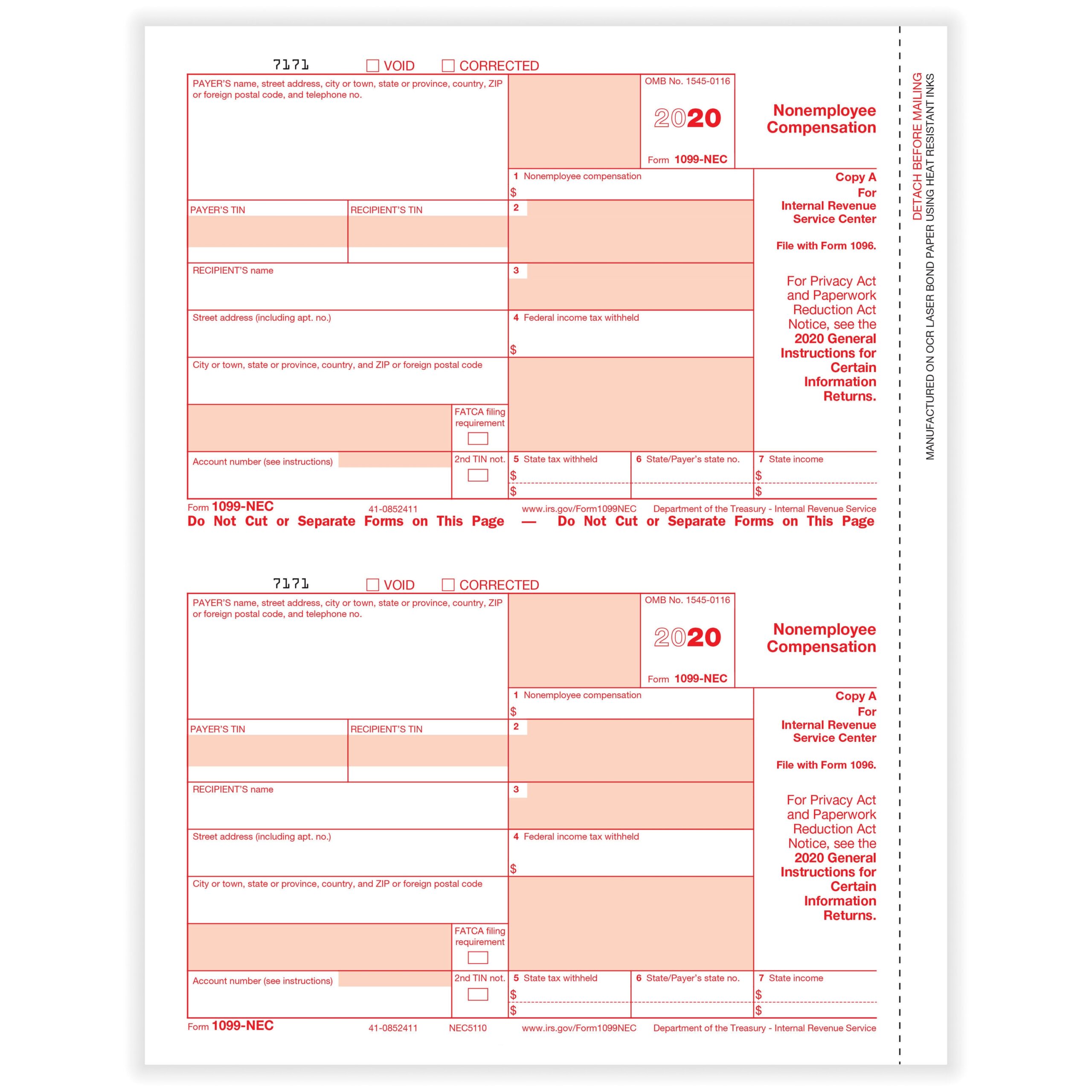
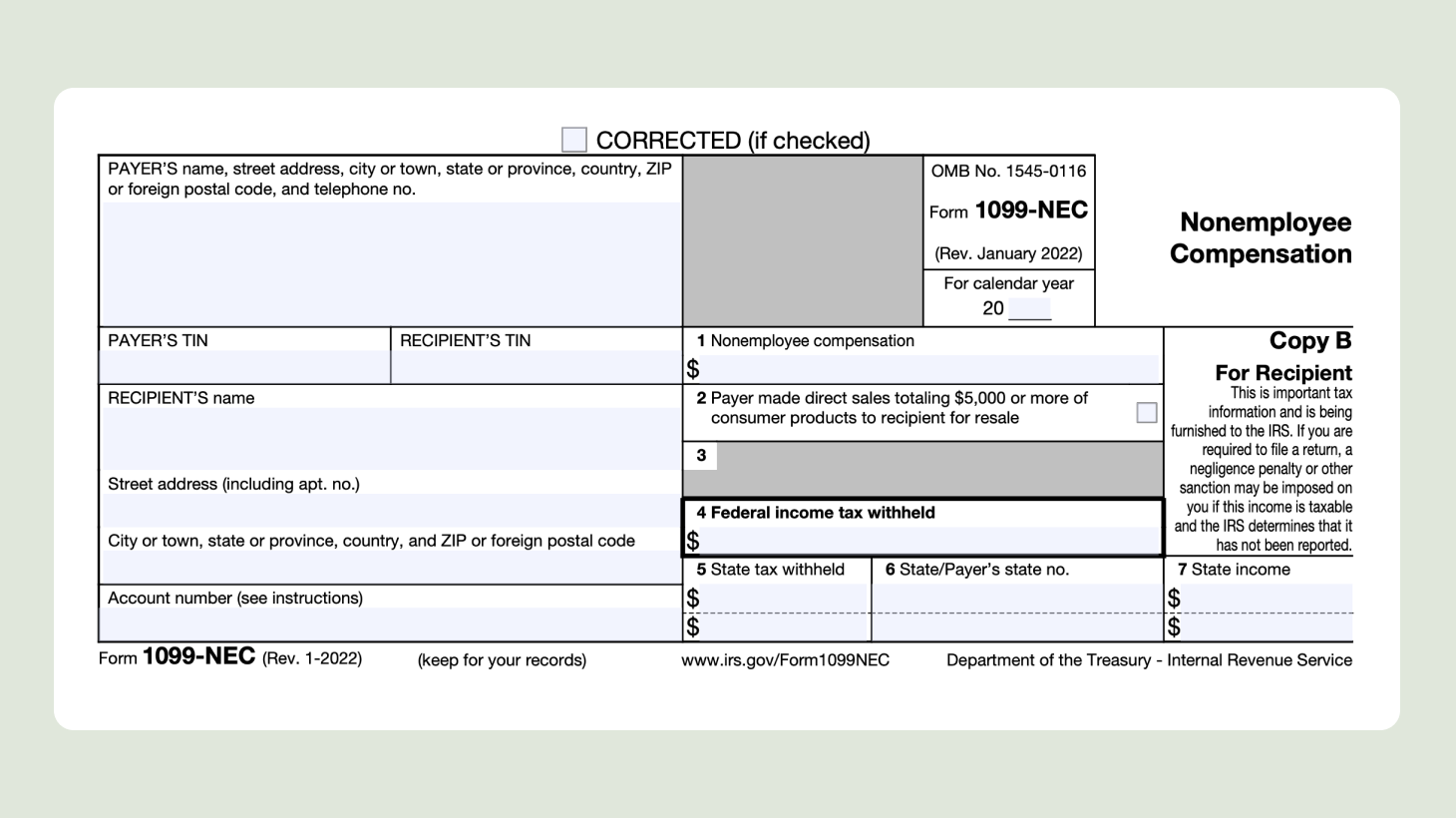
The primary document for reporting payments to independent contractors is Form 1099-NEC (Nonemployee Compensation). This form replaced the older method of using Form 1099-MISC for contractor payments several years ago, effectively separating labor costs from other types of miscellaneous income like rents or legal settlements.
Form 1099-NEC
This form is mandatory for any business that pays $600 or more to an individual or unincorporated entity for services performed in the course of the payer’s trade or business. In 2026, the "trade or business" qualifier remains critical. If you are a personal homeowner hiring a plumber for a residential repair, you are generally not required to file a 1099-NEC. However, if you are a real estate investor or a business entity, that threshold is strictly enforced.
Form 1099-MISC
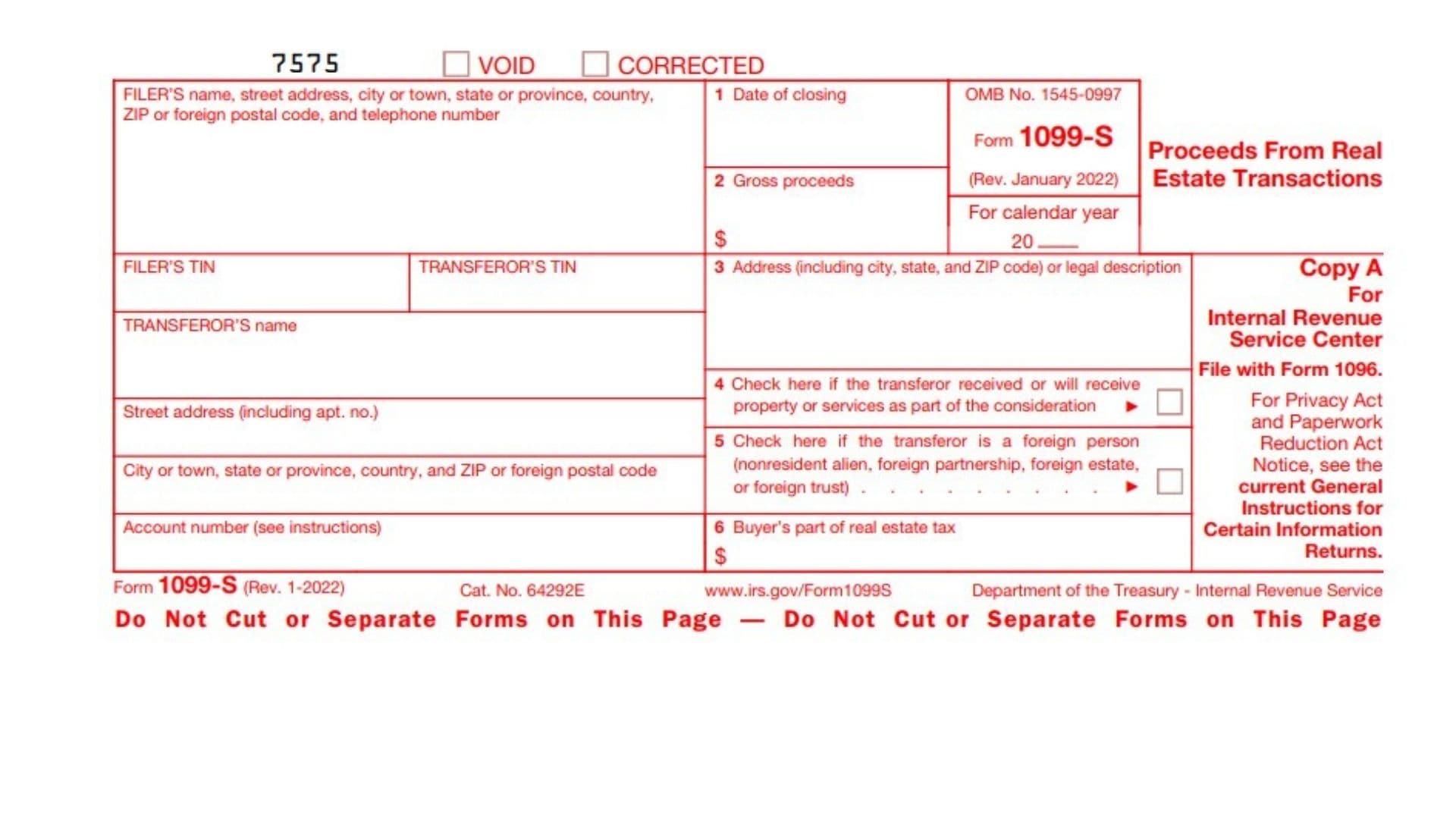
The 1099-MISC remains in circulation for payments that do not qualify as "compensation for services." This includes rent payments, prizes, awards, and certain medical and health care payments. Businesses often mistakenly report contractor payments on the 1099-MISC. The IRS requires the use of the NEC form for labor to ensure that self-employment taxes—which are calculated based on compensation for services—are correctly tracked and processed.
The Electronic Filing Mandate
The most impactful change impacting businesses in 2026 is the broad enforcement of the electronic filing threshold. Under current Treasury regulations, if a business files 10 or more information returns—including all 1099 series forms, W-2s, and others—they are required to file electronically via the IRS Filing Information Returns Electronically (FIRE) system or the newer Information Returns Intake System (IRIS).
For small businesses that previously relied on paper filing, this shift requires a transition to digital record-keeping. The penalty for failing to file electronically when required is significant and is calculated per return, making manual errors or delays increasingly expensive as the penalty amounts are adjusted annually for inflation.
Key Requirements for Electronic Submission
- TIN Verification: You must have the contractor's correct Taxpayer Identification Number (TIN). The best way to ensure this is to have the contractor complete Form W-9 before any payment is issued.
- Software Integration: Most accounting platforms now offer direct integration with the IRIS portal, allowing for seamless transmission of data.
- Deadline Consistency: The deadline for filing Form 1099-NEC with the IRS remains January 31, regardless of whether you file by paper (if applicable) or electronically.
The Importance of Worker Classification
While the form itself is a administrative tool, the underlying classification of the worker remains a point of intense IRS scrutiny in 2026. The distinction between an "independent contractor" and an "employee" is not a matter of contract language or mutual agreement; it is a matter of "economic reality" and "common law" rules.
The IRS evaluates the relationship based on three main categories of evidence:
- Behavioral Control: Does the business have the right to direct and control how the worker does the task, including training and instructions?
- Financial Control: Does the worker have a significant investment in their equipment? Can they realize a profit or loss? Are they paid a flat fee or an hourly wage?
- Relationship Type: Is there a written contract? Are there employee-type benefits, such as insurance or a pension plan? Is the work a key aspect of the business's core operation?
Misclassifying an employee as an independent contractor can lead to significant tax liabilities, including unpaid payroll taxes, interest, and substantial penalties for failure to withhold income tax. In 2026, the IRS continues to use automated systems to cross-reference 1099 filings against reported income, looking for patterns that suggest "disguised employment."
Comparison Table: 1099 Reporting Requirements
The following table summarizes the key distinctions between the forms and requirements for the 2026 tax cycle.
| Feature | Form 1099-NEC | Form 1099-MISC |
|---|---|---|
| Primary Purpose | Compensation for services | Rents, prizes, royalties |
| Reporting Threshold | $600 or more | $600 or more |
| Filing Deadline | January 31 | Feb 28 (paper) / March 31 (e-file) |
| Electronic Threshold | 10+ total returns | 10+ total returns |
| Recipient Copy Due | January 31 | February 15 |
Best Practices for Compliance in 2026
To avoid the administrative burden and potential penalties associated with information reporting, businesses should adopt a "Compliance-First" workflow.
1. Collect Form W-9 Before Disbursement
Never issue a payment to a new contractor without first collecting a signed Form W-9. This form provides the legal name, address, and TIN required for your 1099 filing. If a contractor refuses to provide this, you are technically required to initiate "backup withholding" at a rate of 24%.
2. Audit Your Vendor List Annually
In the fourth quarter of the year, review your "Accounts Payable" for all individuals and LLCs who have received payments throughout the year. Categorize these by the type of service provided. This preemptive audit allows you to identify missing W-9s before the January filing crunch.
3. Utilize IRS Data Matching
The IRS uses the information provided on your 1099 filings to verify the income reported by the contractor on their own tax return. Discrepancies often trigger automated notices. Ensuring that the information on the form matches the contractor’s legal name and TIN exactly as it appears in IRS records is critical.
Common Mistakes to Avoid
Even experienced business owners often encounter issues during the filing season. Awareness of these common pitfalls can save significant time and resources.
- Reporting to Corporations: You are generally not required to issue a 1099-NEC to C-Corporations or S-Corporations (except for specific services like legal fees). The most common mistake is issuing a 1099 to a company that is exempt from receiving one, which clutters the IRS systems and can cause confusion for the recipient.
- The "Net 30" Confusion: The 1099 threshold is based on the amount paid within the calendar year, not the amount billed or the date of service. If you receive an invoice in December 2026 but pay it in January 2027, that payment counts toward the 2027 tax year.
- Late Filing Penalties: The IRS penalty structure for late or incorrect filings is tiered. In 2026, penalties can range from $60 to over $340 per return, depending on how long past the deadline the correction is filed. There is no "grace period" for these filings.
Frequently Asked Questions
Do I need to send a 1099 to an international contractor?
Generally, no. Payments to foreign persons for services performed outside the United States are not subject to Form 1099-NEC reporting. However, you should collect a Form W-8BEN or W-8BEN-E from the contractor to document their foreign status and confirm they are not a U.S. taxpayer.
What happens if I make a mistake on a submitted 1099?
If you realize you have submitted incorrect information, you must file a "Corrected" return as soon as possible. In the electronic filing system, there is a specific indicator for corrected returns. Providing a corrected copy to the contractor is also mandatory.
Is an LLC treated the same as a sole proprietor for 1099 purposes?
It depends on how the LLC is taxed. A Single-Member LLC is typically treated as a "disregarded entity" for tax purposes and should be treated as a sole proprietor (requiring a 1099). If an LLC has elected to be taxed as a Corporation, it is usually exempt. Always rely on the W-9 form provided by the entity to determine its tax classification.
Do I need to file a 1099 for payments made via credit card or PayPal?
The rules for "payment settlement entities" (like PayPal, Venmo, or credit card processors) have specific exemptions. If you pay a contractor via a third-party payment network, the payment processor is generally responsible for issuing the 1099-K to the recipient. You are generally not required to double-report these payments on a 1099-NEC.
How do I handle contractors who won't give me their TIN?
If you cannot obtain a TIN, you are obligated to apply backup withholding to the payments. This means you must withhold 24% of the payment and remit it to the IRS. Most contractors will prioritize providing a W-9 once they understand this requirement.
Recommended Next Steps for Business Owners
As you approach the end of the 2026 fiscal cycle, perform an immediate audit of your contractor payments. Ensure that every independent contractor has a valid, updated Form W-9 on file. If you have exceeded the 10-return threshold, confirm that your accounting software or tax professional is prepared to file via the IRIS system. By treating the 1099 process as a year-round administrative task rather than an end-of-year hurdle, you can minimize compliance risk and ensure that your business remains in good standing with the IRS. For specific legal or tax advice regarding unique business structures, consult with a certified public accountant or tax attorney to ensure your practices align with current federal and state-level guidelines.