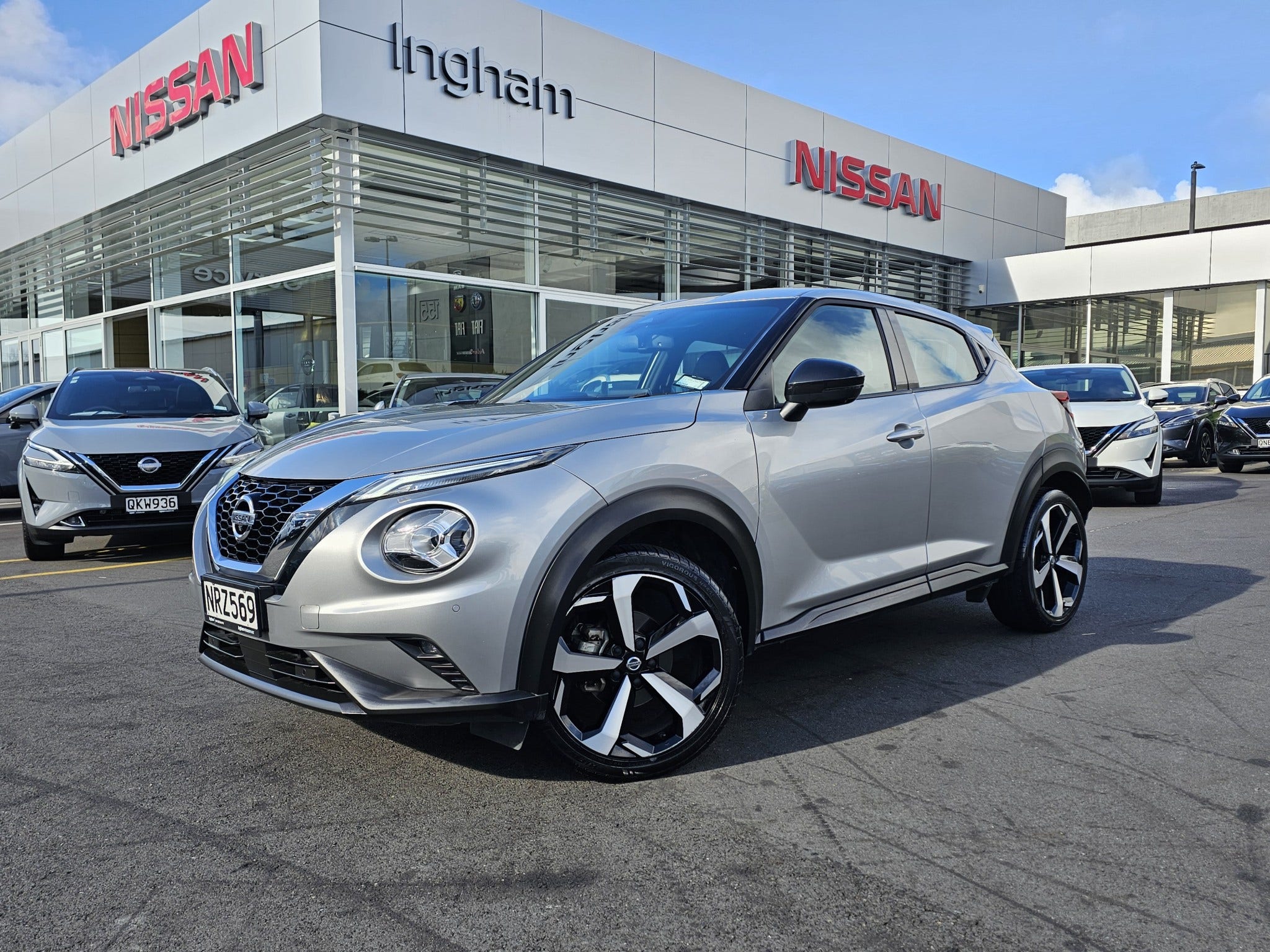
The 2021 Nissan Juke represents a pivotal point in the model’s trajectory, marking the maturity of its second-generation platform (F16) introduced in 2019. By 2021, the vehicle had transitioned from its polarizing, experiment-driven origins into a more refined, technologically advanced subcompact crossover, balancing its signature bold aesthetics with modernized engineering, increased interior space, and improved powertrain efficiency for the global market.
The Genesis of the Juke: A Design Revolution
To understand the 2021 model, one must look back at the original concept. Launched in 2010, the first-generation Juke effectively created the subcompact crossover segment. It was characterized by "bug-eye" headlights, a raked roofline, and a sports-car-inspired interior console. When the second generation arrived in 2019 and progressed into the 2021 model year, Nissan sought to retain the "love-it-or-hate-it" visual impact while addressing the primary criticisms of the original: limited rear-seat legroom and a lack of luggage capacity.
The 2021 Nissan Juke utilized the CMF-B platform, a modular architecture shared with the Renault-Nissan-Mitsubishi Alliance. This shift was transformative. It allowed for a longer wheelbase, which provided a tangible increase in knee room for rear passengers and a cargo area that grew to 422 liters—a significant improvement over the first-generation’s cramped quarters.
Technical Specifications and Powertrain Evolution
The 2021 model year saw a streamlined approach to performance. Unlike the first generation, which offered a variety of naturally aspirated and turbocharged engines including a high-performance NISMO version, the 2021 Juke focused on efficiency and everyday drivability.
The heart of the 2021 Juke is the 1.0-liter DIG-T (Direct Injection Gasoline-Turbo) three-cylinder engine. This powerplant produces approximately 117 PS (115 hp) and 180 Nm of torque. This shift to a smaller, turbocharged engine was part of a broader industry trend toward downsizing to meet tightening emissions regulations without sacrificing the "peppy" feel expected of a vehicle marketed to urban commuters.
Transmission Options
The 2021 model provided two distinct transmission choices:
- 6-Speed Manual: Targeted at enthusiasts who prefer tactile control and a more engaged driving experience.
- 7-Speed DCT (Dual-Clutch Transmission): A significant upgrade over the older CVT (Continuously Variable Transmission) found in some legacy Nissan models. The DCT provides faster gear changes and a more responsive acceleration profile, which is particularly beneficial in stop-and-go traffic.
Interior Technology and Connectivity
By 2021, the Juke had become a digital-first vehicle. The interior design moved away from the motorcycle-inspired plastics of the 2010 model to a more premium "floating" dashboard aesthetic. The centerpiece is the NissanConnect infotainment system, which features an 8-inch touchscreen display.
Key connectivity features that matured by the 2021 model year include:
- Smartphone Integration: Full compatibility with Apple CarPlay and Android Auto, allowing for seamless navigation and media control.
- NissanConnect Services: An integrated app-based system that allows owners to lock/unlock the vehicle, check tire pressure, and track vehicle location remotely.
- Bose Personal Plus Audio: A premium sound system featuring speakers integrated into the driver and front passenger headrests, a hallmark of the Juke’s focus on the "personal" cockpit experience.
Safety Systems: The ProPILOT Integration
Safety was a cornerstone of the 2021 Juke’s market proposition. The vehicle introduced "ProPILOT" technology to the Juke lineup. This is Nissan’s advanced driver-assistance system that provides single-lane autonomous driving capabilities on highways. It maintains speed, distance from the vehicle ahead, and keeps the car centered within the lane.
Additional safety features standard or available in the 2021 model include:
- Intelligent Emergency Braking: Equipped with pedestrian and cyclist recognition.
- Traffic Sign Recognition: Uses cameras to read road signs and relay information to the digital cluster.
- Rear Cross-Traffic Alert: Essential for reversing out of tight urban parking spots.
Comparative Evolution: From 2010 to 2021
The following table summarizes the key structural and technological shifts that define the Juke’s evolution leading up to the 2021 iteration.
| Feature | First Generation (2010–2019) | Second Generation (2019–2021+) |
|---|---|---|
| Platform | Nissan B Platform | CMF-B Architecture |
| Primary Engine | 1.6L Naturally Aspirated/Turbo | 1.0L DIG-T Turbocharged |
| Transmission | CVT or 6-Speed Manual | 7-Speed DCT or 6-Speed Manual |
| Cargo Space | 251 Liters | 422 Liters |
| Infotainment | Basic Display / Limited Apps | 8" Touchscreen w/ Apple CarPlay |
| Safety | Basic ADAS | Full ProPILOT Assist available |
Reliability and Ownership Considerations
For owners and prospective buyers in 2026, the 2021 Juke represents a balanced choice in the used vehicle market. Because the CMF-B platform is widely used across the Renault-Nissan-Mitsubishi alliance, parts availability is generally excellent.
Common maintenance focus areas for the 2021 model include:
- DCT Maintenance: While the 7-speed dual-clutch transmission is superior in performance, it requires disciplined fluid changes per the manufacturer's schedule to prevent premature clutch wear.
- Direct Injection Carbon Buildup: As with most direct-injection engines, using high-quality top-tier fuel is recommended to minimize carbon deposits on intake valves.
- Electronics: Given the high degree of software integration, ensuring the vehicle’s infotainment firmware is updated during dealer service visits is vital for continued compatibility with modern smartphone OS updates.
Addressing Common Questions
How does the 2021 Juke compare to newer models?
The 2021 Juke shares the same fundamental DNA as models produced through 2026. While newer models may have seen minor aesthetic refreshes or software tweaks, the powertrain, interior dimensions, and core safety features remain largely consistent with the 2021 specifications.
Is the 2021 Juke suitable for families?
The 2021 model is a vast improvement for families compared to the 2010–2019 era. While it is still a subcompact, the increased rear-seat room and usable trunk space make it a viable option for small families, provided their cargo needs align with a 422-liter capacity.
What is the fuel economy of the 2021 model?
The 1.0-liter turbocharged engine is optimized for efficiency. In mixed-cycle driving, most owners report between 5.8 and 6.5 liters per 100 kilometers, depending on driving style and whether the DCT or manual transmission is selected.
Can the ProPILOT system be added to a base trim 2021 Juke?
ProPILOT is typically bundled with higher trim levels (such as Tekna or N-Design) and often requires specific hardware installations. It cannot be easily retrofitted to lower trim levels that lack the necessary camera and radar sensor suites.
Is the 2021 Juke considered reliable?
The 2021 Juke has generally received positive marks for reliability, particularly regarding the powertrain. However, as it is a vehicle with significant electronic content, a comprehensive pre-purchase inspection by a qualified technician, focusing on the electrical system and transmission health, is always recommended.
Next Steps for Owners and Buyers
If you are currently evaluating a 2021 Nissan Juke, your priority should be the service history. Verify that the transmission fluid and engine oil have been changed at the intervals specified in the owner's manual. For current owners, ensuring that your NissanConnect software remains updated will guarantee that your vehicle maintains full functionality with current smartphone platforms in 2026. If you find the vehicle's infotainment system lagging, inquire at your local Nissan dealership about potential software patches or hardware updates that may have been released since your vehicle’s production date.
The 2021 Nissan Juke serves as a testament to how the brand successfully transitioned a "niche" experiment into a refined, high-utility subcompact crossover, securing its place in the automotive landscape well into the future.