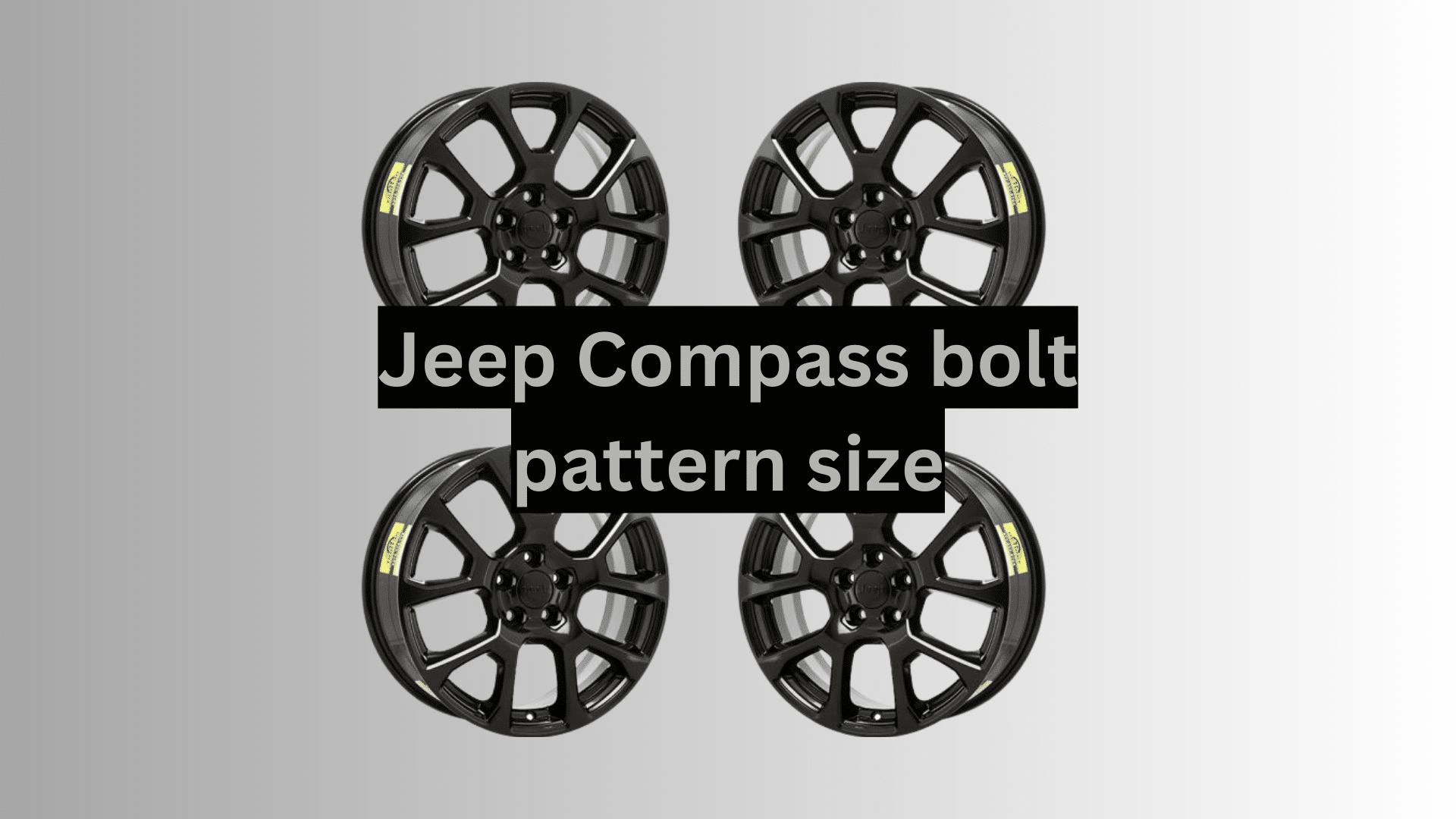
The 2019 Jeep Compass typically comes equipped with one of three primary tire sizes depending on the trim level—Sport, Latitude, Limited, or Trailhawk—with factory-fitted options ranging from 16-inch to 19-inch wheels. Owners must verify their specific sidewall markings, as trim-specific suspension packages and optional wheel upgrades directly dictate the correct tire specifications for safe operation.
Understanding Factory Tire Specifications for the 2019 Jeep Compass
When selecting tires for your 2019 Jeep Compass, you must prioritize the manufacturer’s original equipment (OE) specifications. The Jeep Compass, manufactured under the FCA (now Stellantis) umbrella during the 2019 model year, was engineered with specific handling dynamics, weight distribution, and braking performance in mind. Deviating from these specifications can influence your vehicle’s speedometer accuracy, anti-lock braking system (ABS) functionality, and electronic stability control (ESC) systems.
The tire size is designated by a sequence of numbers and letters found on the tire sidewall, such as 225/60R17. In this example, the first number (225) represents the width of the tire in millimeters, the second number (60) is the aspect ratio (the height of the sidewall as a percentage of the width), and the final letter and number (R17) indicate the tire construction (Radial) and the wheel diameter in inches.
Trim-Specific Tire Configurations
The 2019 model year lineup offered diverse configurations. The Sport and Latitude trims often utilized smaller wheel diameters for increased sidewall height, providing a softer ride, while the Limited and Trailhawk trims favored larger wheels or specialized all-terrain treads.
Below is a breakdown of the common factory-standard tire sizes associated with 2019 Jeep Compass trims:
| Trim Level | Standard Tire Size | Wheel Diameter |
|---|---|---|
| Sport | 215/65R16 | 16 inches |
| Latitude | 225/60R17 | 17 inches |
| Limited | 225/55R18 | 18 inches |
| Trailhawk | 225/60R17 | 17 inches (All-Terrain) |
| Optional Upgrade | 235/45R19 | 19 inches |
Note: Always check the placard located on the driver’s side door jamb. This sticker provides the most accurate information regarding your specific vehicle’s load rating, speed rating, and recommended tire pressure.
The Importance of Load Index and Speed Rating
Beyond the dimensions of width and diameter, two critical factors are often overlooked by owners: the load index and the speed rating. These appear immediately following the tire size (e.g., 99H).
Load Index
The load index represents the weight-carrying capacity of the tire. For the 2019 Jeep Compass, you should never install tires with a lower load index than those specified by the manufacturer. Installing a tire with a lower index can lead to tire failure under load, as the structure is not designed to support the vehicle’s curb weight plus passengers and cargo.
Speed Rating
The speed rating denotes the maximum speed at which a tire can be safely operated over a sustained period. While legal speed limits often stay well below the maximum capabilities of modern tires, the speed rating also acts as an indicator of a tire's handling characteristics and internal construction robustness. Using a tire with a lower speed rating than the vehicle’s original specifications can compromise handling precision and heat dissipation during highway driving.
Seasonal Considerations: All-Season vs. Winter Tires
The 2019 Jeep Compass is often utilized in varying climates, necessitating a choice between all-season and dedicated winter tires.
All-Season Tires
Most Jeep Compass vehicles are delivered from the factory with all-season tires. These tires feature a compound designed to remain flexible in moderate temperatures and a tread pattern capable of handling light rain and occasional light snow. However, "all-season" is often a misnomer; while they provide year-round utility, they are not specialized for severe ice or heavy, packed snow.
Winter Tires
If you reside in an area where temperatures consistently drop below 45°F (7°C), investing in dedicated winter tires is highly recommended. Winter tires are manufactured with a specialized rubber compound that remains soft and pliable in freezing temperatures, allowing the tread to "grip" the road surface. These tires also feature deeper grooves and sipes (small slits in the tread blocks) designed to evacuate slush and snow, which standard all-season tires cannot manage effectively.
Maintenance and Monitoring: Ensuring Longevity
Once you have identified and installed the correct tire size, the maintenance routine becomes the primary factor in determining the life and safety of your tires.
Tire Pressure Monitoring System (TPMS)
The 2019 Jeep Compass is equipped with a direct Tire Pressure Monitoring System. Sensors located inside each wheel monitor the inflation pressure in real-time. If the pressure drops significantly, a warning light will illuminate on the dashboard. Do not ignore this light; underinflated tires increase rolling resistance, which negatively impacts fuel economy and causes the tire to overheat, potentially leading to a blowout.
Periodic Rotation
To ensure even wear, tires should be rotated every 6,000 to 8,000 miles. Because the Jeep Compass, even in 4x4 configurations, places different stresses on the front and rear axles, rotating tires prevents the front tires (which handle the majority of steering and braking forces) from wearing out faster than the rear ones.
Assessing Tread Depth
A simple way to verify if your tires need replacement is the "penny test." Insert a penny into the tire’s tread groove with Lincoln’s head facing down. If you can see the top of Lincoln’s head, your tread is likely below 2/32 of an inch and needs immediate replacement to ensure safe traction on wet surfaces.
Common Mistakes When Replacing Tires
When shopping for tires for your 2019 Jeep Compass, avoid these common pitfalls:
- Changing Wheel Diameter without Recalibration: If you choose to upsize or downsize your wheels, you must ensure the overall diameter of the tire remains close to the original factory specification. Changing this significantly will affect your speedometer reading, odometer accuracy, and shift points in the automatic transmission.
- Mixing Tire Types: Never mix different types of tires (e.g., all-season on the front, winter on the rear). This creates inconsistent traction, which can trigger the electronic stability control system and cause unpredictable handling in emergency situations.
- Ignoring Alignment: If your tires are wearing unevenly (e.g., more on the inner or outer edges), installing new tires without checking the vehicle's alignment will lead to premature failure of the new set as well.
Frequently Asked Questions
Can I install larger tires on my 2019 Jeep Compass for better off-road performance?
Yes, many owners opt for slightly larger tires to increase ground clearance. However, exceeding the factory diameter by more than 3% may cause the tires to rub against the wheel well liner when turning or during suspension compression. Consult with a professional tire shop regarding potential clearance issues before purchasing.
Does the Trailhawk trim require specific tires?
The Trailhawk trim is designed with a more aggressive suspension and is often paired with All-Terrain tires. While you can replace them with standard highway tires, you will lose the specific traction capabilities that define the Trailhawk's off-road performance.
How often should I check my tire pressure?
You should check your tire pressure at least once a month and before any long road trip. Always check the pressure when the tires are "cold," meaning the vehicle has been parked for at least three hours, as driving causes friction that increases tire pressure.
What is the recommended tire pressure for a 2019 Jeep Compass?
The recommended PSI varies by tire size and load. Always refer to the placard inside your driver’s side door jamb. Do not use the maximum PSI number listed on the tire sidewall, as that refers to the tire's maximum capacity, not the vehicle's recommended operating pressure.
Should I replace all four tires at once?
On an All-Wheel Drive (AWD) or 4x4 Jeep Compass, it is highly recommended to replace all four tires simultaneously. Significant differences in tread depth between the front and rear axles can cause the drivetrain to think the wheels are slipping, potentially causing wear or mechanical stress on the transfer case and differential.
Do I need to re-program the computer if I change tire sizes?
If you change to a size that significantly alters the revolutions per mile, you may need a dealer or a qualified technician to recalibrate the vehicle’s Body Control Module (BCM) to ensure the speedometer and odometer remain accurate.
Recommendation for Next Actions
Before making a purchase, physically inspect the sidewalls of your current tires to confirm the size match. Use a tire pressure gauge to ensure your current set is properly inflated according to your door jamb placard. If you are approaching the end of your tread life, consult a reputable tire retailer to ensure the replacement tires match your driving habits—prioritize highway comfort for long commutes or all-terrain durability for trail use—and always verify the speed and load ratings meet the factory requirements for the 2019 Jeep Compass.