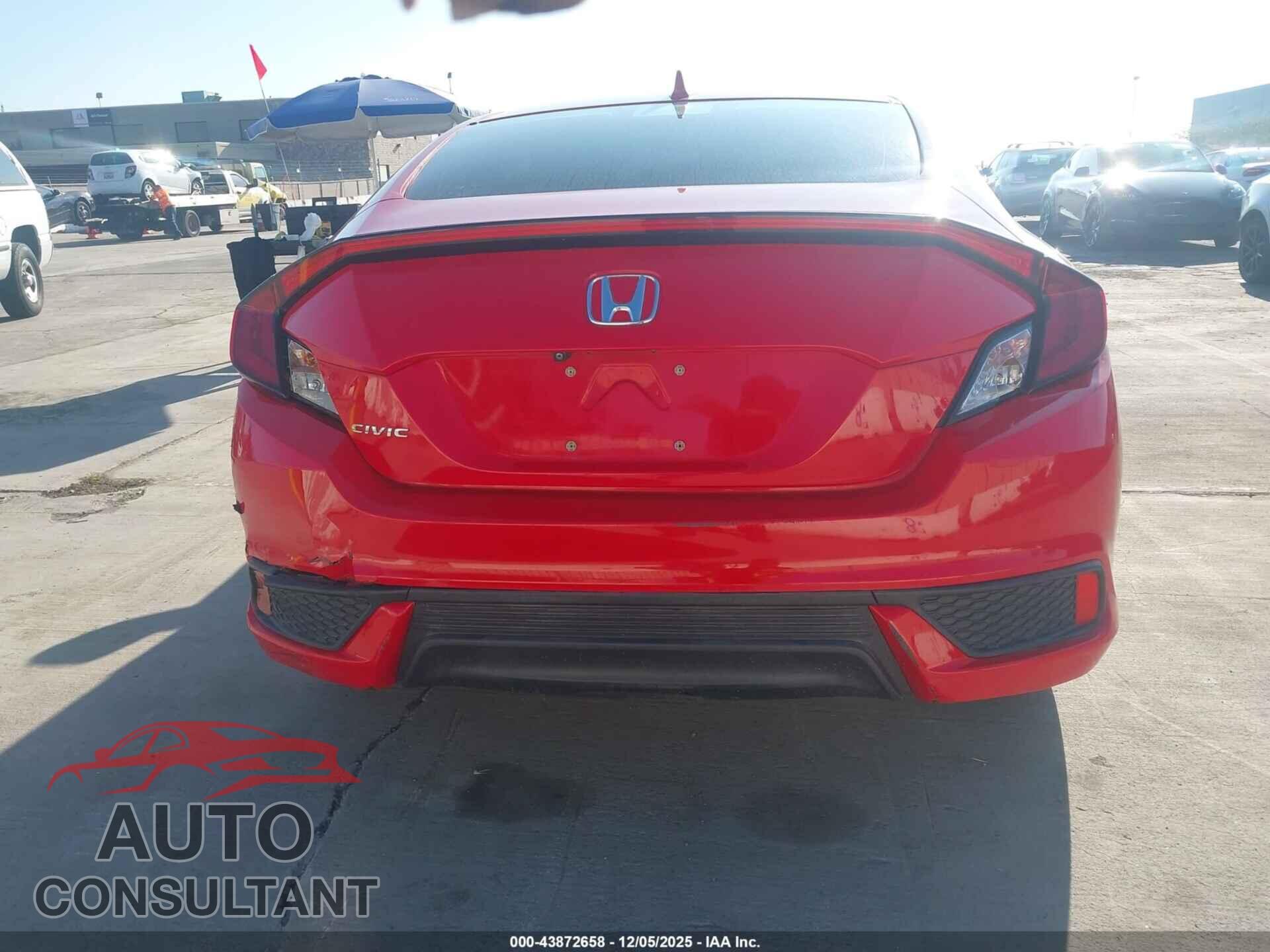
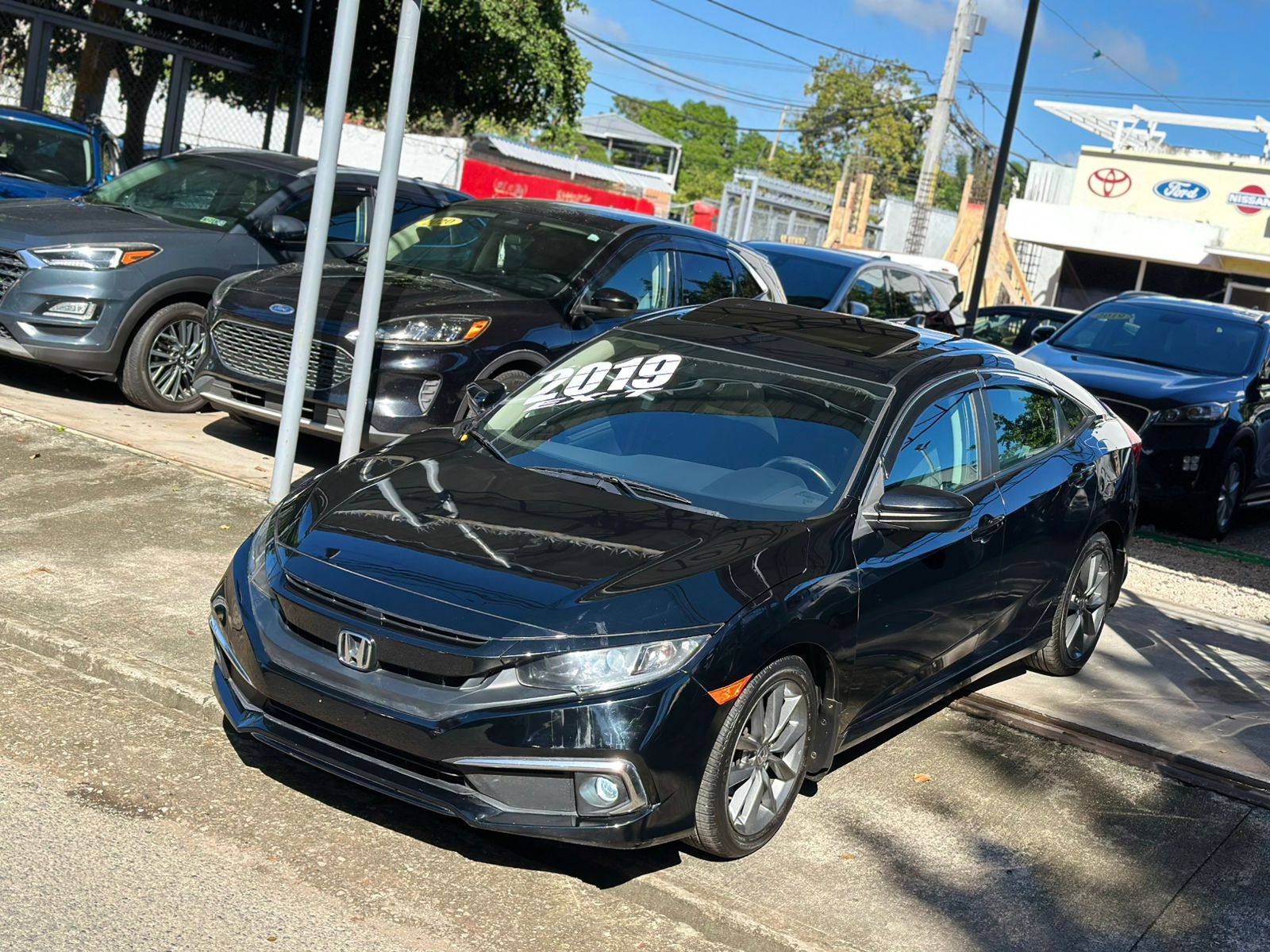
The 2019 Honda Civic EX Turbo serves as a balanced mid-range option in the tenth-generation Civic lineup, pairing the efficient 1.5L turbocharged engine with a feature-rich trim package. This model is ideal for buyers seeking a blend of daily drivability, modern infotainment, and advanced safety technology without the higher costs associated with the Sport Touring or Si variants.
Understanding the 2019 Honda Civic EX Turbo Positioning
When evaluating the 2019 Honda Civic, it is essential to distinguish between the various trim levels offered during that model year. The EX trim sits above the LX and Sport trims, serving as the gateway to Honda’s more premium amenities. In 2019, Honda made a significant shift by standardizing the Honda Sensing safety suite across all trims, but the EX Turbo specifically distinguishes itself through its powertrain and creature comforts.
The "Turbo" designation refers to the 1.5-liter, turbocharged 4-cylinder engine that produces 174 horsepower and 162 lb-ft of torque. Unlike the base 2.0-liter naturally aspirated engine found in lower trims, this powertrain offers a punchier mid-range acceleration, making it well-suited for highway merging and assertive city driving. The 2019 model year also saw a mid-cycle refresh, which brought minor cosmetic updates to the front bumper, grille, and the integration of a physical volume knob into the infotainment system—a highly requested feature following the 2016–2018 models' reliance on touch-capacitive controls.
Technical Specifications and Performance Metrics
The 1.5L turbocharged engine is the heart of the EX experience. It is paired exclusively with a Continuously Variable Transmission (CVT). While some enthusiasts prefer a manual transmission, the CVT in the 2019 Civic was tuned to minimize the "rubber-band" effect often associated with older belt-driven transmissions, providing a relatively direct feel during normal operation.
Engine and Transmission Dynamics
- Engine Type: 1.5L DOHC Direct-Injected Turbocharged I-4
- Horsepower: 174 hp @ 6,000 rpm
- Torque: 162 lb-ft @ 1,700–5,500 rpm
- Transmission: Continuously Variable Transmission (CVT)
- Drivetrain: Front-Wheel Drive (FWD)
The power delivery is linear, thanks to the wide torque band that kicks in early at 1,700 rpm. This ensures that the vehicle feels responsive even at low speeds. From a maintenance perspective, it is critical to note that this is a direct-injection engine. Proper maintenance—specifically the use of high-quality synthetic oil and adherence to the Maintenance Minder system—is vital to prevent carbon buildup on intake valves, a known consideration for direct-injection turbocharged engines of this era.
Cabin Comfort and Technology Features
The interior of the 2019 Honda Civic EX Turbo reflects a focus on driver-centric design and passenger ergonomics. By 2019, Honda had refined the cabin materials to feel more premium than the previous model year, utilizing soft-touch surfaces on key touchpoints like the armrests and dashboard trim.
The infotainment system features a 7-inch touchscreen display with Apple CarPlay and Android Auto integration. The inclusion of these features allows users to bypass the factory navigation software in favor of familiar interface tools like Google Maps or Waze. Additionally, the EX trim includes dual-zone automatic climate control, a power moonroof, and heated front seats, which elevate the vehicle from a basic commuter to a comfortable long-distance cruiser.
The Honda Sensing suite is perhaps the most significant technological feature for safety-conscious buyers. This bundle includes:
- Collision Mitigation Braking System (CMBS): Designed to detect vehicles or pedestrians and apply brakes if a collision is deemed likely.
- Road Departure Mitigation (RDM): Assists in steering or braking if the car begins to drift out of its lane without a turn signal.
- Adaptive Cruise Control (ACC): Maintains a set following distance behind vehicles in front.
- Lane Keeping Assist System (LKAS): Adjusts steering input to keep the vehicle centered in its detected lane.
Practical Comparisons: EX Turbo vs. Other Trims
Choosing the right Civic trim involves weighing your specific needs against the budget. Below is a comparison of how the EX Turbo performs against its nearest stablemates from the 2019 model year.
| Feature | LX (2.0L) | EX Turbo (1.5T) | Sport Touring (1.5T) |
|---|---|---|---|
| Engine | 2.0L Naturally Aspirated | 1.5L Turbo | 1.5L Turbo |
| Horsepower | 158 hp | 174 hp | 180 hp |
| Infotainment | 5-inch screen | 7-inch w/ CarPlay/Android | 7-inch w/ Premium Audio |
| Safety | Honda Sensing Std. | Honda Sensing Std. | Honda Sensing Std. |
| Sunroof | No | Yes | Yes |
As shown in the table, the EX Turbo occupies the "sweet spot." You gain the performance of the turbo engine and the modern connectivity of the 7-inch display, but you avoid the added cost of the premium audio systems or leather upholstery found in the higher-end Touring trims.
Maintenance Considerations for the 2019 Model
For buyers in 2026, the 2019 Civic is a mature used vehicle. Purchasing one requires a thorough inspection of the vehicle's service history. The 1.5L turbocharged engine is generally reliable, but it is sensitive to neglect.
- Oil Dilution: Early iterations of the 1.5L engine had documented concerns regarding oil dilution, where unburned fuel could seep into the crankcase, particularly in colder climates. Ensure that the vehicle has received any applicable software updates provided by Honda to manage engine warm-up cycles and reduce this occurrence.
- CVT Fluid: While Honda often markets its "lifetime" fluids, mechanics specializing in Honda vehicles strongly recommend changing the CVT fluid every 30,000 to 45,000 miles. Overlooking this service can lead to premature belt wear inside the transmission.
- Tire Wear: The Civic’s suspension geometry is designed for handling, which can contribute to inner-edge tire wear if the alignment is not kept within factory specifications. During a pre-purchase inspection, verify the condition of all four tires and look for uneven tread wear.
Real-World Performance and Driving Experience
The 2019 Honda Civic EX Turbo is widely regarded for its exceptional chassis balance. Honda engineers designed the tenth-generation Civic with a multi-link rear suspension, which provides a level of stability and comfort that is superior to many competitors in the compact segment. The steering is electrically assisted but features a variable-gear ratio, making the car feel agile in parking lots while remaining stable at highway speeds.
In terms of fuel efficiency, the EX Turbo is highly competitive. Under real-world conditions, drivers frequently report achieving EPA-estimated fuel economy ratings, often exceeding 35 mpg on highway stretches. The efficiency, however, is heavily dependent on driving style; the turbocharger invites a "fun" driving style that can reduce fuel economy if the driver frequently engages in rapid acceleration.
Troubleshooting Common Issues
When diagnosing issues with a 2019 Civic, always start with the onboard diagnostics (OBD-II). Because the car is heavily reliant on electronic sensors for the Honda Sensing suite, a dirty front camera or a blocked radar sensor behind the grille can trigger warning lights for the safety systems.
- Infotainment Freezing: If the screen becomes unresponsive, performing a factory reset through the settings menu is often sufficient. Ensure the system firmware is updated to the latest available version provided by the dealer.
- Battery Drain: The 2019 Civic is known for having a smaller battery capacity. If the car sits for more than a week, or if you use the electrical outlets or accessories while the engine is off, the battery may struggle. If you experience frequent no-start conditions, test the battery's cold-cranking amps (CCA) and consider an upgrade to a higher-capacity battery if you live in a colder climate.
- A/C Condenser Failure: The 2019 models were included in a warranty extension program for A/C condensers. If the air conditioning is not cooling properly, check the vehicle identification number (VIN) against official recall or warranty extension databases to see if the repair is covered by the manufacturer.
Making the Right Purchase Decision
If you are currently in the market for a 2019 Honda Civic EX Turbo, your primary goal should be identifying a vehicle with a documented maintenance history. Look for records of regular oil changes using full synthetic oil, as the small-displacement turbo engine depends on clean oil to keep the turbocharger bearings lubricated.
Request a pre-purchase inspection from an independent mechanic. Specifically, ask them to:
- Check the status of the A/C condenser and cooling performance.
- Inspect the CVT for any signs of slipping or hesitation.
- Confirm that all Honda Sensing features (Radar/Camera) are calibrated and functional.
The 2019 Civic remains a benchmark in the compact car category due to its combination of safety, fuel efficiency, and driving dynamics. While it does not offer the raw power of the Type R or the luxury of a premium sedan, the EX Turbo provides the most utility for the widest range of drivers.
Frequently Asked Questions
Does the 2019 Honda Civic EX Turbo require premium fuel? No, the 2019 Honda Civic EX Turbo is designed to run on regular unleaded gasoline (87 octane). While higher octane fuel will not cause harm, it provides no measurable performance or efficiency benefits for this engine’s factory tuning.
What is the real-world fuel economy for the 1.5L turbo engine? Most drivers achieve between 30 and 34 mpg in mixed city and highway driving. Pure highway driving can easily reach 38–40 mpg if the driver maintains a steady speed and avoids heavy throttle inputs that engage the turbocharger.
Is the Honda Sensing system standard on the 2019 EX trim? Yes, for the 2019 model year, Honda made the Honda Sensing safety suite standard equipment across the entire Civic lineup, including the EX trim.
How does the CVT transmission affect reliability? The 2019 Civic's CVT is generally reliable if maintained properly. The most common cause of premature failure in these units is the failure to replace the transmission fluid at the manufacturer-recommended intervals. Avoiding aggressive, stop-and-go driving habits also helps extend the life of the internal belt.
What should I check regarding the A/C system? The 2019 Civic had a known issue with the A/C condenser leaking refrigerant. Honda extended the warranty for this component to 10 years from the original purchase date in many regions. Verify your specific vehicle's eligibility with a local dealer using your VIN.