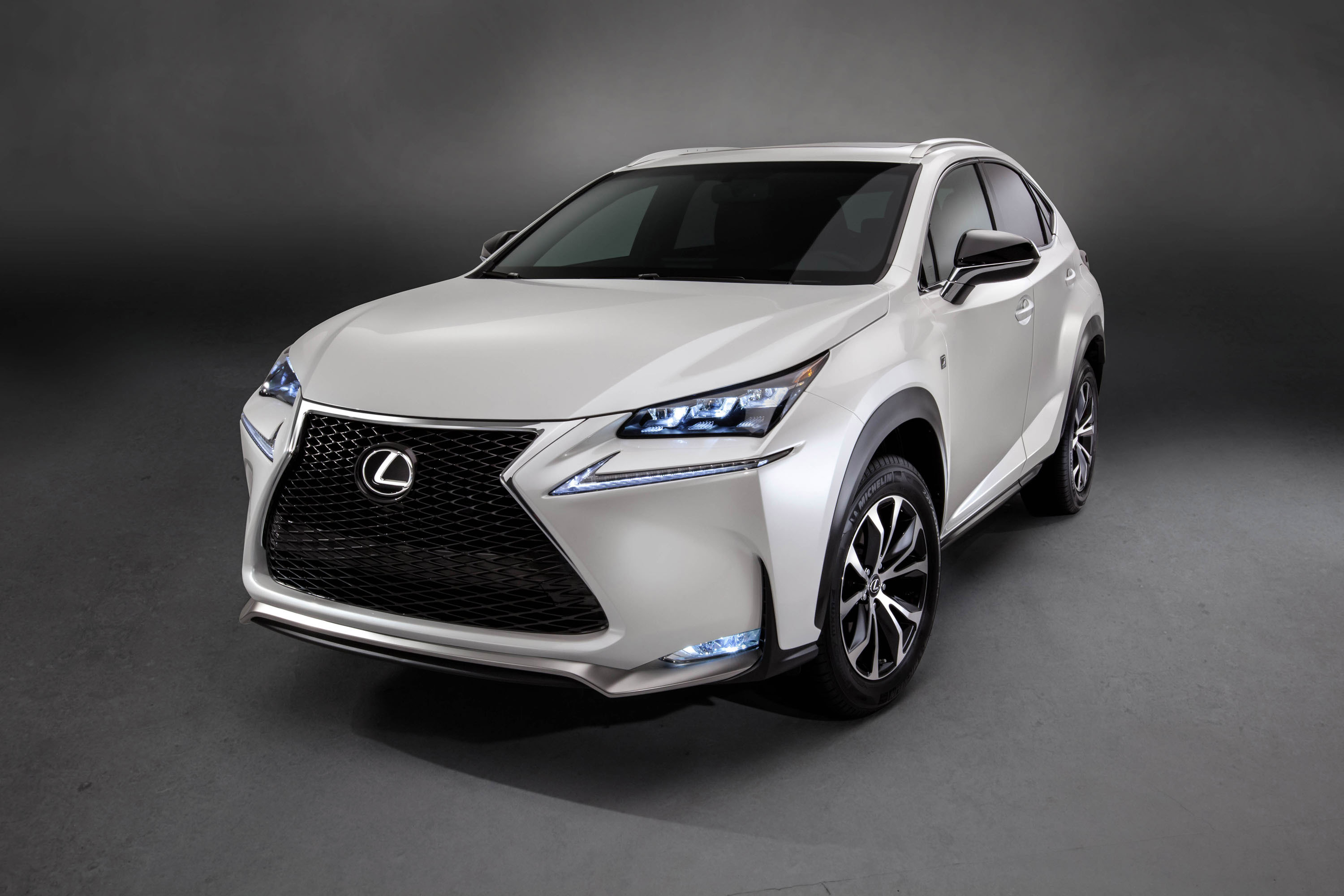
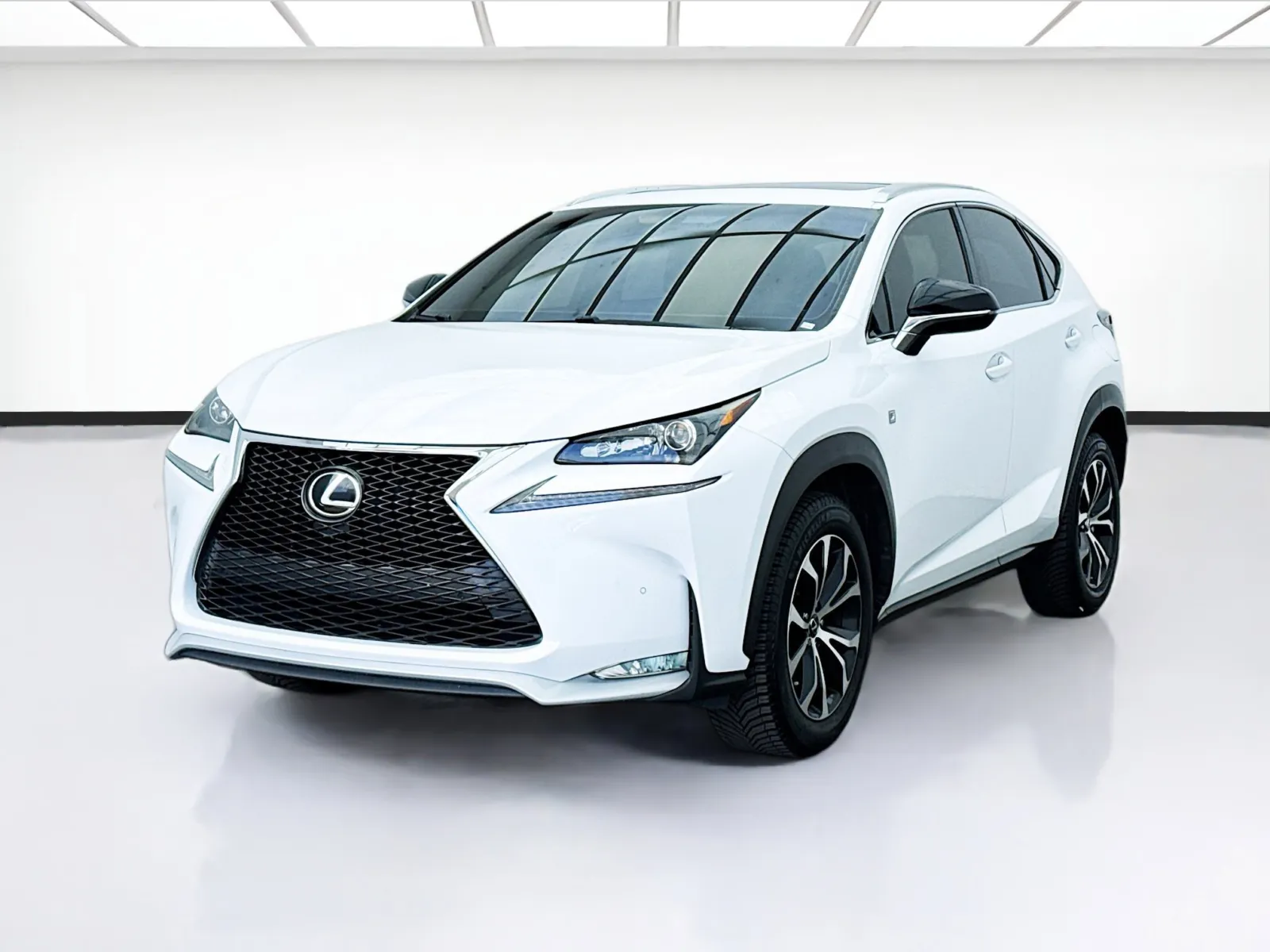
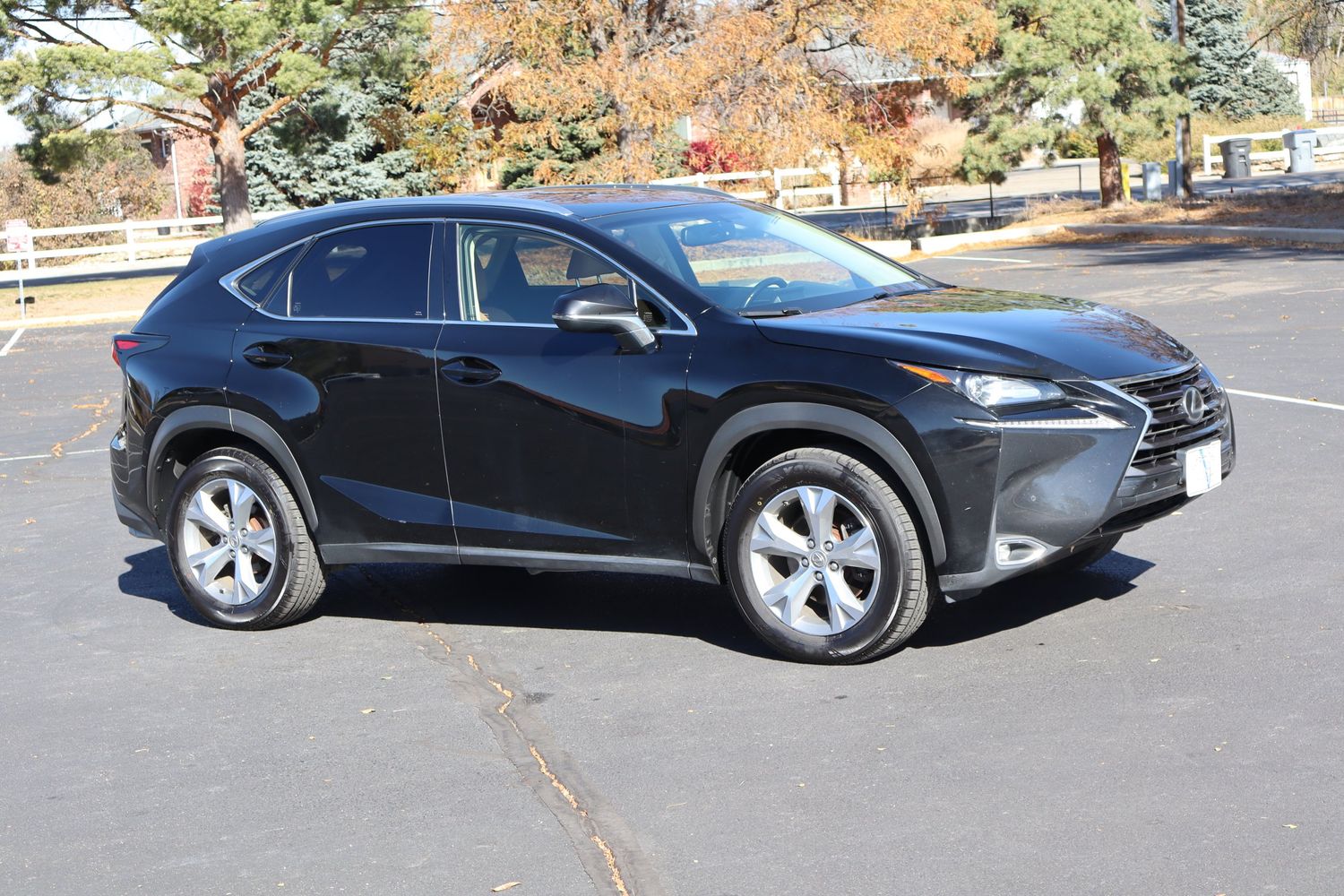
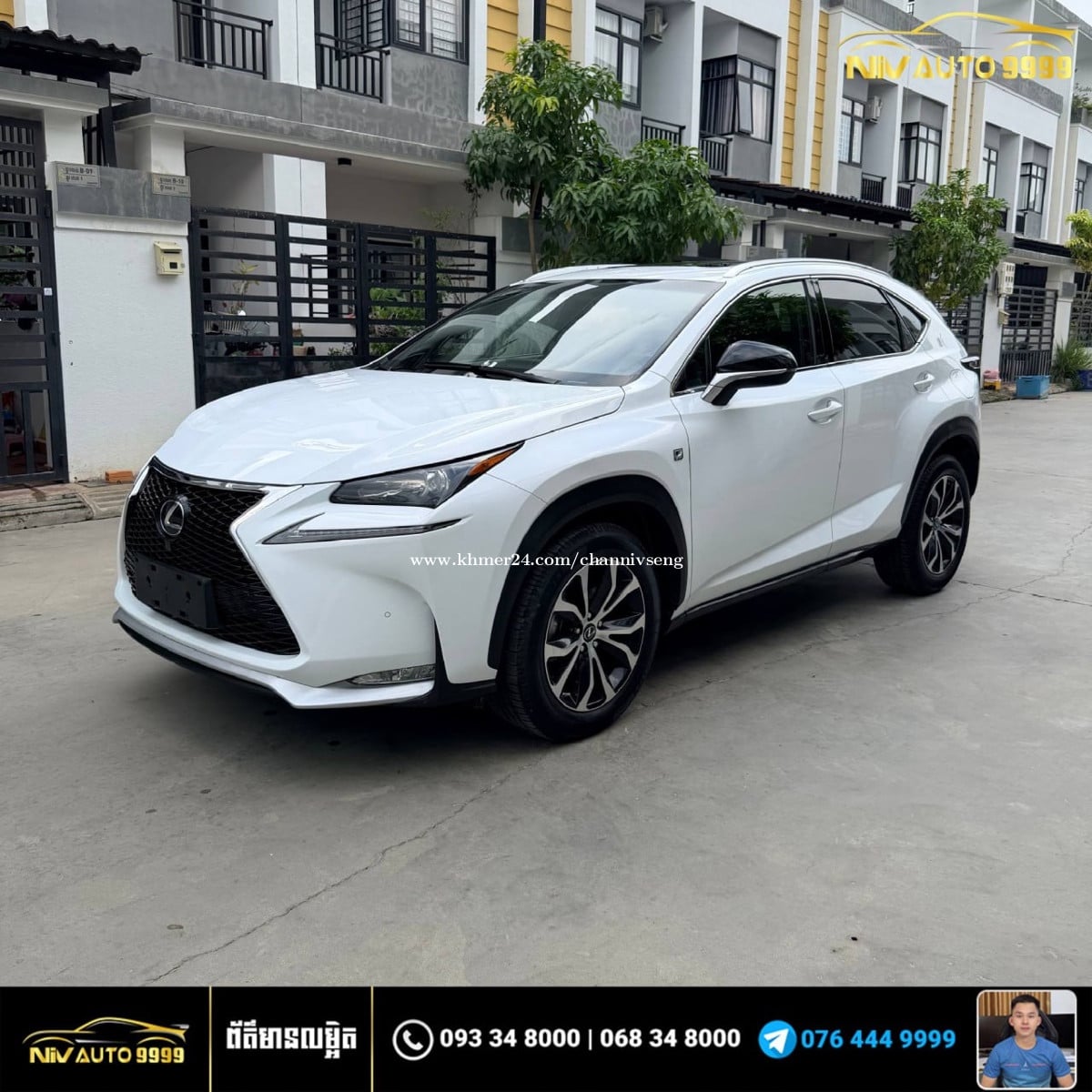
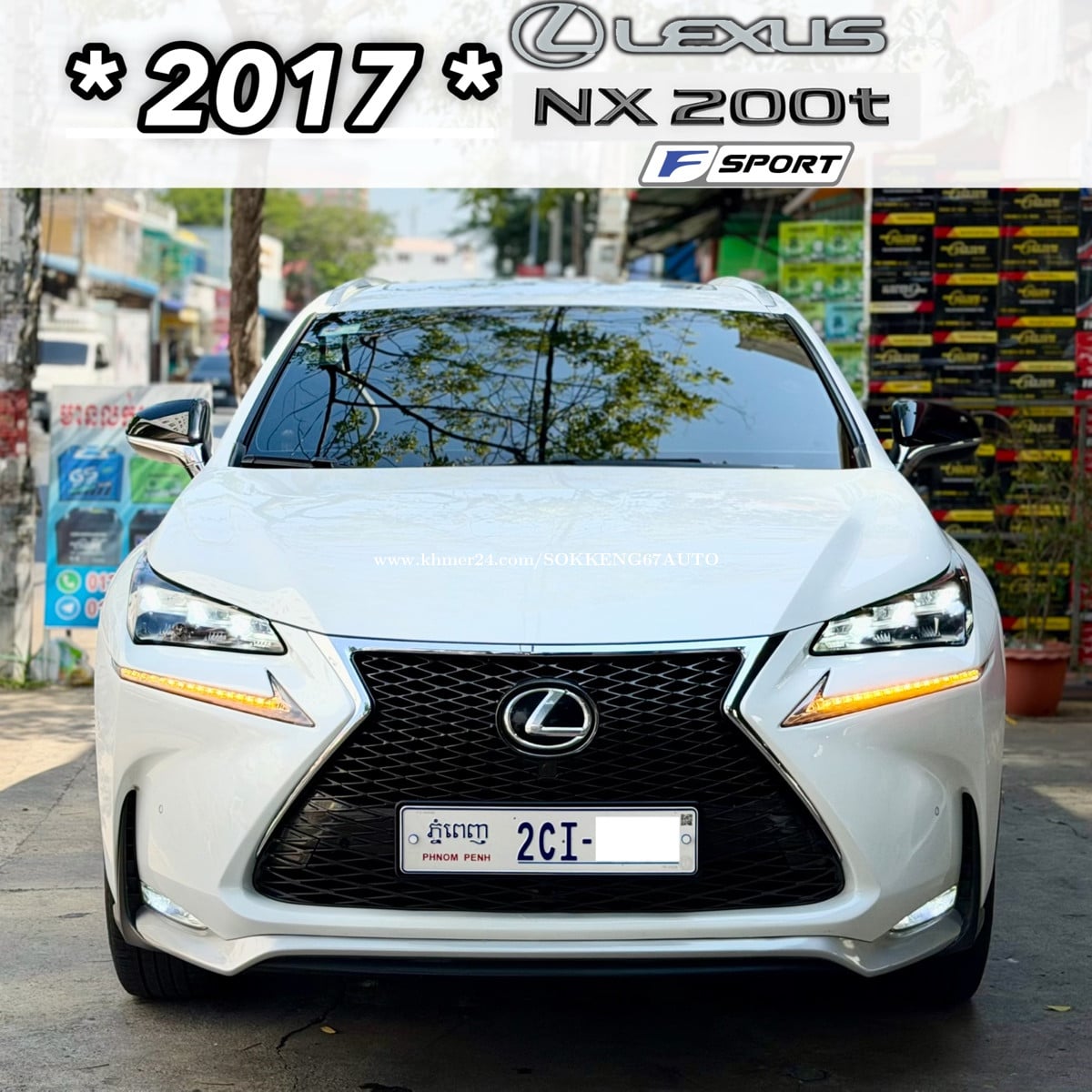
The 2017 Lexus NX 200t F Sport represents the culmination of the initial design phase for Lexus's compact luxury crossover. Featuring a 235-horsepower 2.0-liter turbocharged engine, aggressive spindle grille styling, and sport-tuned suspension, the 2017 model year marked the final release under the "NX 200t" designation before Lexus renamed the line to the NX 300 for 2018.
Historical Timeline of the Lexus NX 200t (2015–2017)
The Lexus NX entered the compact luxury crossover market during a period of rapid segment expansion. Understanding where the 2017 model sits requires examining its development trajectory from concept reveal to its mid-cycle rebranding.
| Milestone / Period | Details |
|---|---|
| 2014 (April) | Debut of production NX at Beijing Auto Show |
| 2015 Model Year | North American Launch (Introduced 8AR-FTS Turbo) |
| 2016 Model Year | Addition of Scout GPS Link & minor tech tweaks |
| 2017 Model Year | Final year for "NX 200t" nameplate |
| 2018 Model Year | Mid-cycle refresh; renamed to Lexus NX 300 |
Concept to Launch (2014–2015)
Lexus unveiled the LF-NX concept at the 2013 Frankfurt Motor Show, signaling its intent to build a sharp, angular compact crossover to compete directly with the BMW X3, Audi Q5, and Acura RDX. The production version made its global debut at the Beijing International Automotive Exhibition in April 2014.
For the 2015 model year, Lexus launched the NX in North America with two primary powertrains: the hybrid NX 300h and the turbocharged NX 200t. The NX 200t introduced Lexus's first-ever production turbocharged gasoline engine, designated internally as the 8AR-FTS. The F Sport trim was available from launch, equipping the crossover with an adaptive variable suspension option, distinct styling elements, and performance seats designed to attract younger luxury buyers.
Evolution into the 2017 Model Year
The 2017 model year served as the final operational production year for the NX 200t designation. While the fundamental Mechanical architecture remained consistent with the 2015 and 2016 models, Lexus made targeted enhancements to convenience, infotainment, and option packages for 2017:
- Scout GPS Link Integration: Expanded compatibility allowed smartphone-based navigation display on vehicles not equipped with the factory Navigation Package.
- Safety Equipment Packaging: Blind Spot Monitor with Rear Cross-Traffic Alert became more widely available across trim packages rather than restricted to high-tier option groups.
- Interior Refinement: Lexus introduced refined upholstery stitching choices and updated color combinations, including the distinctive Circuit Red interior reserved exclusively for the F Sport variant.
- AWD Lock Switch: All-Wheel Drive models maintained the electronic center differential lock function, providing fixed 50/50 front/rear power distribution at low speeds for low-traction conditions.
The Transition from NX 200t to NX 300 (2018 Onward)
For the 2018 model year, Lexus executed a mid-cycle refresh across the lineup. As part of a broader corporate initiative to align vehicle naming conventions with perceived engine output rather than displacement, Lexus retired the "NX 200t" badge in favor of "NX 300."
Although the underlying 2.0-liter turbocharged engine remained mechanically identical, the 2018 update added standard Lexus Safety System+ (LSS+), revised suspension damping, reworked HVAC controls, and redesigned front and rear fascia elements. Consequently, the 2017 Lexus NX 200t F Sport holds historical significance as the definitive, fully realized edition of the original 200t line.
Technical Specifications and F Sport Specific Features
The 2017 Lexus NX 200t F Sport combines Lexus's luxury refinement with targeted hardware upgrades designed to improve lateral handling and driver feedback.
| Specification | Details |
|---|---|
| Configuration | Inline 4-Cylinder, Twin-Scroll Turbocharged |
| Displacement | 2.0 Liters (1,998 cc) |
| Injection System | D-4ST Dual Injection (Direct + Port) |
| Valvetrain | VVT-iW (Variable Valve Timing intelligent Wide) |
| Horsepower | 235 hp @ 4,800 - 5,600 RPM |
| Torque | 258 lb-ft @ 1,650 - 4,000 RPM |
| Fuel Req. | Premium Unleaded (91 Octane Minimum) |
Powertrain Architecture: The 8AR-FTS Engine
At the core of the 2017 NX 200t is the 8AR-FTS engine. This aluminum-block, double-overhead-camshaft (DOHC) 2.0-liter inline four-cylinder engine features several advanced Lexus engineering concepts:
- Twin-Scroll Turbocharger: Uses dual exhaust passages to drive the turbine wheel, minimizing turbo lag and optimizing throttle response across low and mid-range engine speeds.
- D-4ST Fuel Injection: Combines both high-pressure direct fuel injection into the cylinder and traditional low-pressure port injection. The system dynamically toggles between direct and port injection depending on engine load and RPM to balance power output, lower emissions, and prevent intake valve carbon accumulation.
- VVT-iW Technology: Variable Valve Timing-intelligent Wide allows the engine to switch between the Otto cycle (for maximum power during acceleration) and the Atkinson cycle (for enhanced fuel economy during cruising) by delaying intake valve closing.
Power flows through a six-speed automatic transmission (U661E for FWD models, U661F for AWD models) featuring demand-torque control logic that calculates required engine torque in real time.
F Sport Performance Upgrades & Chassis Tuning
Choosing the F Sport package on the 2017 NX 200t alters both physical performance capabilities and visual presence compared to the base crossover:
- Sport-Tuned Suspension: Stiffer spring rates, revised anti-roll bars, and re-valved shock absorbers reduce body roll during high-speed cornering without completely compromising ride comfort.
- Adaptive Variable Suspension (AVS): Optional on select F Sport models, AVS continuously adjusts damper firmness across up to 30 levels based on road surface feedback and driver mode selection (Sport S+ mode).
- Active Sound Control (ASC): An interior sound synthesizer allows the driver to adjust engine intake sound volume inside the cabin via a dial located on the center console.
- Aesthetic Enhancements: A signature mesh spindle front grille, deeper front bumper valence, black side mirror caps, metallic interior trim, and 18-inch split-five-spoke alloy wheels wrapped in summer or all-season performance tires.
- Driver Touchpoints: Deeply bolstered sport front seats designed to hold occupants during lateral acceleration, a perforated leather steering wheel with paddle shifters, an aluminum shift knob, and drilled aluminum pedals.
- F Sport Instrumentation: A customizable multi-information display (MID) within the gauge cluster includes an analog turbo boost gauge and a digital G-force meter.
Detailed Comparison: 2017 Lexus NX 200t Base vs. F Sport Trim
The structural platform (Lexus/Toyota MC platform) remains identical between trims, but key mechanical, interior, and exterior specifications differ significantly.
| Feature / Specification | 2017 Lexus NX 200t (Base) | 2017 Lexus NX 200t F Sport |
|---|---|---|
| Engine Type | 2.0L Turbocharged Inline-4 (8AR-FTS) | 2.0L Turbocharged Inline-4 (8AR-FTS) |
| Horsepower / Torque | 235 hp @ 4,800 rpm / 258 lb-ft @ 1,650 rpm | 235 hp @ 4,800 rpm / 258 lb-ft @ 1,650 rpm |
| Transmission | 6-Speed Super ECT Automatic | 6-Speed Super ECT Automatic with Paddle Shifters |
| Drive System | Front-Wheel Drive or Dynamic Torque Control AWD | Front-Wheel Drive or Dynamic Torque Control AWD |
| Suspension Calibration | Standard Luxury/Comfort Tuning | Sport-Tuned (Optional Adaptive Variable Suspension) |
| Standard Wheel Size | 17-inch alloy (18-inch optional) | 18-inch F Sport Split-5-Spoke Alloy |
| Front Grille Design | Horizontal Slats | Mesh Spindle Pattern with Dark Chrome Trim |
| Front Seats | Standard NuLuxe synthetic leather bucket seats | F Sport Bolstered Seats in NuLuxe or Leather |
| Cluster Metrics | Standard Trip Computer MID | Includes G-Meter and Turbo Boost Gauge |
| Driving Modes | Eco, Normal, Sport | Eco, Normal, Sport S (and Sport S+ with AVS) |
| 0–60 MPH Acceleration | Approx. 7.2 seconds (AWD) | Approx. 7.0–7.2 seconds (AWD) |
| EPA Fuel Economy (AWD) | 22 City / 28 Highway / 24 Combined MPG | 22 City / 27 Highway / 24 Combined MPG |
Comprehensive Maintenance Timeline for the 2017 Lexus NX 200t F Sport
To ensure operational reliability and longevity, Lexus prescribes a mileage- and time-based service matrix. Given the forced-induction architecture of the 8AR-FTS engine, adherence to oil change and spark plug schedules is critical for turbocharger health and prevention of low-speed pre-ignition (LSPI).
| Interval | Service Description |
|---|---|
| 5,000 Miles / 6 Months | Tire Rotation, Inspection |
| 10,000 Miles / 12 Months | Engine Oil & Filter (0W-20 Synthetic) |
| 30,000 Miles / 36 Months | Brake Fluid Flush, Cabin/Air Filters |
| 40,000 Miles / 48 Months | Vacuum Pump Filter Replacement |
| 60,000 Miles / 72 Months | Spark Plugs (Iridium), Drive Belts |
| 100,000 Miles / 120 Mos | Super Long Life Engine Coolant Flush |
Initial and Short-Term Interval Maintenance (5,000 to 30,000 Miles)
Lexus specifies maintenance intervals every 5,000 miles or 6 months, whichever comes first.
- 5,000 Miles / 6 Months:
- Rotate tires.
- Inspect wiper blades, brake pads, calipers, and brake rotors.
- Check fluid levels (engine coolant, brake fluid, windshield washer fluid).
- Reset maintenance reminder light.
- 10,000 Miles / 12 Months:
- Perform all 5,000-mile services.
- Replace engine oil and oil filter (Requires ILSAC GF-5 or GF-6A 0W-20 synthetic oil).
- Inspect cabin air filter.
- 15,000 Miles / 18 Months:
- Rotate tires.
- Inspect steering linkage, suspension components, drive shaft boots, and exhaust system.
- Check smart key remote battery condition.
- 20,000 Miles / 24 Months:
- Perform engine oil and filter change.
- Rotate tires.
- 30,000 Miles / 36 Months:
- Perform engine oil and filter change.
- Replace engine air filter and cabin air filter.
- Brake fluid replacement/flush (synthetic DOT 3 or DOT 4).
- Inspect transfer case fluid and rear differential gear oil on AWD models.
Mid-Life Interval Service Requirements (45,000 to 75,000 Miles)
As the vehicle accumulates mileage, specialized powertrain maintenance items become necessary:
- 40,000 Miles / 48 Months:
- Replace engine vacuum pump filter (critical for proper turbocharger wastegate control and power brake booster assistance).
- 45,000 Miles / 54 Months:
- Perform routine 5,000-mile inspection and tire rotation.
- 60,000 Miles / 72 Months:
- Replace spark plugs. The 8AR-FTS engine requires specialized high-ignitability iridium spark plugs due to high cylinder pressures created by turbocharging.
- Inspect accessory drive belt for cracking, fraying, or tension loss.
- Replace transfer case and rear differential oil if used in heavy towing or severe driving conditions.
- 75,000 Miles / 90 Months:
- Comprehensive brake system inspection, including parking brake mechanisms and suspension bushings.
High-Mileage Preventive Service Timeline (90,000 to 150,000+ Miles)
For long-term reliability, high-mileage Lexus NX models require attention to thermal management components:
- 90,000 Miles / 108 Months:
- Repeat 30,000-mile comprehensive service (all filters, brake fluid).
- Inspect water pump, intercooler coolant pump, and radiator hoses for seepage.
- 100,000 Miles / 120 Months:
- Initial replacement of Lexus Super Long Life Engine Coolant. The system utilizes separate cooling loops for the engine block and the turbocharger intercooler system; both loops must be drained and refilled.
- Subsequent coolant replacement interval is every 50,000 miles / 60 months thereafter.
- 120,000 Miles / 144 Months:
- Replace spark plugs second time.
- Inspect engine vacuum pump assembly for mechanical wear.
- Inspect automatic transmission fluid (ATF WS). While listed as a "lifetime fill" under standard operating conditions, fluid replacement via drain and fill at this interval preserves valve body solenoid function.
Technical Service Bulletins, Recalls, and Longevity Insights
The 2017 NX 200t F Sport is widely recognized for superior build quality compared to many European class rivals. However, specific technical items, service bulletins, and safety recalls should be verified on any pre-owned unit. Owners can verify open safety recalls by entering the vehicle's 17-character VIN on the official NHTSA Recalls Management Page.
| Component | Technical Consideration |
|---|---|
| Recalls | Brake Hold System ECU / ABS Actuator Software |
| Engine | Vacuum Switching Valve (VSV) Flutter & Wastegate Wear |
| Cooling | Intercooler Pump Seepage & Water Pump Wear |
| Cabin | Infotainment Bluetooth Pairing & Screen Rebooting |
Factory Recalls and Safety Bulletins
- ABS / Vehicle Stability Control Actuator Recall: Certain 2016 and 2017 Lexus NX models were recalled due to potential manufacturing flaws in the Brake Actuator assembly. Under specific conditions, an internal component could fail, preventing the anti-lock braking (ABS) and vehicle stability control (VSC) systems from operating correctly.
- Electric Parking Brake / Brake Hold System Software Update: Select 2017 units received service updates regarding the automatic Brake Hold feature. ECU recalibration prevented the parking brake from failing to release or prematurely disengaging when starting from a stop.
Known Mechanical Considerations
Owners and prospective buyers should monitor these documented mechanical areas:
- Turbocharger Vacuum Switching Valve (VSV): On high-mileage 8AR-FTS engines, the wastegate control VSV can fail or develop erratic pressure regulation. Symptoms include hesitation under acceleration, localized flutter sounds from the engine bay, or diagnostic trouble code (DTC) P0299 (Turbocharger Underboost Condition).
- Water Pump Seepage: Like many Toyota/Lexus 4-cylinder engines, the engine-driven primary water pump can develop minor shaft seal weeping after 70,000 to 100,000 miles. Regular inspection of the pink coolant residue around the pump pulley helps identify wear early.
- Direct-Injection High-Pressure Fuel Pump Noise: The D-4ST system utilizes a camshaft-driven high-pressure fuel pump. While normal operation produces a distinct ticking noise at idle, excessive metallic clicking can indicate mechanical wear on the pump follower or fuel rail pressure sensors.
- Front Lower Control Arm Bushings: Due to the F Sport's firmer suspension setup and the vehicle's curb weight (approx. 4,000 lbs for AWD models), front lower control arm hydraulic bushings can show cracking or fluid loss after 80,000 miles, leading to steering wheel vibration under braking.
Buying and Owning a 2017 Lexus NX 200t F Sport
When evaluating a 2017 Lexus NX 200t F Sport, buyers navigate a well-established pre-owned market. Because 2017 was the final year of the NX 200t badge, late-production models often incorporate all minor manufacturing refinements introduced since the vehicle's 2015 debut.
Resale Value and Market Position
The NX 200t F Sport maintains strong residual value retention within the luxury crossover segment. Key value drivers include:
- Drive Configuration: All-Wheel Drive (AWD) models command higher secondary market pricing than Front-Wheel Drive (FWD) variants, particularly in northern climates.
- Optional Equipment: Units equipped with the Navigation Package (10-speaker Lexus Premium Audio, 7-inch display screen, remote touchpad controller), Blind Spot Monitor, and Adaptive Variable Suspension retain superior resale desirability.
- Service Records: Complete dealership maintenance logs demonstrating 10,000-mile synthetic oil change intervals significantly bolster market value.
Pre-Purchase Inspection Checklist
When inspecting a used 2017 NX 200t F Sport, verify the following itemized checklist:
- Engine Bay: Inspect turbocharger intercooler lines for coolant weeping; check oil dipstick for severe discoloration or sludge.
- Drive Modes: Toggle through Eco, Normal, Sport S, and (if equipped with AVS) Sport S+ modes to ensure throttle mapping and steering assistance adjust smoothly.
- AWD Engagement: Ensure the AWD Lock button engages correctly at low speeds without triggering dashboard warning lights.
- Suspension & Brakes: Drive over rough pavement to check for front-end clunks (indicative of worn stabilizer bar links or lower control arm bushings).
- F Sport Interior Touchpoints: Check bolster wear on the driver's sport seat, leather stitching on the steering wheel, and operation of the G-force meter in the MID screen.
- Infotainment Operation: Test Bluetooth pairing, Scout GPS Link connectivity, and verify the Remote Touchpad responds accurately without erratic cursor jumping.
Frequently Asked Questions
What is the primary difference between the 2017 Lexus NX 200t F Sport and the 2018 NX 300 F Sport?
The 2017 NX 200t F Sport features the original front bumper design, analog HVAC buttons, and optional safety features. For 2018, Lexus renamed the crossover to the NX 300, made Lexus Safety System+ standard equipment, refreshed the headlights and front spindle grille, updated the rear taillight trim, and re-tuned the suspension dampers. The 2.0-liter 8AR-FTS engine remains identical between both model years.
Does the 2017 Lexus NX 200t F Sport require premium gasoline?
Yes. Lexus specifies 91 octane (AKI) premium unleaded gasoline for the 2017 NX 200t F Sport. Using lower octane fuel can trigger engine knock sensors, causing the engine control module (ECM) to retard ignition timing, which results in reduced horsepower, diminished throttle response, and lower fuel economy.
How can I tell if a 2017 Lexus NX 200t has the optional Adaptive Variable Suspension (AVS)?
Inspect the Drive Mode Select dial on the center console. Vehicles equipped with standard F Sport suspension feature modes labeled Eco, Normal, and Sport. Models equipped with Adaptive Variable Suspension feature additional mode settings labeled Sport S and Sport S+, which actively stiffen the electronically controlled dampers.
What is the towing capacity of the 2017 Lexus NX 200t F Sport?
When equipped with the factory-approved accessory towing package (including an engine oil cooler), the 2017 Lexus NX 200t F Sport has a maximum towing capacity of 2,000 pounds. Without the towing package, towing is generally not recommended by the manufacturer.
Is Apple CarPlay or Android Auto available on the 2017 Lexus NX 200t F Sport?
No. Factory Apple CarPlay and Android Auto integration was not available on the Lexus NX line until the 2018/2019 model years. The 2017 model utilizes the Lexus Enform App Suite and Scout GPS Link for smartphone integration. However, aftermarket retrofit modules that interface with the original screen are available.
What engine oil viscosity is required for the 2.0L Turbocharged 8AR-FTS engine?
Lexus specifies SAE 0W-20 full synthetic engine oil meeting ILSAC GF-5 or GF-6A specifications. Using the correct oil weight ensures rapid oil pressure delivery to the turbocharger bearings during cold engine starts.
Final Takeaway and Recommended Actions
The 2017 Lexus NX 200t F Sport represents a proven option in the pre-owned luxury crossover market, offering dynamic styling and sport-tuned handling backed by Lexus's long-term mechanical reliability.
If you currently own or plan to purchase a 2017 model:
- Verify Service History: Ensure the 8AR-FTS turbocharged engine has received synthetic oil changes every 10,000 miles (or 5,000 miles under severe conditions).
- Perform Spark Plug Maintenance: If the vehicle is near or past 60,000 miles, replace the spark plugs with OEM iridium units to prevent ignition misfires under boost.
- Check Vehicle Recalls: Run the vehicle VIN through the official NHTSA Recalls Database to confirm all ABS and Electronic Parking Brake safety updates have been completed by an authorized Lexus dealer.
- Inspect Turbo Cooling Systems: Audit intercooler fluid levels and inspect the vacuum pump filter at 40,000-mile intervals to protect forced-induction components.