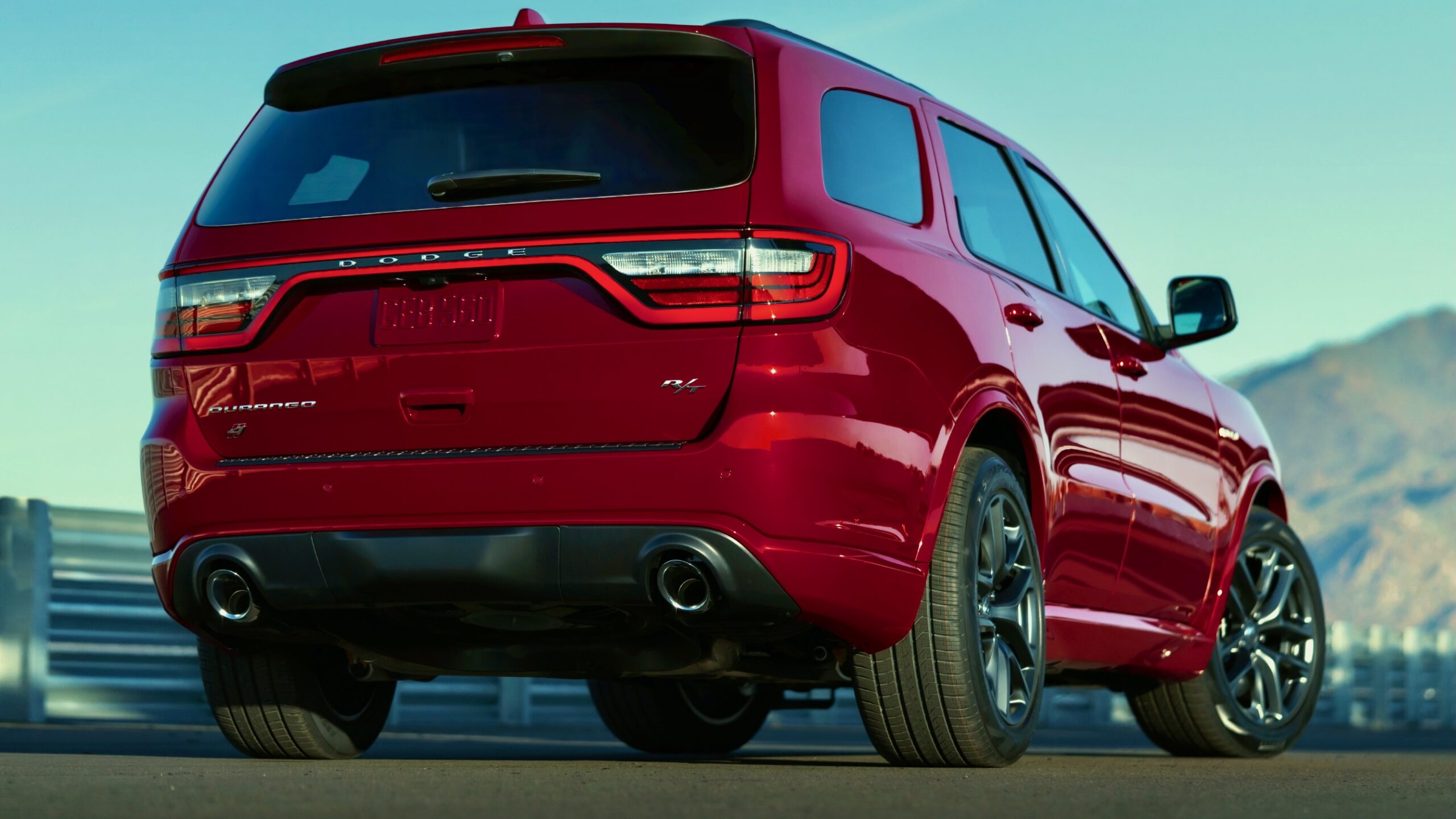
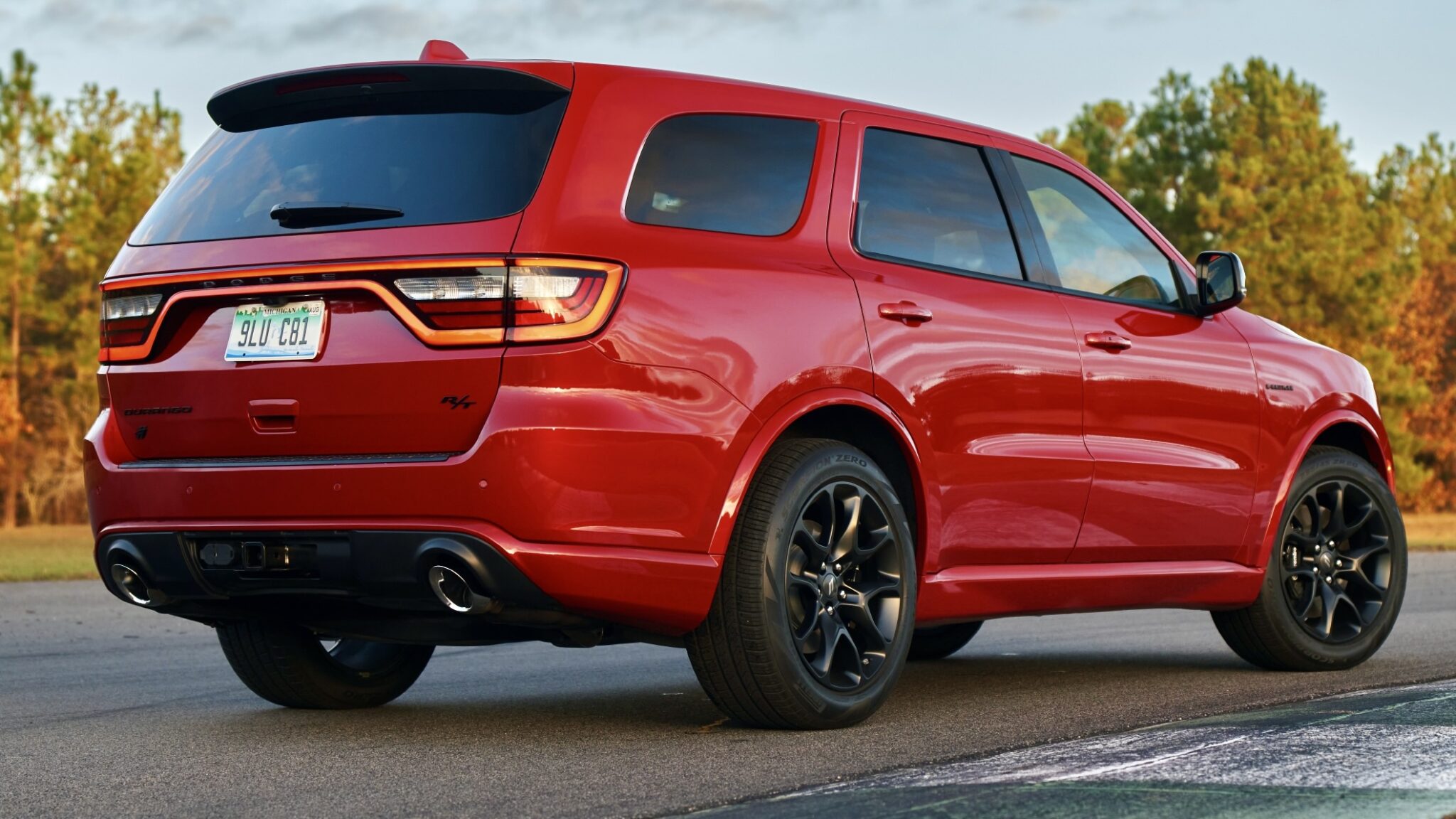
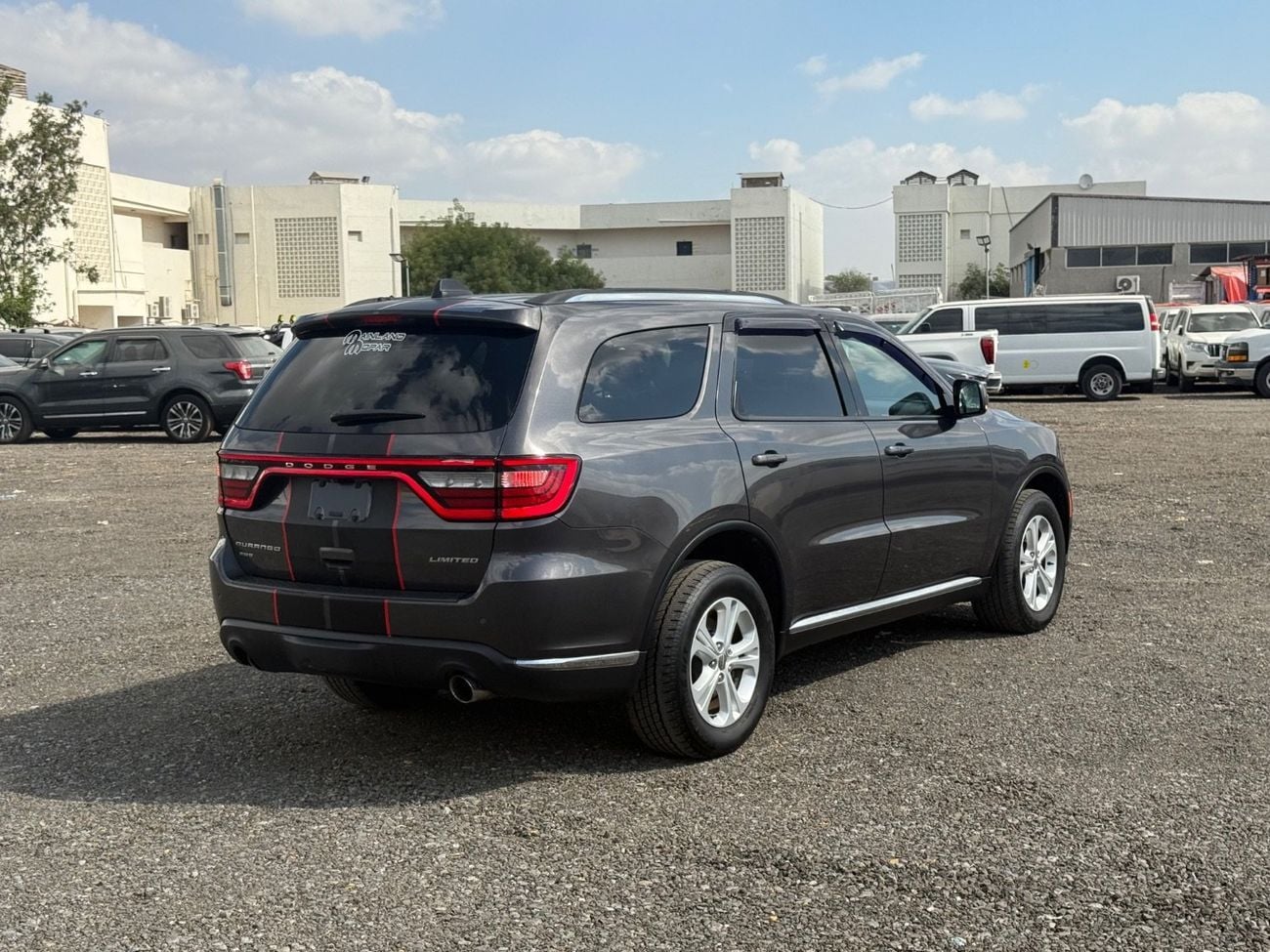
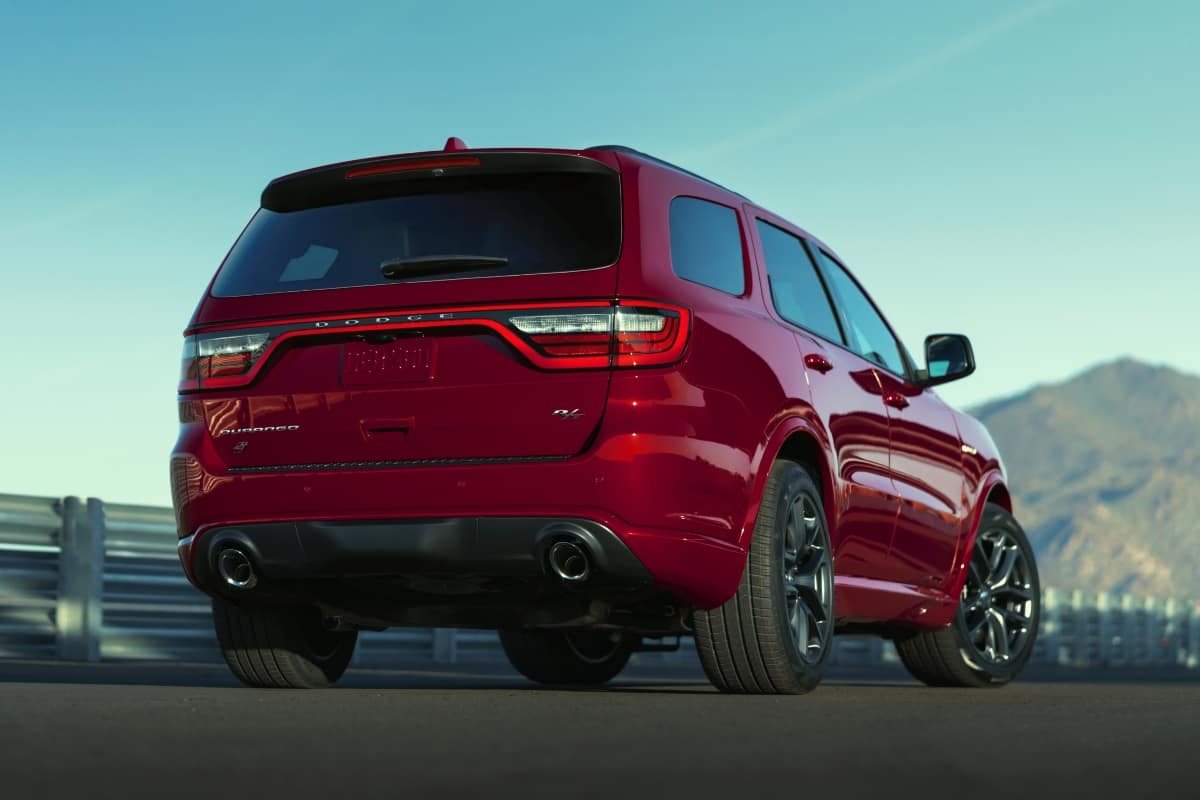
The 2016 Dodge Durango offers a maximum towing capacity ranging from 6,200 pounds to 7,400 pounds, depending on the engine and drivetrain configuration. Models equipped with the 3.6L Pentastar V6 can tow up to 6,200 pounds, while the 5.7L HEMI V8 reaches the peak 7,400-pound limit in rear-wheel-drive configurations.
Selecting the right 2016 Dodge Durango for towing requires an understanding of more than just the engine size. As a mid-size SUV with a unibody construction, the Durango was engineered to bridge the gap between car-like crossovers and truck-based SUVs. By 2026, many of these vehicles remain active on the used market specifically because of their high towing ceilings compared to rivals like the Ford Explorer or Toyota Highlander from the same era. To safely utilize this capacity, owners must account for the Trailer Tow Group IV package, gross combined weight ratings (GCWR), and specific maintenance requirements for heavy hauling.
Understanding the Engine and Drivetrain Configurations
The 2016 Durango’s towing prowess is primarily determined by its powertrain. Dodge offered two distinct engines for this model year, each paired with an eight-speed automatic transmission that plays a critical role in managing heat and torque delivery during a tow.
The 3.6L Pentastar V6 Engine
The standard engine across most trims (SXT, Limited, and Citadel) is the 3.6-liter Pentastar V6. This engine produces 290 to 295 horsepower and 260 lb-ft of torque. While many V6-powered crossovers of the 2016 era were capped at 5,000 pounds, the Durango V6 achieved a 6,200-pound maximum towing capacity.
This higher rating is largely due to the vehicle's rear-wheel-drive architecture (with optional AWD) and a robust cooling system. For those towing light boats, smaller campers, or utility trailers, the V6 provides a balance of fuel efficiency and utility. However, users should note that reaching the 6,200-pound limit requires the engine to work significantly harder, often resulting in high RPMs on steep inclines.
The 5.7L HEMI V8 Engine
For heavy-duty tasks, the 5.7-liter HEMI V8 was available on the Citadel and standard on the R/T trim. This engine delivers 360 horsepower and 390 lb-ft of torque. The HEMI allows the Durango to outclass nearly every other vehicle in its segment for the 2016 model year.
- Rear-Wheel Drive (RWD): Maximum towing capacity is 7,400 pounds.
- All-Wheel Drive (AWD): Maximum towing capacity is 7,200 pounds.
The slight reduction in the AWD model is due to the increased curb weight of the all-wheel-drive system components, which subtracts from the overall Gross Combined Weight Rating (GCWR). The V8 engine also features Fuel Saver Technology (cylinder deactivation), though this feature is rarely active when a significant load is detected by the powertrain control module.
Critical Weight Ratings and Definitions
To tow safely in 2026 and beyond, owners must look beyond the "maximum" number and understand the mathematical limits of the vehicle’s chassis. These ratings are found on the driver’s side door jamb sticker.
Gross Vehicle Weight Rating (GVWR)
The GVWR is the maximum allowed weight of the Durango itself, including fuel, passengers, cargo, and the tongue weight of the trailer. For a 2016 Durango, the GVWR typically sits between 6,500 and 7,100 pounds. It is a common mistake to ignore how much weight is inside the vehicle while towing. If you have seven passengers and a trunk full of gear, you may exceed your GVWR even if the trailer is under the maximum tow limit.
Gross Combined Weight Rating (GCWR)
The GCWR is the total weight allowed for the "combination" of the vehicle and the trailer. For the V8 model, this is approximately 13,100 pounds. If the vehicle is fully loaded to its GVWR, the available towing capacity must be reduced to ensure the GCWR is not exceeded.
Tongue Weight
Tongue weight is the downward force exerted by the trailer coupler on the hitch ball. For the 2016 Durango, the tongue weight should be 10% to 15% of the total loaded trailer weight.
- V6 Maximum Tongue Weight: 620 lbs.
- V8 Maximum Tongue Weight: 740 lbs. Exceeding these limits can cause the front tires to lose traction and significantly degrade steering response. Conversely, having too little tongue weight (less than 10%) can lead to dangerous trailer sway at highway speeds.
The Trailer Tow Group IV Equipment Package
A 2016 Dodge Durango is not "tow-ready" simply because it has a V8 engine. To reach the maximum rated capacities, the vehicle must be equipped with the Trailer Tow Group IV package. If a Durango was purchased without this factory-installed option, adding an aftermarket hitch does not necessarily grant it the full 6,200 or 7,400-pound rating.
The factory package includes several mechanical upgrades:
- Class IV Receiver Hitch: A heavy-duty hitch frame bolted directly to the vehicle's unibody.
- 7-Pin and 4-Pin Wiring Harness: Allows for both basic lighting and electronic trailer brake control.
- Heavy-Duty Engine Cooling: An upgraded radiator and fan system to prevent overheating under load.
- 180-Amp or 220-Amp Alternator: Provides the necessary electrical overhead for trailer electronics.
- Full-Size Spare Tire: Essential for safety, as the standard "donut" spare cannot support towing loads.
- Rear Load-Leveling Suspension: Mechanical "Nivomat" shocks that automatically pump up as you drive to level the vehicle's stance when a heavy trailer is attached.
| Engine Configuration | Drivetrain | Max Towing Capacity | Max Tongue Weight |
|---|---|---|---|
| 3.6L Pentastar V6 | RWD | 6,200 lbs | 620 lbs |
| 3.6L Pentastar V6 | AWD | 6,200 lbs | 620 lbs |
| 5.7L HEMI V8 | RWD | 7,400 lbs | 740 lbs |
| 5.7L HEMI V8 | AWD | 7,200 lbs | 720 lbs |
Towing Safety and Technology Features
The 2016 Durango utilizes several electronic systems to assist the driver while hauling heavy loads. Understanding these features is vital for maintaining control during emergency maneuvers or high-wind conditions.
Electronic Trailer Sway Control
This system is an extension of the Electronic Stability Control (ESC). It uses sensors to detect if the trailer is beginning to oscillate (sway). If sway is detected, the system automatically applies brake pressure to individual wheels on the Durango and reduces engine power to pull the trailer back into alignment. While helpful, this system is a safety net, not a replacement for proper weight distribution.
Sport Mode and Transmission Mapping
The 8-speed transmission in the 2016 Durango features a "Tow/Haul" logic integrated into its standard shifting, but using "Sport Mode" can also be beneficial in hilly terrain. Sport mode holds gears longer, preventing the transmission from "hunting" between gears, which generates excessive heat.
Brake Requirements
The Durango is equipped with four-wheel disc brakes with ABS. However, according to Mopar's official guidelines, any trailer weighing more than 1,000 pounds should be equipped with its own independent braking system. For trailers over 2,000 pounds, electronic trailer brakes are highly recommended. To use these, the driver must install an aftermarket electronic brake controller, as the 2016 Durango did not come with an integrated dashboard controller (though it is pre-wired for one under the dash if the Tow Group IV is present).
Maintenance for Heavy Towing
Towing puts immense stress on a vehicle's vital components. If you are using your 2016 Durango for frequent hauling, the standard maintenance schedule is no longer sufficient.
Transmission Fluid
The 8-speed ZF-sourced transmission is often marketed as having "lifetime" fluid. However, for vehicles used for towing, most transmission experts recommend a fluid and filter change every 50,000 to 60,000 miles. Heat is the primary enemy of transmission longevity, and towing generates significantly more heat than unladen highway driving.
Differential and Transfer Case Service
On AWD models, the transfer case and both front and rear differentials work much harder when pulling 7,000 pounds. Ensure these fluids are inspected and replaced if they appear dark or burnt.
Brake Inspection
Towing significantly accelerates brake pad and rotor wear. Before a long trip, inspect the thickness of the brake pads. If the rotors show signs of warping (pulsation in the pedal), they should be replaced with high-quality, heavy-duty components capable of better heat dissipation.
Practical Comparison: Durango vs. The Competition
To put the 2016 Durango’s 7,400-pound capacity into perspective, it is helpful to look at its primary competitors from the same era. This highlights why the Durango remains a popular choice for those who need to tow but do not want a full-size SUV like a Chevrolet Tahoe or Ford Expedition.
- 2016 Ford Explorer: Max towing was capped at 5,000 pounds with the 3.5L V6. The Durango V6 beats this by 1,200 pounds.
- 2016 Toyota Highlander: Max towing was 5,000 pounds. The Durango V8 offers nearly 50% more capacity.
- 2016 Honda Pilot: Max towing was 5,000 pounds (with AWD).
- 2016 Chevrolet Traverse: Max towing was 5,200 pounds.
The Durango’s advantage comes from its "rear-drive-first" platform shared with the Jeep Grand Cherokee, which allows for better weight distribution and cooling compared to the front-wheel-drive-based platforms of the Explorer, Highlander, and Pilot.
Common Mistakes to Avoid
Even with a 7,400-pound rating, several common errors can lead to dangerous driving conditions or mechanical failure.
- Using the Wrong Hitch Ball: Ensure the hitch ball is rated for the weight you are pulling. A 2-inch ball can be rated for 3,500 lbs or 7,500 lbs depending on its construction. Always check the stamp on the top of the ball.
- Ignoring Tire Pressure: Both the Durango's tires and the trailer's tires should be inflated to their maximum recommended PSI (found on the sidewall) when towing. Under-inflated tires generate more heat and increase the risk of a blowout.
- Overloading the Rear Cargo Area: Putting heavy items in the very back of the Durango while also having a high tongue weight can "teeter-totter" the vehicle, lifting weight off the front steering axle.
- Ignoring the Speed Rating: Most trailer tires are not rated for speeds above 65 MPH. Exceeding this speed can cause trailer tire failure, regardless of the Durango's power.
Frequently Asked Questions
Can I tow 7,400 lbs with the 3.6L V6 Durango?
No. The 3.6L V6 is limited to 6,200 pounds. The 7,400-pound rating is exclusive to the 5.7L HEMI V8 engine with the factory towing package and rear-wheel drive. Attempting to tow 7,400 pounds with the V6 could result in transmission failure and unsafe braking distances.
Do I need a weight-distribution hitch for a 2016 Durango?
While the Durango features load-leveling rear shocks in the Tow Group IV package, Dodge recommends a weight-distribution hitch for trailers weighing over 5,000 pounds. This helps distribute the tongue weight to all four wheels of the vehicle and the trailer axles, improving stability and braking.
How do I know if my Durango has the factory tow package?
The easiest way is to look for the Class IV receiver hitch and the 4/7-pin wiring plugs next to the license plate. You can also run the VIN through the Mopar Equipment Listing tool to see the original window sticker or build sheet.
Can the 2016 Durango tow a fifth-wheel trailer?
No. The Durango is a unibody SUV and is not designed for fifth-wheel or gooseneck hitches. These types of trailers place the weight directly over the rear axle in a truck bed, which is not possible with the Durango’s chassis and body configuration.
What is the maximum towing capacity for the 2016 Durango R/T?
Since the R/T comes standard with the 5.7L HEMI V8, its capacity is 7,400 pounds for RWD models and 7,200 pounds for AWD models, provided the Trailer Tow Group IV package is equipped.
Final Recommendations for 2016 Durango Owners
If you plan to utilize the 2016 Dodge Durango's towing capacity to its maximum, prioritize the V8 engine and verify the presence of the factory Tow Group IV package. For owners of the V6 model, staying within a 5,000-pound limit is a safer practice for long-term vehicle health, despite the 6,200-pound technical limit. Always use a high-quality electronic brake controller for any trailer with electric brakes, and never skip the 10% tongue weight rule. By respecting these mechanical limits and maintaining the transmission and cooling systems, the 2016 Durango remains one of the most capable mid-size towing platforms available.