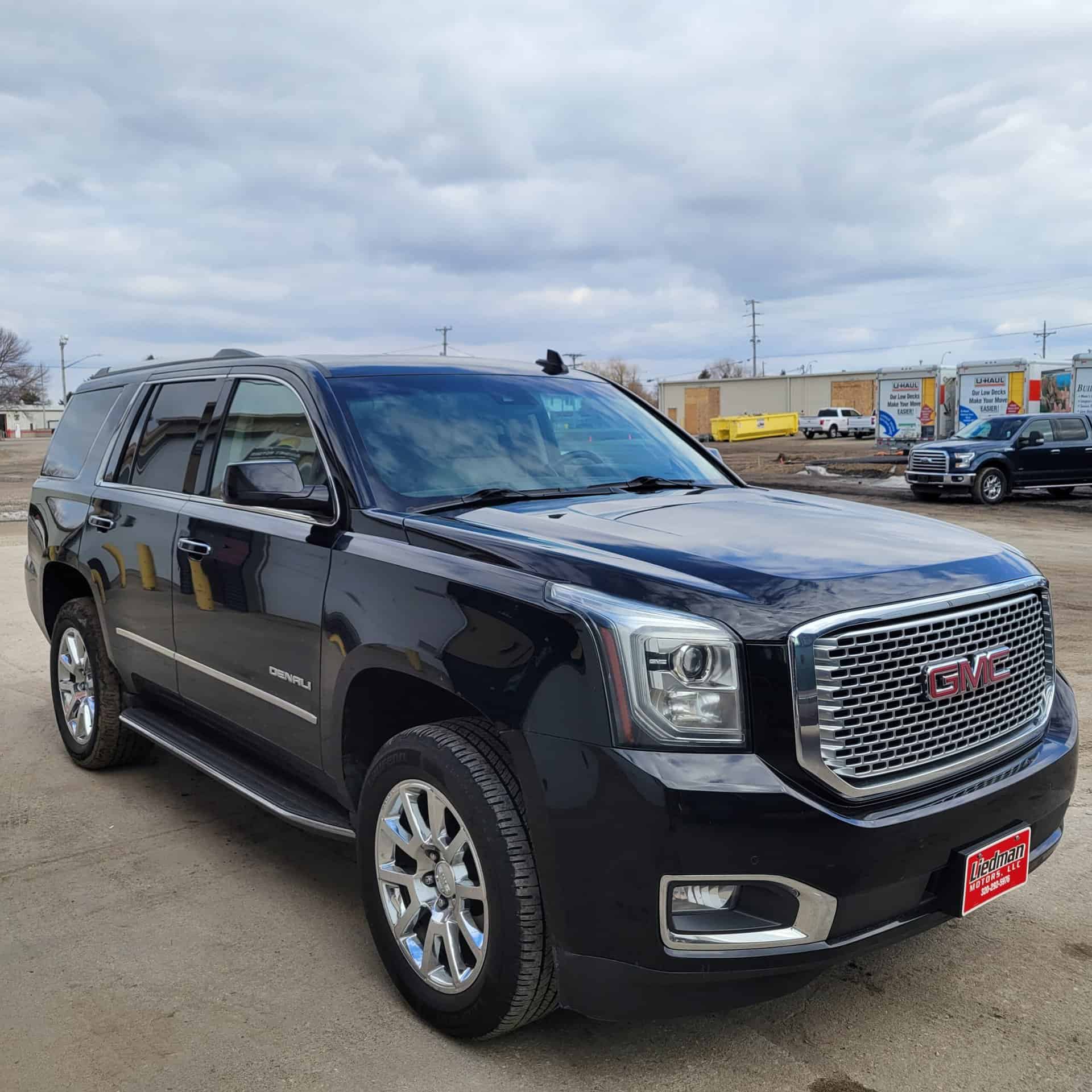
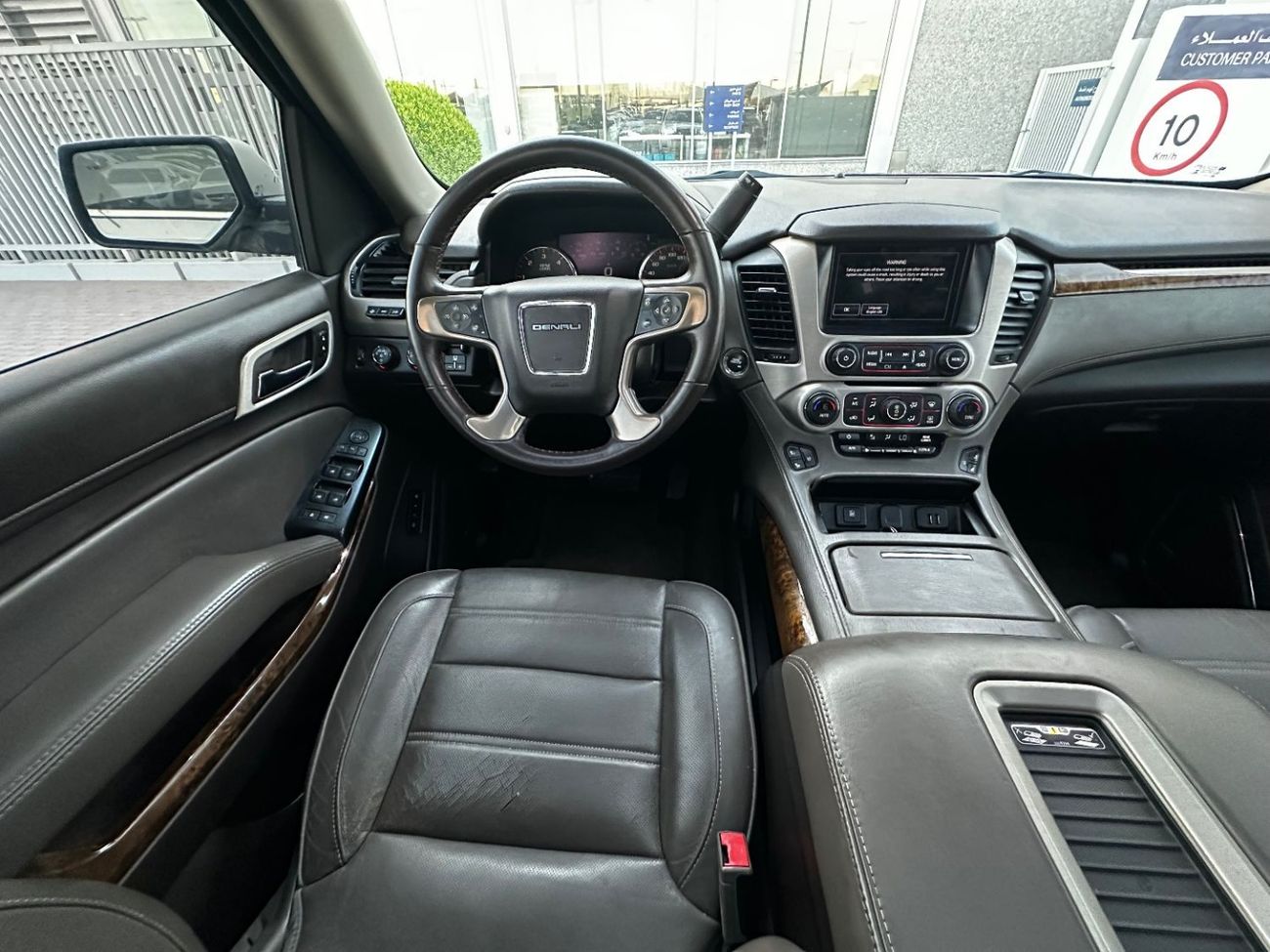
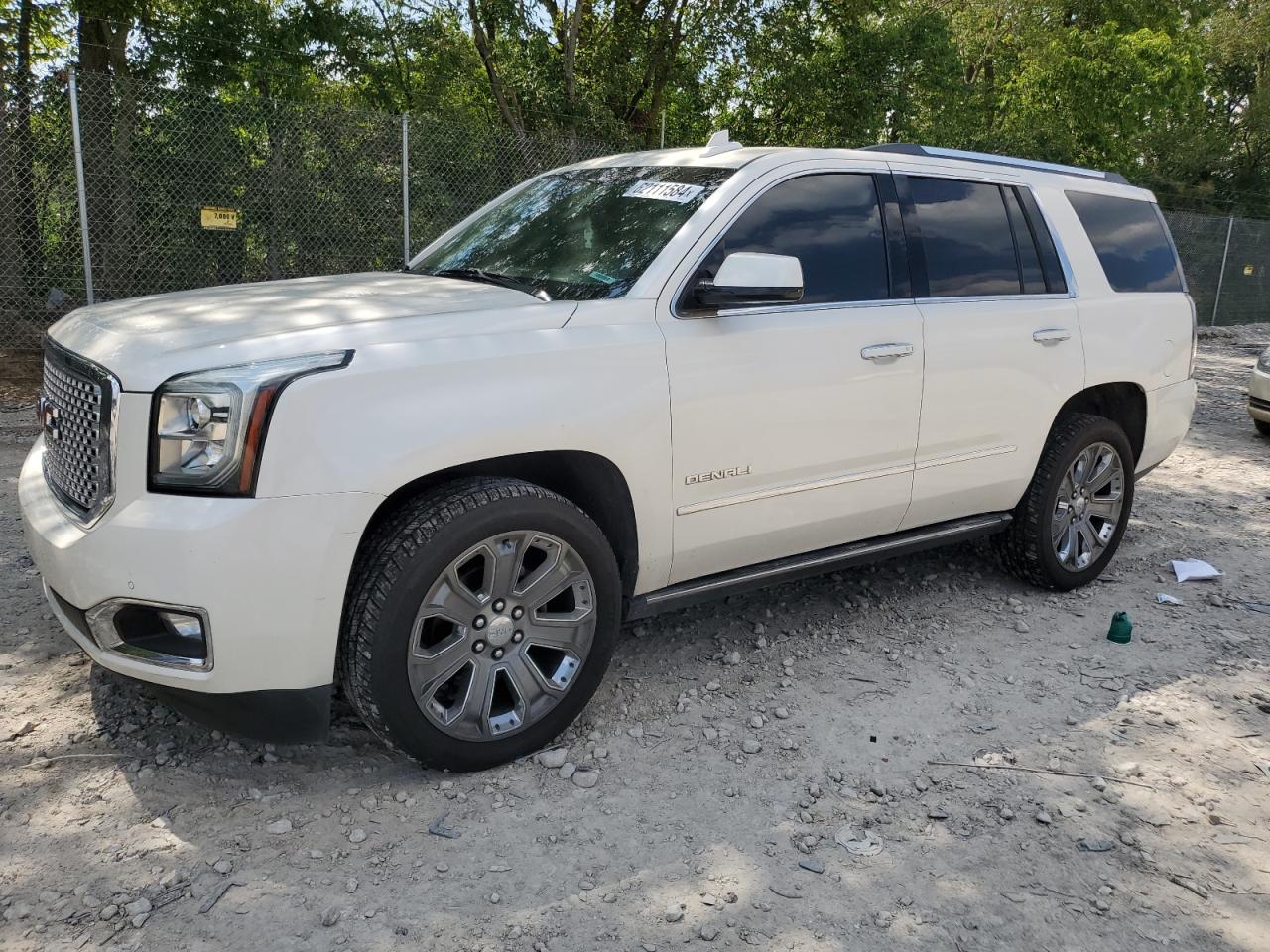
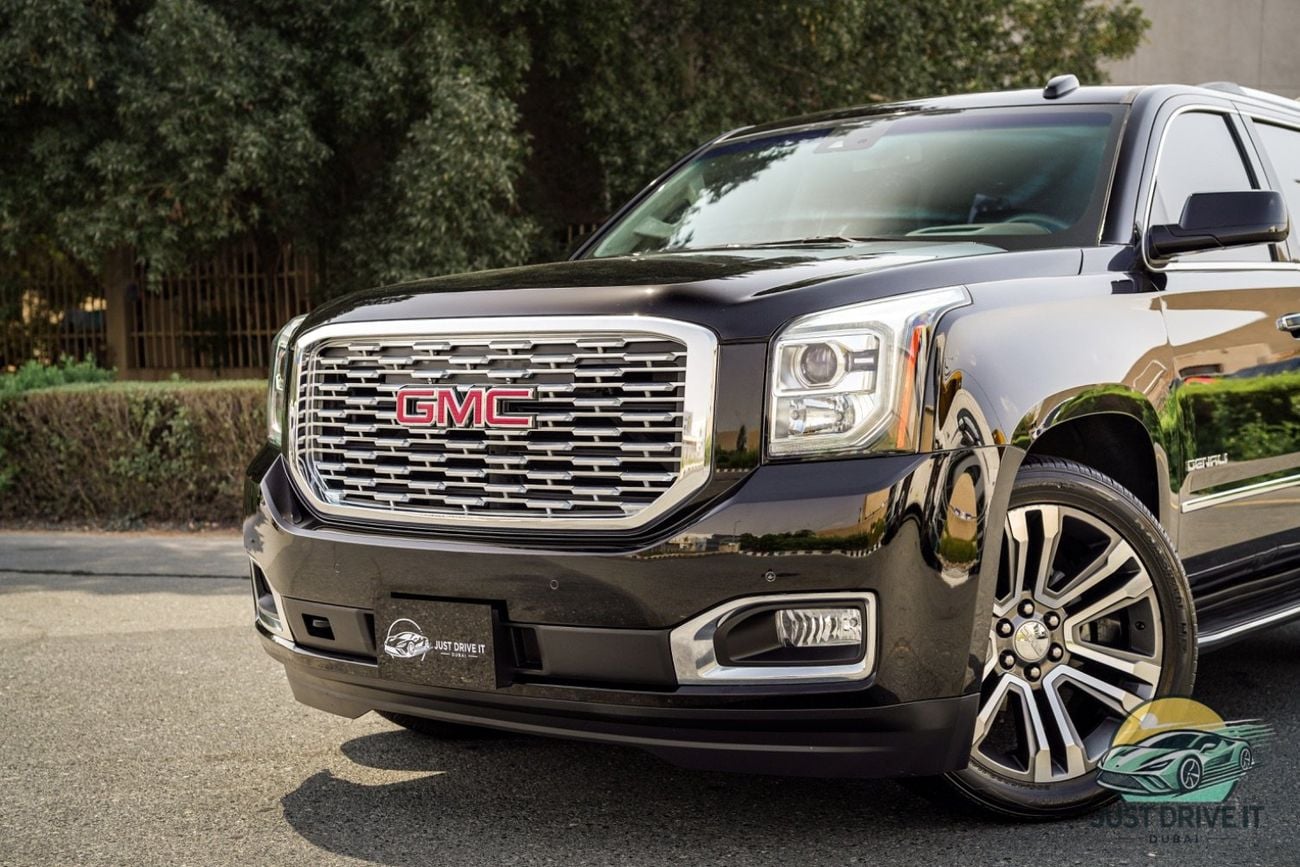
The 2015 GMC Yukon Denali is a powerful luxury SUV, but it is frequently cited for significant transmission shuddering, premature Magnetic Ride Control suspension failure, and air conditioning condenser leaks. While many issues can be resolved through technical service bulletins (TSBs) and updated components, long-term reliability requires proactive maintenance of the 8L90 8-speed transmission and the Active Fuel Management (AFM) system.
The 2015 model year marked the debut of the fourth-generation Yukon. As is common with the first year of a major redesign, the vehicle faced several "teething" issues that have become well-documented by 2026. For owners and secondary-market buyers, understanding these specific vulnerabilities is essential for keeping these high-end SUVs on the road.
The 8L90 Transmission: Shuddering and Shift Quality
The most significant and widely reported problem with the 2015 Yukon Denali involves the 8L90 eight-speed automatic transmission. This transmission was intended to improve fuel efficiency and power delivery compared to the older six-speed units, but it became the subject of numerous class-action lawsuits and internal service updates.
Symptoms of Transmission Failure
Owners often report a sensation described as driving over "rumble strips" or a distinct shuddering when the vehicle is under light acceleration, typically between 25 and 50 mph. This is frequently accompanied by harsh shifting—specifically a "clunk" when shifting from Park to Drive or hard "bangs" during downshifts.
The Root Cause and the "Blue Label" Fix
The primary cause was identified as moisture absorption by the automatic transmission fluid (ATF). The original factory fluid was prone to holding onto moisture, which altered the friction characteristics of the torque converter clutch. This caused the clutch to slip and grab rapidly, creating the shudder.
By 2026, the industry-standard fix is a full transmission flush using a specific Mobil 1 Synthetic LV ATF HP (often called the "Blue Label" fluid). If the shudder persists after a flush, the torque converter itself has likely suffered mechanical damage and requires replacement. In severe cases, the entire transmission may need a rebuild to address internal wear on the valve body and clutch packs.
Magnetic Ride Control (MRC) Suspension Issues
The Denali trim comes standard with Magnetic Ride Control, a sophisticated suspension system that uses magneto-rheological fluid to adjust damping rates in milliseconds. While it provides an excellent ride when functioning, it is one of the most expensive components to fail on the 2015 model.
Leaking and Seizing Shocks
By the time these vehicles reach high mileage in 2026, many owners find that the struts and shocks are either leaking fluid or have become physically "locked." A locked shock results in an incredibly stiff, jarring ride that can feel like the vehicle has no suspension at all.
Replacement Costs and Alternatives
Replacing a full set of MRC shocks at a dealership can cost between $2,500 and $4,000. Because of this high cost, many owners opt for "passive conversion kits." These kits replace the electronic shocks with standard gas-charged units and include electronic bypass modules to prevent the "Service Suspension System" warning light from appearing on the dashboard. However, converting to a passive system does slightly reduce the "cloud-like" handling characteristics the Denali is known for.
Engine Reliability: Active Fuel Management (AFM) and Lifter Failure
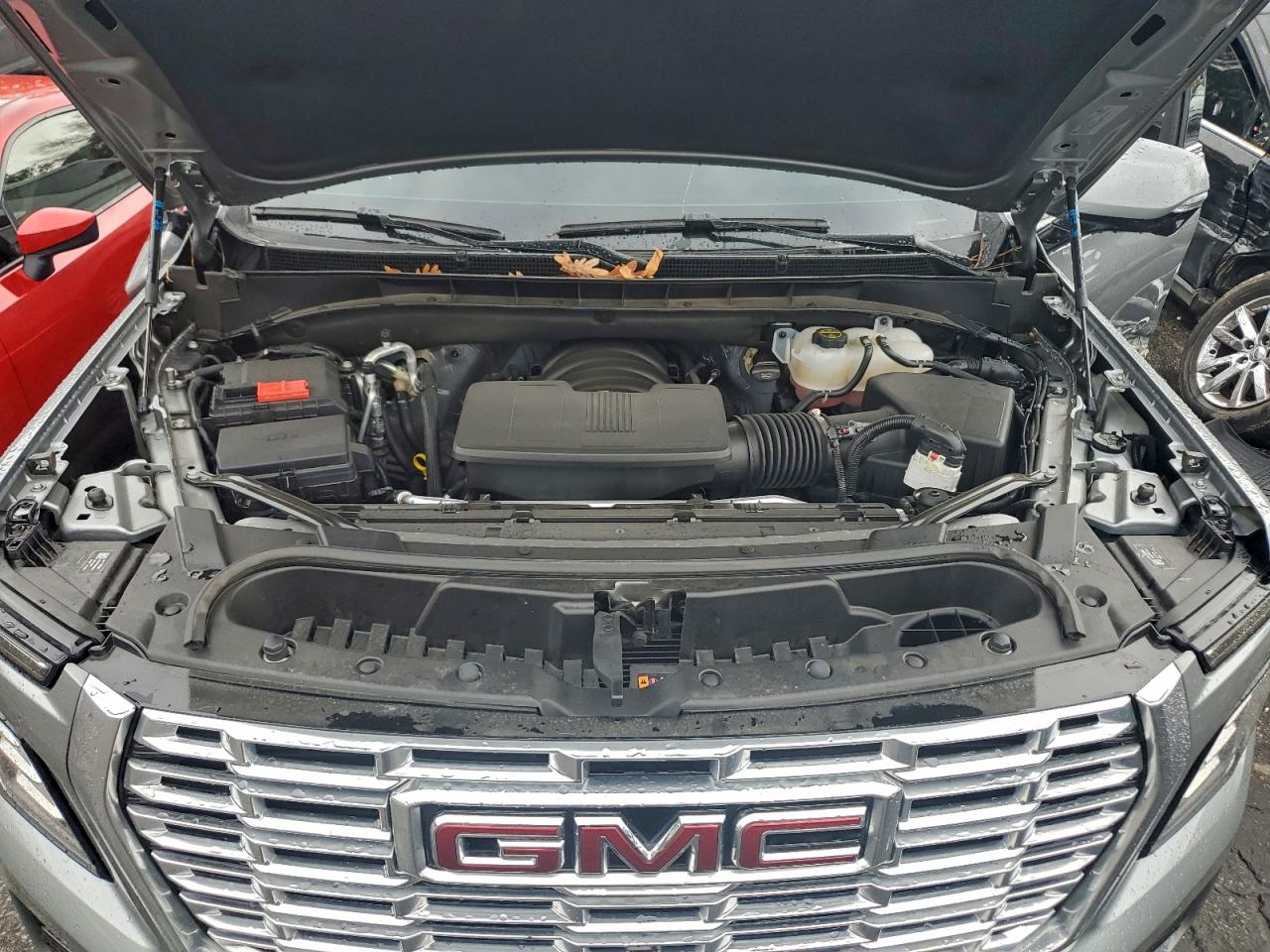
The 2015 Yukon Denali is equipped with the 6.2L L86 V8 engine. While this engine is generally robust, it utilizes Active Fuel Management (AFM), a cylinder deactivation technology that shuts down four cylinders during light-load driving to save fuel.
The Problem with Collapsing Lifters
The mechanical lifters associated with the AFM system are prone to failure. Over time, these specialized lifters can collapse or become stuck, leading to a loud "ticking" noise from the engine, misfires, and a "Check Engine" light (often with codes P0300 through P0308). If a lifter fails, it can also damage the camshaft, leading to a repair bill that often exceeds $3,500.
Preventative Measures in 2026
Many long-term owners use AFM Disabler devices that plug into the OBD-II port. These devices tell the ECU to keep the engine in V8 mode at all times. While this slightly decreases fuel economy, it prevents the constant cycling of the AFM lifters, which many mechanics believe extends the life of the valvetrain significantly.
Air Conditioning Condenser Failure
A nearly universal problem for the 2015–2017 GM K2XX platform (Yukon, Tahoe, Suburban, Silverado) is the failure of the A/C condenser.
The "Cracked Weld" Issue
The original equipment manufacturer (OEM) condensers were prone to developing cracks near the mounting brackets or the header tubes. This causes a slow leak of refrigerant. Owners usually notice the problem when the air conditioning begins blowing warm air or when a "hissing" sound is heard from behind the dashboard.
Warranty and Replacement
GMC previously issued a special coverage adjustment (N172130462) for this issue, but by 2026, most 2015 vehicles have aged out of this protection. When replacing the condenser, it is vital to use an updated part number or a high-quality aftermarket unit that features reinforced welds to prevent the recurrence of the leak.
Body and Interior: The "Buffeting" Noise
One of the more unusual problems reported with the 2015 Yukon Denali is a low-frequency buffeting or booming noise in the cabin, similar to the sensation of having one window cracked open while driving at high speeds.
Pressure Waves and Vibrations
This issue is often caused by the roof's sheet metal not being properly bonded to the roof support bows, or by an improperly aligned liftgate. As the vehicle travels at highway speeds, the air pressure causes the roof or liftgate to vibrate like a drum, creating a pressure wave that can cause headaches or ear discomfort for sensitive passengers.
The Fix
Repairing the buffeting noise usually involves a body shop applying specialized structural adhesive between the roof skin and the support bows. Additionally, adjusting the liftgate strikers and ensuring the weatherstripping is fully seated can mitigate the pressure issues.
Common Repair Costs Comparison
The following table outlines the estimated costs for the most frequent 2015 Yukon Denali repairs in the current 2026 market.
| Component | Common Issue | Symptoms | Estimated Cost (Parts & Labor) |
|---|---|---|---|
| Transmission | Torque Converter / Fluid | Shuddering, "Rumble Strip" vibration | $600 (Flush) - $3,500 (Replacement) |
| Suspension | MRC Struts/Shocks | Leaking fluid, harsh ride, "Service Suspension" | $1,200 - $1,500 per axle |
| A/C System | Condenser | A/C blows warm, refrigerant leaks | $800 - $1,200 |
| Engine | AFM Lifters | Engine ticking, misfires, CEL | $3,000 - $4,500 |
| Electronics | HMI Module (Infotainment) | Screen freezing, GPS failure, black screen | $600 - $900 |
| Brakes | Vacuum Pump | Hard brake pedal, increased stopping distance | $500 - $700 |
Safety Recalls and Technical Service Bulletins
The 2015 Yukon Denali has been subject to several significant recalls by the National Highway Traffic Safety Administration (NHTSA). If you are purchasing or currently own one in 2026, ensure these specific actions have been completed:
- Electronic Power Steering (EPS) Failure: A software issue could cause a sudden loss of power steering assist, particularly during low-speed maneuvers.
- Vacuum Pump Recall: The engine-mounted vacuum pump may see a decrease in performance over time, resulting in a sudden loss of brake assist.
- Unintended Braking: A software error in the wheel speed sensor system could cause the driveline protection system to activate, applying the brake on one wheel unexpectedly.
You can check your specific Vehicle Identification Number (VIN) for open recalls at the NHTSA website.
Frequently Asked Questions
Is the 2015 Yukon Denali a reliable used car in 2026?
The 2015 Yukon Denali is a "high-maintenance" luxury vehicle. While its engine and frame are capable of lasting well over 200,000 miles, the auxiliary systems (transmission, electronics, and adaptive suspension) require significant financial investment to maintain. It is considered less reliable than the 2018–2020 models, which had many of these first-year bugs resolved.
Why does my 2015 Yukon Denali shake at 60 mph?
This is often referred to as the "Chevy Shake." It can be caused by three things: the transmission shudder (8L90 fluid issue), out-of-round tires, or the aforementioned roof buffeting/vibration. A road-force balance of the tires is the first step in diagnosis, followed by a transmission fluid analysis.
Can I disable the AFM (Active Fuel Management) myself?
Yes. The easiest way is to purchase an OBD-II AFM Disabler (such as those from Range Technology). This is a "plug-and-play" device that requires no mechanical skill. For a more permanent solution, some owners choose a "mechanical AFM delete," which involves replacing the lifters and camshaft with non-AFM versions, though this is a major engine overhaul.
Why is my "Service StabiliTrak" light on?
In the 2015 Yukon, this light is often a "catch-all" for various issues. It can be triggered by a failing wheel speed sensor, a faulty steering angle sensor, or even a misfire in the engine. Because the StabiliTrak system relies on engine torque data, any engine performance issue will often disable the stability control system as a safety precaution.
How do I fix the "Booms" or cabin pressure issues?
Start by checking the rear liftgate alignment. If the liftgate is not tight against the seals, it can vibrate. If that doesn't work, a technician must drop the headliner and check for gaps between the roof support braces and the roof sheet metal, filling any gaps with automotive-grade structural foam or adhesive.
Final Recommendations for Owners
For those operating a 2015 Yukon Denali in 2026, the key to longevity is preventative fluid management.
- Transmission: If you haven't already, ensure the transmission has been flushed with the updated Mobil 1 Synthetic LV ATF HP. Do not wait for the shudder to appear.
- Cooling System: Inspect the A/C condenser and the transmission oil cooler lines for leaks, as these are common failure points that can lead to more expensive downstream damage.
- Suspension: If the ride becomes harsh, don't ignore it. A seized MRC shock can put undue stress on other suspension components like control arm bushings and ball joints.
While the 2015 GMC Yukon Denali remains a symbol of luxury and utility, it requires an owner who is willing to stay ahead of its known mechanical quirks. By addressing the transmission and lifter issues early, this SUV can still provide a premium driving experience.