Modifying a 2008 Honda Civic involves a balanced approach of upgrading suspension geometry, enhancing engine breathing, and refining interior ergonomics to improve the vehicle's driving dynamics and daily usability. Whether focusing on the R18-powered DX/LX/EX trims or the high-revving K20 engine in the Si, effective modifications require a methodical strategy that prioritizes reliability and chassis balance over raw, unoptimized power gains.
Understanding the 2008 Honda Civic Platform
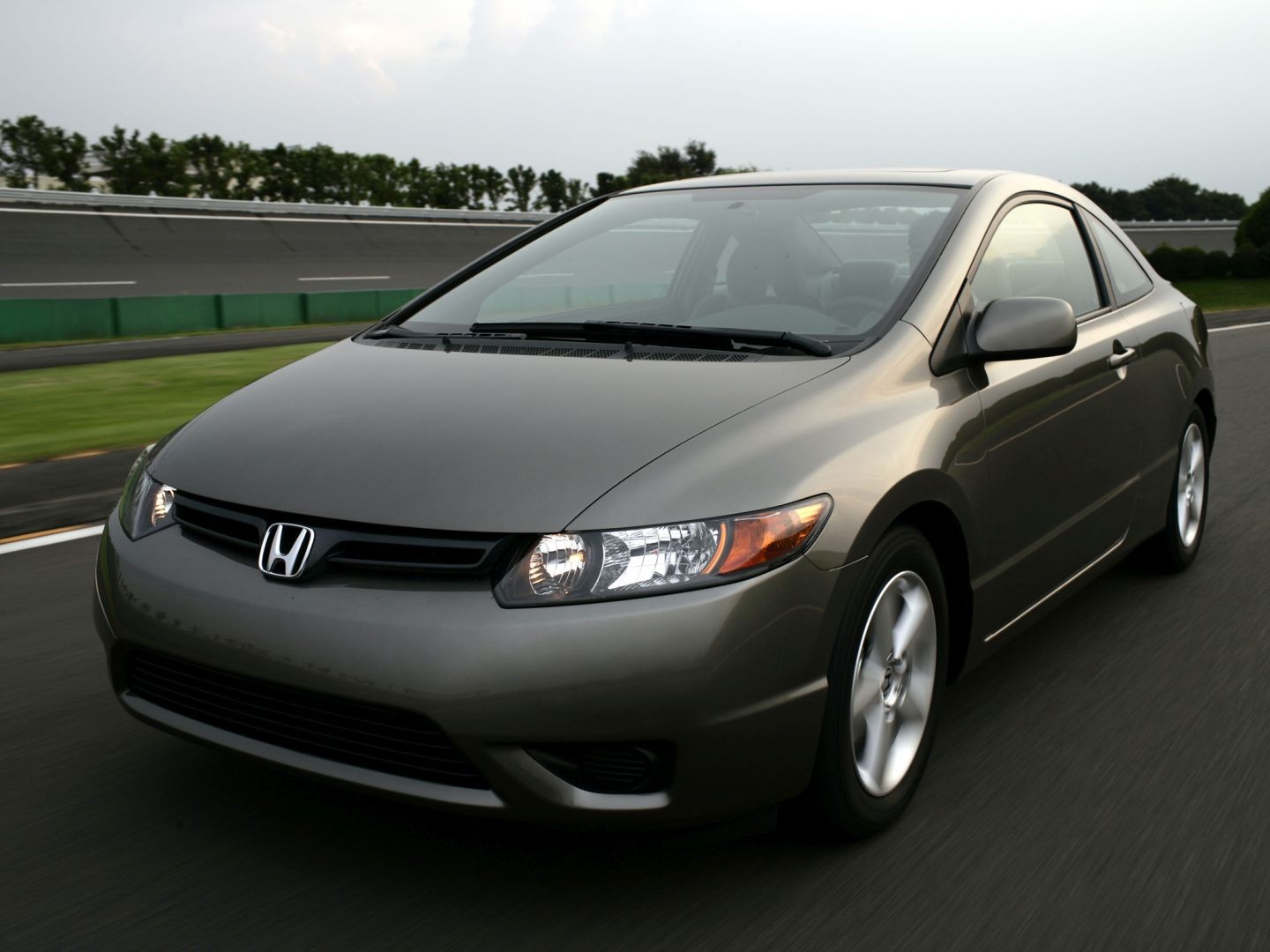
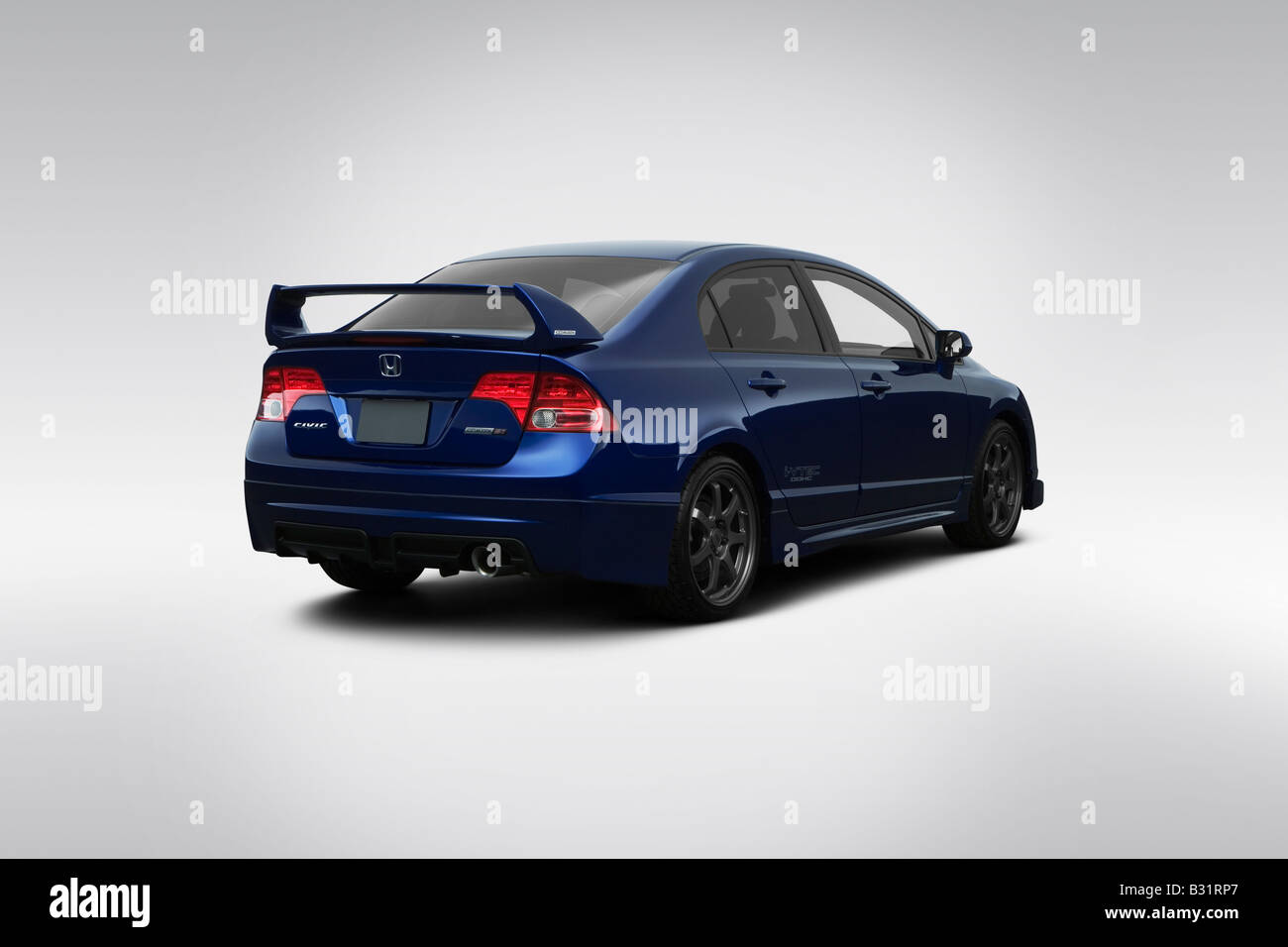
The 2008 Honda Civic represents the eighth generation of the model, characterized by its "one-motion" design and a split-level instrument panel. For owners looking to modify this vehicle, it is essential to distinguish between the various engine configurations. The standard trims feature the 1.8-liter R18A1 engine, which is optimized for fuel efficiency rather than performance. In contrast, the Si trim features the 2.0-liter K20Z3 engine, a platform with significant aftermarket support due to its robust architecture and high-RPM capabilities.
Before beginning any modifications, assess the current condition of your vehicle. A 2008 model is now approaching two decades of service; therefore, performance upgrades should be secondary to ensuring the vehicle’s mechanical health. Focus on replacing aged rubber bushings, worn ball joints, and degraded cooling hoses before investing in performance parts. Starting with a solid mechanical foundation ensures that subsequent modifications yield the expected performance results rather than exacerbating existing fatigue.
Suspension Upgrades for Improved Handling
The eighth-generation Civic uses a MacPherson strut front suspension and a double-wishbone rear setup. This geometry provides an excellent starting point for handling improvements. For many street-driven Civics, a set of high-quality lowering springs or adjustable coilovers is the first step toward reducing body roll and improving aesthetic stance.
When selecting a suspension system, consider the trade-off between stiffness and comfort. For daily driving, a mild lowering spring combined with high-quality dampers (such as Koni or Bilstein) often provides a superior balance of handling and ride quality compared to budget-oriented coilovers. If you choose coilovers, ensure they feature adjustable dampening settings so you can soften the ride for daily commuting and stiffen it for more spirited driving.
To complement suspension changes, consider the following chassis stiffening components:
- Rear Sway Bar: Upgrading the rear sway bar on an R18-powered Civic significantly reduces understeer and tightens turn-in response.
- Strut Tower Braces: These minimize chassis flex across the front shock towers, providing more precise steering feedback.
- Lower Control Arm Bushings: Replacing OEM rubber with polyurethane bushings limits unwanted suspension geometry changes during hard cornering.
Optimizing Engine Performance
Engine modifications for the 2008 Civic vary drastically based on the engine variant. For the R18, the most common modifications are "bolt-ons" aimed at improving volumetric efficiency. A high-flow air intake system, paired with a freer-flowing exhaust, allows the engine to breathe more easily at higher RPMs. However, do not expect massive horsepower gains from these changes alone; the R18 is naturally aspirated and limited by its factory intake manifold design.
The K20Z3 engine in the Si trim responds much more aggressively to modifications. Common performance paths include:
- Cold Air Intake (CAI): Relocating the intake filter to a cooler area away from the engine block allows for denser air intake.
- Exhaust Headers: Replacing the restrictive factory manifold with a performance header—particularly a "race" style header if local regulations permit—drastically improves exhaust gas scavenging.
- ECU Tuning: This is the most critical step for the Si. An aftermarket flash tool allows for adjustments to the VTEC engagement point, ignition timing, and fuel mapping, which can unlock significant mid-range torque and smoothness.
Comparing Modification Paths
| Modification Type | Primary Benefit | Typical Cost | Difficulty Level |
|---|---|---|---|
| Cold Air Intake | Improved throttle response | $200 – $400 | Low |
| Coilover Kit | Handling and stance | $800 – $2,000 | Moderate |
| ECU Flash/Tune | Power and powerband shift | $400 – $700 | Low |
| Performance Headers | Increased exhaust flow | $300 – $900 | High |
| Rear Sway Bar | Reduced understeer | $150 – $300 | Moderate |
Braking and Drivetrain Reliability
With increased performance comes the need for increased stopping power. Upgrading to higher-friction brake pads and stainless steel braided brake lines provides a firmer pedal feel and better heat management. For most street applications, factory-sized performance rotors are sufficient; avoid cross-drilled rotors, which are prone to cracking under extreme heat, and opt for high-quality slotted or blank rotors instead.
Regarding the transmission, eighth-generation Civics—particularly those with manual transmissions—can suffer from gear synchronization issues. If you are performing engine modifications that increase torque, consider a lightweight flywheel and an upgraded clutch kit. A stage 1 or stage 2 clutch is usually sufficient for street use, offering better grip without the extreme pedal effort associated with race-ready clutches. Always ensure your transmission fluid is fresh; using high-quality synthetic fluid can often resolve minor notchiness in gear changes.
Exterior and Interior Considerations
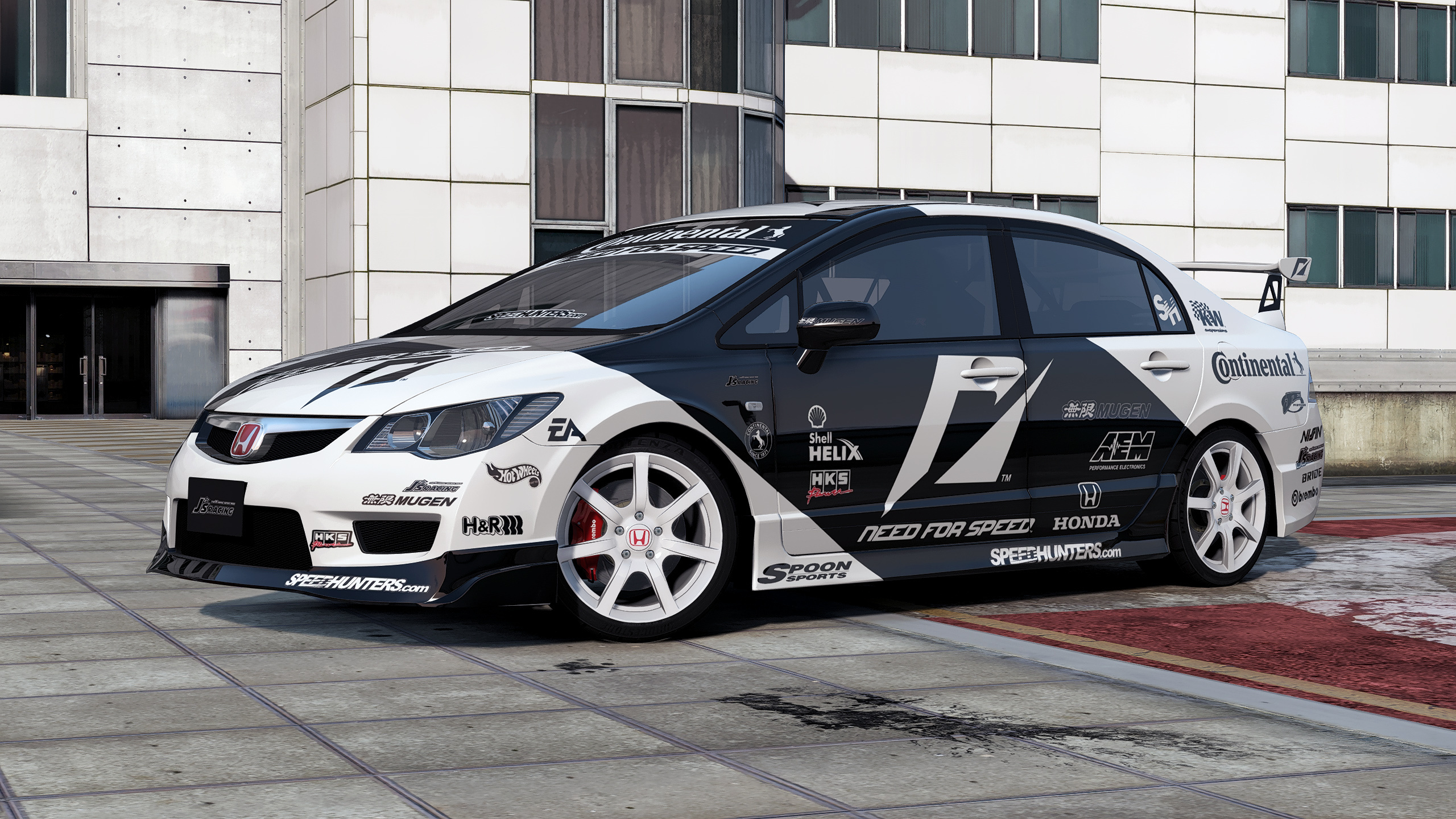
Modifying the 2008 Civic is as much about aesthetics as it is about performance. Because this generation is popular in the tuner community, there is a wealth of options for aerodynamic components, such as front lips, rear diffusers, and side skirts. When selecting these parts, prioritize high-quality materials like polyurethane or carbon fiber. Polyurethane is preferred for street use as it can flex during minor impacts without shattering, unlike fiberglass or cheap ABS plastics.
Inside the cabin, the primary point of interaction is the shifter and steering wheel. Short-throw shifters are a popular modification for the 2008 Civic, as they reduce the physical distance required to change gears, creating a more tactile and engaging driving experience. Pairing a short shifter with a weighted shift knob can significantly improve the quality of every gear change. Additionally, upgrading the factory audio system with a modern head unit featuring smartphone integration (Apple CarPlay or Android Auto) is a standard update for 2026, making the vehicle feel significantly more modern without altering its core character.
Legal and Environmental Compliance
Before purchasing performance parts, particularly exhaust and emission-related components, verify their legality in your jurisdiction. In many regions, modifying the catalytic converter or removing emissions control equipment is strictly prohibited and will result in the vehicle failing inspection. Always look for parts that carry an Executive Order (EO) number or are marked as 50-state legal if you intend to drive the vehicle on public roads.
Furthermore, ensure that any engine performance tuning is performed by a reputable shop. Improper tuning can lead to engine knock, lean conditions, and catastrophic failure of the piston rings or valves. Never use "piggyback" systems or universal chips that promise massive gains for low prices; these often trick the ECU into improper sensor readings, which is detrimental to the engine's long-term health.
Troubleshooting Common Issues
Modification often leads to unexpected results, such as "check engine" lights or unusual vibrations. If you install an intake and encounter a persistent lean code (P0171), check for vacuum leaks at every connection point. Intake systems change the diameter of the piping where the Mass Air Flow (MAF) sensor is mounted, which can cause the computer to miscalculate the amount of air entering the engine. Proper tuning is usually required to recalibrate the MAF scaling after an intake installation.
Vibrations are another common symptom of stiffened mounts. If you upgrade to polyurethane engine mounts to reduce engine movement, expect a significant increase in cabin noise, vibration, and harshness (NVH). This is normal for track-oriented parts, but it may be considered excessive for a daily driver. If the vibration becomes unbearable, reverting to "soft" street-compound mounts or keeping the factory hydraulic mounts is often the best solution.
Practical Next Steps for Your Build
To begin your modification project, start by defining the primary goal of your 2008 Honda Civic. If the goal is a reliable daily driver with a more "planted" feel, prioritize a high-quality set of springs and a rear sway bar. If the goal is to increase the performance of an Si model, focus your budget on a cold air intake, a high-quality exhaust header, and a professional dyno tune.
Document every change you make to the vehicle in a logbook. Include the date, the mileage, the specific part installed, and any maintenance performed alongside it. This record is invaluable for troubleshooting future issues and adds transparency if you decide to sell the vehicle in the future. By maintaining a clean, well-documented, and mechanically sound build, you ensure that your 2008 Honda Civic remains an enjoyable and reliable machine for years to come.
![2008 Honda Civic Type-R (FD2) [[Add-On | Tuning | Mugen | J'S Racing ...](https://img.gta5-mods.com/q95/images/2008-honda-civic-type-r-fd2-add-on-rhd-mugen-j-s-racing/889938-20180608011156_1.jpg)