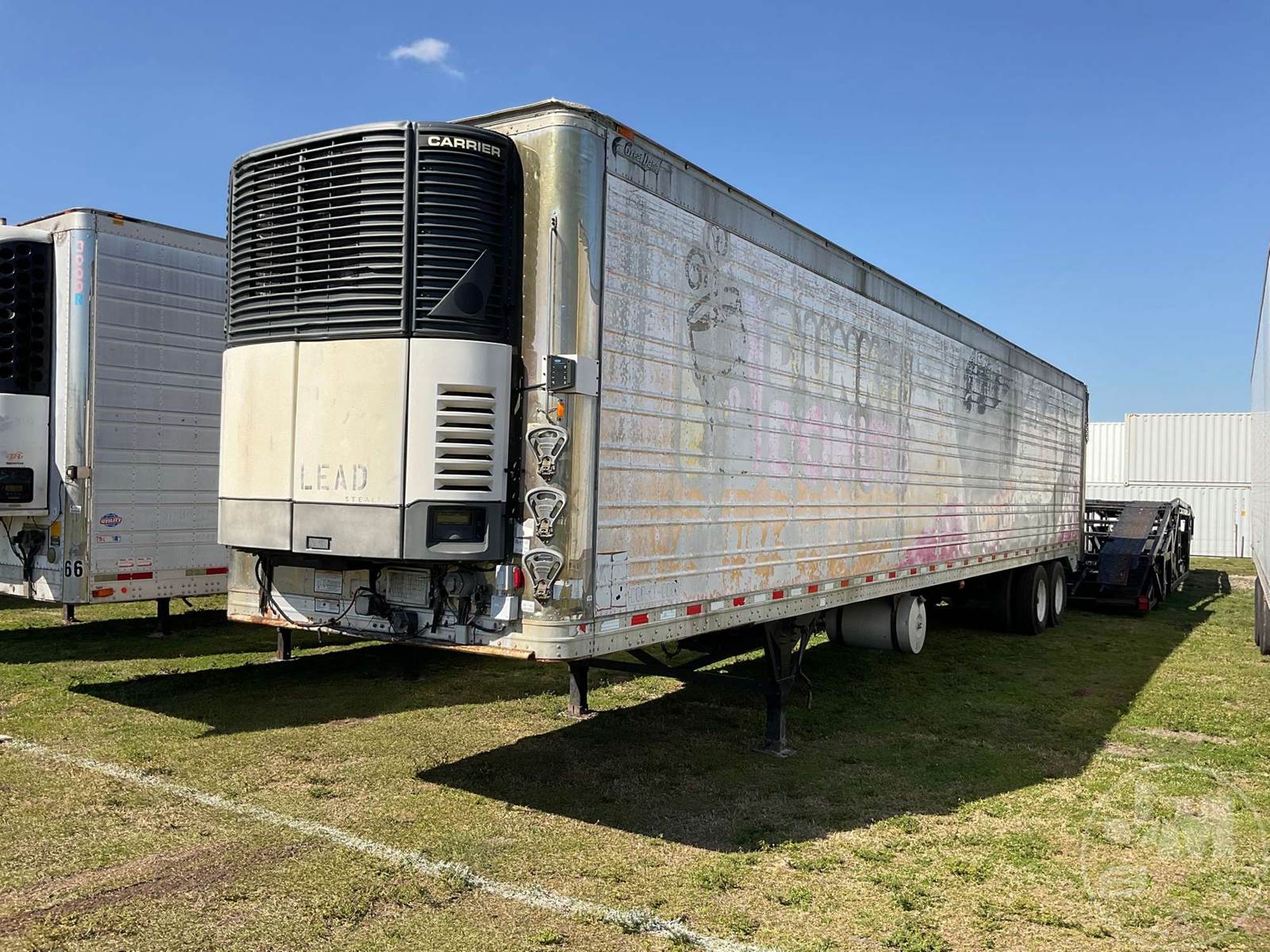
A 2007 Great Dane trailer represents a mature asset in the modern logistics landscape, valued primarily for its robust construction, standardized parts, and long-term durability. Buyers and operators should prioritize inspecting structural integrity, suspension wear, and brake system compliance to ensure these legacy units remain road-ready and compliant with current Department of Transportation (DOT) safety regulations in 2026.
The Legacy of Great Dane Engineering
Great Dane has long maintained a reputation as an industry leader in trailer manufacturing, and the 2007 model year serves as a prime example of the company’s commitment to longevity. By 2007, Great Dane was already utilizing advanced assembly techniques, such as their proprietary corrosion-resistant coatings and high-tensile steel crossmembers. For the owner-operator or fleet manager in 2026, understanding the build quality of these trailers is essential for assessing their current value.
These trailers were typically manufactured with a focus on high-utilization environments. The standard dry van configurations from this era often featured a combination of aluminum and steel components designed to withstand the rigors of interstate hauling. Because these units are nearly two decades old, their current performance relies heavily on the quality of maintenance they received during their previous years of service.
Structural Integrity and Inspection Priorities
When evaluating a 2007 Great Dane trailer today, the most critical factor is the structural health of the chassis and the trailer box. Exposure to road salt, moisture, and varying climate conditions over 19 years can lead to significant degradation in areas that are not immediately visible.
- Crossmember Condition: Inspect the underside of the trailer specifically for signs of bowing, rust-jacking (where rust expands between metal layers), or cracking. Aluminum crossmembers are generally more resistant to corrosion but can suffer from fatigue over time, while steel crossmembers must be checked for deep pitting that compromises thickness.
- Side Wall Panel Integrity: Check for punctures, patches, or buckling. By 2007, Great Dane was using sophisticated riveting and sealing techniques, but the natural expansion and contraction cycles over two decades can lead to rivet failure and panel separation.
- Roof System: Examine the roof for pinholes or seam separations. Water intrusion is the most common cause of interior floor rot, which can lead to expensive structural repairs. Ensure that the translucent roof panels, if equipped, have not become brittle or opaque, which can indicate excessive UV damage.
- Floor Condition: The condition of the hardwood or composite flooring is a primary indicator of how the trailer was used. Look for soft spots near the rear doors, which suggest previous moisture ingress, and check the structural floor-to-wall connection.
Mechanical Systems and Compliance in 2026
Safety compliance is non-negotiable for any commercial vehicle operating in 2026. Regardless of the trailer’s age, it must meet current Federal Motor Carrier Safety Administration (FMCSA) requirements.
Brake and Air System
The braking system on a 2007 unit is likely a drum-brake setup. Operators must ensure that the slack adjusters, brake chambers, and air lines are in working order. If the trailer has been sitting idle, the risk of moisture in the air lines and internal valve corrosion is high. It is standard practice to flush the air system and test the ABS (Antilock Braking System) module. While 2007 models were equipped with basic ABS, verifying that the diagnostic light functions correctly during a power-up cycle is a required step for road safety.
Suspension and Axle Components
Check the bushing integrity of the suspension. 2007 models often featured air-ride suspensions, which rely on rubber airbags and shock absorbers. These components have a finite lifespan; if they have not been replaced within the last 5 to 7 years, they should be considered high-risk components. Additionally, ensure the wheel bearings are properly greased and the axle alignment is verified to prevent premature tire wear, which can significantly increase operating costs.
Comparison Table: 2007 Great Dane vs. Modern Standards
| Feature | 2007 Great Dane Specs | 2026 Industry Standard | Maintenance Implications |
|---|---|---|---|
| Lighting | Incandescent / Early LED | Full LED Systems | 2007 units often require LED retrofits |
| Brake System | Standard Drum | Disc Brakes Common | Drums require more frequent adjustment |
| Materials | High-Tensile Steel | Lightweight Composites | 2007 units are generally heavier |
| Corrosion | Standard Galvanization | Advanced Hot-Dip/Coating | 2007 requires frequent rust treatment |
Logistics and Operational Suitability
A 2007 Great Dane trailer is best suited for regional hauls, dedicated drop-and-hook applications, or static storage usage rather than long-haul, high-frequency operations. Its weight—often slightly higher than modern composite or lightweight aluminum trailers—might impact fuel economy if compared against a 2026 model.
For businesses looking to acquire these trailers, the total cost of ownership (TCO) calculation must account for the initial purchase price plus the immediate capital expenditure required to bring the unit up to 2026 safety standards. This includes mandatory lighting upgrades (moving from incandescent to modern high-visibility LEDs), tire replacements (ensuring DOT-compliant tread depth and age), and potentially replacing the floor and seals to prevent cargo damage.
Frequently Asked Questions
Are parts still available for 2007 Great Dane trailers? Yes, Great Dane maintains a robust aftermarket parts network. Because they utilized standardized dimensions and components, many generic parts, such as brake shoes, air bags, and lighting components, remain widely available through major heavy-duty truck parts distributors.
What is the expected lifespan of a 2007 dry van? With proper maintenance, a well-cared-for Great Dane dry van can remain operational for 25 to 30 years. In 2026, a 2007 model is approaching the end of its typical commercial primary-service life but is often transitioning into secondary service or storage.
Should I replace the ABS system on a 2007 trailer? You are not required to upgrade the system unless it is malfunctioning. However, if the ECU (Electronic Control Unit) fails, it is often more cost-effective to replace it with a modern, compatible unit rather than seeking obsolete parts. Always ensure the trailer’s ABS indicator light works during the tractor-trailer connection check.
Does a 2007 trailer qualify for modern fleet telematics? Yes, telematics systems are universally applicable. You can install GPS tracking, door sensors, and cargo monitoring systems on a 2007 unit by hardwiring them into the trailer’s 7-way electrical harness, just as you would with a new unit.
What is the most common failure point for this model year? The most frequent issues relate to floor rot and corrosion at the rear door frame. These areas are prone to moisture collection, and neglecting them can lead to structural weakness that fails DOT roadside inspections.
Recommendations for Current Owners
If you currently own or are considering the purchase of a 2007 Great Dane trailer, begin by performing a full "Annual Inspection" as defined by Appendix G of the Federal Motor Carrier Safety Regulations. Focus specifically on the frame rails, the kingpin assembly, and the rear header.
For those using the trailer for storage, prioritize the roof and door seals to prevent interior mildew. For those intending to keep the trailer on the road, invest in a professional alignment check and a full brake service. Given the age of the unit, replacing the lighting harness entirely with a modern sealed LED system will resolve 90% of the common electrical intermittent issues found in trailers of this vintage.