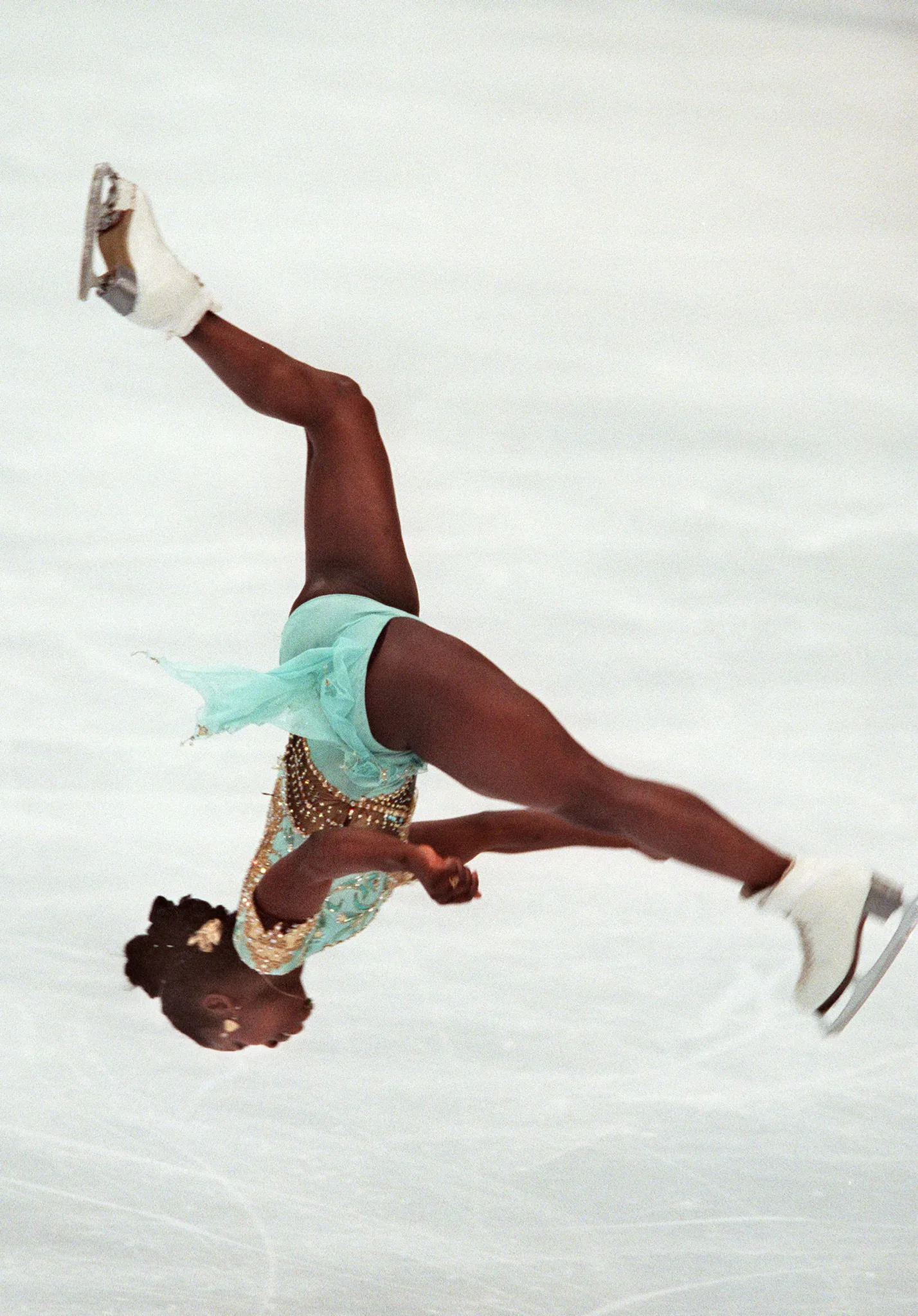
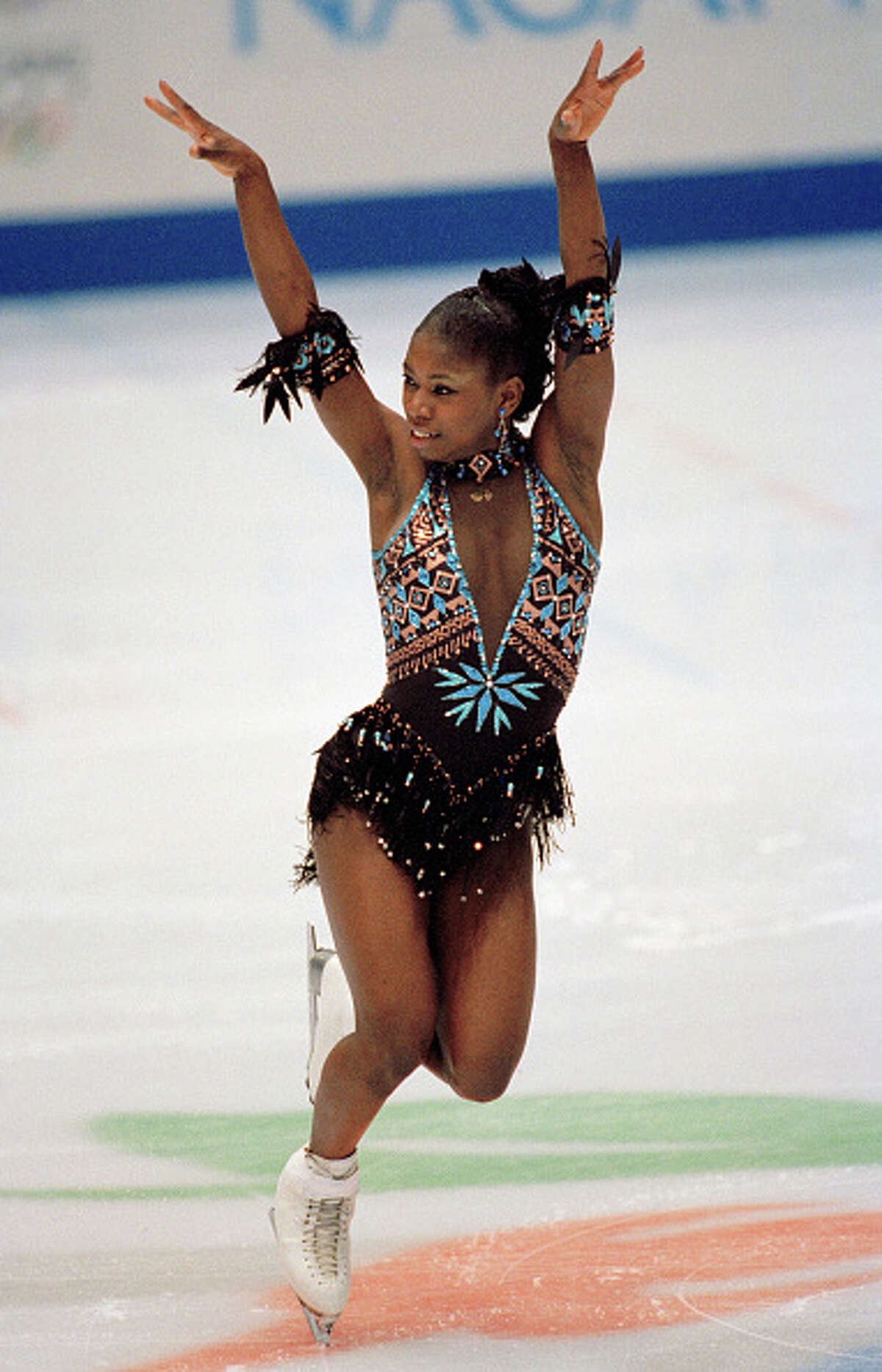
The 1998 Winter Olympics, officially known as the XVIII Olympic Winter Games, were hosted by Nagano, Japan. Held from February 7 to February 22, 1998, the Games marked the second time the Winter Olympics took place in Japan, following the 1972 Sapporo Games, and successfully showcased the country's technological advancement and cultural heritage.
Historical Context: Why Nagano?
The journey to becoming the 1998 Olympics city was a decade-long endeavor for Nagano. The city, nestled in the heart of the Japanese Alps, was selected by the International Olympic Committee (IOC) during the 97th IOC Session in Birmingham, England, on June 15, 1991. Nagano faced stiff competition from several world-class winter sports hubs, including Salt Lake City (USA), Östersund (Sweden), Jaca (Spain), and Aosta (Italy).
Nagano’s bid was centered on a philosophy of "Coexistence with Nature." At the time, the world was becoming increasingly conscious of environmental impacts, and the Nagano Organizing Committee (NAOC) promised to deliver "The Games from the Heart." The selection was significant because it brought the Winter Games back to Asia for the first time in 26 years, highlighting the region's growing influence in the global sports arena.
The preparation for 1998 involved massive infrastructure overhauls. The most notable was the extension of the Shinkansen (bullet train) line from Takasaki to Nagano. This logistical feat reduced the travel time from Tokyo to Nagano from approximately three hours to just 79 minutes. This infrastructure legacy remains one of the most critical factors in Nagano’s current status as a premier tourist and commuter hub in 2026.
Key Statistics and Facts about the 1998 Winter Games
To understand the scale of the 1998 Olympics, it is essential to look at the numbers and the organizational scope. The Games were not just a sporting event but a demonstration of Japanese efficiency and hospitality.
| Feature | Details |
|---|---|
| Host City | Nagano, Japan |
| Opening Date | February 7, 1998 |
| Closing Date | February 22, 1998 |
| Participating Nations | 72 |
| Athletes | 2,177 (787 women, 1,390 men) |
| Events | 68 in 7 sports (14 disciplines) |
| Official Mascots | The Snowlets (Sukki, Nokki, Lekki, Tsukki) |
| Main Stadium | Minami Nagano Sports Park |
| Top Medalist Nation | Germany (29 total medals) |
Venues and Infrastructure: The Architectural Footprint
The 1998 Olympics city was divided into several zones, utilizing both the urban center of Nagano City and the surrounding mountain districts. The architecture of the venues was designed to reflect both modern functionality and traditional Japanese aesthetics.
Nagano City (The Ice Venues)
Nagano City served as the hub for ice-based sports. The venues were engineered with state-of-the-art refrigeration and climate control systems:
- M-Wave (Nagano Prefectural Speed Skating Arena): Named for its distinctive wave-shaped roof that mimics the surrounding mountain peaks, this venue remains one of the largest wooden-roofed structures in the world. It hosted the speed skating events.
- Big Hat (Nagano City Wakasato Tamokuteki Sports Arena): This venue hosted the ice hockey finals. Its name is derived from its rounded, hat-like silhouette.
- White Ring (Nagano City Mashima General Sports Arena): Known for its elegant, circular design, it was the site for figure skating and short-track speed skating.
- Aqua Wing: Originally designed for ice hockey, this venue was later converted into a public swimming facility, demonstrating successful post-Olympic repurposing.
The Mountain Districts (The Snow Venues)
The alpine and nordic events were spread across the mountainous terrain of the Nagano Prefecture, which provided the necessary elevation and snow quality:
- Hakuba: Located about an hour from Nagano City, Hakuba hosted the ski jumping, Nordic combined, and alpine skiing (downhill and super-G) at the Hakuba Happo-One Winter Resort. The Hakuba Ski Jumping Stadium remains an iconic landmark today.
- Nozawa Onsen: This traditional hot spring village hosted the biathlon events.
- Yamanouchi: Shiga Kogen, one of Japan's largest ski areas, hosted the snowboarding and alpine giant slalom events.
- Karuizawa: Interestingly, Karuizawa hosted the curling events. This made Karuizawa the only city in the world to have hosted events in both the Summer (1964 Tokyo Games equestrian) and Winter Olympics.
Sports Milestones: New Disciplines and Iconic Performances
The 1998 Games were a turning point for the Winter Olympics, introducing sports that are now considered staples of the winter program.
The Debut of Snowboarding
Snowboarding made its official Olympic debut in 1998 with giant slalom and halfpipe events. The debut was not without controversy. Canadian rider Ross Rebagliati won the first-ever gold medal in snowboarding but was briefly disqualified after testing positive for marijuana. The decision was later overturned by the Court of Arbitration for Sport (CAS) because marijuana was not on the list of prohibited substances at the time, and the gold was returned to him.
The Return of Curling
While curling had been a demonstration sport several times, 1998 marked its return as an official medal sport for the first time since the inaugural 1924 Winter Olympics. The inclusion helped popularize the sport in Asia, particularly in Japan.
Women’s Ice Hockey
For the first time in Olympic history, women’s ice hockey was added to the program. The United States defeated Canada in the final to take the inaugural gold, sparking a long-standing rivalry that continues to dominate the sport today.
Legendary Athlete Performances
The 1998 Olympics city witnessed some of the most dramatic moments in sports history:
- Hermann Maier (The Hermannator): The Austrian alpine skier survived one of the most horrific-looking crashes in Olympic history during the downhill race. Remarkably, he returned just days later to win gold medals in both the Super-G and Giant Slalom.
- Tara Lipinski: At age 15, the American figure skater became the youngest individual gold medalist in Winter Olympics history, narrowly beating teammate Michelle Kwan in a flawless long program.
- Bjørn Dæhlie: The Norwegian cross-country skier won three gold medals in Nagano, bringing his career total to eight golds and twelve medals overall, solidifying his status as one of the greatest Olympians of all time.
Environmental Sustainability and the "Nature" Theme
Nagano 1998 set a precedent for environmental stewardship in the Olympic movement. The organizers implemented several "green" initiatives, such as using low-emission vehicles for transport and constructing venues with recycled materials where possible. The "One School, One Country" program was another cultural success, where local schools "adopted" a participating nation to learn about its culture and cheer for its athletes, fostering international goodwill.
The mascots, the Snowlets, were four owls named Sukki, Nokki, Lekki, and Tsukki. They represented the four major islands of Japan and the four years that make up an Olympiad. Owls were chosen because they symbolize "forest wisdom" and aligned with the environmental theme of the Games.
Economic Impact and the Post-Olympic Legacy (View from 2026)
As of 2026, the legacy of the 1998 Olympics city is a subject of both praise and study. The immediate economic impact was a mixture of massive public spending and long-term infrastructure benefits.
Infrastructure Success
The Hokuriku Shinkansen is perhaps the greatest legacy of the Games. In 2026, it serves as a vital artery for Japanese tourism, allowing millions of visitors to reach the Japan Alps with ease. This connectivity has transformed Nagano from a quiet prefecture into a global destination for winter sports and mountain trekking.
Venue Utilization
Unlike some former host cities that struggle with "white elephants" (abandoned venues), Nagano has seen varying degrees of success:
- M-Wave: Remains a premier international venue for speed skating and also serves as a concert hall and exhibition center.
- Hakuba Ski Jumps: These are still used for international competitions and are a major tourist attraction where visitors can take a chairlift to the top of the K-point.
- The Spiral: The bobsleigh and luge track faced higher maintenance costs and was eventually decommissioned for active sliding, though it remains a point of interest for Olympic historians.
Tourism and Brand Recognition
The 1998 Games put "Nagano" on the map for international travelers. Regions like Hakuba and Nozawa Onsen have seen a massive influx of international residents and developers, particularly from Australia and North America, creating a vibrant, multicultural ski culture that thrives in the current 2026 season.
Visiting Nagano Today: A 2026 Guide for Olympic Fans
For those traveling to the 1998 Olympics city in 2026, the spirit of the Games is still very much alive. A "Legacy Tour" is a popular way to experience the history.
- Nagano Olympic Museum: Located within the M-Wave arena, the museum houses a vast collection of torches, medals, uniforms, and equipment from the 1998 Games. It offers an immersive look at the opening and closing ceremonies.
- Zenkou-ji Temple: While not a sports venue, this 7th-century temple was the spiritual heart of the Games. The bells of Zenkou-ji rang out to signal the start of the Olympics, and it remains a must-visit site for any traveler to the city.
- The Olympic Village: Located in the Imai district, the former athlete housing is now a residential complex, but commemorative plaques and sculptures remind residents of its historical significance.
FAQ: Common Questions about the 1998 Nagano Olympics
What was the official motto of the 1998 Nagano Olympics?
The official motto was "Coexistence with Nature." This theme influenced everything from the design of the medals (which featured traditional lacquerware techniques) to the construction of the venues, emphasizing harmony between human achievement and the natural environment.
Which country won the most medals in the 1998 Winter Olympics?
Germany finished at the top of the medal table with a total of 29 medals (12 gold, 9 silver, and 8 bronze). Norway followed in second place, and Russia in third. The host nation, Japan, had its best-ever Winter Olympic performance at that time, winning 10 medals, including 5 golds.
Is the 1998 Olympic bobsleigh track still open?
No, the bobsleigh and luge track, known as "The Spiral," was officially closed for competitive use in 2018 due to high maintenance costs. While the structure still exists, it is no longer refrigerated or used for international sliding events, though parts of the site are accessible for sightseeing.
How did the 1998 Olympics change snowboarding?
The 1998 Games were the first to include snowboarding. Despite the initial doping controversy involving Ross Rebagliati, the Games successfully transitioned snowboarding from a niche "rebel" sport to a mainstream Olympic discipline. It paved the way for the inclusion of other freestyle events like slopestyle and big air in later years.
Can you still ski on the Olympic runs in Nagano?
Yes, the Olympic runs at Hakuba Happo-One, Shiga Kogen, and Nozawa Onsen are all open to the public. Many of these runs are clearly marked with Olympic signage, allowing recreational skiers to test their skills on the same slopes used by world champions like Hermann Maier and Katja Seizinger.
Practical Recommendation for Travelers
If you are planning a visit to the 1998 Olympics city, the best approach is to base yourself in Nagano City for the ice venue tours and access to Zenkou-ji Temple, then use the Hokuriku Shinkansen or local "Snow Monkey" express buses to reach the mountain resorts. For the most authentic experience, visit during the Nagano Tomyo Festival in February, which commemorates the 1998 Games by lighting up the city and Zenkou-ji Temple with lanterns, celebrating the "Light of Peace" that the Olympics brought to the region.