Locating and analyzing a 1970 Florida life insurance agent list involves understanding historical insurance regulation, state licensing archives, and the evolution of the Florida Department of Insurance. Researchers, legal investigators, and historians often look for these vintage rosters to verify policy origins, trace defunct corporate entities, study professional genealogy, or research genealogical and estate details. Because life insurance licensing records from the early 1970s predate modern digital database architectures, accessing this information requires navigating paper-based state archives, microfilmed records, and historical regulatory publications rather than standard online search portals.
Navigating mid-century insurance records in Florida requires an understanding of how the industry was supervised during a period of significant economic expansion. The 1970s marked a transitional phase for insurance marketing, consumer protection laws, and corporate reporting requirements in the United States. Examining historical licensing records sheds light not only on specific practitioners but also on the structural framework governing financial products during that era.
The Regulatory Framework of Florida Insurance in 1970
During the 1970 legislative and administrative cycle, the regulation of insurance agents, brokers, and adjusters in Florida was managed through the Office of the State Treasurer, who simultaneously served as the state Insurance Commissioner. The Bureau of License Investigation within the Department of Insurance handled the direct oversight, examination, and issuance of licenses for life and health insurance agents.
Under Florida statutes active in 1970, anyone soliciting, negotiating, or effecting life insurance contracts within the state had to maintain an active license tied to an authorized insurer. The state maintained rigorous statutory controls over agent appointments. An agent could not legally conduct business without an active appointment from a licensed legal reserve life insurance company or fraternal benefit society operating within Florida's borders.
Statutory Requirements for 1970 Life Agents
- Residency and Citizenship: Most licenses required applicants to be bona fide residents of Florida, though non-resident licenses were available under specific reciprocal agreements with other states.
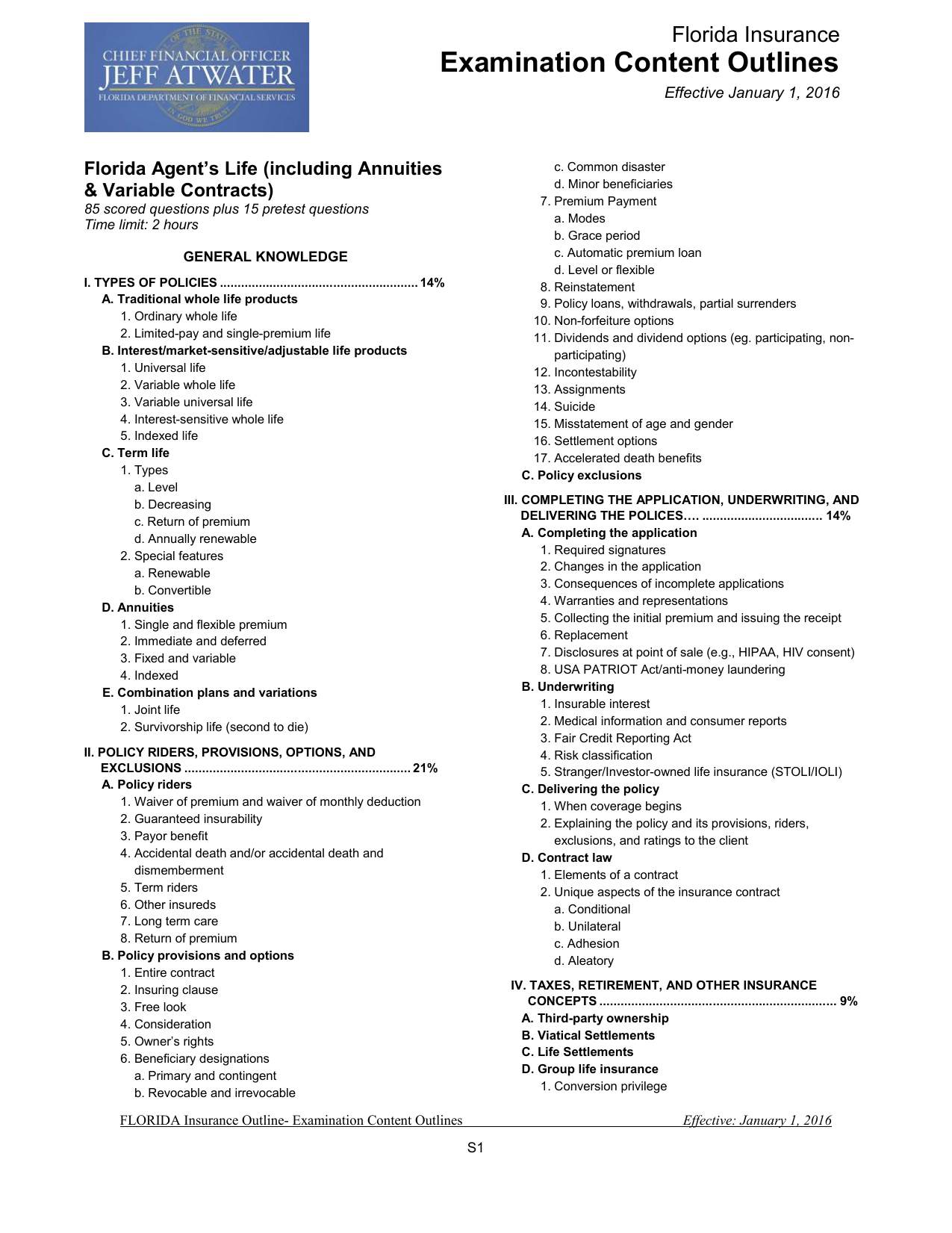
- Pre-licensing Education: Candidates were required to complete structured classroom hours or company-sponsored training courses approved by the Insurance Commissioner before sitting for licensing examinations.
- Examination Mandate: Written examinations administered or approved by the Department of Insurance tested knowledge of life insurance principles, annuity contracts, and state insurance laws.
- Appointment Filings: Insurance companies were legally obligated to file formal appointment notices and pay associated appointment fees for every agent representing them.
Purpose and Function of Historical Agent Lists
In the pre-digital era, state insurance departments periodically published comprehensive directories or rosters of licensed agents. These rosters served multiple functions for regulators, insurance companies, and the general public.
For regulators, published lists acted as a public registry to verify that individuals selling financial products possessed active legal credentials. For insurance companies, these directories facilitated networking, recruitment, and verification of competing or partnering agents across different counties, from Miami and Jacksonville to rural panhandle communities. For consumers and legal representatives, a historical agent list provides verifiable evidence of an agent’s standing with the state during a precise calendar year. This is particularly valuable in modern legal and financial investigations involving whole life policies, endowment plans, or annuities purchased in 1970 that have matured, lapsed, or become subject to unclaimed property claims.
Common Scenarios Requiring Historical Roster Research
- Policy Tracing: Locating the original issuing agent or agency of record when evaluating a vintage life insurance policy discovered in estate documents.
- Corporate Compliance Audits: Investigating the legal authority of an agency or representative involved in historical corporate transactions or pension structuring.
- Genealogical and Biographical Research: Documenting the professional history and employment timelines of ancestors or historical figures who worked in the Florida financial sector.
- Litigation Support: Establishing standard practices, agency relationships, and regulatory compliance standards applicable during the 1970 insurance market cycle.
Archival Sources and Where to Find 1970 Records
Because the year 1970 falls outside the retention windows of modern active licensing databases, finding an official agent list requires utilizing specialized archival repositories. The Florida Department of Financial Services (which succeeded the Department of Insurance) maintains current licensing databases, but historical records are transferred to state archives for preservation.
Researchers investigating this era typically rely on state library holdings, university special collections, and state archives. State documents depository libraries across Florida often retain historical annual reports published by the Insurance Commissioner. These reports frequently included statistical summaries of licensed personnel and, in certain editions, appendices listing licensed entities or authorized insurers.
Primary Repositories for Florida Insurance Archives
- State Library and Archives of Florida: Located in Tallahassee, this institution holds official publications, legislative reports, and administrative records from the Department of Insurance dating back to the 19th century.
- University Special Collections: Research institutions such as the University of Florida and Florida State University house historical state documents, business archives, and Floridiana collections that may contain regulatory rosters.
- Microfilm and Digitized Periodicals: Historical trade publications such as regional insurance journals often published updates, new license issuances, and disciplinary actions from the Florida Insurance Commissioner throughout 1970.
Comparison of Access Methods for Historical Insurance Data
| Access Method | Primary Repository | Information Depth | Best Used For |
|---|---|---|---|
| State Archives Records | State Library and Archives of Florida | Comprehensive official rosters, appointment filings, and disciplinary logs | Legal verification, policy tracing, and official historical research |
| State Library Annual Reports | Florida Department of Insurance Annual Reports | Summary statistics, authorized insurer lists, and general regulatory data | Industry-wide analysis, market sizing, and legislative context |
| Historical Trade Publications | Regional insurance journals and trade newsletters | Monthly updates on new licenses, agency formations, and executive movements | Tracking specific agent careers and mid-century industry news |
| County Court House Records | County Clerk offices in Florida | Local business licenses, surety bond filings, and partnership registrations | Verifying local agency operations and physical office locations |
Challenges in Researching 1970s Insurance Personnel
Locating a specific name on a 1970 Florida life insurance agent list presents distinct challenges. Unlike modern databases searchable by partial names, license numbers, or zip codes, historical research often depends on manual scanning of paper documents or microfilm reels.
Furthermore, many agents operated under general agencies or independent brokerages that changed names frequently through mergers, acquisitions, or restructuring. A life insurance agent listed under a specific corporate agency name in early 1970 might have transitioned to an independent status or moved out of state by the end of that same year. Additionally, licensing records from this era were updated continuously through paper addendums rather than a single, static annual volume, meaning that a complete record requires examining quarterly or monthly bulletins issued by the Insurance Commissioner.
Verification Steps for Vintage Insurance Policies
When individuals locate a reference to a 1970 Florida life insurance agent in connection with an old policy, specific procedural steps should be followed to verify the status of both the agent and the underlying contract.
- Examine Policy Documentation: Review the physical policy document for the agent’s signature, agency stamp, and the official name of the issuing insurance company.
- Consult Regulatory Archives: Cross-reference the agent’s name and agency against state archival records or historical departmental rosters to confirm active licensure in 1970.
- Check Corporate Successor Status: Many life insurance companies operating in 1970 have since merged, rebranded, or been acquired. Determine the legal successor entity responsible for servicing old policies issued by the original carrier.
- Inquire with the State Unclaimed Property Division: If a policy has matured or been abandoned, check the Florida Bureau of Unclaimed Property to see if funds were remitted to the state under the policyholder's or agent's records.
Disclaimer: Historical research regarding insurance records, licensing, and defunct policies is provided for informational purposes only. For specific legal, financial, or estate matters involving vintage insurance contracts, consult with a qualified attorney, certified financial planner, or the appropriate state regulatory agency.
Frequently Asked Questions
Can I search for a 1970 Florida life insurance agent online?
No official online database provides a complete, searchable list of 1970 Florida life insurance agents because active state databases only maintain current and recent licensing histories. Researching records from 1970 requires accessing physical or microfilmed state archives, legislative reports, and historical trade publications housed in repositories like the State Library and Archives of Florida.
How are life insurance agent appointments documented from 1970?
In 1970, insurance companies were required to file formal appointment paperwork with the Florida Bureau of License Investigation for every agent authorized to represent them. These appointments were tracked via state ledgers and departmental administrative filings, which are preserved within state archival collections rather than digital consumer portals.
What should I do if I find an old insurance policy from 1970?
First, identify the exact legal name of the insurance carrier printed on the policy document. Because many mid-century insurers have undergone mergers or acquisitions, you must research the corporate successor to find the entity currently responsible for policy administration. You can also contact the Florida Department of Financial Services or check state unclaimed property databases if the policy has matured.
Did life insurance agents require different licenses for health insurance in 1970?
Yes, regulatory structures in 1970 typically distinguished between life insurance, health insurance, and combined life and health licensing classifications. Agents selling both types of products were required to hold separate or combined qualifications endorsed by the state Insurance Commissioner, depending on the statutory rules active during that legislative session.
Next Actions and Further Research
For those actively investigating a 1970 Florida life insurance agent list, the most effective next step is to contact the State Library and Archives of Florida to inquire about accessing historical Department of Insurance annual reports and licensing rosters on microfilm. If your research is tied to an unresolved estate or an old insurance policy, gather all available physical documentation, including policy numbers, agent names, and corporate letterhead, before submitting inquiries to state regulatory historians or corporate successor relations departments.