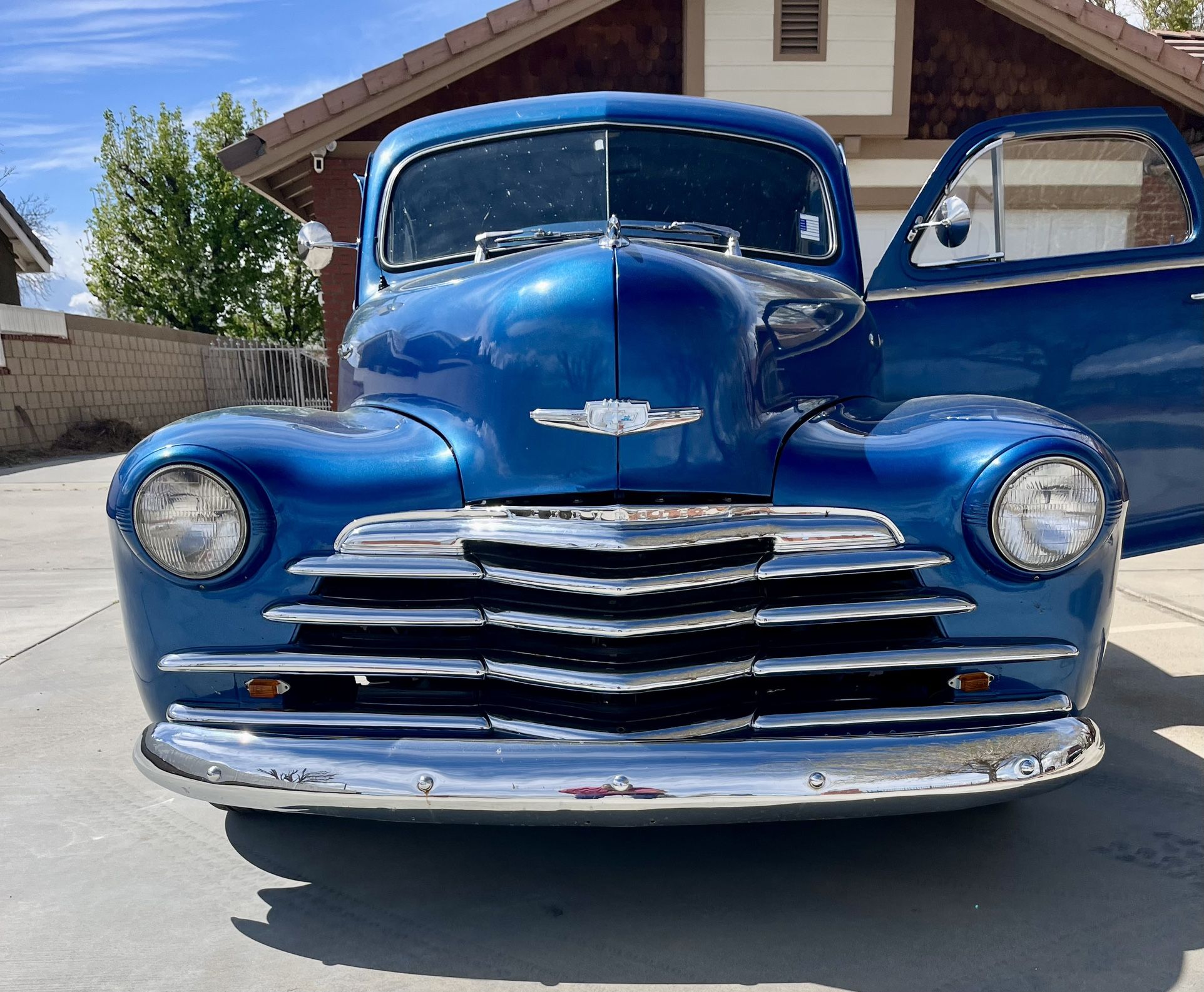
The 1948 Chevrolet four-door sedan serves as a quintessential representative of post-World War II American automotive design, offering a blend of robust mechanical engineering and classic Art Deco styling. Owning or restoring this vehicle requires a focus on sourcing period-correct parts, understanding the "Stovebolt" engine architecture, and addressing the specific structural needs of the Fleetmaster and Stylemaster trim lines that defined the 1948 production year.
Historical Context and Design Significance
By 1948, Chevrolet was operating in a unique landscape. The automotive industry had only recently transitioned back to civilian production following the conclusion of World War II. As a result, the 1948 models were largely carry-overs from the 1942 design, featuring the "Fleetline" or "Fleetmaster" styling cues that favored rounded fenders, a waterfall-style grille, and a sturdy, body-on-frame construction.
For the enthusiast or collector, the 1948 sedan represents the final year of this specific pre-war aesthetic before Chevrolet introduced the significantly redesigned "Advance Design" influenced bodies in 1949. Understanding this distinction is vital for accurate restoration, as 1948 parts are often incompatible with later 1949–1952 components despite the shared mechanical engine lineage.
Identifying Your Trim Level
Chevrolet marketed two primary tiers for the 1948 sedan: the Stylemaster and the Fleetmaster. Identifying the specific model is the first step in any maintenance or restoration project, as interior appointments, trim accents, and exterior chrome work varied significantly between the two.
- Stylemaster: This was the entry-level trim. It is characterized by simpler exterior trim, a less ornate interior, and a focus on utility. It is often the preferred choice for those seeking a "plain Jane" look or those planning a custom "hot rod" build, as there is less rare chrome to protect or source.
- Fleetmaster: This was the premium offering. It features upgraded interior upholstery, additional stainless steel and chrome molding on the exterior, and more sophisticated instrumentation. If you are restoring a vehicle for show-quality historical accuracy, confirming the presence of authentic Fleetmaster emblems and moldings is essential.
The Heart of the Machine: The 216-ci Stovebolt Engine
The 1948 Chevy four-door sedan is powered by the legendary 216.5-cubic-inch inline-six engine, affectionately known as the "Stovebolt." This engine is a masterpiece of simplicity, yet it requires specific maintenance protocols to ensure longevity.
Technical Specifications
- Engine Type: Overhead Valve (OHV) Inline-6
- Displacement: 216.5 cubic inches (3.5 liters)
- Horsepower: 90 hp at 3,300 RPM
- Fuel System: Carter one-barrel carburetor
- Electrical System: 6-volt positive ground
The most critical factor for 2026 owners is the 6-volt electrical system. While many owners opt to convert to 12-volt systems for modern convenience, maintaining the original 6-volt system preserves historical integrity. If keeping the 6-volt setup, ensure that all battery cables are of a heavy gauge to compensate for the higher amperage required to crank the engine, as undersized wires are a frequent cause of "hard start" issues in these vehicles.
Restoration Prerequisites and Planning
Restoring a 1948 Chevrolet requires a methodical approach. Because these vehicles utilize a separate chassis and body, the most effective way to address rust and mechanical failure is a frame-off restoration, though a "rolling restoration" is often more practical for the average hobbyist.
Addressing Structural Integrity
The floor pans and rocker panels are the most common areas of rust. In a four-door sedan, the B-pillar—the vertical post between the front and rear doors—is a structural load-bearing member. If your sedan has significant rot near the base of the B-pillar, you must support the body with braces before attempting to cut out or weld in new metal. Failure to do so will cause the door gaps to sag, rendering the doors impossible to align correctly.
Suspension and Steering
The 1948 model uses a knee-action suspension system in the front. Over time, the kingpins and bushings wear, leading to "wandering" steering. When sourcing replacement parts, prioritize high-quality steel over generic aluminum replacements. Proper lubrication of the steering linkage is required at every oil change interval; modern sealed-for-life components are generally not available for the original suspension geometry, making a grease gun a mandatory tool in your maintenance arsenal.
Comparative Overview: Fleetmaster vs. Stylemaster
| Feature | Stylemaster | Fleetmaster |
|---|---|---|
| Exterior Trim | Minimal | Extensive chrome/stainless |
| Interior Finish | Basic fabric | Deluxe upholstery |
| Dashboard | Standard finish | Chrome accents/upgraded dials |
| Primary Use | Budget utility | Premium family transport |
| Collector Value | Lower | Higher (due to trim rarity) |
Common Maintenance Challenges
Owning a vehicle of this vintage in 2026 presents specific logistical challenges. The availability of parts is excellent due to the massive popularity of these vehicles, but the quality of reproduction parts can vary.
Carburetion and Fuel Issues
Modern gasoline containing ethanol is the primary enemy of the 1948 Chevrolet’s fuel system. Ethanol attracts moisture and can degrade the original rubber diaphragms in the fuel pump and the float in the carburetor.
- Recommendation: Use a fuel stabilizer designed for ethanol-blended fuels.
- Upgrade: Replace the original fuel pump diaphragm with a modern, ethanol-resistant material.
- Verification: Ensure the fuel lines are clean of sediment, as the fine screens in the stock fuel system clog easily, leading to stalling under load.
Cooling System
The 216 engine is prone to overheating if the cooling system is not pristine. The radiator in a 1948 sedan is small by modern standards. If you are operating the vehicle in a hot climate, ensure the water pump is functioning at peak efficiency and that the radiator core has been professionally "rodded out" or replaced with a high-efficiency reproduction unit. Using a 50/50 mix of long-life coolant is acceptable, but ensure the system is completely flushed of old, acidic coolant that may have sat in the block for years.
FAQ: Frequently Asked Questions
1. Is it difficult to find parts for a 1948 Chevy?
No. Because the 1948 Chevrolet shares many chassis and drivetrain components with other late 1940s GM products, there is a robust secondary market for new old stock (NOS) and high-quality reproduction parts. Specialized vendors focus exclusively on 1937–1954 Chevrolet components.
2. Can I use a 1948 sedan as a daily driver in 2026?
While the car is mechanically reliable, it lacks modern safety features like seatbelts, collapsible steering columns, and crumple zones. For short, local trips, it is capable, but it is not recommended for high-speed highway commuting due to its modest top speed and braking distance requirements.
3. Should I convert the brakes to disc brakes?
For safety, many owners choose to convert the front drum brakes to discs. This is a common and highly recommended modification for 2026 owners who plan to drive in modern traffic conditions, as the original mechanical-hydraulic drums can experience "fade" in heavy stop-and-go traffic.
4. What is the biggest mistake first-time owners make?
The most common mistake is over-tightening bolts on the engine block. The cast iron used in the 1940s can be brittle. Always use a torque wrench and adhere to the original shop manual specifications rather than "tightening until it feels right."
5. Does the 1948 sedan have an oil filter?
Not all 1948 models came with an oil filter; many used a simple oil bath air cleaner and a screen in the oil pump. If your engine does not have an external canister-style oil filter, it is highly recommended to install a bypass-style kit to extend the life of the babbitt-bearing crankshaft.
Final Recommendation: Verification and Preservation
Before beginning any significant mechanical work, procure an authentic 1948 Chevrolet Shop Manual. Digital versions are available, but a physical copy provides a reliable reference in the garage. Always prioritize preserving original factory components over modern "upgrades" if you intend to maintain the vehicle's historical value. If you find the vehicle is leaking oil or experiencing rough idle, start by checking the valve lash (clearance), as the solid lifter design requires periodic adjustment to maintain engine vacuum and performance. Your goal should be to keep the engine breathing and the body protected from moisture; if you succeed in these two areas, the 1948 Chevy will remain a reliable, striking piece of history for decades to come.