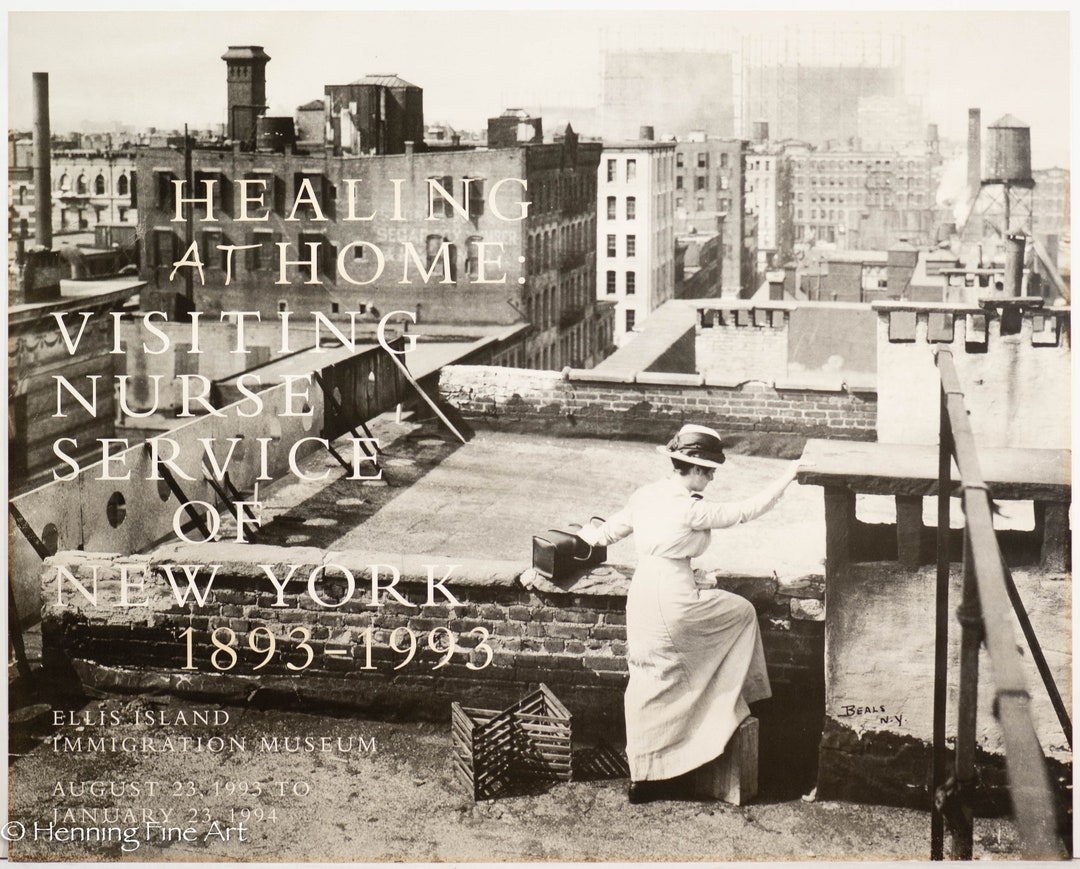
The 1909 Metropolitan Life Insurance Company visiting nurse service timeline marks a foundational moment in American public health, showcasing how a private corporation pioneered industrialized home healthcare to improve policyholder longevity, reduce mortality rates, and lower industrial insurance claim payouts.
Introduction to Industrial Insurance and the Public Health Crisis
At the dawn of the twentieth century, the American urban landscape faced severe public health challenges. Rapid industrialization, crowded tenements, and inadequate sanitation fueled devastating outbreaks of tuberculosis, typhoid, and infant diarrhea. Working-class families who purchased "industrial insurance"—small-face-value policies designed to cover burial costs and minor medical expenses—experienced disproportionately high mortality rates.
Insurance companies traditionally viewed mortality as an actuarial constant to be priced rather than a variable to be managed. However, the Metropolitan Life Insurance Company (MetLife), under the visionary leadership of Vice President Haley Fiske and President John R. Hegeman, recognized a profound economic convergence: keeping policyholders alive longer directly increased corporate profitability. By investing in preventative care and skilled nursing interventions, MetLife could reduce death claims, enhance its corporate reputation, and secure a competitive advantage in the industrial insurance market. This realization catalyzed the creation of the historic visiting nurse service in 1909, transforming corporate welfare and public health delivery.
Precursors to the 1909 Initiative: The New York City Pilot (1909)
The nationwide rollout of the visiting nurse service in 1909 did not emerge in a vacuum; it was preceded by a small-scale, highly successful pilot program in New York City that proved the viability of corporate-sponsored home healthcare.
In late 1908, MetLife partnered with the Visiting Nurse Service of New York (then operating under the Henry Street Settlement led by Lillian Wald) to test whether providing professional nursing care to sick industrial policyholders could reduce premature mortality. The pilot focused on policyholders living in congested Manhattan neighborhoods who could not afford private medical care.
The mechanics of the pilot were straightforward: when an industrial policyholder fell ill, the local district office could request a visiting nurse from the Henry Street Settlement. The nurse provided bedside care, educated the family on hygiene and nutrition, and reported back to the company. The results of the New York City experiment exceeded expectations, demonstrating a measurable drop in mortality among insured patients compared to the general population. This empirical success provided the executive justification required to scale the program nationally in 1909.
The Landmark Year: 1909 National Rollout and Expansion
The year 1909 stands as the pivotal milestone in the history of the Metropolitan Life visiting nurse service, characterized by rapid institutional scaling, formal nursing partnerships, and the integration of preventative public health education.
- Jan 1909: Formal nationwide partnership established with visiting nurse associations across major cities.
- Mid 1909: Expansion to cover hundreds of thousands of industrial policyholders in industrial centers.
- Late 1909: Implementation of standardized reporting and actuarial tracking of nurse-assisted recoveries.
Establishing the National Nursing Network
Rather than hiring an exclusive, standalone corporate nursing staff from scratch, MetLife adopted a cooperative model. The company contracted with existing local Visiting Nurse Associations (VNAs), municipal health departments, and charitable settlements across the United States and Canada. MetLife paid these agencies a standard fee per visit—typically around fifty cents to one dollar—for every insured policyholder attended. This approach allowed the service to scale rapidly without building complex administrative healthcare infrastructure from the ground up.
Scaling Operations in Industrial Hubs
By the end of 1909, the visiting nurse service was operating in dozens of major industrial centers, including Chicago, Philadelphia, Boston, and Pittsburgh. Policyholders holding industrial policies with weekly premiums as low as five or ten cents became eligible for professional home care upon request. Local agents served as the frontline intelligence network; when an agent collected weekly premiums and discovered a sick family member, they distributed a nursing service request card, bridging the gap between isolated urban workers and professional medical care.
Key Operational Components of the MetLife Nursing Program
The success of the 1909 initiative depended on strict operational protocols, rigorous financial tracking, and a clear division of responsibilities between insurance agents, visiting nurses, and medical practitioners.
- Eligibility Verification: The service was restricted to industrial policyholders whose premiums were current. Group health and ordinary life policyholders were typically excluded during the initial phase.
- Fee-for-Service Model: MetLife provided direct financial sustainability to underfunded community nursing associations by guaranteeing payment per visit, enabling nursing agencies to hire more staff and expand their geographic reach.
- Clinical Documentation: Visiting nurses maintained detailed medical and social records for every MetLife patient, tracking temperature, medication compliance, environmental conditions, and recovery progress.
- Physician Collaboration: Nurses operated under the explicit direction of the attending physician, reinforcing medical authority while providing the continuous bedside observation that doctors lacked the time to deliver.
Chronological Evolution: From 1909 Launch to the Public Health Bureau
Following the foundational events of 1909, the Metropolitan Life visiting nurse service evolved from a localized medical intervention into a comprehensive public health apparatus that influenced American health policy for decades.
| Year | Milestone / Event | Significance to the Program |
|---|---|---|
| 1908 | New York City Pilot Project | Tested the partnership model with Lillian Wald’s Henry Street Settlement, proving mortality reduction among industrial policyholders. |
| 1909 | National Rollout | Formally established contractual agreements with visiting nurse associations across major U.S. and Canadian cities. |
| 1910 | Creation of the Welfare Division | Institutionalized health education, publishing millions of pamphlets on tuberculosis, baby care, and sanitation. |
| 1912 | Extension to Canada | Expanded the visiting nurse service to Canadian industrial policyholders in partnership with local Victorian Order of Nurses. |
| 1920 | Peak Operational Scale | Conducted millions of annual home visits, establishing MetLife as the largest civilian home nursing provider in the world. |
The Public Health Bureau and Educational Propaganda
As the visiting nurse service matured in the years following 1909, MetLife realized that treating sick policyholders was only half the battle; preventing disease altogether offered far greater actuarial rewards. In 1910, the company established a dedicated Welfare Division, later evolving into the MetLife Public Health Bureau.
This bureau produced and distributed vast quantities of educational literature, written in multiple languages to reach immigrant populations in industrial cities. Titles such as The Child, A War on Consumption, and Teeth, Health and Cleanliness were distributed directly by visiting nurses and insurance agents during home visits. Furthermore, MetLife utilized advertising in national magazines and sponsored public health exhibits, effectively turning its sales force into public health educators. This early form of health literacy campaigning helped drive down tuberculosis rates among policyholders at a pace that outstripped the general population.
Actuarial Impact and Economic Validation
The economic rationale underpinning the 1909 visiting nurse service timeline proved remarkably sound. Actuaries within MetLife tracked mortality statistics meticulously, comparing insured cohorts with access to visiting nurses against control groups without such access.
The data consistently demonstrated that nursing intervention reduced mortality among industrial policyholders, particularly among infants and young children suffering from infectious diseases, as well as adults managing chronic conditions like tuberculosis. Because industrial policies involved smaller payouts upon death, keeping policyholders alive extended premium-paying life spans and reduced immediate death claims.
Moreover, the public relations benefit was immense. At a time when large corporations faced severe criticism for exploitative labor practices and corporate greed, MetLife framed itself as a benevolent social institution genuinely invested in the welfare of the working class. This dual achievement—enhanced profitability combined with corporate social responsibility—served as a blueprint for modern corporate wellness and health insurance preventive care models.
Transition, Decline, and Legacy in Modern Healthcare
By the mid-twentieth century, the landscape of American healthcare shifted dramatically. The rise of employer-sponsored group health insurance, the expansion of municipal and county health departments, the advent of Medicare and Medicaid in 1965, and the proliferation of specialized home health agencies transformed how home care was financed and delivered.
As public health infrastructure caught up to the pioneering models established by private insurers, the necessity for a proprietary, insurer-run visiting nurse network diminished. MetLife gradually phased out direct administration of the nursing service, transitioning those responsibilities to community health systems and specialized medical providers. However, the legacy of the 1909 initiative endures. It demonstrated the profound impact of preventative home care, established the viability of public-private cooperation in healthcare delivery, and permanently linked the concepts of insurance risk management and public health advocacy.
Frequently Asked Questions
What was the primary purpose of the 1909 Metropolitan Life visiting nurse service?
The primary purpose was to provide professional home nursing care to sick industrial policyholders to reduce mortality rates, decrease corporate death claim payouts, and improve the longevity and health of working-class clients.
Who was eligible for the MetLife visiting nurse service in 1909?
The service was available exclusively to holders of industrial insurance policies whose premium payments were up to date at the time of illness, covering families in participating urban centers across the United States.
How did MetLife fund the visiting nurse program?
MetLife operated on a cooperative fee-for-service model, paying local Visiting Nurse Associations and charitable organizations a standard fee for each professional nursing visit made to an eligible policyholder.
How did insurance agents contribute to the visiting nurse service?
Local MetLife agents acted as the primary referral network; during their routine weekly visits to collect insurance premiums, they identified sick policyholders and submitted nursing service requests to local district offices.
Did the 1909 nursing program cover all types of MetLife insurance policies?
No. During its initial establishment, the service was restricted to industrial policyholders, who represented the demographic with the highest urban mortality rates and the most urgent need for accessible medical intervention.
Conclusion and Historical Significance
The 1909 Metropolitan Life visiting nurse service timeline represents a landmark convergence of corporate self-interest and social welfare innovation. By transforming home nursing from a purely charitable endeavor into an actuarially sound business strategy, MetLife not only saved countless working-class lives but also reshaped the trajectory of American public health delivery. Examining this history provides essential context for contemporary debates surrounding preventative healthcare, corporate wellness programs, and equitable access to medical services.