In home insurance, 15 sewer and drain refers to an optional endorsement providing up to $15,000 in coverage for property damage caused by water or sewage backing up through drains, sewers, or sump pump systems. It applies when subterranean wastewater or stormwater reverses direction into a dwelling, covering emergency water extraction, sanitation, structural restoration, and damaged personal belongings up to the $15,000 policy limit.
Understanding "15 Sewer and Drain" Endorsement Basics
When evaluating a homeowners, condo, or landlord insurance declarations page, policyholders often encounter short codes or line items such as "15 Sewer and Drain," "Water Backup / Sewer Drain - $15,000," or "Sewer and Drain - 15k." The number "15" represents the maximum aggregate payout limit—$15,000—that the insurer will provide for covered losses resulting from a sewer line, drain, or sump system backup during a single covered policy event.
A standard home insurance policy (such as the standard HO-3 special form) explicitly excludes damage caused by water or sewage that backs up through sewers or drains or overflows from a sump pump, sump well, or related equipment. Insurance companies view subterranean water backups as a distinct risk from interior plumbing failures, such as a burst supply pipe or an overflowing bathtub, which are typically covered under baseline dwelling policies.
To protect against backup perils, homeowners must purchase an optional rider, formally known as the Water Backup and Sump Discharge or Overflow Endorsement (often cataloged by insurance advisory organizations under form numbers like HO 04 95). Insurers structure these endorsements with fixed tier limits—commonly $5,000, $10,000, $15,000, $25,000, or $50,000. Selecting the $15,000 tier balances basic loss protection with manageable annual endorsement premiums.
Key Terminology and Disambiguation
To fully understand how a $15,000 limit works, policyholders should distinguish between three related terms often confused in real estate and insurance transactions:
- Sewer and Drain Backup Coverage: Pays for internal dwelling repairs, personal property destruction, and professional biohazard mitigation caused by water or waste entering through household drains or sump pits.
- Service Line Coverage: Pays for the physical repair or replacement of buried utility lines (such as the main sewer pipe or water line) running between the home and the municipal main connection when damaged by wear, root intrusion, or pipe collapse.
- Flood Insurance: Covers surface water flooding originating outside the home (e.g., overflowing rivers, heavy rain runoff inundating ground level), regulated separately through programs like the National Flood Insurance Program (NFIP).
When $15,000 Sewer and Drain Coverage Applies
The $15,000 sewer and drain endorsement triggers under specific physical circumstances. The key criterion is that water or raw sewage must originate from below ground level or within subterranean drainage systems and flow backward through structural drainage paths into the living space or basement.
- Municipal Main / Storm Drain (Blockage or Heavy Surge)
- Private Lateral Line
- Floor Drains / Sump Pit
- Dwelling Damage
1. Municipal Sewer Main Off-Site Blockages
If a public sewer main experiences a main-line clog, collapse, or capacity surge, wastewater will seek the path of least resistance. In homes with lower elevation fixtures or unprotected drain connections, raw sewage can push backward through private lateral lines and erupt out of basement floor drains, toilets, shower stalls, or utility sinks.
2. Sump Pump Mechanical Failure or Power Interruption
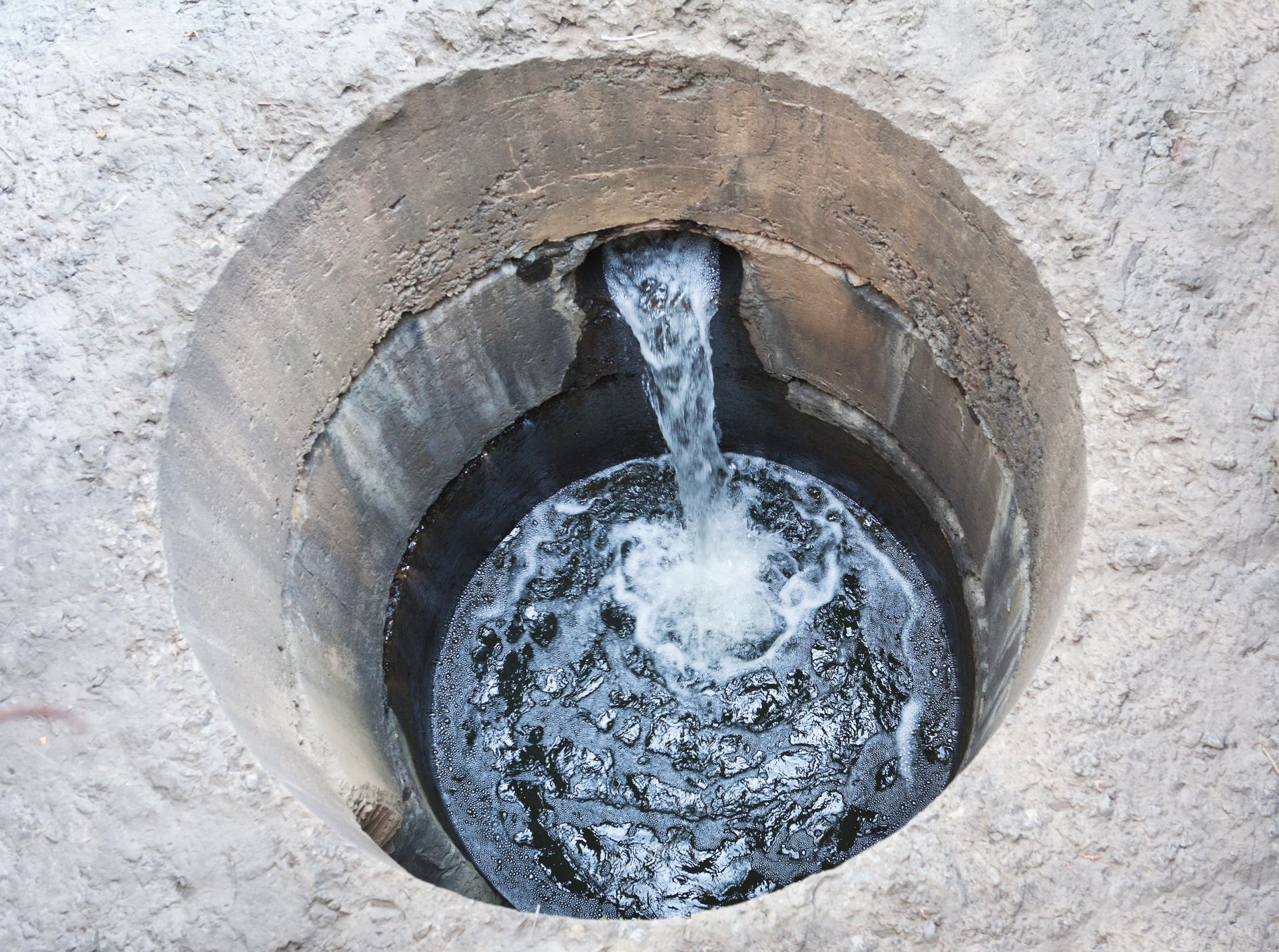
During heavy thunder storms or rapid spring thaw, sump pumps run continuously to evacuate water accumulating around foundation footings. If a sump pump suffers a mechanical breakdown, float switch failure, or power failure during a storm, water accumulating in the sump pit can overflow onto the basement floor. The $15,000 endorsement covers the resulting interior water damage and structural drying.
3. Stormwater Drain Backflow
Severe rainfall events can overwhelm municipal storm sewers. When storm lines overfill, rainwater combined with debris can back up into residential perimeter drain tiles, French drains, and lower-level plumbing fixtures, causing clean water or gray water inundation.
What Expenses Does the $15,000 Limit Cover?
When a covered incident occurs, the $15,000 policy limit applies across several specific operational and restoration expense categories:
- Professional Mitigation and Extraction: Hiring certified water restoration contractors to pump out standing sewage, extract contaminated water from concrete slabs or carpets, and apply antimicrobial treatments.
- Structural Repair and Decontamination: Stripping contaminated drywall, insulation, subflooring, trim, and interior doors affected by category 3 ("black water") sewage contamination.
- Personal Property Replacement: Reimbursing destroyed belongings located in affected areas, such as furniture, appliances, electronics, stored clothing, or tool sets, up to the endorsement's personal property sub-limits.
- Loss of Use / Additional Living Expenses (ALE): If sewage contamination renders the dwelling uninhabitable during biohazard cleanup, select policies allow a portion of the $15,000 limit to fund temporary temporary lodging and meals.
Key Exclusions: When "15 Sewer and Drain" Does NOT Apply
While a $15,000 sewer and drain endorsement substantially broadens standard homeowners coverage, it contains explicit policy exclusions. Misunderstanding these exclusions often leads to denied insurance claims.
Surface Water and Overland Flooding
If heavy rainfall pools on top of the lawn and flows through window wells, exterior foundation cracks, or walk-out basement doors, insurance adjusters categorize the incident as overland surface flooding. A sewer and drain backup rider does not cover surface water entry, even if floor drains also overflow during the event. Overland flooding requires a separate flood policy. The National Association of Insurance Commissioners (NAIC) emphasizes verifying the distinction between surface water flow and sub-surface drain backflow before filing a claim.
Continuous Seepage or Maintenance Neglect
Insurance policies cover sudden and accidental occurrences. If subterranean water slowly seeps through basement walls over months due to improper land grading, lack of gutter maintenance, or long-standing foundation settling, the endorsement will not respond. Similarly, if a homeowner fails to repair a known, long-term drainage obstruction, coverage may be denied due to neglect.
Exterior Sewer Pipe Replacement (Service Lines)
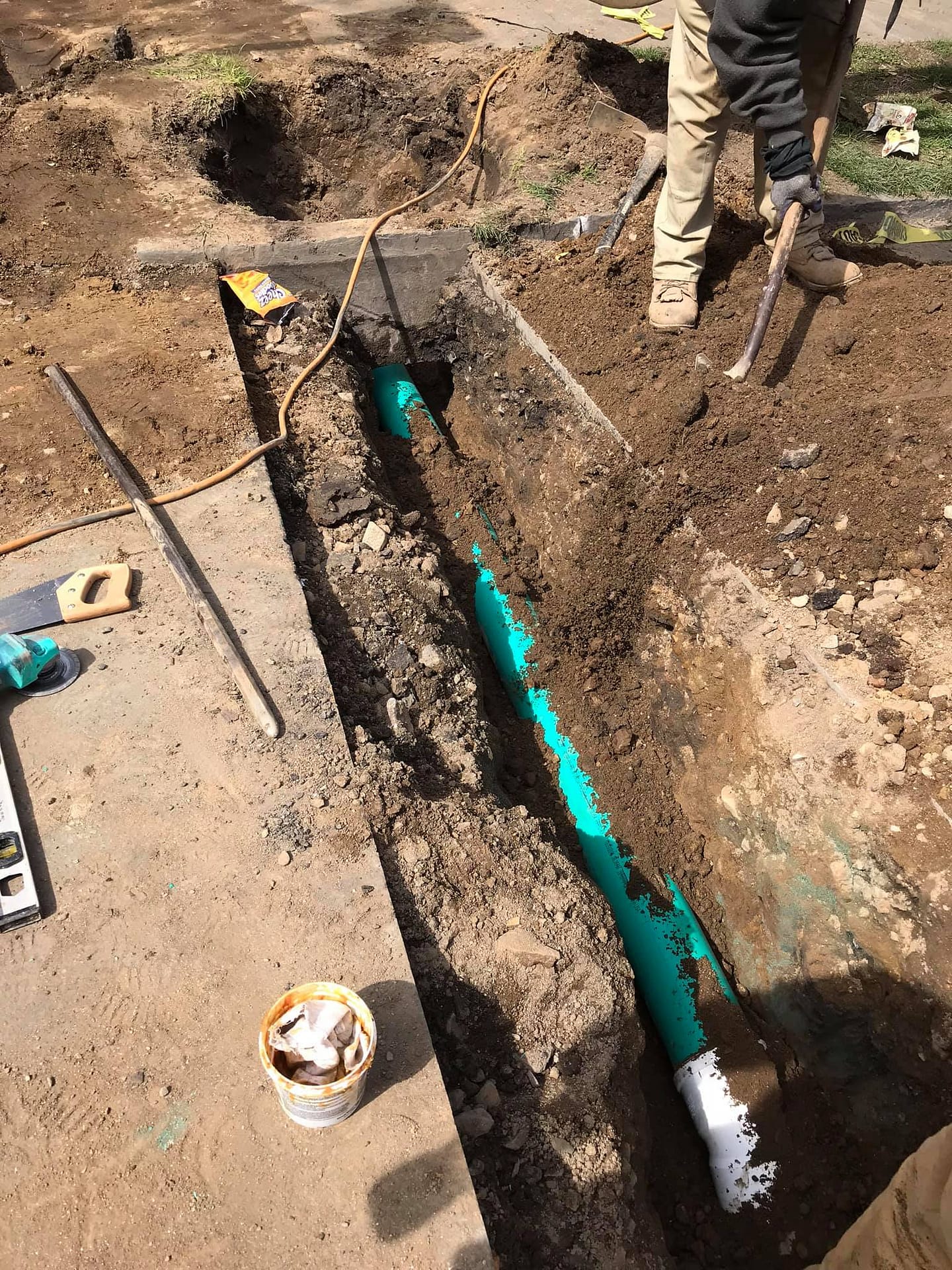
If a tree root destroys your underground lateral sewer line beneath your front yard, the $15,000 sewer and drain endorsement pays for the clean-up of sewage inside the home, but it does not pay to dig up the lawn and replace the physical pipe. Replacement of underground piping requires a separate Service Line Endorsement.
Damage Exceeding the $15,000 Cap
The $15,000 threshold represents a hard financial limit per occurrence (or per policy term, depending on exact policy phrasing). If a major sewage backup into a fully finished 1,200-square-foot basement requires $28,000 in professional biohazard remediation, high-end drywall replacement, custom cabinetry restoration, and HVAC duct cleaning, the insurer will pay a maximum of $15,000 (minus your deductible). The remaining $13,000 constitutes an out-of-pocket loss for the property owner.
Deductibles and Claims Mechanics
Understanding how a claim proceeds under a $15,000 sewer and drain rider requires paying close attention to policy language regarding deductibles and claim processing steps.
Separate vs. Standard Policy Deductibles
Insurers apply deductibles to sewer and drain claims in one of two ways:
- Standard All-Peril Deductible: The claim uses your standard policy deductible (e.g., $1,000 or $2,500). If you suffer $12,000 in covered damage with a $1,000 deductible, the insurance payout is $11,000.
- Special Endorsement Deductible: Some carriers mandate a separate, flat deductible specifically for water backup claims (e.g., $500 or $1,000) regardless of your primary policy deductible.
Step-by-Step Sewer Backup Claim Sequence
- Stop the Source and Ensure Safety: Shut off main electrical breakers if water approaches outlets or appliances to prevent electrocution. Stop using all interior water fixtures (toilets, showers, washing machines) immediately.
- Mitigate Immediate Damage: Contact a licensed water damage restoration firm. Policy conditions require homeowners to take reasonable steps to prevent secondary mold growth and further structural deterioration.
- Document All Evidence Thoroughly: Take clear, high-resolution photos and video of standing water depth, water lines on drywall, damaged personal property, and the specific point of entry (e.g., floor drain or sump pit).
- File Claim Promptly: Report the loss to your carrier, specifying that a drain or sump overflow has occurred. The carrier will assign a field adjuster trained in water loss classification.
- Retain Damaged Items for Inspection: Do not discard expensive personal property or flooring samples until the field adjuster examines them, unless health regulations require immediate removal.
Evaluating Limits: Is $15,000 Enough Coverage?
Determining whether a $15,000 limit provides sufficient protection requires assessing the physical layout of your home, lower-level finishes, and geographical risk profile.
Risk Level Assessment for Basement Spaces:
- Unfinished Basement (Utility/Storage)
- Minimum Suggested Limit: $5,000 - $10,000
- Partially Finished Basement (Laminate, Basic Trim)
- Minimum Suggested Limit: $15,000
- Fully Finished Basement (Drywall, HVAC, Electronics)
- Minimum Suggested Limit: $25,000 - $50,000+
For homes with unfinished basements containing bare concrete floors, a exposed water heater, and plastic storage bins, $15,000 is typically more than adequate to fund professional drying, antimicrobial spraying, and minor mechanical servicing.
However, for homes with fully finished lower levels—featuring carpet or hardwood, custom drywall, recessed lighting, home theater equipment, or full bathrooms—remediation and repair costs can easily exceed $30,000 following a black water sewage backup. In those environments, a $15,000 limit may leave a substantial coverage gap.
Premium Cost Structure
Adding a $15,000 water backup endorsement to a standard homeowners policy is generally affordable. While specific pricing varies by geographic region, home age, and claim history, average annual premiums generally align as follows:
- $5,000 Limit: $35 – $75 per year
- $10,000 Limit: $60 – $110 per year
- $15,000 Limit: $90 – $160 per year
- $25,000+ Limit: $150 – $300+ per year
Comparison Table: Coverage Scope and Endorsement Differences
The table below contrasts how a $15,000 Sewer & Drain Endorsement compares to standard home insurance policy provisions, flood insurance, and service line coverage.
| Coverage Type | Primary Trigger Events | Covered Items / Losses | Common Exclusions | Typical Limits |
|---|---|---|---|---|
| $15,000 Sewer & Drain Endorsement | Drain backup, municipal sewer overflow, sump pump breakdown | Interior structural drying, drywall/flooring, personal items, biohazard cleanup | Surface water flooding, line repair outside foundation, long-term seepage | $5,000 to $50,000 (fixed at $15,000 for this limit) |
| Standard HO-3 Home Policy | Burst interior freshwater pipes, appliance hose rupture | Interior walls, ceilings, personal property damaged by clean freshwater | All sewer/drain backups, sump overflows, flood, wear and tear | Full Dwelling (Policy Limit A) |
| National Flood Insurance Policy (NFIP) | Surface water inundation, mudslides, overflowing natural bodies of water | Structural framing, foundational systems, ground-level contents | Sewer backup occurring without general surface flooding | Up to $250,000 (Dwelling) / $100,000 (Contents) |
| Service Line Endorsement | Wear, root intrusion, freezing, or collapse of buried exterior utility lines | Excavation costs, replacement of exterior physical pipe/conduit | Interior water cleanup, personal property destruction | $10,000 to $20,000 |
Frequently Asked Questions
Does a $15,000 sewer and drain endorsement cover sump pump failure during a power outage?
Yes. Most standard water backup and sump overflow riders explicitly include sump pump failure caused by electrical power outages or mechanical breakdown during heavy weather. However, policyholders must ensure their policy does not contain a specific "power off-premises" exclusion that denies coverage if the outage originates far from the property.
What is the difference between sewer backup coverage and service line coverage?
Sewer backup coverage pays for the internal cleanup, sanitation, and interior structural repair when water or waste reverses back into the home through drains. Service line coverage pays for the physical excavation and pipe replacement required to repair damaged exterior lines buried underground between the home and the municipal main.
Does $15,000 sewer and drain coverage require a separate deductible?
It depends on your insurance carrier's specific policy structure. Some companies apply your baseline policy dwelling deductible (e.g., $1,000), while others require a dedicated endorsement deductible (such as $500) specifically assigned to water backup losses. Check your policy declarations page under "Endorsement Terms" for confirmation.
Is $15,000 sewer and drain coverage required by mortgage lenders?
Mortgage lenders typically mandate hazard insurance (covering perils like fire, wind, and lightning) and flood insurance when located in designated high-risk flood zones. They rarely require sewer and drain endorsements. However, insurance advisors strongly recommend adding this rider, as sewer backups represent one of the most common high-cost subterranean loss categories.
Why is sewer backup excluded from standard HO-3 home insurance policies?
Insurers isolate sewer backup risk from standard policies because water backup risk varies wildly based on municipal infrastructure age, lower-level property finishes, local topography, and individual plumbing configurations. Unbundling this coverage allows carriers to price standard policies lower for homes without subterranean water risk while offering flexible endorsement tiers to those who need protection.
Practical Recommendations and Next Actions
To safeguard your home against unexpected subterranean water backup costs and ensure your policy coverage aligns with your physical risk, consider taking the following concrete actions:
- Review Your Declarations Page: Locate the endorsement section of your current home insurance policy. Confirm whether you carry "Water Backup and Sump Discharge" coverage and verify if your limit is set to $15,000 or another tier.
- Calculate Finished Basement Valuation: Conduct a rapid inventory of lower-level finishes. Multiply the square footage of finished basement space by local reconstruction labor and material rates (typically $30–$75/sq. ft. for finished spaces). If your total potential loss exceeds $15,000, ask your agent to quote a $25,000 or $50,000 limit.
- Install Preventative Plumbing Devices: Have a licensed plumber install a backwater valve (mainline backflow preventer) on your sewer lateral line. This mechanical valve automatically closes if municipal sewage reverses direction toward your home.
- Maintain Sump Pump Systems: Equip primary sump pumps with an auxiliary battery-backup pump system or water-powered backup pump to ensure continuous operation during severe power outages. Test pump float switches quarterly by pouring water into the sump pit until the unit engages.
- Add Service Line Protection: If your home is over 30 years old, pair your $15,000 sewer and drain endorsement with an exterior service line rider to protect against costly yard excavation and pipe replacement expenses.