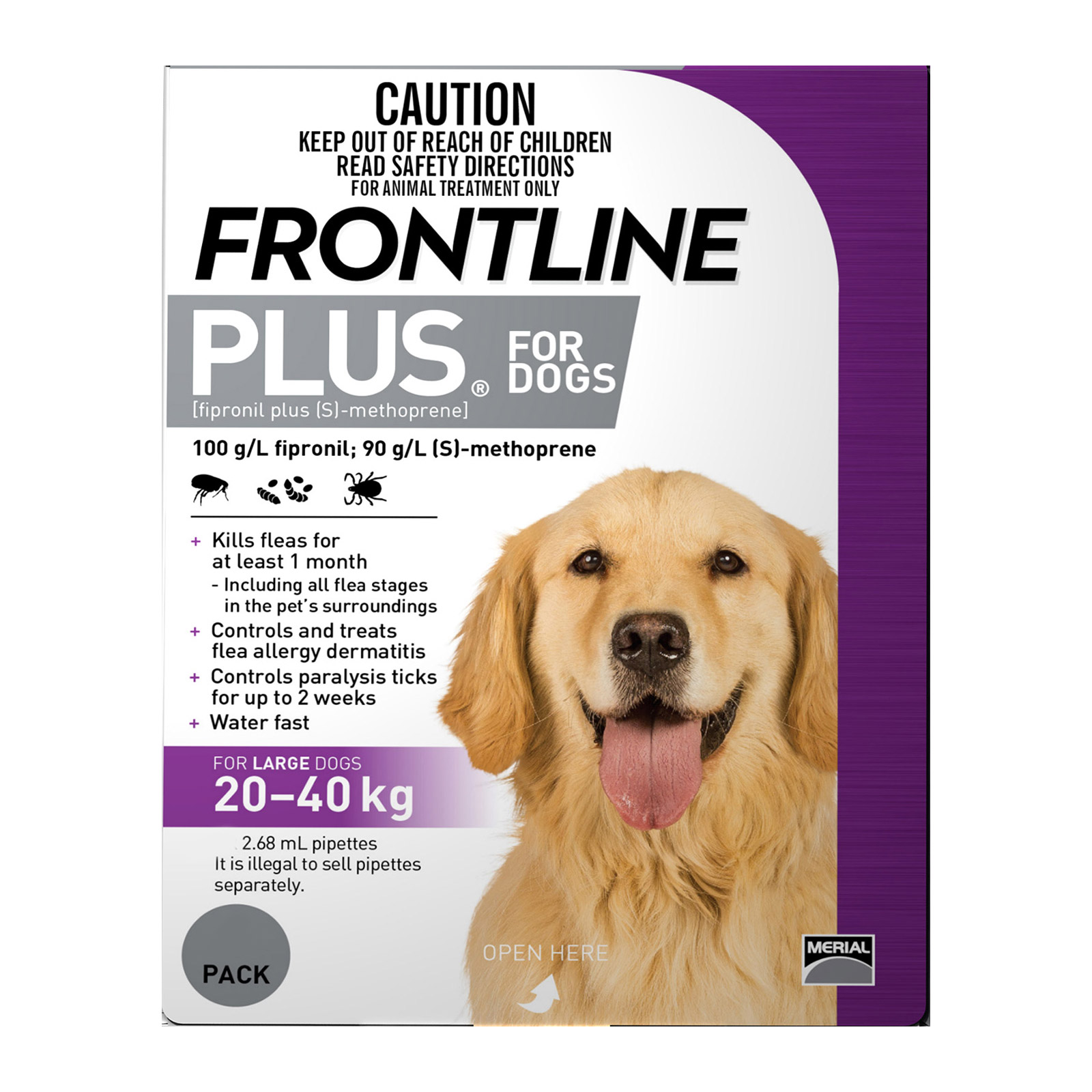
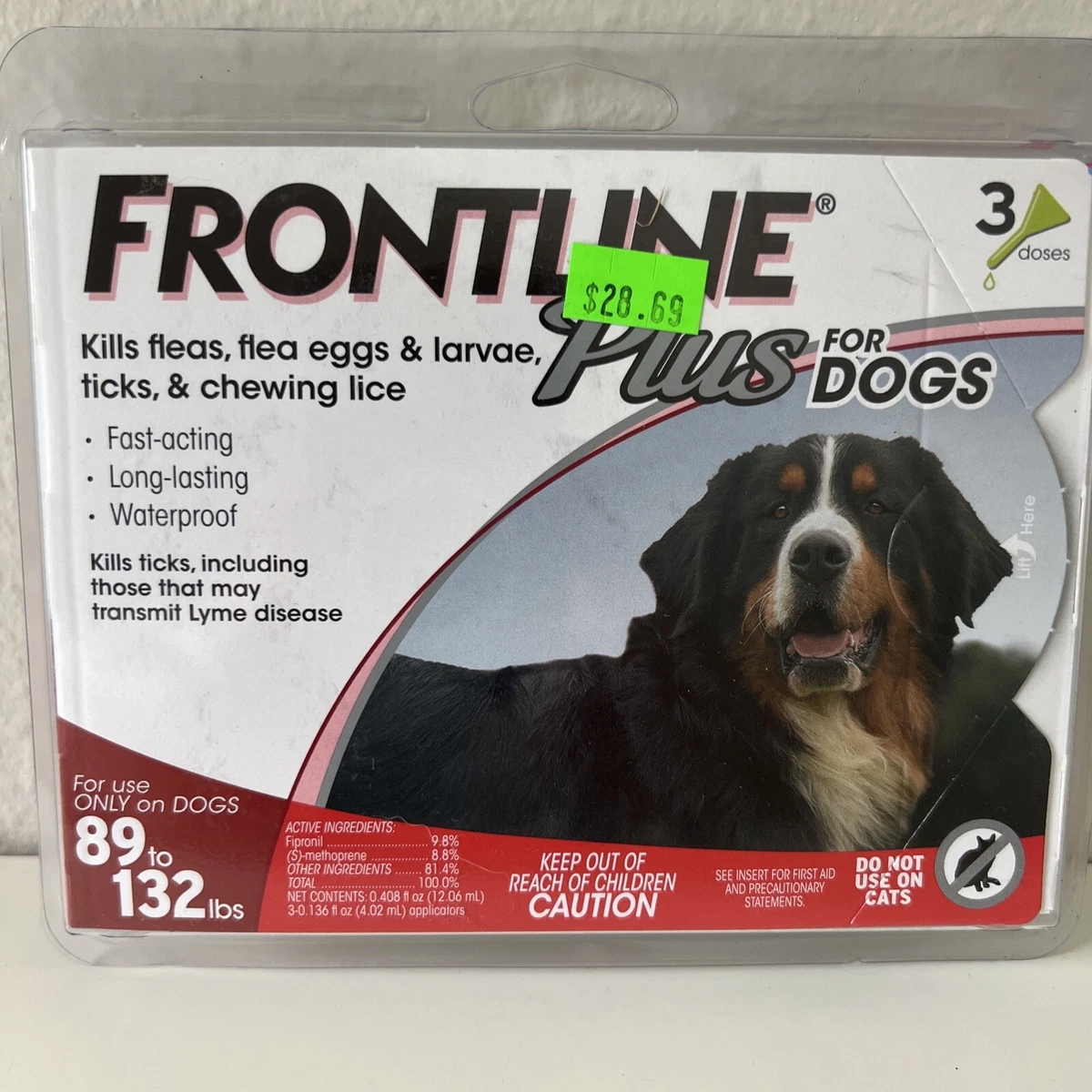
Frontline Plus in a 12-pack configuration provides a year-round, bulk-purchase supply of topical ectoparasite control designed to protect dogs or cats from fleas, ticks, and chewing lice. This comprehensive overview examines formulation mechanisms, dosing structures, safety profiles, and cost considerations to help pet owners evaluate bulk packaging options effectively.
As pet care costs rise and convenience becomes a priority for multi-pet households or long-term preventive care, purchasing flea and tick medications in larger quantities has grown increasingly common. The 12-pack format offers a full year of continuous protection for a single animal or a shorter duration for homes managing multiple pets. However, navigating topical parasiticides requires an understanding of active chemical ingredients, precise weight tiers, application techniques, and potential regulatory or veterinary constraints. This guide provides a detailed breakdown of what the 12-pack Frontline Plus entails, how it functions biologically, and what users must consider before purchasing.
Understanding Frontline Plus and Its Active Ingredients
Frontline Plus is a spot-on topical parasiticide formulated to eliminate adult fleas, flea eggs, flea larvae, chewing lice, and multiple tick species, including those that may transmit Lyme disease. The efficacy of the product relies on a dual-active-ingredient formulation that targets different life stages of these pests.
The first primary active ingredient is fipronil, a broad-spectrum phenylpyrazole insecticide. Fipronil works by disrupting the central nervous system of insects and arachnids through the blockage of GABA-gated chloride channels and glutamate-gated chloride channels. This interference causes hyperexcitation, paralysis, and eventual death of the target parasite. Fipronil is noted for its persistence; it collects in the oils of the skin and hair follicles, creating a continuous reservoir that maintains potency over weeks.
The second primary active ingredient is (S)-methoprene, an insect growth regulator (IGR). While fipronil handles adult pests, (S)-methoprene mimics juvenile hormones and interrupts the biological development cycle of fleas. It prevents flea eggs from hatching and stops larvae from maturing into breeding adults, thereby cutting off the reproductive cycle within the household environment.
Spectrum of Efficacy
- Fleas: Kills adult fleas, prevents flea eggs from developing, and breaks the indoor infestation cycle.
- Ticks: Eliminates brown dog ticks, American dog ticks, lone star ticks, and deer ticks (the primary vector for Borrelia burgdorferi, the bacterium causing Lyme disease).
- Lice: Controls and treats infestations of biting chewing lice (Trichodectes canis on dogs, Felicola subrostratus on cats).
- Sarcoptic Mange: In specific formulations and under veterinary guidance, fipronil-based products are sometimes utilized off-label for localized sarcoptic mange treatment in dogs.
The Anatomy of a 12-Pack Configuration
The 12-pack format packages twelve individual, pre-measured single-dose applicator pipettes into a single outer box. This configuration is typically marketed toward owners seeking cost efficiency, reduced frequency of reordering, and uninterrupted year-long coverage.
A single pipette delivers one month of protection. Consequently, a 12-pack equates to twelve monthly applications. In single-pet households, this represents a full 12-month supply. In multi-pet households, the math shifts: a 12-pack shared between two dogs provides a six-month supply for each animal, while a household with three dogs exhausts the pack in four months.
Packaging Variations and Weight Classes
Frontline Plus is not a one-size-fits-all product. The 12-pack is distributed across distinct weight-based SKU categories. Selecting the correct tier is mandatory for both safety and efficacy:
- For Dogs and Puppies (8 weeks or older):
- Small Dog: 5 to 22 lbs
- Medium Dog: 23 to 44 lbs
- Large Dog: 45 to 88 lbs
- Extra Large Dog: 89 to 132 lbs
- For Cats and Kittens (8 weeks or older):
- Universal Cat formulation (typically designed for cats weighing over 1.5 lbs, regardless of upper weight limits, though packaging should always be verified).
| Weight Tier Category | Target Species | Weight Range | Pipette Volume | Supply Duration (1 Animal) |
|---|---|---|---|---|
| Small Dog | Canine | 5 – 22 lbs | 0.67 mL | 12 Months |
| Medium Dog | Canine | 23 – 44 lbs | 1.34 mL | 12 Months |
| Large Dog | Canine | 45 – 88 lbs | 2.68 mL | 12 Months |
| Extra Large Dog | Canine | 89 – 132 lbs | 4.02 mL | 12 Months |
| Cat / Kitten | Feline | Over 1.5 lbs | 0.50 mL | 12 Months |
Application Protocol and Best Practices
Achieving optimal results from a 12-pack of Frontline Plus requires strict adherence to correct application techniques. Incorrect placement can reduce absorption rates or allow the pet to ingest the product during grooming.
Step-by-Step Application Guide
- Verify Weight and Product: Confirm that the weight tier on the 12-pack matches the current weight of the animal. Weigh the pet immediately prior to application if they are near a weight threshold boundary.
- Remove Applicator: Take one pipette out of the 12-pack blister card. Hold the upright applicator and snap the tip backward along the pre-scored break line.
- Part the Fur: Position the pet comfortably. Part the fur at the base of the skull between the shoulder blades until the skin is fully visible. For larger dogs, applying the product in two to three spots along the backline from the shoulders to the base of the tail helps distribute the volume more evenly, though standard manufacturer guidelines specify a single spot between the shoulder blades where the animal cannot lick it.
- Apply Directly to Skin: Place the tip of the pipette directly against the skin and squeeze firmly to empty its entire contents directly onto the skin surface. Do not apply on top of the hair coat.
- Dispose Safely: Discard the empty pipette according to local municipal waste or recycling guidelines. Wash hands thoroughly with soap and water immediately after application.
Timing and Water Exposure
Frontline Plus utilizes a translocation process, spreading through the natural sebum layer of the skin within 24 to 48 hours. Pets should not be bathed or allowed to swim for 24 hours after application. Once the product has completely dried and bonded to the lipid layer, routine bathing, swimming, or exposure to rain does not significantly reduce its efficacy. Monthly retreatment should occur at 30-day intervals. Administering the product more frequently than once every 30 days is not recommended by veterinary toxicologists.
Comparative Value and Cost Efficiency of 12-Pack Supplies
Purchasing flea and tick preventives in bulk configurations like a 12-pack introduces distinct financial and logistical considerations. Evaluating whether a 12-pack is the right economic choice requires looking at unit costs versus expiration dates and shifting pet weight.
Financial Considerations
- Unit Price Reduction: Bulk packaging typically lowers the cost per dose compared to purchasing individual 3-packs or 6-packs.
- Shipping and Handling Savings: Securing a 12-pack reduces shipping frequency and associated order processing fees from online veterinary pharmacies.
- Rebate Eligibility: Manufacturers often structure mail-in or online rebates to favor larger-quantity purchases (such as 6-packs and 12-packs), providing additional savings.
Logistical Risks of Bulk Purchasing
- Weight Fluctuations: Puppies, kittens, and young adult pets gain or lose weight rapidly. Buying a 12-pack for a growing adolescent dog can result in unsuable doses if the animal crosses into a higher weight tier before the 12 doses are exhausted.
- Shelf Life and Storage: While sealed pipettes maintain chemical stability for extended periods when stored at controlled room temperatures away from direct sunlight and extreme heat, opening a 12-pack exposes the remaining sealed units to environmental humidity over a full year.
- Species Restrictions: Never use canine Frontline Plus formulations on cats. Fipronil formulations for dogs contain concentrations of excipients or active properties that can be toxic to felines if ingested through grooming or misapplied. A 12-pack purchased for a dog must never be shared with a cat in the household.
Safety Profiles, Side Effects, and Contraindications
Frontline Plus has a long safety history backed by decades of regulatory approval and clinical use. However, like all pharmaceutical topicals, individual sensitivities can occur.
Minor Adverse Reactions
The most common side effect observed following application is transient skin irritation at the application site. Pets may experience temporary redness, localized hair loss, or minor itching where the liquid made contact with the skin. These symptoms typically resolve independently within 24 to 48 hours without medical intervention.
Signs of Toxicity and Overexposure
Accidental oral ingestion—often occurring when a multi-pet household licks the application site of a companion animal before the product dries—can cause temporary hypersalivation (drooling), vomiting, lethargy, or muscle tremors due to the bitter taste and systemic processing of fipronil.
- If a pet exhibits signs of adverse toxicity, wash the application area immediately with mild dish soap and water to remove residual product.
- Contact a veterinarian or an animal poison control center (such as the ASPCA Animal Poison Control Center or Pet Poison Helpline) immediately for professional guidance.
Contraindications
- Do not use on sick, convalescent, or debilitated animals without direct veterinary oversight.
- Do not use on rabbits or other non-target exotic species, as fipronil can cause severe, fatal neurological adverse reactions in lagomorphs.
- Consult a veterinarian prior to use on pregnant or lactating breeding females.
Frequently Asked Questions
Can I split a larger dog's 12-pack dose between two smaller dogs to save money?
No. Splitting doses manually from a larger weight-tier pipette into smaller quantities is dangerous and inaccurate. It is impossible to guarantee proper dosage distribution, risking both under-dosing (leaving the pet unprotected against parasites) and overdosing (causing toxicity). Always purchase the specific weight-tier 12-pack designed for your pet's exact weight range.
What happens if I miss the 30-day window for the next application in the 12-pack?
If you miss the exact 30-day mark, apply the next dose from your 12-pack as soon as you remember, and then resume a strict 30-day schedule from that new application date. Delaying application leaves the animal vulnerable to new flea infestations or tick attachments, but a single late dose does not require doubling up or restarting a loading phase.
Does Frontline Plus repel ticks, or do they have to bite to die?
Frontline Plus is a contact-kill product rather than a true repellent. Ticks do not necessarily need to bite to be affected, but they must crawl onto the treated hair coat and make direct contact with the skin oils where fipronil resides. Most ticks are eliminated within 48 hours of contact, significantly reducing the window of disease transmission.
Are generic fipronil alternatives as effective as a brand-name Frontline Plus 12-pack?
Generic spot-on products containing fipronil and (S)-methoprene share the same active chemical identities, but inert ingredients, manufacturing quality control, and vehicle delivery systems can vary. Pet owners should consult their veterinarian to ensure generic alternatives meet stringent pharmacokinetic standards before substituting them for established formulations.
How should unused pipettes in a 12-pack be stored?
Unused pipettes should remain sealed in their original blister packaging and stored in a cool, dry place away from direct sunlight, open flames, and temperatures exceeding 86°F (30°C). Keep the box completely out of reach of children and other household pets.
Conclusion and Next Actions
Purchasing a 12-pack of Frontline Plus provides a practical, cost-effective method for maintaining uninterrupted year-round flea and tick defense for dogs and cats, provided the weight class matches the animal and safety guidelines are strictly followed. Pet owners should verify their animal's current weight, review multi-pet household restrictions—especially regarding canine versus feline formulations—and consult a licensed veterinarian if the pet has a history of dermatological sensitivities or underlying medical conditions. To proceed, measure your pet accurately, confirm the appropriate weight-tier SKU, and source the product through authorized veterinary pharmacies or licensed retailers to guarantee product authenticity.