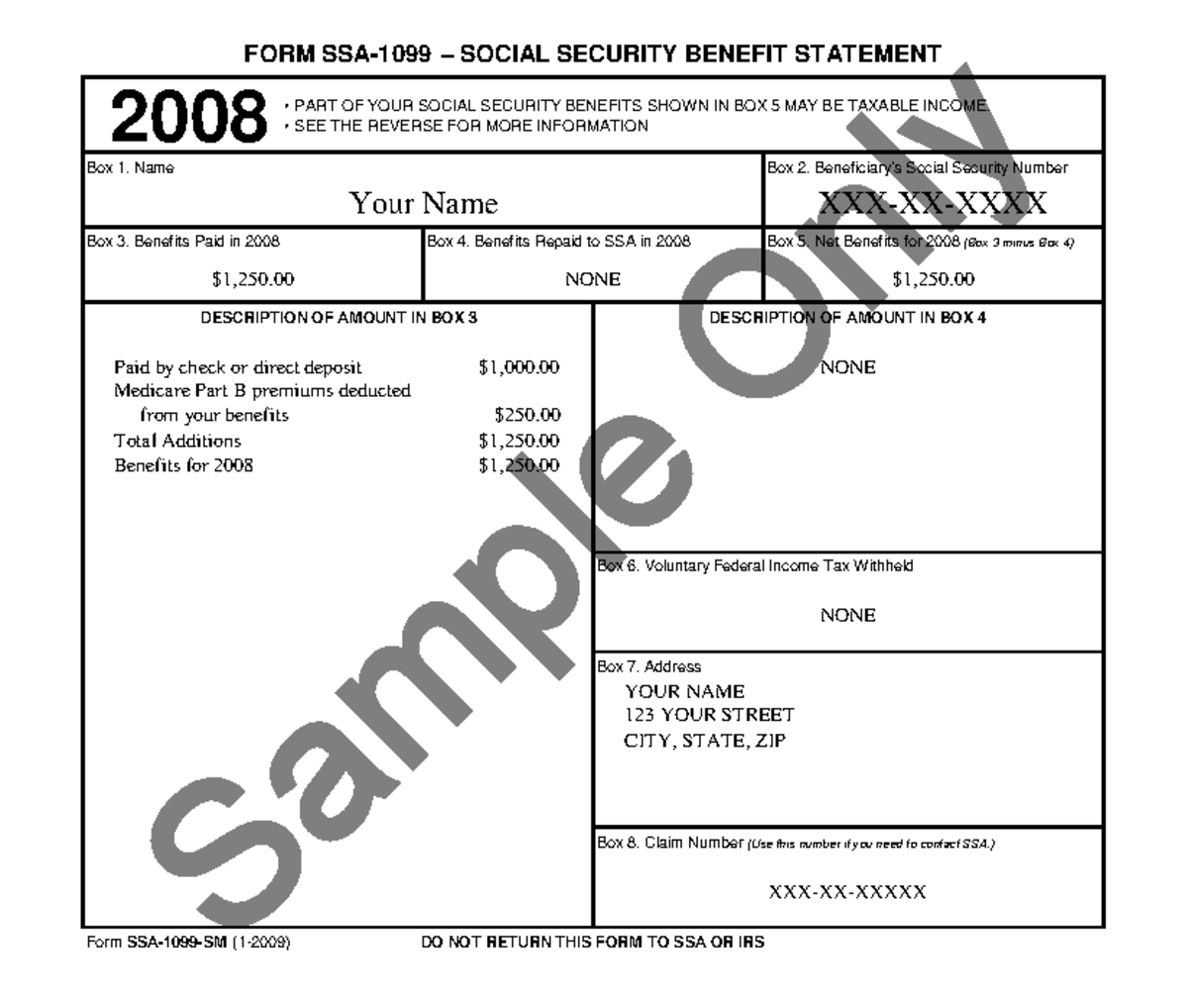
Generally, standard life insurance death benefits paid to a beneficiary are received completely income tax-free and do not require a Form 1099-R. However, a 1099-R is issued when life insurance policies involve cash value distributions, surrenders, or structured settlement interest payments that trigger reportable taxable events.
Navigating tax documents after dealing with the financial details of a life insurance policy can be stressful, particularly when unexpected paperwork arrives in the mail. When policyholders or beneficiaries encounter financial documents from insurance carriers, knowing what the forms mean helps prevent confusion during tax season. One form that occasionally causes confusion in the context of life insurance policies is the Internal Revenue Service (IRS) Form 1099-R. While traditional death benefits bypass income taxation, various secondary transactions, policy loans, cash value withdrawals, and interest-bearing arrangements interact directly with this tax form.
Understanding when and why a 1099-R is generated for life insurance policies requires a close look at how permanent life insurance works, the difference between death benefits and cash value, and the specific reporting obligations of insurance companies. This guide examines the mechanics of Form 1099-R, clarifies when life insurance proceeds are taxable, and outlines what recipients must do when this form lands in their mailbox.
The Core Rule: Life Insurance Death Benefits vs. Form 1099-R
To understand Form 1099-R in the context of life insurance, it is essential to distinguish between a standard death benefit and other types of policy payouts. Under United States tax law, specifically Internal Revenue Code (IRC) Section 101(a), gross income typically does not include amounts received under a life insurance contract if paid out by reason of the insured person's death.
Because death benefits are generally exempt from federal income tax, insurance companies do not report standard death payouts on Form 1099-R. When a beneficiary receives a lump-sum check upon the death of the insured, that money is tax-free income. The insurer may report the transaction to the IRS for information purposes via other means, but the beneficiary does not report it as taxable income on their federal tax return.
When Form 1099-R Enters the Picture
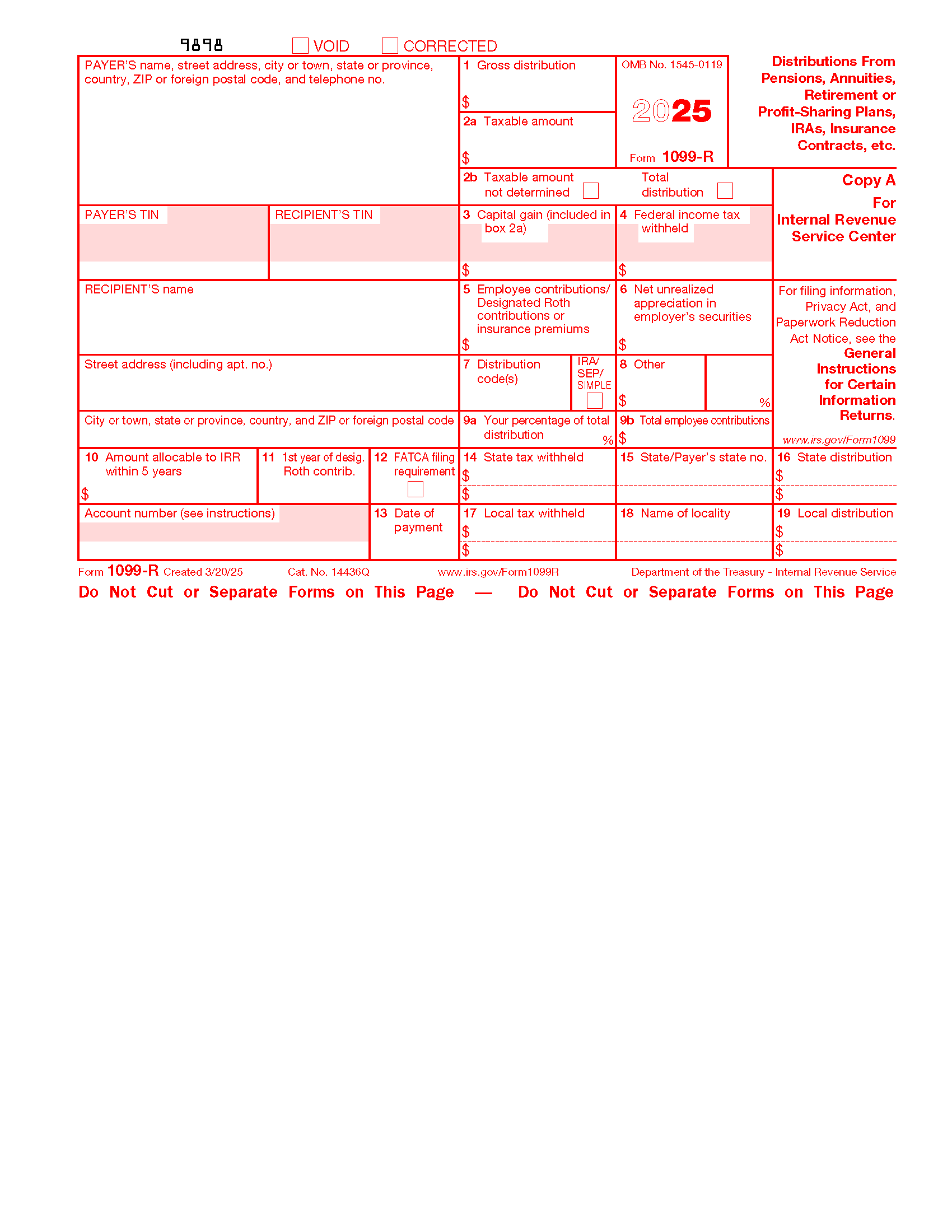
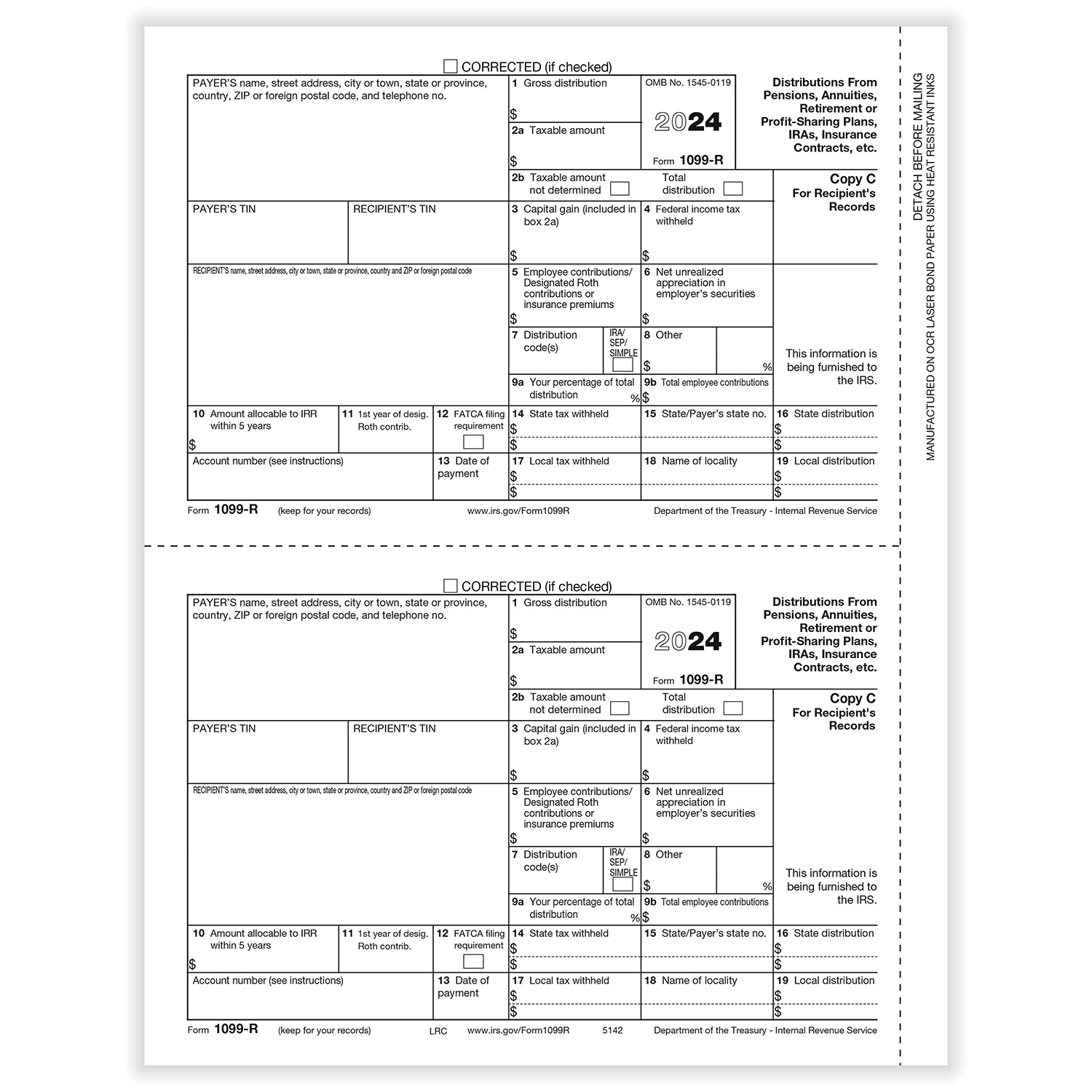
Form 1099-R, titled Distributions From Pensions, Annuities, Retirement or Profit-Sharing Plans, IRAs, Insurance Contracts, etc., is utilized by financial institutions to report distributions from various financial vehicles. For life insurance and endowment contracts, the form is triggered when money is pulled out of the policy's cash value while the insured is still alive, or when specific payout arrangements distribute funds that include taxable gains.
Common scenarios where a life insurance policyholder or beneficiary might receive a Form 1099-R include:
- Policy Surrender: Canceled permanent life insurance policies that return the accumulated cash value to the policyholder.
- Cash Value Withdrawals: Taking a partial withdrawal from a permanent policy (such as whole life or universal life) that exceeds the total amount of premiums paid into the policy (the policy's "cost basis").
- Matured Endowment Contracts: When an endowment policy reaches its maturity date and pays out the face value while the insured is living.
- Annuity-Like Distributions: Certain hybrid policies or life insurance contracts that have been converted or structured to make periodic payouts.
- Interest-Bearing Settlement Options: If a death benefit is left with the insurance company to accumulate interest rather than being paid out in a lump sum, the interest earned on that death benefit is taxable and reported on a Form 1099-INT, though complex settlement conversions can sometimes intersect with reporting rules.
Deconstructing Form 1099-R Boxes for Life Insurance
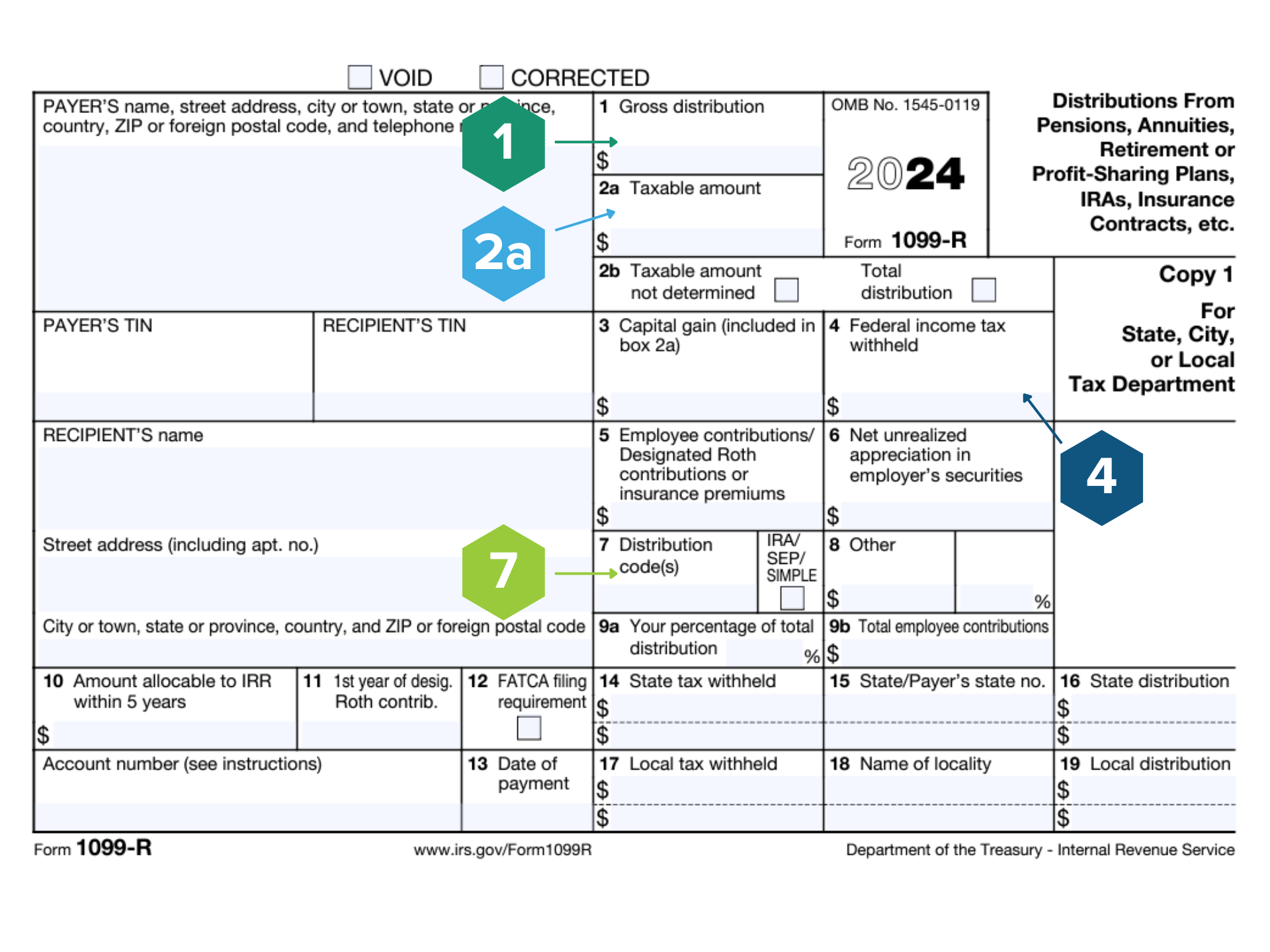
For individuals who receive a Form 1099-R originating from a life insurance or annuity contract, deciphering the coded boxes is critical for accurate tax reporting. Each numbered box on the form conveys specific financial data that the IRS uses to track taxable distributions.
| Box Number | Box Title | What It Means for Life Insurance |
|---|---|---|
| Box 1 | Gross Distribution | The total dollar amount paid out from the policy cash value or contract before any deductions. |
| Box 2a | Taxable Amount | The portion of the distribution that is subject to income tax (gross distribution minus cost basis). |
| Box 2b | Taxable amount not determined / Total distribution | Checkboxes indicating whether the insurer could calculate the taxable portion or if it is a complete distribution. |
| Box 7 | Distribution Code(s) | Alphanumeric codes indicating the reason for the distribution (e.g., normal distribution, early distribution, surrender). |
| Box 4 | Federal Income Tax Withheld | The amount of federal tax the insurance company withheld from the payout and sent to the IRS. |
| Box 5 | Employee contributions / Designated Roth contributions / or insurance premiums | The cost basis—the amount of after-tax premiums paid into the contract that can be withdrawn tax-free. |
Understanding Distribution Codes in Box 7
Box 7 is one of the most critical areas of Form 1099-R. The codes listed here tell the IRS and the taxpayer why the money left the policy. For life insurance and endowment contracts, common codes include:
- Code 1: Early distribution, usually subject to an additional 10% tax penalty if the policyholder is under age 59½ and the contract is treated like an annuity.
- Code 7: Normal distribution, indicating the recipient is over age 59½ or the payout follows standard contractual terms without early withdrawal penalties.
- Code 4: Death distribution, used if payments continue to a beneficiary under a specific settlement option associated with a taxable contract structure.
Taxability of Permanent Life Insurance Cash Values
Permanent life insurance policies—such as whole life, universal life, and variable life—build a cash value component over time alongside the death benefit. This cash value grows on a tax-deferred basis, meaning policyholders do not pay annual income taxes on the interest, dividends, or market gains inside the policy while the policy remains active.
However, tax deferral does not mean tax-free forever under every circumstance. When cash is removed from the policy during the owner's lifetime, tax rules determine whether those funds are a tax-free return of principal or taxable ordinary income.
The Cost Basis Principle
The taxation of cash value distributions relies heavily on the concept of cost basis. The cost basis is generally equal to the total amount of premiums paid into the policy, minus any previous tax-free withdrawals.
- Return of Principal (First-In, First-Out): Under standard life insurance rules, withdrawals from a cash value policy are treated under a "First-In, First-Out" (FIFO) accounting method. This means that when a policyholder takes a withdrawal, the money comes out of the cost basis first. Because premiums are paid with after-tax dollars, withdrawing an amount up to the total cost basis is completely tax-free and does not generate a Form 1099-R showing taxable income.
- Gain on Withdrawal (Last-In, First-Out for Modified Endowment Contracts): If withdrawals exceed the total cost basis, the excess amount represents accumulated earnings. This excess is treated as ordinary income and is fully taxable. Furthermore, if a policy is classified as a Modified Endowment Contract (MEC)—often caused by funding the policy too quickly with large premium payments—withdrawals are treated under a "Last-In, First-Out" (LIFO) rule. Under LIFO, any withdrawal is considered taxable earnings first, triggering a Form 1099-R and potential penalties.
Policy Loans vs. Withdrawals
Policyholders often confuse taking a policy loan against their life insurance cash value with making a cash withdrawal. The tax treatment of these two actions differs significantly, which directly impacts whether a Form 1099-R is issued.
How Policy Loans Work
When a policyholder borrows against their life insurance cash value, they are technically taking a loan from the insurance company using the cash value as collateral.
- Tax Status: Because it is a loan, the money received is not taxable income, and the insurer will not issue a Form 1099-R.
- Interest: The insurance company charges interest on the loan. If the interest is not paid and is allowed to accumulate, it can eventually cause the total loan balance to exceed the remaining cash value.
- Lapse Danger: If a policy with an outstanding loan lapses or is surrendered, the transaction is treated as a cash distribution at that moment. If the loan balance exceeds the cost basis upon lapse, the insurer will issue a Form 1099-R for the taxable gain, even though the policyholder did not receive a cash check at surrender. This unexpected tax liability is frequently referred to as a "phantom income" trap.
What to Do If You Receive a Form 1099-R for Life Insurance
Receiving a Form 1099-R related to a life insurance policy requires careful verification. Taxpayers should never ignore this document, as the IRS receives a matching copy directly from the issuing insurance carrier.
Step-by-Step Verification Process
- Review the Issuing Institution: Verify that the Form 1099-R came from the legitimate life insurance provider or financial institution holding your policy. Check for accuracy in your name, address, and Social Security number or Taxpayer Identification Number.
- Examine Box 1 and Box 2a: Compare the gross distribution amount in Box 1 with your own financial records or the transaction confirmation you received when you surrendered the policy or made a withdrawal. Review Box 2a to see what the insurer calculated as the taxable amount.
- Calculate or Confirm the Cost Basis: Gather your historical records showing every premium payment you made into the policy over its lifetime. Subtract any previous tax-free withdrawals. Ensure the taxable amount reported in Box 2a accurately reflects the gross distribution minus your verified cost basis.
- Check Box 7 Codes: Look at the distribution code to ensure the IRS understands the nature of the payout, particularly regarding your age at the time of distribution.
- Consult Tax Software or a Professional: Enter the Form 1099-R data into your tax preparation software or provide it to a certified public accountant (CPA). Ensure that the income is reported on the correct line of your individual income tax return (Form 1040).
Common Mistakes and Troubleshooting
Taxpayers often encounter specific roadblocks when handling life insurance-related tax forms. Anticipating these issues can prevent reporting errors and avoid IRS compliance notices.
- Assuming All Insurance Payouts are Taxable: Many beneficiaries panic when they receive any financial document from an insurance company after a death. Remember that standard death benefits are income tax-free. If you received a Form 1099-R, it almost certainly stems from a lifetime transaction (like a cash surrender or withdrawal) rather than a pure death benefit.
- Failing to Track Premium Payments: For policies held over many decades, policyholders often lose track of their total out-of-pocket premium payments. Without a documented cost basis, the insurance company may report the entire distribution amount in Box 2a as taxable income, leading you to overpay taxes. Keeping thorough records prevents this error.
- Ignoring Lapsed Policy Notices: As noted earlier, walking away from a permanent life insurance policy that carries an outstanding policy loan can trigger a taxable event. If a policy lapses, always request a final statement from the insurer to determine if a Form 1099-R was generated.
- Correcting Errors with the Insurer: If the figures on the Form 1099-R do not match your records—such as an incorrect cost basis calculation by the insurance carrier—contact the insurance company's customer service or tax reporting department immediately to request a corrected Form 1099-R (often marked as a "Corrected" return).
Practical Next Actions and Professional Guidance
When managing life insurance proceeds, cash values, and associated tax documents, precision is essential. Because tax laws surrounding life insurance contracts—particularly Modified Endowment Contracts and complex trusts—involve intricate statutory rules under the Internal Revenue Code, personalized guidance is often valuable.
If you are dealing with a significant cash surrender, a complex policy lapse involving loans, or structured settlement options, consider consulting a qualified tax professional, CPA, or financial advisor before filing your tax return. Providing your advisor with the complete history of premium payments, annual statements, and the physical Form 1099-R ensures accurate reporting and helps protect you from unnecessary tax liabilities or IRS matching discrepancies.