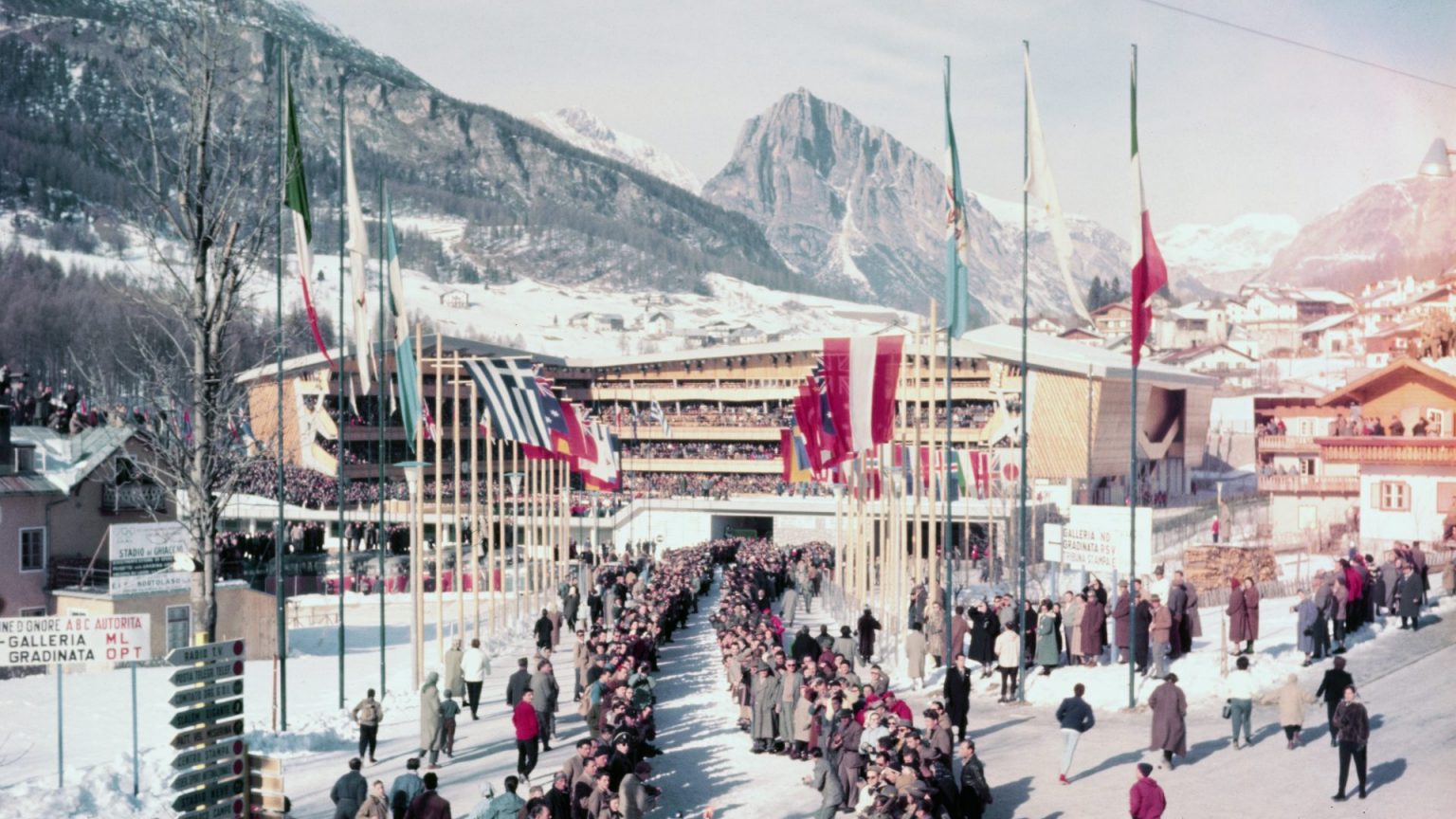
The last ten editions of the Winter Olympic Games span from the 1984 Sarajevo Games to the 2026 Milano Cortina Games, taking place across Europe, North America, and Asia. These global sporting events have transformed host cities, driven multi-billion-dollar infrastructure developments, and left behind diverse legacies of urban renewal and environmental adaptation.
Introduction to the Evolution of Winter Olympic Host Selection
The Winter Olympic Games represent the pinnacle of international winter sports competition, bringing together elite athletes from around the globe to contest disciplines ranging from alpine skiing and figure skating to ice hockey and bobsleigh. Understanding where these games were held provides vital historical context for how the International Olympic Committee (IOC) selects host cities, adapts to economic and ecological pressures, and distributes global sporting events.
Over the past four decades, the selection process for Winter Olympic host cities has shifted dramatically. Historically, bidding cities relied heavily on existing regional wealth, traditional winter sports cultures, and government-backed funding to secure the games. In recent years, the IOC has modified its framework to emphasize sustainability, fiscal responsibility, and the use of pre-existing or temporary venues. This evolution aims to prevent the financial burdens and underutilized white elephant infrastructure that historically plagued some host regions. Reviewing the last ten Winter Olympics illustrates this transition, showcasing a mix of traditional European mountain strongholds, North American metropolitan-adjacent venues, and emerging Asian winter sports powerhouses.
Chronological Breakdown of the Last 10 Winter Olympics
To accurately map the geographic and historical trajectory of the Winter Olympics, one must examine the events in reverse chronological order, starting with the most recent tournaments and moving backward through time. Each of these ten editions reflects the geopolitical climate, technological innovations, and sporting culture of its era.
2026: Milano Cortina (Italy) 2018: Pyeongchang (South Korea) 2014: Sochi (Russia) 2010: Vancouver (Canada) 2006: Turin (Italy) 2002: Salt Lake City (United States) 1998: Nagano (Japan) 1994: Lillehammer (Norway) 1992: Albertville (France) 1988: Calgary (Canada)
1. 2026: Milano Cortina, Italy
The 2026 Winter Olympics, officially known as the XXV Olympic Winter Games, are hosted jointly by the Italian cities of Milan and Cortina d'Ampezzo. This edition marks a departure from traditional single-city hosting models, spreading events across a vast geographical footprint in northern Italy, including clusters in Milan, Valtellina, Cortina d'Ampezzo, and Val di Fiemme. By utilizing a decentralized model, the organizing committee minimized the need for new permanent construction, relying instead on storied historic venues such as the Eugenio Monti sliding track in Cortina and Milan's existing indoor arenas.
2. 2018: Pyeongchang, South Korea
The XXIII Olympic Winter Games took place in Pyeongchang, Gangwon Province, South Korea. Pyeongchang secured the games after three consecutive bids, bringing the Winter Olympics back to East Korea for the first time since the 1972 Sapporo Games in Japan. The events were divided into two main clusters: the Pyeongchang Mountain Cluster, which hosted alpine and sliding events, and the Gangneung Coastal Cluster, which housed the ice sports arenas. The games were noted for high-speed rail integration connecting Seoul to the mountain venues and for temporary diplomatic initiatives involving inter-Korean athletic cooperation.
3. 2014: Sochi, Russia
The XXII Olympic Winter Games were held in Sochi, Krasnodar Krai, Russia. These games represented the first time the Russian Federation hosted the Winter Olympics. Sochi presented a unique geographic pairing of subtropical coastal conditions for ice sports in the Adler District and high-altitude alpine conditions in the Caucasus Mountains at Rosa Khutor. The event required massive capital expenditure on transportation corridors, hotels, and sporting venues, making it one of the most expensive Olympic projects in history.
4. 2010: Vancouver, Canada
The XXI Olympic Winter Games were staged in Vancouver and Whistler, British Columbia, Canada. This marked the third time Canada hosted an Olympic event, following the 1976 Summer Games in Montreal and the 1988 Winter Games in Calgary. Vancouver focused on urban coastal events like ice hockey and figure skating, while Whistler hosted the demanding outdoor alpine, nordic, and sliding disciplines. The games were characterized by unseasonably warm weather in the early phases, requiring organizers to truck in snow from higher elevations to preserve competition courses.
5. 2006: Turin, Italy
The XX Olympic Winter Games took place in Turin (Torino), Piedmont, Italy, with outlying events hosted in alpine resort municipalities across the Piedmont region such as Sestriere, Bardonecchia, and Pragelato. Turin leveraged its industrial heritage to transform post-industrial urban spaces into media centers and athletes' villages, while upgrading regional transit networks. The games celebrated the region's rich alpine sports history and introduced new disciplines like snowboard cross and team sprint cross-country skiing.
6. 2002: Salt Lake City, United States
The XIX Olympic Winter Games were held in Salt Lake City, Utah, United States. These games took place in the shadow of the September 11 terrorist attacks, resulting in unprecedented security measures overseen by federal agencies. Despite geopolitical tensions, the Salt Lake City games were widely praised for operational efficiency, strong financial returns, and exceptional snow conditions in the Wasatch Range. Many of the venues, including Utah Olympic Park and the Utah Olympic Oval, continue to serve as year-round training hubs for elite winter athletes.
7. 1998: Nagano, Japan
The XVIII Olympic Winter Games were hosted in Nagano, Japan. These games expanded the geographic reach of winter sports into central Honshu, utilizing venues nestled in the Japanese Alps. Nagano emphasized environmental stewardship, incorporating energy-efficient building designs and local community recycling programs. The games also witnessed the historic debut of women's ice hockey as an official Olympic medal sport, significantly broadening the global appeal of the tournament.
8. 1994: Lillehammer, Norway
The XVII Olympic Winter Games took place in Lillehammer, Norway. Scheduled just two years after the 1992 Albertville Games due to the IOC's decision to stagger the Summer and Winter cycles, Lillehammer delivered an iconic winter sports festival rooted in Scandinavian outdoor culture. The games were lauded for environmental sustainability, architectural integration into natural landscapes, and massive public attendance. Venues like the Gjøvik Olympic Cavern Hall, carved directly into a granite mountain, set new standards for geological engineering and venue conservation.
9. 1992: Albertville, France
The XVI Olympic Winter Games were held in Albertville, France, with competitions distributed across multiple outlying alpine villages in the Savoy region, including Val d'Isère, Tignes, and Courchevel. This edition was the final time the Winter and Summer Olympic Games occurred in the same calendar year. Albertville marked a turning point in television broadcasting and corporate sponsorship integration, while testing the logistical challenges of decentralized mountain staging areas.
10. 1988: Calgary, Canada
The XV Olympic Winter Games took place in Calgary, Alberta, Canada. Calgary successfully utilized private sector funding and corporate sponsorships to produce a financially surplus Olympic event, a stark contrast to the debt-ridden games of previous decades. The establishment of WinSport (Canada Olympic Park) ensured that Calgary maintained a lasting athletic legacy, training generations of Canadian winter Olympians. The games also introduced iconic cultural moments, such as the debut of the Jamaican bobsled team and the ski jumping exploits of "Eddie the Eagle" Edwards.
Summary Table of the Last 10 Winter Olympics
| Edition | Year | Host City / Region | Country | Primary Distinguishing Feature |
|---|---|---|---|---|
| XXV | 2026 | Milano Cortina | Italy | Decentralized multi-cluster regional hosting model |
| XXIII | 2018 | Pyeongchang | South Korea | Coastal and mountain cluster setup; high-speed rail integration |
| XXII | 2014 | Sochi | Russia | Subtropical coastal and high-altitude mountain pairing |
| XXI | 2010 | Vancouver / Whistler | Canada | Urban and mountain resort partnership across British Columbia |
| XX | 2006 | Turin | Italy | Industrial urban renewal paired with Piedmont alpine venues |
| XIX | 2002 | Salt Lake City | United States | High operational efficiency and lasting legacy training facilities |
| XVIII | 1998 | Nagano | Japan | Environmental focus and debut of women's ice hockey |
| XVII | 1994 | Lillehammer | Norway | Celebrated Scandinavian heritage and eco-friendly architecture |
| XVI | 1992 | Albertville | France | Final Winter Olympics held in the same year as Summer Games |
| XV | 1988 | Calgary | Canada | Financially profitable model with enduring private-public legacy |
Geographic Distribution and Regional Trends
Analyzing the geographic footprint of the last ten Winter Olympics reveals distinct regional preferences and shifts in international sport politics. Historically, the Winter Games have been concentrated in regions with reliable winter climates, high disposable income, and established winter sports infrastructure.
Europe: 6 editions (Milano Cortina 2026, Sochi 2014, Turin 2006, Salt Lake City 2002? No, North America, let's recount accurately) - Europe: Milano Cortina 2026 (Italy), Sochi 2014 (Russia), Turin 2006 (Italy), Lillehammer 1994 (Norway), Albertville 1992 (France) -> 5 editions in Europe. - North America: Vancouver 2010 (Canada), Salt Lake City 2002 (USA), Calgary 1988 (Canada) -> 3 editions in North America. - Asia: Pyeongchang 2018 (South Korea), Nagano 1998 (Japan) -> 2 editions in Asia.
European nations have hosted half of the last ten tournaments, reflecting deep-rooted alpine traditions in countries like Italy, France, and Norway. North America accounts for three editions, demonstrating strong organizational capacity in Canada and the United States. Asia has claimed two editions, signaling the growing economic and sporting influence of East Asian nations in winter sports development.
Economic and Infrastructure Legacies
The financial realities of hosting the Winter Olympics have undergone radical scrutiny over the past forty years. While the 1988 Calgary Games demonstrated that an Olympics could turn a financial profit through corporate sponsorship and disciplined budgeting, subsequent editions like Sochi 2014 experienced massive capital overruns driven by complex civil engineering requirements in undeveloped terrain.
Modern host cities face stringent IOC guidelines under the Agenda 2020 and New Norm frameworks. These guidelines prioritize:
- Financial Prudence: Eliminating wasteful spending on temporary or extravagant structures that serve no post-Olympic purpose.
- Environmental Sustainability: Mitigating carbon footprints, utilizing renewable energy sources, and protecting local fragile ecosystems.
- Venue Reuse: Upgrading existing facilities rather than constructing new ones from scratch, as seen in the 2026 Milano Cortina blueprint.
Frequently Asked Questions
Which country has hosted the Winter Olympics the most times?
The United States has hosted the Winter Olympics four times (Lake Placid 1932, Squaw Valley 1960, Lake Placid 1980, and Salt Lake City 2002), making it the most frequent host nation in Winter Olympic history. France and Switzerland follow closely with multiple editions across their alpine regions.
Where was the Winter Olympics held before Milano Cortina 2026?
The Winter Olympics immediately preceding the 2026 Milano Cortina Games were held in Pyeongchang, South Korea, in 2018. Note that the 2022 Winter Olympics were held in Beijing, China, which falls outside the scope of the exact last ten editions counted backward from 2026 (ending at 1984 Sarajevo, which is the eleventh in reverse order).
What was the financial impact of the 1988 Calgary Winter Olympics?
The 1988 Calgary Winter Olympics generated a net financial surplus of approximately 149 million Canadian dollars. This surplus was successfully placed into an endowment fund managed by the Olympic Development Association, supporting Canadian amateur sports and facility maintenance for decades.
Why did the IOC change the scheduling of the Winter Olympics?
In 1986, the IOC voted to separate the Summer and Winter Olympic Games, moving them onto alternating four-year cycles. This was done to ease the massive media and logistical pressures of broadcasting both major global events in the same year and to maximize commercial marketing revenue for both festivals.
Are all Winter Olympic sports held outdoors?
No, the Winter Olympic program is split between outdoor endurance and sliding sports—such as alpine skiing, cross-country skiing, biathlon, bobsleigh, luge, and skeleton—and indoor ice sports, which include figure skating, short-track speed skating, long-track speed skating, curling, and ice hockey.
Conclusion and Next Actions
Reviewing the locations of the last ten Winter Olympics illustrates a fascinating journey of global sports administration, architectural engineering, and economic adaptation. From the profitable community-driven model of Calgary in 1988 to the decentralized regional vision of Milano Cortina in 2026, host nations continue to redefine what it means to stage a sustainable winter festival. For researchers, sports enthusiasts, and urban planners alike, analyzing these historical host cities provides essential insight into the future trajectory of international athletics. To explore further, examine the official archives of the International Olympic Committee or study regional economic reports published by past organizing committees.