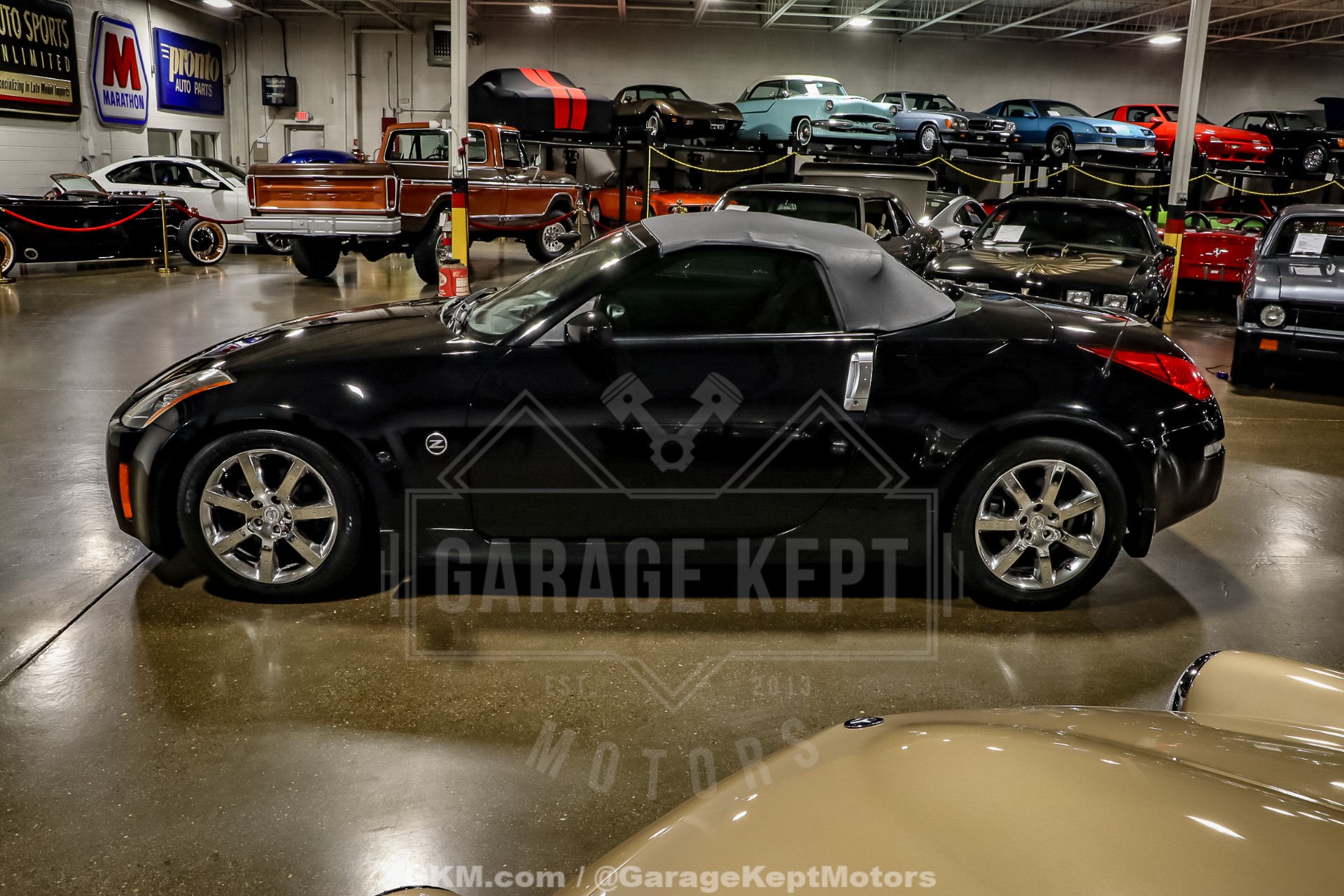
Evaluating the market worth of a 2004 Nissan 350Z Touring requires looking past generic online valuation guides and examining real-world factors like mileage, condition, mechanical health, and enthusiast demand. For a well-maintained model, pricing often centers around the mid-five-figure range depending on regional trends and modification history.
Introduction to the 2004 Nissan 350Z Touring
When examining a sports car from the mid-2000s, determining its true financial and enthusiast worth is rarely straightforward. The 2004 Nissan 350Z Touring sits in a fascinating sweet spot within the automotive market. It is modern enough to offer daily-drivable reliability and safety features, yet vintage enough to be recognized as a bona fide modern classic. Enthusiasts frequently search for specific figures—such as a $10,850 valuation benchmark—to understand where an average-to-good condition example lands in the current used car ecosystem.
However, sports car valuations are notoriously volatile. They fluctuate based on the specific trim level, transmission type, modification status, and how diligently the vehicle has been maintained. The Touring trim level was one of the higher-tier packages offered by Nissan for the 2004 model year, bridging the gap between the base enthusiast models and the track-focused variants. This comprehensive guide breaks down the true value of a 2004 Nissan 350Z Touring, analyzing what you get for your money, the mechanical realities of the platform, and the economic variables that dictate its price in today's market.
Evolution and Identity: What Makes the Touring Trim Special?
To understand the value of a 2004 Nissan 350Z Touring, one must first understand what separated it from other variants on the showroom floor. Released during the revival of Nissan’s iconic "Z" car lineage, the Z33 generation captivated the automotive press and public alike when it debuted. Under the hood sat the revered 3.5-liter VQ35DE V6 engine, pumping out 287 horsepower and 274 lb-ft of torque. Power was routed to the rear wheels through either a 6-speed manual transmission or a 5-speed automatic with manual shift mode.
The Touring trim was designed for drivers who wanted the aggressive performance of the sports car coupled with everyday comfort and luxury amenities. While the base and enthusiast models leaned heavily into stripped-down performance, the Touring package added substantial value through factory-installed upgrades:
- Leather-Appointed Seating: Heated power-adjustable seats replaced the standard cloth buckets.
- Audio System: Upgraded Bose audio system with a six-disc in-dash CD changer and rich cabin acoustics.
- Vehicle Dynamics: Inclusion of Vehicle Dynamic Control (VDC), Traction Control System (TCS), and a tire pressure monitoring system.
- Braking and Wheels: Often paired with larger cast-alloy wheels and high-performance braking components.
Because of these upgrades, well-preserved Touring models command a different pricing tier than base models that have been heavily modified or abused.
Market Value Drivers: Mileage, Condition, and Modifications
When prospective buyers or sellers encounter a price tag or valuation estimate like $10,850, it is essential to contextualize what kind of car that figure actually buys. In the current automotive landscape, a 350Z priced around $11,000 typically represents a clean title vehicle with moderate-to-high mileage, minor cosmetic wear, and mostly stock mechanical components.
Several critical factors drive the valuation of a 2004 Nissan 350Z Touring:
1. Mileage and Structural Integrity
Mileage heavily dictates price. A 2004 model is over two decades old, meaning low-mileage examples (under 75,000 miles) are becoming rare collector items that can easily fetch significantly higher figures. Conversely, examples with 150,000+ miles will see steep depreciation, often dipping well below the $8,000 threshold unless they have undergone a comprehensive engine and suspension refresh. Structural rust—particularly in northern climates where road salt is prevalent—can instantly slash a car's value to near zero, as subframe and rocker panel rot is notoriously expensive to repair on these unibody chassis.
2. Modification Status vs. Stock Purity
The Nissan 350Z is one of the most heavily modified platforms in tuner culture. Finding an unmodified, bone-stock 2004 Touring model is increasingly difficult. Paradoxically, while modifications cost money to install, they rarely add value to the resale price. In fact, poorly executed modifications—such as cheap aftermarket body kits, cut springs, universal turbo kits, or spliced wiring harnesses—drastically reduce the car's market value. Conversely, tasteful, high-end upgrades (like authentic Nismo wheels, upgraded coil-overs from reputable brands, or quality cat-back exhaust systems) may appeal to specific buyers, but a clean stock example almost always commands the highest and most stable market price.
3. Transmission Preference
For the 350Z, the transmission choice plays a massive role in liquidity and enthusiast valuation. The 6-speed manual transmission is heavily favored by purists and commands a distinct price premium over the 5-speed automatic. While automatics can be found at lower price points, they appeal to a much smaller segment of buyers looking for a sports car experience, directly impacting resale velocity.
Comparative Valuation Breakdown
To better visualize how condition, mileage, and title status influence pricing for a 2004 Nissan 350Z Touring, review the comparative tiers below:
| Condition Tier | Approximate Mileage | Estimated Price Range | Key Characteristics |
|---|---|---|---|
| Collector / Mint | Under 60,000 miles | $14,000 – $20,000+ | All-original paint, garage-kept, documented service history, zero modifications, clean interior. |
| Good / Collector-Adjacent | 60,000 – 100,000 miles | $10,000 – $13,500 | Minor cosmetic wear, routine maintenance up to date, clean title, minimal or tasteful upgrades. |
| Driver Quality | 100,000 – 150,000 miles | $6,500 – $9,500 | Daily driven, normal parking lot dings, leather seat wear, mechanical needs addressed as they arose. |
| Project / Salvage | 150,000+ miles or Rebuilt | $3,000 – $6,000 | Salvage title history, mechanical issues, heavy modifications, extensive cosmetic blemishes or rust. |
Mechanical Realities and Common Ownership Costs
Purchasing a 2004 Nissan 350Z Touring requires factoring in immediate and long-term maintenance costs. The VQ35DE engine is widely regarded as robust and reliable, capable of lasting well past 200,000 miles with proper care, but early production years (2003–2004) came with specific known quirks that every buyer should verify before exchanging money.
The "RevUp" Nuance and Oil Consumption
The 2004 model year bridges two variants of the VQ35DE engine. Early 2004 models featured the standard non-RevUp engine, while late 2004 manual transmission models introduced the "RevUp" engine (distinguished by a higher redline and variable valve timing on both intake and exhaust cams). The RevUp engines are notorious for oil consumption issues piston-ring related. Buyers should thoroughly check service logs and oil levels to ensure a prospective vehicle does not suffer from excessive oil burning.
Suspension Bushings and Wear Items
With two decades of age, rubber suspension components across the front control arms, compression rods, and rear differential mount are typically degraded or completely torn. Replacing these components is a standard rite of passage for Z33 ownership. A buyer should budget $500 to $1,500 for a suspension refresh if the previous owner has not already tackled the job.
Window Regulator Failure
A notorious electrical gremlin on the 350Z is the power window motor and regulator assembly. Over time, the internal motors burn out, causing the windows to drop or fail to index properly when opening the doors. While replacement parts are inexpensive and the fix is straightforward, it is a common point of negotiation during a private sale.
Frequently Asked Questions
Is a 2004 Nissan 350Z Touring a good daily driver?
Yes, it can serve as a daily driver if you prioritize driving dynamics over cargo space and fuel economy. The Touring trim offers heated leather seats and a premium sound system, making highway commuting comfortable. However, its stiff suspension, low ground clearance, and premium fuel requirements should be considered for year-round commuting.
How do I verify if a 350Z is a true Touring trim?
Check the vehicle's VIN using a reputable decoder or inspect the factory interior features. A true Touring model will feature factory leather seats with power adjustments and seat heaters, steering wheel audio controls, and an interior dash plaque or Bose subwoofer configuration behind the passenger seat.
What is the difference between the Enthusiast and Touring trims?
The Enthusiast trim focuses on performance foundations, adding traction control, a limited-slip differential, and an aluminum pedal set, but retains cloth seats and a standard audio system. The Touring trim builds on this by adding luxury conveniences like leather upholstery, heated seats, and the Bose premium audio system.
Are 2004 Nissan 350Zs increasing in value?
Clean, unmodified, low-mileage examples of the 350Z have begun stabilizing and appreciating slightly as fewer clean examples remain on the road. Heavily modified or high-mileage cars, however, continue to depreciate or remain flat in value.
Final Recommendation and Next Actions
If you are evaluating a 2004 Nissan 350Z Touring listed near the $10,850 mark, you are likely looking at a fair-market vehicle with average mileage and decent upkeep. To protect your investment, always insist on a pre-purchase inspection (PPI) performed by an independent mechanic familiar with the VQ35 platform. Check for signs of accident repair, verify oil and coolant health, and test all electronics—including the climate control and window regulators. When approached with patience and mechanical due diligence, a well-selected 350Z Touring delivers exceptional rear-wheel-drive performance and engaging driving dynamics that few modern cars can match at a similar price point.