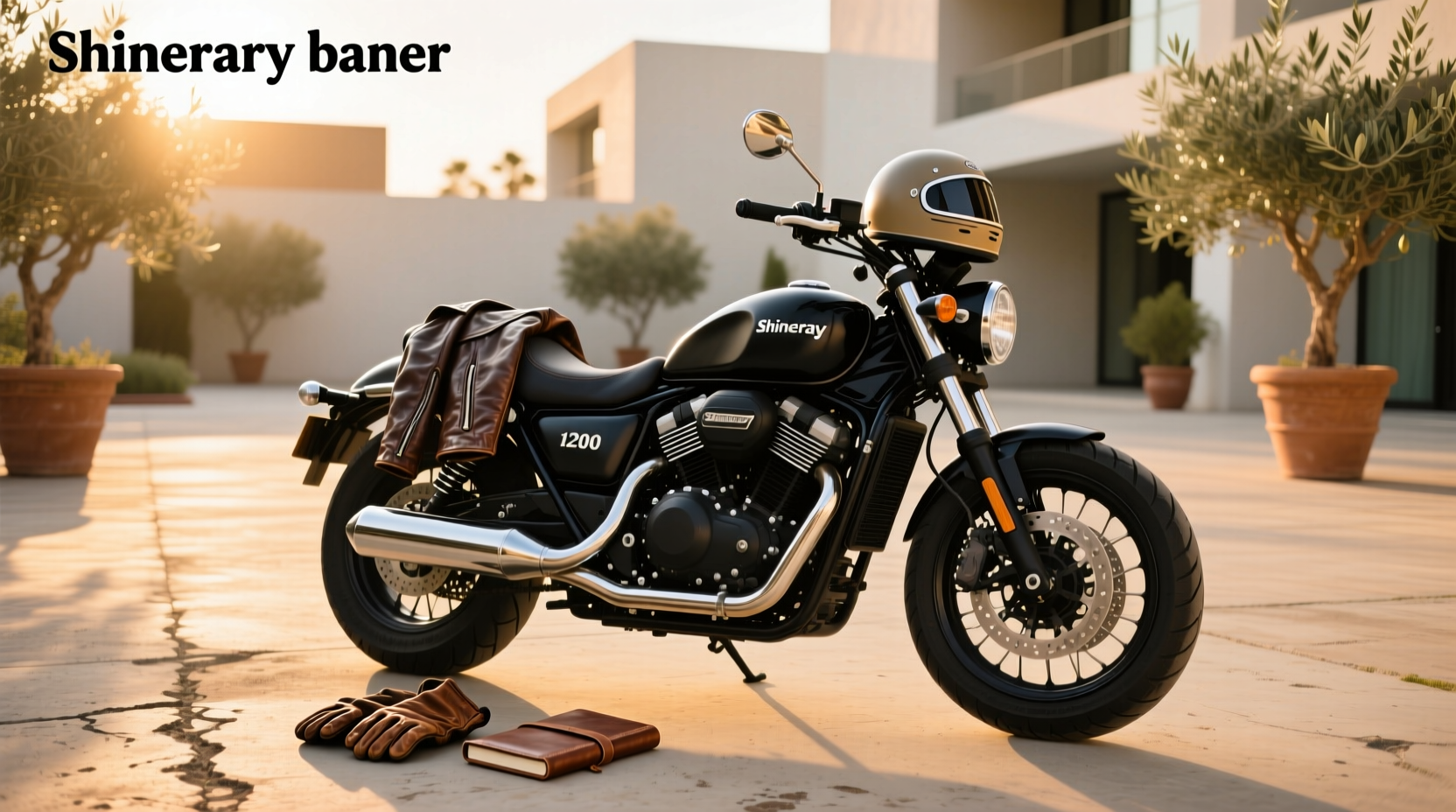
Performing a routine oil change on a Harley-Davidson Sportster 1200 involves warming the engine, draining the oil via the dedicated drain hose, replacing the spin-on filter, and refilling the oil tank with approximately 2.8 quarts of 20W-50 motorcycle-grade oil. Sustainable riders prioritize high-performance synthetics to extend service intervals and ensure all used fluids are recycled at certified collection centers.
The Harley-Davidson Sportster 1200, powered by the iconic Evolution engine, is a masterpiece of mechanical simplicity and longevity. In 2026, as riders become increasingly conscious of their environmental footprint, the "do-it-yourself" (DIY) oil change has evolved from a mere maintenance task into an exercise in sustainability. By managing your own fluids, you ensure that high-quality, long-lasting lubricants are used and that every drop of waste oil is handled responsibly, preventing soil and water contamination.
The Philosophy of the Sustainable Rider
Sustainability in motorcycling is often misunderstood. For the Sportster 1200 owner, it doesn't mean riding less; it means maintaining the machine to such a high standard that it lasts for decades rather than years. The Evolution engine is a "dry sump" system, meaning the oil is stored in a separate tank rather than a pan at the bottom of the engine. This design allows for efficient cooling but requires a specific approach to oil changes.
A sustainable approach focuses on three pillars:
- Resource Longevity: Using full synthetic oils that maintain viscosity longer, thereby reducing the frequency of oil changes.
- Waste Management: Capturing 100% of the used oil and the oil trapped within the filter.
- Mechanical Precision: Using the correct torque values to prevent stripped threads, which avoids the need for replacement parts and reduces material waste.
Essential Tools and Sustainable Supplies
Before beginning, gather all necessary equipment. Investing in high-quality tools is a sustainable practice in itself, as they last a lifetime and prevent damage to the motorcycle's fasteners.
Required Equipment
- Socket Set and Wrenches: Specifically a 5/8-inch socket or a flat-head screwdriver for the drain hose clamp (depending on your specific model year).
- Oil Filter Wrench: An end-cap style wrench is preferred to avoid slipping and damaging the filter casing.
- Drain Pan: Choose one with a large surface area and a pour spout to minimize spills.
- Funnel: A dedicated long-neck funnel to reach the oil tank fill port.
- Torque Wrench: Crucial for the primary chaincase inspection cover if you are performing a full fluid service.
Consumables for 2026
- Engine Oil: 3 quarts of 20W-50. For sustainability, look for high-performance synthetics (like AMSOIL V-Twin or Mobil 1 V-Twin) which are engineered for the high-heat environment of air-cooled engines.
- Oil Filter: A high-efficiency 5-micron filter. Some sustainable riders opt for reusable stainless steel mesh filters, which can be cleaned and reinstalled, eliminating the waste of disposable filters.
- O-Rings and Gaskets: Always replace the drain plug O-ring if applicable to ensure a leak-free seal.
- Cleaning Agents: Use biodegradable degreasers to clean up any incidental drips on the frame or engine cases.
Step-by-Step Engine Oil Change Procedure
1. Engine Warm-up
Never change the oil on a cold Sportster 1200. Cold oil is thick and holds contaminants at the bottom of the tank. Ride the motorcycle for 10–15 minutes to reach operating temperature. This thins the oil, ensuring a faster and more complete drain, and suspends particulates so they are flushed out with the old fluid.
2. Positioning and Preparation
Park the motorcycle on a level surface. While some riders prefer a motorcycle jack, the Sportster is easily serviced on its kickstand (jiffy stand). Place your drain pan directly under the oil drain hose, which is typically located on the right side of the motorcycle, tucked near the frame or the swingarm pivot.
3. Draining the Oil Tank
The Sportster 1200 does not use a traditional drain plug in the engine block. Instead, it features a drain hose secured to a frame post with a worm-gear clamp or a constant-tension clip.
- Loosen the clamp and pull the hose off the frame post.
- Direct the hose into the drain pan.
- Remove the oil tank filler cap (dipstick) to break the vacuum, allowing the oil to flow freely.
- Sustainability Tip: Allow the oil to drain for at least 10 minutes. The "last half-cup" often contains the highest concentration of metallic wear particles.
4. Replacing the Oil Filter
The oil filter is located at the front of the engine, near the voltage regulator.
- Place a rag or a specialized "oil catch" funnel beneath the filter to prevent oil from dripping onto the front motor mount. Oil can degrade the rubber in the motor mount over time.
- Use the filter wrench to loosen the filter. Once loose, unscrew it by hand.
- Sustainable Disposal: Do not throw the filter in the trash immediately. Set it upside down in your drain pan overnight to ensure all internal oil is recovered.
- Prepare the new filter by smearing a thin film of fresh oil on the rubber gasket. This ensures a proper seal and makes future removal easier.
- Screw the new filter on by hand until the gasket makes contact, then tighten an additional half to three-quarters of a turn. Do not use a wrench to tighten the filter.
5. Cleaning the Drain Plug/Post
Most Sportsters have a magnetic tip on the drain plug or the frame post. Inspect this for "fuzz"—fine metallic particles. A small amount of fine gray fuzz is normal wear. However, large shards or chunks indicate internal engine issues. Clean the magnet thoroughly with a lint-free cloth.
6. Refilling the System
- Reattach the drain hose to the frame post and tighten the clamp securely.
- Insert your funnel into the oil tank.
- Add 2.0 to 2.5 quarts of fresh 20W-50 oil.
- Replace the dipstick and start the engine. Let it idle for 30 seconds to circulate the oil into the filter and engine galleries. The oil pressure light should extinguish within 2-3 seconds.
- Turn off the engine and check the level. Add the remaining oil until the level is between the "Add" and "Full" marks on the dipstick. Do not overfill, as the Sportster will often vent excess oil into the air cleaner.
The Primary Chaincase Service
On a Sportster 1200, the primary chaincase and the transmission share the same lubricant. This is distinct from the engine oil. To be a truly sustainable rider, this fluid should be changed every 5,000 miles to ensure smooth shifting and to protect the stator.
- Drain Plug: Located directly under the primary cover on the left side of the bike. It is a 5/8-inch bolt with a magnet.
- Refill: Use 1 quart (32 oz) of Harley-Davidson Formula+ or a high-quality 20W-50 synthetic specifically rated for wet clutches.
- Inspection: While the drain plug is out, check the magnet for debris. Large metallic flakes here can indicate primary chain wear or compensator issues.
Technical Specifications and Capacities
| Component | Fluid Type | Capacity (Approx.) | Torque Spec |
|---|---|---|---|
| Engine Oil Tank | 20W-50 Motorcycle Oil | 2.8 Quarts (2.6L) | N/A (Hose Clamp) |
| Primary/Transmission | Primary Chaincase Lub | 1.0 Quart (0.95L) | 14-30 ft-lbs (Drain Plug) |
| Oil Filter | 5-Micron Spin-on | 1 Unit | Hand Tight |
| Derby Cover Bolts | N/A | N/A | 84-108 in-lbs |
Sustainable Waste Management and Disposal
The job isn't finished until the waste is processed. Used motor oil never wears out; it merely gets dirty. It can be refined into new base stock, a process that requires significantly less energy than refining crude oil.
- Consolidation: Pour the used oil from your drain pan into a sealable container (the jugs your new oil came in are perfect for this).
- Filter Drainage: In 2026, many regions require oil filters to be punctured and drained for 24 hours before recycling. This recovers up to 8 ounces of oil that would otherwise be lost.
- Local Collection: Take your oil and filter to a local automotive parts store or municipal recycling center. Most of these facilities accept used oil free of charge because the oil has value as a recyclable commodity.
- Spill Cleanup: If you spilled oil on your garage floor, use an absorbent material like sawdust or eco-friendly clay. Avoid hosing oil into the storm drain, as this leads directly to local waterways.
Common Mistakes to Avoid
- Over-tightening the Drain Hose Clamp: This can cut the rubber hose, leading to a slow leak that is difficult to diagnose.
- Using Automotive Oil: Standard car oil often contains friction modifiers that can be detrimental to air-cooled engines and, in the case of the primary, will cause the clutch to slip.
- Ignoring the O-ring: Reusing a flattened or cracked O-ring on the primary drain plug is the leading cause of "Sportster spots" (oil drips) on driveways.
- Checking Oil Cold: On a Sportster, checking the oil when the engine is cold will often result in a false "low" reading. This leads to overfilling, which causes oil to blow out of the breathers and soak your right pant leg.
Troubleshooting Guidance
Oil Pressure Light Stays On: If the oil light does not turn off after 10 seconds of idling post-change, shut the engine off immediately. You may have an air lock in the system. Loosen the oil filter slightly until oil starts to seep out, then retighten. This "bleeds" the air out of the pump.
Leaks After the Change: Most leaks occur at the filter or the drain hose. Ensure the old filter gasket was not left on the engine block (the "double gasket" error). Check that the drain hose is pushed all the way onto the frame post.
Clutch Drag or Neutral Difficulty: If you changed the primary fluid and now find it hard to shift, you may have used an oil with incorrect viscosity or additives. Ensure you used a fluid rated for Harley-Davidson wet clutches.
Frequently Asked Questions
How often should I change the oil on my Sportster 1200 in 2026?
While the factory manual may suggest 5,000 miles, sustainable riders using high-quality full synthetics can often go 5,000 to 7,500 miles depending on riding conditions. However, if you perform many short trips where the engine doesn't reach full temperature, change it every 3,000 miles to prevent moisture buildup (sludge) in the oil tank.
Can I use 15W-50 instead of 20W-50?
In cooler climates, 15W-50 is acceptable. However, the Sportster 1200 is an air-cooled engine that relies heavily on oil for cooling. 20W-50 provides the necessary film strength at high operating temperatures typical of summer riding or heavy traffic.
Are reusable stainless steel oil filters actually better for the environment?
Yes, from a waste-reduction standpoint. A stainless steel filter can last the life of the motorcycle, preventing dozens of paper filters from entering landfills. They also typically offer better flow rates. The trade-off is that they require manual cleaning with a solvent, which must also be disposed of responsibly.
My oil looks milky/cloudy. What does that mean?
Milky oil indicates water contamination. This is common in riders who only take short trips. The engine doesn't get hot enough to boil off the condensation that forms inside the cases. The solution is a fresh oil change and a long "Italian Tune-up" ride to thoroughly heat the engine.
Is it necessary to change the primary oil every time I change the engine oil?
It is not strictly necessary but highly recommended. The Sportster's primary oil lubricates the transmission gears and the primary chain, and it's subjected to "clutch shear." Given that it only requires one quart of fluid, changing it alongside the engine oil provides peace of mind and ensures the entire powertrain is fresh.
Practical Recommendation
For the best balance of performance and sustainability, adopt a 5,000-mile service interval using a high-zinc full synthetic 20W-50 oil. Always replace your drain plug O-ring and use a 5-micron filter. By keeping a detailed maintenance log, you not only preserve the resale value of your Sportster 1200 but also ensure that this iconic piece of American machinery remains on the road, and out of the scrapyard, for the next generation of riders.