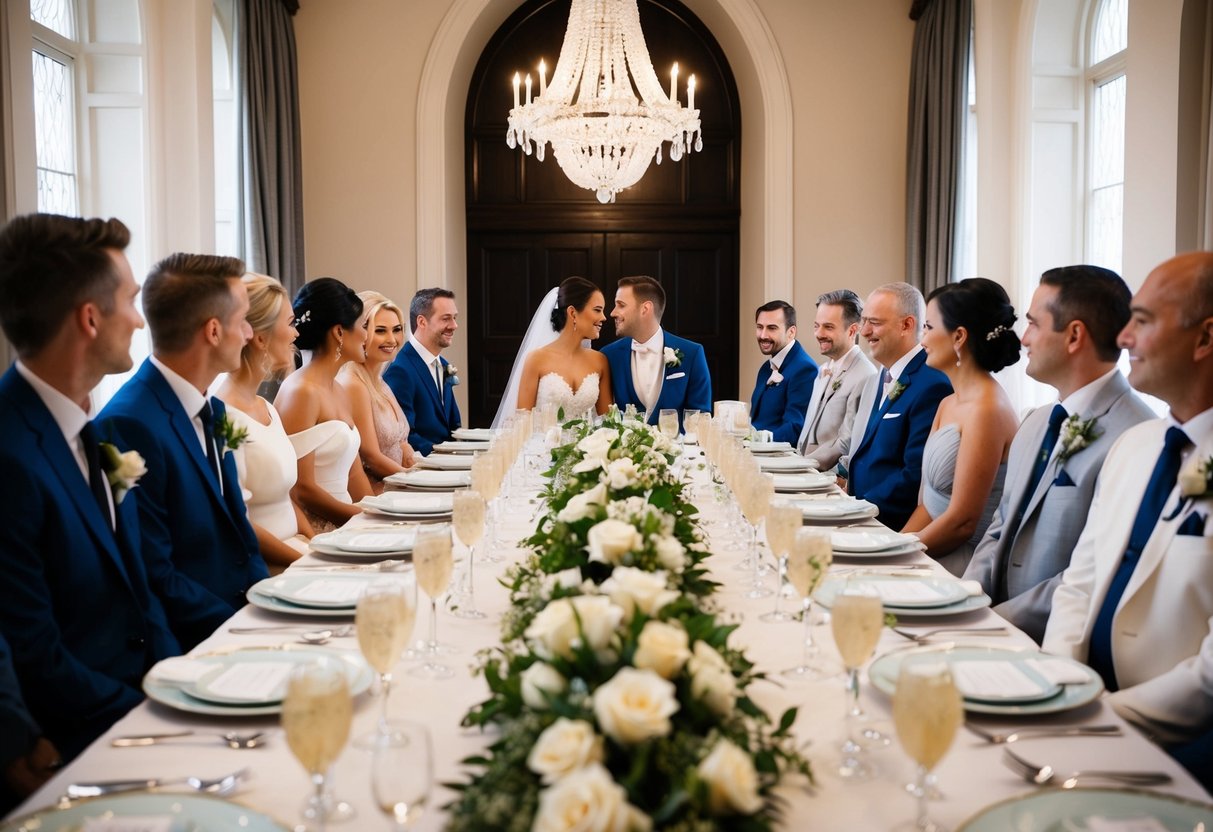
A successful rehearsal dinner toast from the mother of the groom should balance warm nostalgia with a heartfelt welcome to the new spouse. To achieve this, focus on a three-part structure: a brief anecdote highlighting your son’s character, a sincere tribute to his partner, and a closing wish for their future together.
The rehearsal dinner is a unique milestone in the wedding weekend. While the wedding day itself is often a whirlwind of formality and tradition, the rehearsal dinner serves as a more intimate bridge between two families. As the mother of the groom, your role in this evening is pivotal. Traditionally, the groom’s family hosts this event, which places you in the role of a primary hostess. Your toast is not just a speech; it is a public blessing and an opportunity to set a tone of warmth, inclusivity, and joy for the celebrations ahead.
In 2026, wedding traditions continue to evolve toward personalization and emotional authenticity. Modern toasts have moved away from rigid, formal scripts toward storytelling that feels genuine and unforced. Whether you are an experienced public speaker or someone who dreads the microphone, crafting a message that resonates requires a blend of preparation, structure, and a deep understanding of the audience.
The Significance of the Mother of the Groom Toast
The mother of the groom occupies a special place in the wedding hierarchy. You have watched your son grow from a child into the man he is today, and you are likely the person who knows his journey most intimately. In many ways, your toast is a transition—a public acknowledgment that while he will always be your son, he is now embarking on a primary partnership with his spouse.
This toast is also your first official opportunity to welcome your new daughter-in-law or son-in-law into the family. In the 2026 wedding climate, where families are often spread across the globe and may be meeting for the first time, your words serve as the "social glue." By speaking warmly of your new child-in-law, you signal to your extended family and friends that this union is celebrated and supported. It is a moment to build bridges and celebrate the expansion of your family tree.
Establishing the Right Tone and Length
One of the most common mistakes in rehearsal dinner speeches is a lack of focus regarding tone. Before you put pen to paper, decide what "vibe" you want to project. Are you the "funny mom" who loves a good-natured ribbing? Or are you the "sentimental mom" whose words will bring a tear to everyone’s eye? Ideally, the best toasts land somewhere in the middle: 70% heart and 30% humor.
Timing is equally critical. The rehearsal dinner usually involves multiple speakers, including the father of the groom, the maid of honor, the best man, and sometimes other family members. To keep the evening moving and ensure guests remain engaged, aim for a duration of three to five minutes. This equates to roughly 500 to 750 words when spoken at a measured, conversational pace. Anything longer risks losing the audience's attention; anything shorter may feel rushed or dismissive.
A Step-by-Step Structural Framework
A chaotic speech is difficult to follow. By following a proven structural framework, you ensure that your message has a clear beginning, middle, and end. This structure also helps manage nerves, as you always know what point is coming next.
1. The Introduction and Greeting
Begin by introducing yourself. Even though many people in the room know you, there will likely be guests from the other side of the family who do not. A simple, "Good evening, everyone. For those who don’t know me, I’m [Name], [Groom's Name]’s mother," is perfectly sufficient. Use this moment to thank the guests for traveling to be there and, if your family is hosting, express how happy you are to see everyone gathered together.
2. The Character Sketch (The "Son" Segment)
This is the part of the speech where you share a brief story about your son. Avoid the "laundry list" approach where you recount every achievement from kindergarten to college. Instead, choose one specific story or trait that defines who he is today. Perhaps it’s his resilience, his sense of humor, or his kindness. Describe a moment that illustrates this trait. The goal is to make the audience see the man he has become through your eyes.
3. The Turning Point (The "Meeting the Partner" Segment)
Transition from your son’s individual story to the moment he met his partner. You don’t need to know the exact details of their first date, but you should describe the change you saw in him. Did he seem more grounded? More joyful? This is the bridge that connects his past with his future. It shows the audience that you recognize the positive impact his spouse has had on his life.
4. The Welcome to the Family
Address your son's partner directly. Look them in the eye and tell them why you are happy they are joining the family. Mention a specific quality you admire in them—perhaps their patience, their career drive, or the way they fit right in at your family's Sunday dinners. This is the "welcome home" moment of the speech and is often the most touching part for the couple.
5. The Closing and Toast
Conclude by summarizing your wishes for their marriage. Avoid clichés if possible, but don't be afraid of traditional sentiments if they feel right. Ask everyone to raise their glass. Give a clear cue, such as, "To [Groom] and [Partner], may your love grow deeper with every passing year. To the happy couple!"
Practical Prompts to Spark Your Creativity
If you are staring at a blank page, use these prompts to get the ideas flowing. Don't worry about perfect grammar at this stage; just get your thoughts down.
- The "First Impression" Prompt: What did your son say to you after his first date with his partner? What was your first impression of them when they walked into your home?
- The "Childhood Core" Prompt: What was your son’s favorite hobby or obsession as a child, and how does that same passion manifest in his adult life or his relationship?
- The "Better Together" Prompt: How do the two of them complement each other? If your son is the "anchor," is his partner the "sail"?
- The "Wisdom" Prompt: What is one piece of marriage advice you’ve learned over the years that you genuinely believe will help them?
Navigating Complex Family Dynamics
In 2026, "family" looks different for everyone. Navigating blended families, deceased relatives, or strained relationships requires tact. If you are a stepmother or if the groom’s father is no longer in the picture, acknowledge the situation with grace but keep the focus on the couple.
If there is a deceased parent or grandparent who was very close to the groom, a brief, respectful mention is appropriate. You might say, "I know [Name] is looking down on us today with so much pride." However, avoid letting the speech become a eulogy. The rehearsal dinner is a celebration of life and a new beginning; keep the majority of the content focused on the living and the future.
Delivery and Public Speaking Best Practices
Even the most beautifully written toast can be undermined by poor delivery. Since we are in 2026, technology can be your friend, but don't rely on it entirely.
- Paper vs. Digital: While it is tempting to read from a smartphone, it often looks messy and can cause glare in photos. Use high-quality cardstock or a small, elegant notebook. It provides a stable surface for your hands and looks much more intentional in wedding videos.
- The Microphone is Your Friend: Hold the microphone about two inches from your mouth. Do not move it around as you turn your head to look at the couple; move your hand and the microphone with your head.
- Eye Contact: Try to spend 50% of the time looking at the couple, 40% looking at the guests, and only 10% looking at your notes.
- Pace Yourself: When people are nervous, they talk faster. Take a deep breath between each section of your speech. Silence for two seconds feels like an eternity to you, but to the audience, it sounds like a thoughtful pause.
- Hydration and Alcohol: Have a glass of water nearby. It is also wise to limit yourself to one glass of wine or champagne before the toast. Save the celebratory drinks for after you’ve successfully delivered your message.
Common Pitfalls to Avoid
To ensure your toast is remembered for the right reasons, avoid these common "red flags":
- Inside Jokes: If only three people in the room understand the joke, don't include it. It makes the rest of the guests feel excluded.
- Ex-Partners: Never, under any circumstances, mention a previous boyfriend or girlfriend of your son.
- Embarrassing Stories: A "cute" story from when he was five is fine. A "humiliating" story from his college days is not. If you have to ask if a story is too embarrassing, it probably is.
- Making it About You: While you are the speaker, the subject is the couple. Avoid spending too much time on your own life or your own feelings about "losing" a son.
- Crying Excessively: It is perfectly okay to get misty-eyed. However, if you are sobbing so hard you cannot speak, it becomes uncomfortable for the guests. If you feel yourself losing control, take a sip of water and look at a friendly face in the crowd until you regain your composure.
Comparison of Toast Styles
Depending on your personality and the wedding theme, you may choose different approaches. The following table compares three common styles:
| Feature | The Sentimental Approach | The Lighthearted Approach | The Short & Sweet Approach |
|---|---|---|---|
| Primary Goal | To evoke deep emotion and nostalgia. | To entertain and create laughter. | To offer a concise, elegant blessing. |
| Best For | Close-knit families with a history of heart-on-sleeve expression. | Informal, relaxed rehearsal dinners; high-energy families. | Large groups or when many other speakers are scheduled. |
| Core Element | Childhood memories and "soulful" observations. | Funny (but kind) anecdotes and playful observations. | Focused on the future and a brief welcome. |
| Risk Factor | Can become too long or overly "heavy." | Can accidentally offend if jokes miss the mark. | May feel slightly impersonal if too brief. |
FAQ: Mother of the Groom Toast
How long should my rehearsal dinner toast be?
Ideally, aim for three to five minutes. This is long enough to be meaningful but short enough to keep the audience's attention. In terms of word count, this is roughly 500 to 750 words.
Do I have to give a toast if I'm terrified of public speaking?
While it is traditional, you are not legally obligated. However, most couples deeply appreciate the gesture. If you are truly paralyzed by fear, consider doing a "joint toast" with your spouse or another family member, or keep it extremely brief (under 60 seconds) by simply offering a heartfelt welcome and a toast.
Should I mention the bride/partner’s parents?
Yes, it is a very gracious touch to mention how much you have enjoyed getting to know the other family and to thank them for their role in raising such a wonderful person for your son to marry.
Can I use a template I found online?
Templates are great for structure, but you must personalize the content. A generic toast feels "canned" and lacks the emotional resonance that guests expect from the mother of the groom. Use a template as a skeleton, then add your own unique "meat" to the bones.
Is it okay to read my speech?
Yes, it is much better to read from notes than to forget your place or ramble. Just make sure to practice enough that you can look up frequently and engage with your audience.
When exactly do I give the toast?
Typically, the host of the rehearsal dinner (usually the groom's parents) speaks first. This often happens after the main course is served but before dessert. Check with the wedding planner or the venue coordinator for the specific timeline of the evening.
Final Recommendations for a Successful Toast
As you prepare for the 2026 wedding season, remember that your primary goal is to share love. If you speak from a place of genuine affection for your son and his partner, you cannot truly fail.
Start your preparation at least three weeks before the event. Write a "shitty first draft" without censoring yourself. Let it sit for a few days, then go back and edit for clarity and flow. Practice reading it out loud—not just in your head—to identify any tongue-twisters or awkward phrasing. Finally, record yourself on your phone. Listening to the playback will help you identify if you are speaking too fast or where you might need to add a pause for emphasis.
On the night of the rehearsal dinner, remember that the audience is on your side. They want you to do well, and they are there to celebrate the same thing you are: a beautiful new beginning for two people you love.