Whether your long-term disability (LTD) benefits are taxable depends primarily on who paid the insurance premiums and whether those payments were made with pre-tax or after-tax dollars. While many individuals assume disability payments are tax-exempt, the reality is dictated by the Internal Revenue Service (IRS) guidelines regarding the source of funding for the disability policy. If you paid for the policy entirely with after-tax earnings, your benefits are generally tax-free. If your employer paid the premiums or if you paid for them with pre-tax dollars, those benefits are typically considered taxable income.
Understanding the Taxation Framework for Disability Insurance
The taxability of long-term disability benefits is not determined by the nature of the condition causing the disability, but rather by the structure of the insurance contract and the method of premium payment. Under the U.S. tax code, the IRS views disability benefits as a form of "wage replacement." Therefore, the tax status of these payments is tied to whether the premiums were excluded from your taxable income when they were paid.
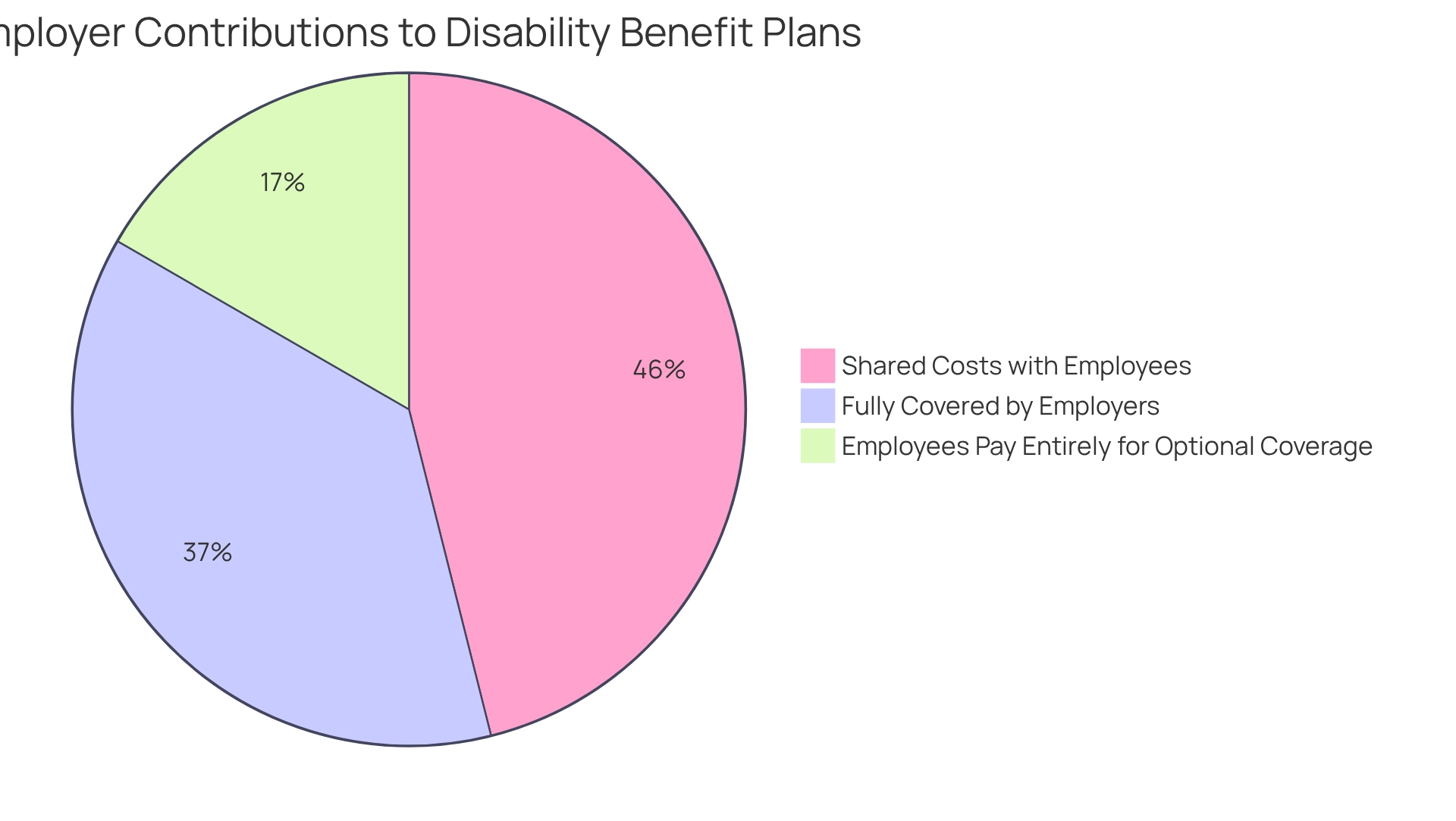
To determine your specific tax liability, you must categorize your disability coverage into one of three primary funding models: employer-paid, employee-paid (after-tax), or cost-shared.
Employer-Paid Premiums
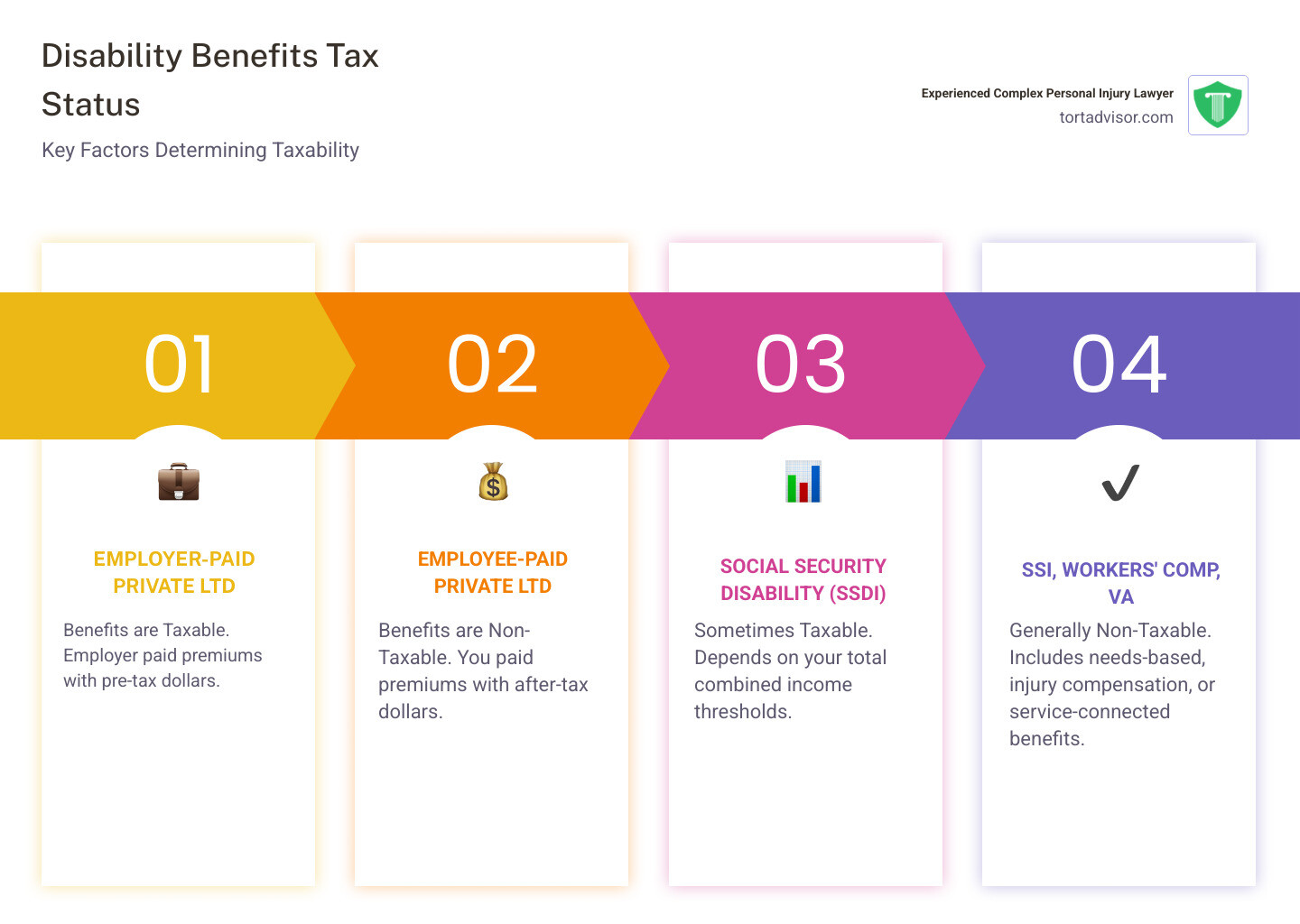
If your employer pays the entire premium for your long-term disability insurance as a non-taxable fringe benefit, the premiums are not included in your gross income. Consequently, when you begin receiving benefits, the full amount is considered taxable income. You will likely receive a W-2 form at the end of the year from your insurance carrier or employer reflecting these payments as reportable income.
Employee-Paid (After-Tax) Premiums
If you pay the entire cost of the long-term disability premium using your own money—specifically, income that has already been subject to income tax—the benefits you receive are generally not taxable. Because you did not receive a tax deduction for the premiums when you paid them, the IRS does not consider the subsequent benefit payments as income.
Cost-Shared Plans
In many corporate environments, the cost of disability insurance is split between the employer and the employee. If you contribute a portion of the premium using after-tax dollars, a proportional amount of your disability benefit will be tax-free. For example, if you pay 40% of the premium and your employer pays 60%, then 40% of each benefit payment should be excluded from your taxable income. This requires careful record-keeping of your premium contributions over the three-to-five-year period preceding the start of your disability.
The Role of "Pre-Tax" Premium Payments
A common point of confusion arises with "pre-tax" payroll deductions. Many employers offer benefits through a Section 125 Cafeteria Plan. If your disability premiums are deducted from your paycheck before taxes are calculated, the IRS treats these payments as if they were made by your employer. Consequently, even though the money came out of your paycheck, it was never counted as "after-tax" income, meaning the benefits you receive later will be fully taxable.
Reporting Disability Income to the IRS
When you receive long-term disability payments, you must understand how to report them on your annual tax return. If the benefits are taxable, the insurance company acting as the plan administrator is usually responsible for issuing a Form W-2. It is essential to review this form carefully against your own records. If you believe the insurance company has miscalculated your tax liability—for instance, by failing to account for your after-tax contributions—you should contact their claims department immediately to request a correction.
Key Documentation to Maintain
To defend your tax position in the event of an audit, you should maintain a digital or physical file containing:
- Your original enrollment documents for the disability policy.
- Pay stubs showing the specific line item for "Disability Insurance" or "LTD Premium."
- Documentation from your Human Resources department confirming whether premiums were paid on a pre-tax or after-tax basis.
- Records of any tax filings where you claimed (or did not claim) deductions for disability premiums.
Table: Determinants of Disability Benefit Taxability
| Funding Source | Premium Status | Taxability of Benefits |
|---|---|---|
| Employer pays 100% | Pre-tax (usually) | 100% Taxable |
| Employee pays 100% | After-tax | 0% Taxable |
| Cost-shared (Employer/Employee) | Split (Pre/After-tax) | Proportional to contribution |
| Social Security Disability (SSDI) | N/A (Federal) | Partially taxable based on income |
Important Considerations and Exceptions
While the guidelines above cover the vast majority of private disability policies, there are nuanced situations that can alter your tax burden.
Interaction with Social Security Disability (SSDI)
If you are receiving long-term disability benefits, your policy likely requires you to apply for Social Security Disability Insurance (SSDI). If your private insurance policy contains an "offset" provision, your private benefits will be reduced by the amount of the SSDI payment. Note that SSDI itself may be taxable if your combined income exceeds certain thresholds established by the IRS.
The Impact of Lump-Sum Payments
Sometimes, a disability carrier will settle a claim with a lump-sum payment rather than monthly installments. Even if the payment is distributed as a single check, it is still subject to the same tax rules as monthly benefits. If the benefits were pre-tax, the entire lump sum is taxable in the year it is received. This can push you into a higher tax bracket for that year. If you receive a large lump sum, consider consulting with a tax professional regarding tax-smoothing strategies or the potential for amended returns if the payment covers multiple past years.
Professional Tax Advice
The information provided here is for educational purposes and reflects general tax rules as of 2026. Tax laws regarding disability benefits are subject to individual circumstances and potential changes in state and federal tax codes. You should consult with a certified public accountant (CPA) or a tax attorney before filing your return, especially if you have a complex compensation package or if you believe you have been over-taxed on your disability benefits.
Frequently Asked Questions
Are all long-term disability benefits taxable? No. Benefits are only taxable if the premiums for the policy were paid with pre-tax dollars or by your employer. If you paid the premiums with your own after-tax income, the benefits are generally tax-free.
Why did I receive a W-2 for my disability benefits? If you receive a W-2 for disability payments, it means your insurance carrier or employer considers the benefits to be taxable income. This happens when the plan was funded by your employer or if you utilized pre-tax payroll deductions to pay the premiums.
Can I stop paying taxes on my disability benefits if I start paying the premiums now? Generally, no. The tax status of the benefit is determined by the funding structure of the policy during the years leading up to your disability claim. Changing how you pay premiums once you are already disabled typically does not change the tax status of current benefits.
What happens if I receive both private disability and SSDI? If you receive both, the private disability carrier will typically reduce your monthly payment by the amount you receive from Social Security. You will still need to report the taxable portion of your private disability income, and you may also need to report your SSDI income if your total household income exceeds IRS threshold limits.
How do I prove that I paid for my disability insurance with after-tax dollars? Your employer’s HR department or payroll records should clearly indicate whether your disability insurance deduction was labeled "Pre-tax" or "After-tax." Keeping copies of your W-2s and pay stubs from the years you were employed is the best way to verify this information.
Next Steps
If you are currently receiving or preparing to apply for long-term disability benefits, take the following actions:
- Request a Plan Summary: Contact your HR representative and ask for a copy of the group disability insurance contract. Specifically, look for the section detailing how premiums are paid.
- Verify Payroll Codes: Review your historical pay stubs. Look for tax codes that indicate if your insurance premiums were exempt from federal or state income tax.
- Prepare Your Records: If you believe your benefits are tax-free, organize your proof of after-tax payments now, before tax season arrives. If you believe your benefits are taxable, prepare to set aside a portion of your monthly check to cover the anticipated tax liability, as these benefits often do not have tax withheld automatically.