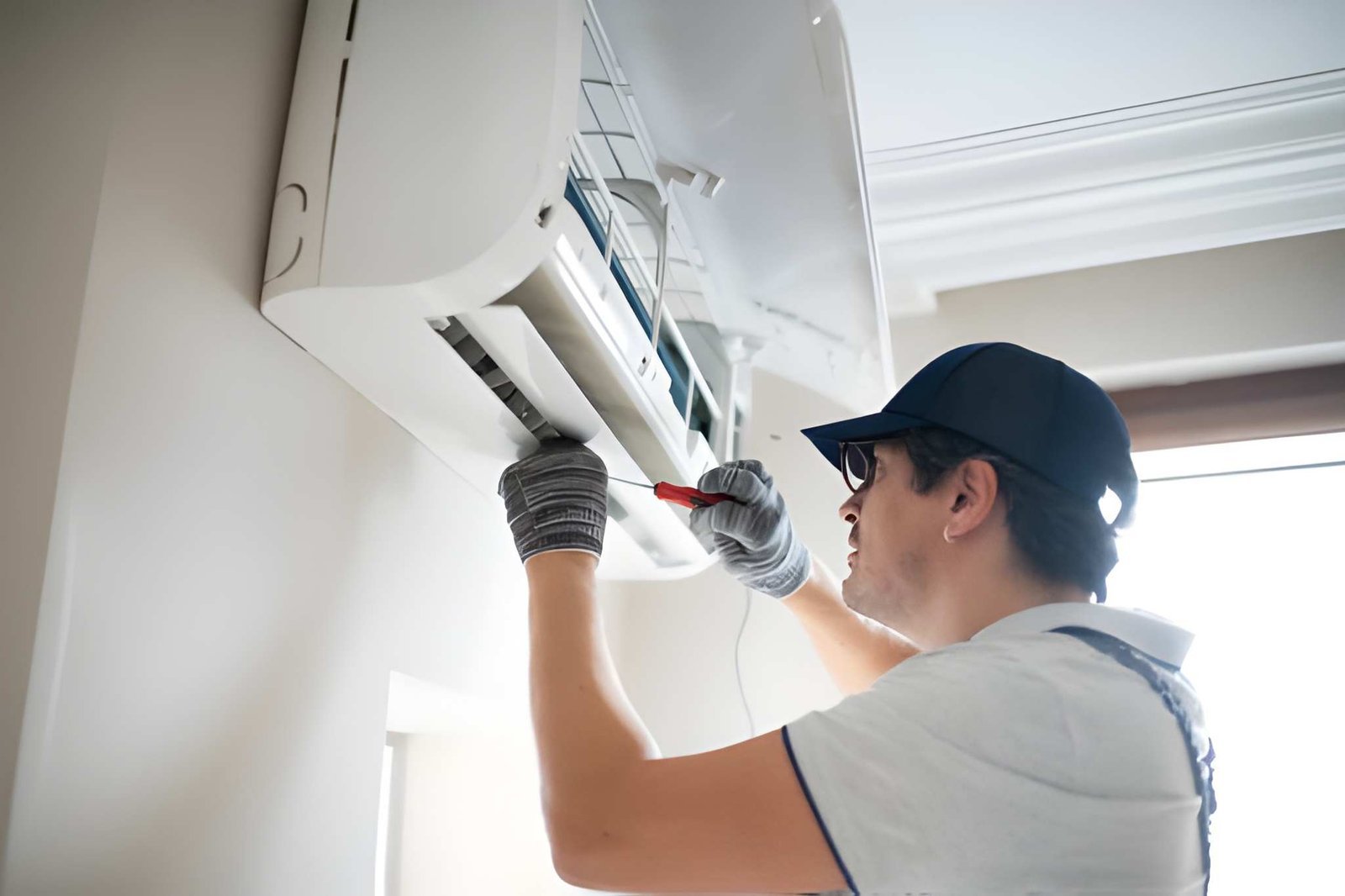
When you engage A C Services, you are procuring professional air conditioning solutions designed to ensure residential or commercial climate stability through systematic installation, preventative maintenance, and corrective repair. Whether you are addressing a sudden mechanical failure, planning a new HVAC infrastructure installation, or seeking to improve energy efficiency, these services bridge the gap between complex thermodynamics and occupant comfort.
Professional air conditioning services encompass the full lifecycle of climate control equipment. This includes the initial site assessment, where technicians determine the specific cooling load requirements based on building orientation and square footage; the mechanical installation of condensing units and air handlers; and the ongoing maintenance cycles required to adhere to manufacturer warranties. Understanding how these service providers operate is essential for homeowners and facility managers alike to ensure their systems remain functional, compliant with local safety codes, and cost-effective over their expected lifespan.
Understanding the Scope of Professional Air Conditioning Solutions
The term "air conditioning solutions" serves as a broad umbrella for a suite of technical interventions. It is rarely limited to simply "fixing a broken unit." Instead, it is a proactive discipline that prioritizes the longevity of hardware and the health of the indoor air environment.
Diagnostic and Troubleshooting Services
The primary entry point for many users is the diagnostic phase. Modern air conditioning systems—whether central, ductless mini-split, or heat pump—are intricate assemblies of electronic controls, high-pressure refrigerant lines, and mechanical fans. When a system fails to maintain a set temperature or exhibits irregular cycling, professional service providers utilize specialized diagnostic equipment, such as manifold gauge sets to measure refrigerant pressure, multimeter testing for electrical continuity, and thermal imaging to detect insulation breaches in ductwork.
Preventative Maintenance Protocols
Professional services are most valuable when utilized before a breakdown occurs. Maintenance plans are designed to forestall the most common failure points in HVAC systems. These include cleaning the condenser coils, which, if obstructed by debris, force the compressor to work harder, thereby spiking electricity consumption and shortening the compressor’s life. Technicians also calibrate thermostats to ensure accuracy, inspect contactors for oxidation, and verify that the condensate drain is clear to prevent internal water damage.
Key Service Categories for Residential and Commercial Properties
Air conditioning solutions are bifurcated by the scale of the application. The operational requirements for a high-occupancy commercial building differ significantly from those of a standard residential dwelling.
Residential HVAC Care
In a residential setting, service providers focus on high-efficiency, low-noise systems. Solutions often involve optimizing the Seasonal Energy Efficiency Ratio (SEER2) ratings, which represent the efficiency of the cooling process. Service providers may recommend replacing aging R-22 refrigerant systems with modern, environmentally compliant R-410A or R-454B systems, ensuring the hardware meets current energy standards.
Commercial Climate Infrastructure
Commercial solutions require an understanding of distributed cooling. In large structures, this often involves Variable Refrigerant Flow (VRF) systems or rooftop units (RTUs). These systems require a higher technical depth, involving sophisticated building automation systems (BAS). A professional service provider in this sector must be proficient in integrated control logic, ensuring that cooling demands in different zones are met without overloading the primary chillers or rooftop units.
Technical Requirements and Regulatory Compliance
Engaging professional AC services requires more than just hiring a technician; it requires verifying that the service provider meets the legal and technical standards for your jurisdiction.
Licensing and Certification
In many regions, technicians must hold specific certifications to handle refrigerants. Under current environmental regulations, the handling of Class I and Class II refrigerants is strictly governed. Professional firms must employ technicians certified by authorized environmental protection bodies. When a service provider visits your site, they are obligated to follow strict recovery procedures to prevent the release of refrigerants into the atmosphere.
Adherence to Safety Standards
Air conditioning involves high-voltage electricity and pressurized chemicals. A reputable service provider will:
- Perform a Lockout/Tagout (LOTO) procedure during electrical repairs to ensure worker safety.
- Conduct leak testing after refrigerant charging to prevent hazardous exposure.
- Ensure that all electrical wiring complies with the National Electrical Code (NEC) or relevant local equivalents.
Comparative Overview of AC Service Offerings
Choosing the right intervention requires distinguishing between routine maintenance and emergency repair. The following table illustrates common service scenarios and their typical implications for the user.
| Service Type | Primary Objective | Frequency | Technical Complexity |
|---|---|---|---|
| Preventative Maintenance | Prolonging hardware lifespan | Biannual | Low to Moderate |
| Diagnostic Inspection | Identifying root causes of failure | As needed | High |
| Component Replacement | Replacing failed sensors/motors | As needed | Moderate |
| System Retrofitting | Upgrading to higher efficiency | Project-based | Very High |
| Emergency Repair | Restoring cooling in extreme heat | Immediate | High |
Practical Steps for Engaging Air Conditioning Services
To ensure you receive effective air conditioning solutions, follow a structured process. This mitigates the risk of subpar workmanship and ensures transparency in pricing.
- Preparation and Documentation: Before calling a provider, gather the model and serial numbers of your equipment. Having a history of previous repairs or maintenance records allows the technician to work more efficiently.
- Clear Symptom Identification: Observe the system's behavior. Does it fail to reach the target temperature, or is it leaking fluid? Is there an audible grinding noise? Communicating specific symptoms rather than general statements like "it doesn't work" helps the service provider bring the correct diagnostic tools and parts.
- The Site Visit and Estimate: A professional provider should always offer a clear scope of work. In 2026, many reputable firms utilize digital platforms to provide itemized estimates, separating the cost of labor from the cost of OEM (Original Equipment Manufacturer) parts.
- Post-Service Verification: After any repair, request a brief walkthrough or summary report. The technician should explain what was fixed, the state of the remaining system, and any recommended follow-up actions to avoid recurring issues.
Common Troubleshooting and User-Manageable Tasks
While professional intervention is necessary for technical repairs, homeowners can perform basic checks to prevent "false alarms" that may result in unnecessary service fees.
- Air Filter Replacement: The most common cause of restricted airflow is a clogged air filter. Checking this monthly and replacing it according to the manufacturer’s schedule is the most effective way to protect the system.
- Breaker and Thermostat Checks: Occasionally, a tripped circuit breaker or a dead battery in the thermostat can mimic a total system failure. Before requesting professional support, ensure that all relevant electrical switches are in the "on" position.
- Condenser Obstructions: Ensure that the area around your outdoor condensing unit is free of leaves, tall grass, and debris. Maintaining at least two feet of clearance around the unit allows for proper heat exchange.
Frequently Asked Questions
1. How often should I schedule professional air conditioning maintenance? It is standard practice to schedule maintenance at least twice a year—once in the spring before the cooling season begins and once in the fall. This ensures that the system is optimized for peak performance when it is most needed and allows for the identification of issues before they become critical failures.
2. What is the difference between a repair and a replacement? A repair addresses a specific component failure, such as a capacitor or a motor. A replacement is recommended when the cost of frequent repairs exceeds a significant percentage of the cost of a new system, or when the system is no longer energy-efficient or parts are obsolete.
3. Why is my electricity bill spiking despite regular AC use? Spiking costs often indicate a loss of efficiency. This could be due to low refrigerant levels, dirty condenser coils, or aged components struggling to perform. A professional diagnostic can identify if your system is overworking to maintain the same set point.
4. Can I use universal parts for my AC system? While some universal parts exist, it is generally safer and more effective to use OEM parts. OEM components are engineered specifically for your unit’s mechanical and electrical specifications, ensuring long-term compatibility and adherence to the manufacturer’s design intent.
5. What should I do if my system starts leaking water? Turn the system off immediately to prevent electrical shorts or water damage to the surrounding structure. A leaking AC is often a sign of a clogged condensate drain line or a frozen evaporator coil. Call a professional service provider to clear the obstruction or address the underlying cause of the freezing.
Final Recommendations for Optimal System Performance
The reliability of your cooling system depends largely on the consistency of the service it receives. To maximize the value provided by your air conditioning solutions, prioritize a long-term relationship with a qualified HVAC contractor. Establish a consistent maintenance calendar, keep detailed records of all service visits, and never ignore early signs of mechanical degradation, such as unusual noises or rising energy bills. By treating your cooling infrastructure as a professional asset rather than a "set and forget" appliance, you ensure occupant comfort and fiscal responsibility. If your current system is more than 15 years old, consult with your service provider about an energy audit to determine if the long-term savings of a modern, high-efficiency system would outweigh the ongoing costs of maintaining legacy hardware.