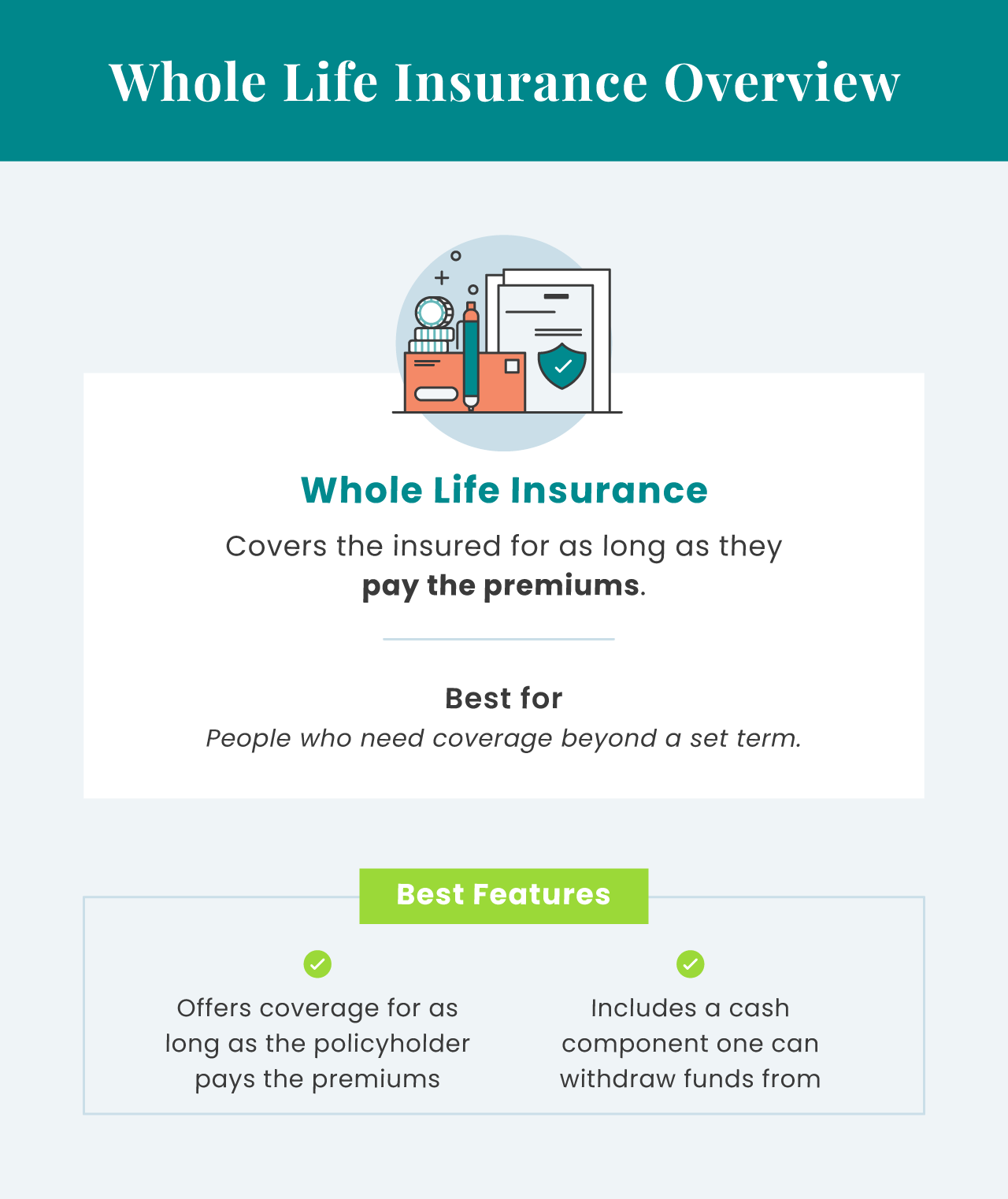
A bachelor can absolutely buy whole life insurance, and doing so often serves as a foundational step for long-term financial security. While life insurance is frequently associated with supporting a spouse or children, single individuals utilize whole life policies to lock in lower premium rates, build tax-deferred cash value, and guarantee future insurability regardless of health changes.
Purchasing life insurance as a single person is a strategic move that shifts the focus from "death benefits" to "living benefits." In 2026, with evolving financial markets and a greater emphasis on diverse asset portfolios, whole life insurance remains a unique vehicle that combines permanent protection with a conservative savings component. For a bachelor, the decision to purchase this coverage is less about an immediate need to provide for dependents and more about creating a flexible financial asset that evolves with their life stages.
Debunking the Myth: Why Life Insurance Isn't Just for Families
A common misconception in personal finance is that life insurance is a "family-only" product. The logic usually follows that if no one depends on your income, there is no reason to insure it. However, this narrow view ignores the structural advantages of permanent life insurance.
Protecting Your Future Insurability
One of the most compelling reasons for a bachelor to buy whole life insurance is the concept of insurability. Insurance premiums are primarily based on two factors: age and health. As a young, healthy bachelor, you represent the lowest risk to an insurance carrier. By securing a whole life policy now, you "lock in" your health status. If you were to develop a chronic condition later in life—such as diabetes or hypertension—you would already have permanent coverage in place that cannot be canceled by the insurer, provided premiums are paid.
Covering Personal Debt and Final Expenses
Even without a spouse or children, a bachelor may have financial obligations that would fall to others in the event of their passing. Co-signed student loans, private debts, or mortgages on investment properties are significant liabilities. Furthermore, final expenses, including funeral costs and estate settlement fees, can easily exceed $15,000 to $20,000. Whole life insurance ensures that these burdens do not fall upon parents or siblings.
The Unique Advantages of Whole Life Insurance for Bachelors
Whole life insurance differs from term insurance because it does not expire. As long as you pay the premiums, the policy remains in force for your entire life. For a single individual, this permanence offers several specific strategic advantages.
1. The Cash Value Component as a "Private Bank"
Every whole life policy includes a cash value account that grows over time. A portion of your premium is directed into this account, where it earns interest (and potentially dividends). For a bachelor, this cash value functions as a liquid asset.
- Tax-Deferred Growth: The interest earned on the cash value is not taxed as it grows.
- Policy Loans: You can borrow against the cash value of your policy to fund a business venture, purchase a home, or cover an emergency. These loans often have lower interest rates than traditional bank loans and do not require a credit check.
- Collateral: The policy itself can often be used as collateral for other financial transactions.
2. Level Premiums for Life
Inflation is a constant concern in any long-term financial plan. Whole life insurance features "level premiums," meaning the amount you pay in 2026 will be the exact same amount you pay 30 or 40 years from now. By starting early, a bachelor secures a low monthly or annual cost that effectively becomes cheaper over time as their income grows and the real value of the dollar shifts.
3. Supplementing Retirement Income
In 2026, many financial advisors view whole life insurance as a "non-correlated asset." It does not fluctuate with the stock market. For a bachelor looking to diversify their retirement strategy beyond a 401(k) or IRA, the cash value in a whole life policy provides a stable, predictable pool of funds that can be accessed via tax-advantaged withdrawals or loans during retirement.
Whole Life vs. Alternative Insurance Options for Singles
When deciding on coverage, it is essential to compare how whole life stacks up against other common insurance types available in the 2026 market.
| Feature | Whole Life Insurance | Term Life Insurance | Universal Life Insurance |
|---|---|---|---|
| Duration | Lifelong (Permanent) | Set term (10-30 years) | Lifelong (Flexible) |
| Premium Cost | Highest (Fixed) | Lowest (Fixed for term) | Moderate (Adjustable) |
| Cash Value | Guaranteed Growth | None | Variable (Market-linked) |
| Dividends | Yes (in Participating policies) | No | No |
| Best For | Wealth building & legacy | Temporary debt protection | Flexible premium needs |
Technical Mechanics: How the Policy Functions
Understanding the "how" is just as important as the "why." For a bachelor, a whole life policy typically consists of three main elements: the death benefit, the premium, and the cash value.
Participating vs. Non-Participating Policies
Bachelors should pay close attention to whether a policy is "participating." A participating policy, usually offered by mutual insurance companies, allows the policyholder to receive a share of the company’s profits in the form of dividends. These dividends are not guaranteed, but they can be used to:
- Increase the death benefit.
- Reduce the out-of-pocket premium costs.
- Accumulate in the cash value at interest.
Underwriting in 2026
Modern underwriting has become significantly more streamlined. Many carriers now offer "accelerated underwriting," which uses data from your medical records, prescription history, and even motor vehicle reports to approve a policy without a physical medical exam. For a healthy bachelor, this can mean getting a permanent policy approved in a matter of days rather than weeks.
Strategic Policy Riders for the Single Individual
Riders are optional add-ons that customize a policy to fit specific needs. For a bachelor, certain riders provide critical safety nets.
- Waiver of Premium Rider: If you become totally disabled and cannot work, the insurance company pays your premiums for you, keeping the policy in force and the cash value growing.
- Guaranteed Insurability Rider: This allows you to purchase additional coverage at specific intervals (e.g., every three years or upon marriage/birth of a child) without undergoing a new medical exam. This is vital for a bachelor who expects their responsibilities to increase later.
- Accelerated Death Benefit Rider: Provides access to a portion of the death benefit if you are diagnosed with a terminal or chronic illness. This can help cover medical costs or long-term care, protecting your other assets.
Step-by-Step Guide to Purchasing Whole Life Insurance
If you are a bachelor ready to secure a policy in 2026, follow these steps to ensure you get the best value.
Step 1: Define Your "Why"
Are you looking for a way to save money for a future home? Are you trying to protect your parents from your student loan debt? Determining the primary purpose of the policy helps dictate the "face amount" (the total death benefit) you should apply for.
Step 2: Evaluate Your Budget
Whole life insurance is a long-term commitment. Unlike term insurance, which you might drop if finances get tight, a whole life policy is most effective when held for decades. Ensure the premium is comfortably within your monthly budget.
Step 3: Compare Carriers
Not all insurance companies are created equal. Look for companies with high financial strength ratings from agencies like A.M. Best or Fitch Ratings. These ratings indicate the company's ability to pay out long-term claims and maintain dividend scales.
Step 4: Work with an Independent Agent
Captive agents work for one company; independent agents can shop multiple carriers. An independent agent can help you find a policy that maximizes cash value growth or offers the best riders for your specific health profile.
Step 5: Complete the Application and Underwriting
Be honest on your application. Fraud or omission can lead to a denial of claims later. If a medical exam is required, the insurer will typically send a technician to your home at no cost to you.
Common Pitfalls to Avoid
Even though a bachelor can buy whole life insurance easily, there are mistakes that can diminish the policy's value.
- Buying Too Little Coverage: Many people underestimate their future needs. It is often more expensive to buy a second policy later than to buy a slightly larger one now.
- Ignoring the "Surrender Period": Most whole life policies have a surrender period (often 10 years) during which taking out all the cash and canceling the policy results in heavy fees. Think of this as a 10-year+ commitment.
- Focusing Only on the Death Benefit: For a bachelor, the growth rate of the cash value and the history of dividend payments are often more important than the death benefit itself.
Frequently Asked Questions
Can I change my beneficiary if I get married later?
Yes. As the policyholder, you have the right to change your beneficiary at any time. You can start with your parents or a sibling as the beneficiary and update the policy to include a spouse or children in the future. This is a simple administrative process that does not require a new policy.
Is the cash value of my policy protected from creditors?
In many jurisdictions, the cash value of a life insurance policy is protected from creditors and legal judgments. However, these laws vary significantly by state and country. It is recommended to consult with a legal professional regarding the specific protections offered in your area.
What happens if I stop paying the premiums?
If you can no longer afford the premiums, whole life policies offer "non-forfeiture options." You may be able to use the existing cash value to purchase a "reduced paid-up" policy, which has a lower death benefit but requires no further premiums. Alternatively, you can surrender the policy for its current cash value, minus any fees.
Is whole life insurance better than investing in the stock market?
It is not necessarily "better," but it serves a different purpose. The stock market offers higher potential returns but comes with higher risk. Whole life insurance offers lower, guaranteed growth and permanent protection. Most financial experts recommend using whole life as a "bond-like" component of a diversified portfolio rather than a replacement for equity investments.
Are premiums tax-deductible for a single person?
Generally, life insurance premiums are not tax-deductible for individuals. However, the death benefit paid to your beneficiaries is typically income-tax-free, and the growth of the cash value within the policy is tax-deferred.
Final Recommendation
For a bachelor in 2026, buying whole life insurance is a proactive move toward financial maturity. It provides a rare combination of permanent protection and a growing, liquid asset. If you are healthy and have a stable income, now is the optimal time to lock in the lowest possible rates. Start by requesting quotes from at least three high-rated mutual insurance companies to compare their dividend histories and cash value projections. By integrating this policy into your broader financial plan today, you create a flexible foundation that will support you through career changes, marriage, and eventually, retirement.