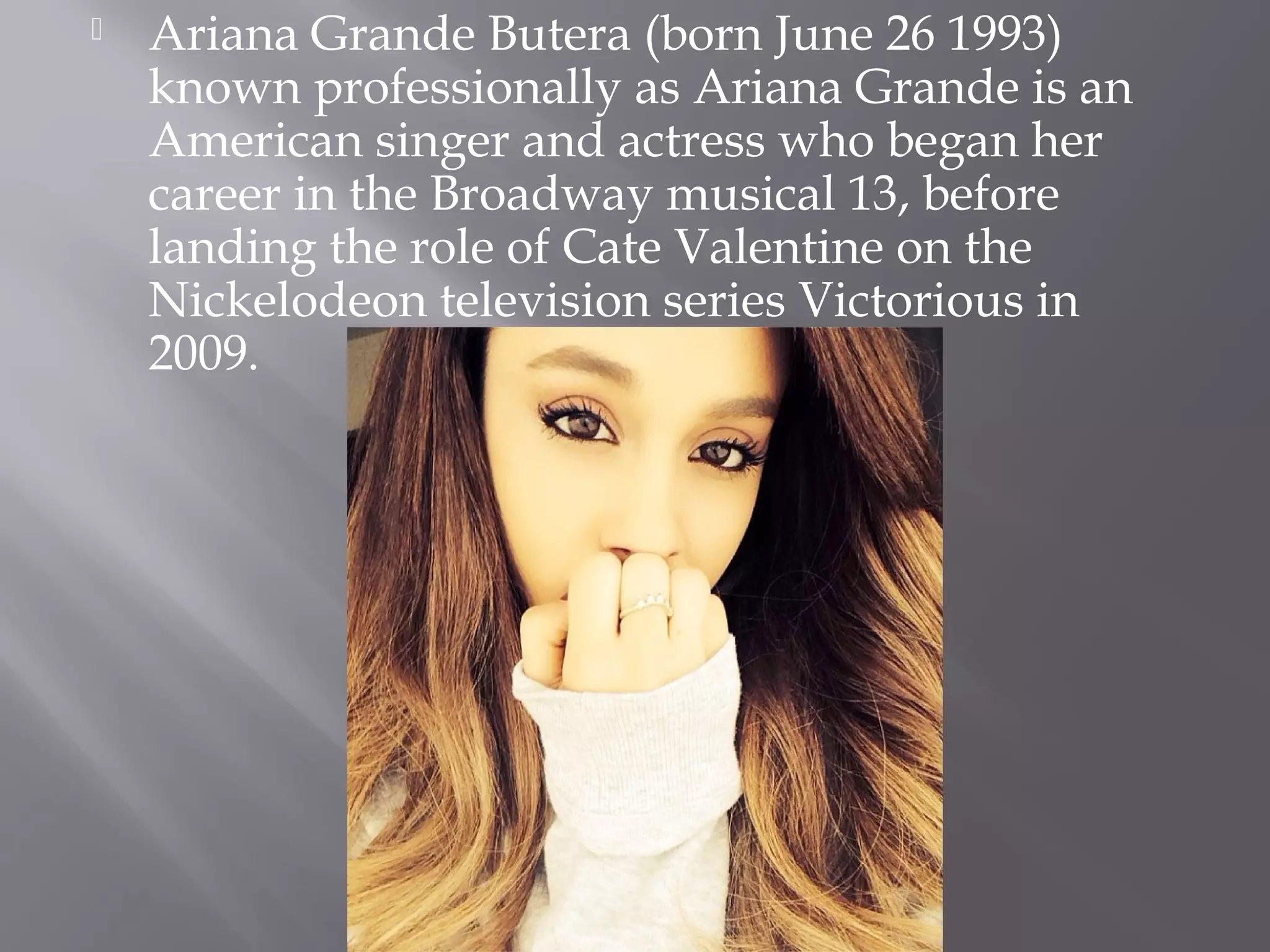
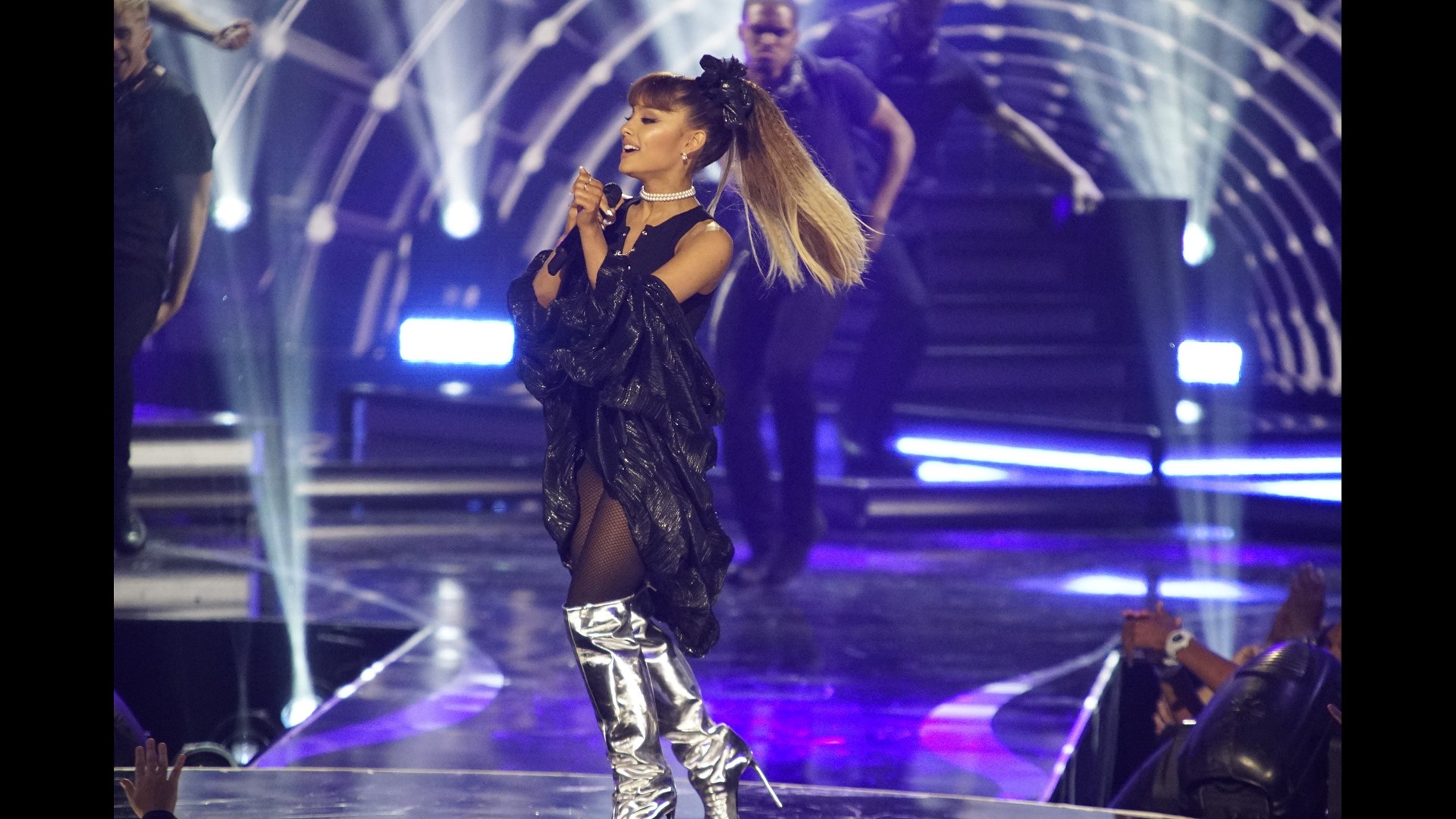
The phrase "Ariana Grande moon landing" refers to pop superstar Ariana Grande's creative and collaborative intersections with lunar history. This encompasses the feminist reimagining of Neil Armstrong's Apollo 11 quote in her track "NASA," the descending lunar sphere stage prop from her Sweetener World Tour, and NASA’s official Apollo 11 50th-anniversary educational tribute based on her music.
The Origin: Deconstructing the "Moon Landing" Intro in "NASA"
When Ariana Grande released her fifth studio album, Thank U, Next, in February 2019, track three—titled simply "NASA"—immediately captured the attention of both music critics and space enthusiasts. Before the trap-infused rhythm and synth lines drop, the track opens with a spoken-word transmission that directly references humanity's first lunar landing:
"One small step for a woman, one giant leap for woman-kind."
This line plays directly on Commander Neil Armstrong’s historic transmission to Mission Control in Houston upon stepping onto the lunar surface on July 20, 1969: "That's one small step for [a] man, one giant leap for mankind."
Despite its vintage radio static and mechanical distortion, the voice on the track does not belong to a NASA astronaut or archival transmission. It was recorded specifically for the song by American drag queen and television personality Shangela (D.J. Pierce). Grande brought Shangela into the project to give the iconic Apollo phrase a theatrical, empowering twist.
Thematic songwriting across the album centered on healing, autonomy, and emotional boundaries following personal turmoil. By reframing the Apollo 11 moon landing quote around feminine independence, the song uses celestial mechanics as an extended metaphor: the singer is the universe, her partner is NASA, and what she requires most to maintain gravity is personal orbit and space.
The track transformed an archival moment of mid-century exploration into a modern anthem of emotional self-reliance. It established an enduring link between Grande's artistic brand and lunar exploration.
NASA Interns and the Apollo 11 50th Anniversary Video
The cultural impact of Grande's lunar references reached its peak during the summer of 2019, which marked the 50th anniversary of the Apollo 11 moon landing. Rather than viewing the pop song as trivializing their work, the National Aeronautics and Space Administration embraced the song as a vehicle for public science communication.
In July 2019, interns at NASA’s Johnson Space Center in Houston, Texas, created an educational parody of Grande’s "NASA" to celebrate the golden anniversary of Apollo 11 and promote the agency's upcoming Artemis program, which aims to return humans to the lunar surface.
Lyric Adaptations and Scientific Content
The parody video, produced, written, and performed entirely by NASA student interns, substituted Grande’s relationship metaphors with verified scientific principles, historical achievements, and future mission architecture:
- Apollo Retrospective: Lyrics tracked the development of the Saturn V rocket, the Command/Service Module Columbia, and the Lunar Module Eagle, honoring the engineering accomplishments of 1969.
- Artemis and Lunar Science: The revised chorus ("I’mma need space, I’mma, I’mma need space") was rewritten to emphasize deep space research, the lunar Gateway space station, and the mission goal of landing the first woman and the next man on the Moon.
- STEM Advocacy: The production highlighted diverse fields across spaceflight engineering, orbital mechanics, software development, and extravehicular activity (EVA) suit testing.
The video quickly went viral, amassing millions of views across digital platforms. Grande publicly praised the tribute across social channels, celebrating the interns' ingenuity and amplifying the educational message to her massive global following. The crossover represented a rare and effective collaboration between mainstream entertainment and government-sponsored aerospace education.
Tour Staging: The Physical "Moon Landing" on the Sweetener World Tour
Beyond recorded tracks and viral videos, Grande brought the lunar aesthetic into physical arena environments throughout the Sweetener World Tour (2019). The production design, spearheaded by creative director Leroy Bennett and engineered by staging specialists Tait Towers, turned the arena ceiling into an active celestial canvas.
- Arena Roof Rigging
- Dual Automated Cable Winch System
- Inflatable Helium-Reinforced Sphere (360° Projections)
- Descends during "NASA" & "God is a Woman"
- Hemispherical Stage (Physical Stage-Floor Docking)
The Inflatable Sphere Engineering
The centerpiece of the arena production was an enormous, custom-fabricated inflatable sphere suspended from automated winches attached to the arena ceiling grid. During performances of space-adjacent setlist selections—most notably "NASA" and "God is a Woman"—the prop descended dramatically toward the floor, simulating an orbital body landing directly on stage:
- Dual-Purpose Geometry: When hoisted fully into the arena rafters, the sphere functioned as a floating projection surface visible to patrons in upper tiers. During key tracks, motorized winches synchronized with timecode lowered the orb within feet of the performers.
- High-Definition Projection Mapping: The sphere was mapped using high-lumen, high-definition laser projectors positioned around the perimeter of the venue. The projections dynamically shifted the prop’s appearance from a hyper-realistic replica of the Moon's cratered surface (including the Sea of Tranquility) to solar flares, eclipse silhouettes, and stylized planetary atmospheres.
- Acoustic and Structural Balance: Using an inflatable, pressurized shell rather than a rigid composite sphere minimized weight suspended above the audience. This preserved arena ceiling weight capacities for complex lighting rigs while preventing unwanted acoustic resonance from low-frequency sound systems.
The visual climax of the concert featured Grande interacting directly with this lowered moon. This sequence led millions of attendees and concert-film viewers to describe the set piece as Grande's own live-action "moon landing."
Visiting Houston: Behind the Scenes at Johnson Space Center
Prior to her May 18, 2019, arena concert at the Toyota Center in Houston, Texas, Grande and her creative entourage took an official private tour of NASA’s Johnson Space Center (JSC).
The visit went well beyond conventional celebrity publicity tours. NASA personnel provided Grande with an extensive walkthrough of active spaceflight operations and training facilities:
- Astronaut Equipment: Grande wore an authentic, personalized NASA flight suit and examined current Extravehicular Mobility Units (EMUs) alongside prototype suits under development for future lunar exploration.
- Historic Mission Control: She toured the Christopher C. Kraft Jr. Mission Control Center, specifically visiting the newly restored Apollo Mission Operations Room (MOCR 2), which had been renovated to its exact July 1969 operational appearance ahead of the Apollo 11 50th-anniversary ceremonies.
- International Space Station Training Facilities: In the Space Vehicle Mockup Facility (Building 9), Grande explored full-scale mockups of the International Space Station modules and the Orion spacecraft capsule, testing interactive mission control simulators alongside active aerospace engineers.
The visit sparked renewed interest among Grande's core audience in NASA operations and space exploration careers. Both the agency's official social media accounts and Grande's channels shared footage of the tour, demonstrating mutual respect between modern arts culture and federal scientific research.
Fact-Checking Pop Rumors: Did Ariana Grande Question the Moon Landing?
In the era of viral short-form media, celebrity statements often get scrambled, leading to online rumors. Over the years, search queries linking pop musicians to "moon landing conspiracy theories" have surged, occasionally sweeping Grande into the mix.
To separate documented fact from internet rumor:
- No History of Denial: Ariana Grande has never questioned the authenticity of the Apollo 11 moon landing. Unlike figures who sparked public controversy by flirting with lunar skepticism, Grande has consistently supported the historical reality of the space program.
- Confusion with Other Celebrities: Search engine confusion often stems from incidents where other high-profile personalities made headlines for questioning the moon landings. Most notably, NBA star Stephen Curry expressed skepticism during a December 2018 podcast before quickly retracting the remark, visiting Johnson Space Center, and supporting lunar science. Grande's space-adjacent catalog and 2019 Houston visit occurred only months later, causing algorithmic blending of the two events in web searches.
- Pro-Science Advocacy: Grande’s professional history shows sustained support for scientific accuracy, STEM education, and Apollo historical documentation. Her work uses the reality of the Apollo program as an anchor for both personal expression and stage design.
Comparative Analysis: Space and Lunar Motifs in Grande’s Catalog
Space exploration and celestial bodies have served as recurring visual and conceptual motifs throughout Grande's career, evolving from retro-futuristic science fiction to authentic astronomical themes.
| Project / Track | Release | Core Lunar or Space Motif | Real-World Space Connection | Cultural & Technical Impact |
|---|---|---|---|---|
| "Break Free" (Single) | 2014 | Campy 1960s space-opera visual theme inspired by Barbarella. | Retro-futuristic portrayal of space travel and alien encounters. | Established early career aesthetic embracing science fiction tropes and galactic settings. |
| "Moonlight" (Track / Fragrance) | 2016 | Romantic celestial metaphor using the Moon to represent emotional peace. | Focuses on lunar cycles and night-sky illumination. | Transitioned her creative focus toward lunar imagery, later inspiring an eponymous luxury fragrance line. |
| "NASA" (Track) | 2019 | Self-care and personal boundaries framed around orbital space and missions. | Parodies Neil Armstrong’s Apollo 11 landing line via Shangela's intro. | Reached global streaming charts; directly triggered NASA agency engagement and public cross-promotion. |
| Sweetener World Tour (Live) | 2019 | Massive automated inflatable moon prop lowering to the stage floor. | High-resolution projection mapping of actual lunar surface photography. | Groundbreaking arena engineering achievement utilizing lightweight materials for kinetic stage architecture. |
| Apollo 11 Tribute (Parody Video) | 2019 | Parody of "NASA" written and performed by Johnson Space Center interns. | Celebrated the 50th anniversary of the Apollo 11 landing and promoted the Artemis program. | Amplified STEM education to a global pop audience with direct validation from Grande. |
| Fortnite Rift Tour (Virtual) | 2021 | Avatars jumping across planetary rings, cosmic starfields, and celestial ruins. | Stylized orbital landscapes and gravity-defying space physics. | Highlighted how digital spaces blend musical performances with virtual planetary exploration. |
Pop Stardom as an Instrument for Science Communication
The relationship between Grande’s catalog and the American space program highlights a major shift in public science communication. Throughout the 20th century, space agencies relied primarily on traditional broadcast networks, press conferences, and print publications to explain their budgets and goals. In the contemporary media landscape, connecting with broader audiences requires creative engagement with digital culture.
Reaching Demographic Groups Outside Traditional STEM Pipelines
Data from science communication research highlights that popular music and celebrity engagement can introduce complex scientific endeavors to audiences that might not otherwise follow space exploration.
By naming a track after an aerospace agency and referencing historic milestones like the Apollo 11 mission, Grande introduced the language of astrophysics—orbits, gravity, and deep-space missions—into youth-dominated spaces. When NASA interns adapted the song, they turned an artistic metaphor back into an educational resource.
This dynamic is particularly relevant as the Artemis program works toward landing the first woman and the first person of color on the Moon. Grande’s work subverted the traditionally male-dominated history of mid-century spaceflight by opening her song with the line "One small step for a woman, one giant leap for woman-kind." This resonated with ongoing efforts to diversify the global aerospace workforce.
Frequently Asked Questions
Did Ariana Grande sample Neil Armstrong's actual voice in "NASA"?
No. While the intro features vintage radio static and mechanical distortion reminiscent of Apollo 11’s unified S-band communications, the voice belongs to drag queen and reality TV star Shangela (D.J. Pierce). Grande asked Shangela to record the customized, feminist line: "One small step for a woman, one giant leap for woman-kind."
Did NASA officially collaborate with Ariana Grande?
While NASA did not co-write or fund Grande’s music, the agency officially engaged with her on several occasions. NASA’s Johnson Space Center hosted Grande for an in-depth private tour of their Houston facilities in May 2019. In July of that year, NASA interns released an official educational parody of her song "NASA" to celebrate the Apollo 11 50th anniversary, which Grande actively promoted on social media.
What happened to the giant moon prop from the Sweetener World Tour?
The massive inflatable moon was a custom touring installation developed by Tait Towers and creative designer Leroy Bennett. Following the 101-date tour, the specialized projection-mapped sphere and its synchronized automated winches were dismantled, packed into specialized tour containers, and archived by production and staging facilities.
Did Ariana Grande ever claim that the moon landing was staged?
No. Grande has never claimed or suggested that the 1969 Apollo 11 moon landing was staged or faked. Rumors connecting her to lunar conspiracy theories are unfounded and usually stem from search engines confusing her space-themed projects with controversial comments made by other celebrities, such as Stephen Curry or B.o.B.
What is the connection between Ariana Grande and the Artemis program?
Grande's music indirectly supported public awareness of the Artemis program. When NASA Johnson Space Center interns produced their viral 2019 parody of the song "NASA," they adapted the lyrics to explain how the Artemis program will return astronauts to the lunar surface. Grande shared and praised the video, introducing the Artemis mission to hundreds of millions of followers.
Recommended Next Steps
Listeners and researchers interested in exploring the intersection of modern pop culture and lunar exploration can take several steps:
- Watch the Official Educational Parodies: Review the NASA Johnson Space Center intern educational video on NASA's verified YouTube channel to see how the agency used the track "NASA" to explain orbital trajectories, life-support suits, and lunar geology.
- Examine Concert Stage Engineering: Review professional lighting and staging archives, such as technical overviews from Tait Towers and production coverage in Live Design, to study the mechanical winch safety protocols and projection mapping techniques used for the Sweetener World Tour's descending moon.
- Explore Apollo 11 and Artemis Archives: Learn about the authentic space history that inspired these creative works by visiting NASA's Apollo History Portal and tracking upcoming lunar launches through the Artemis Program updates.