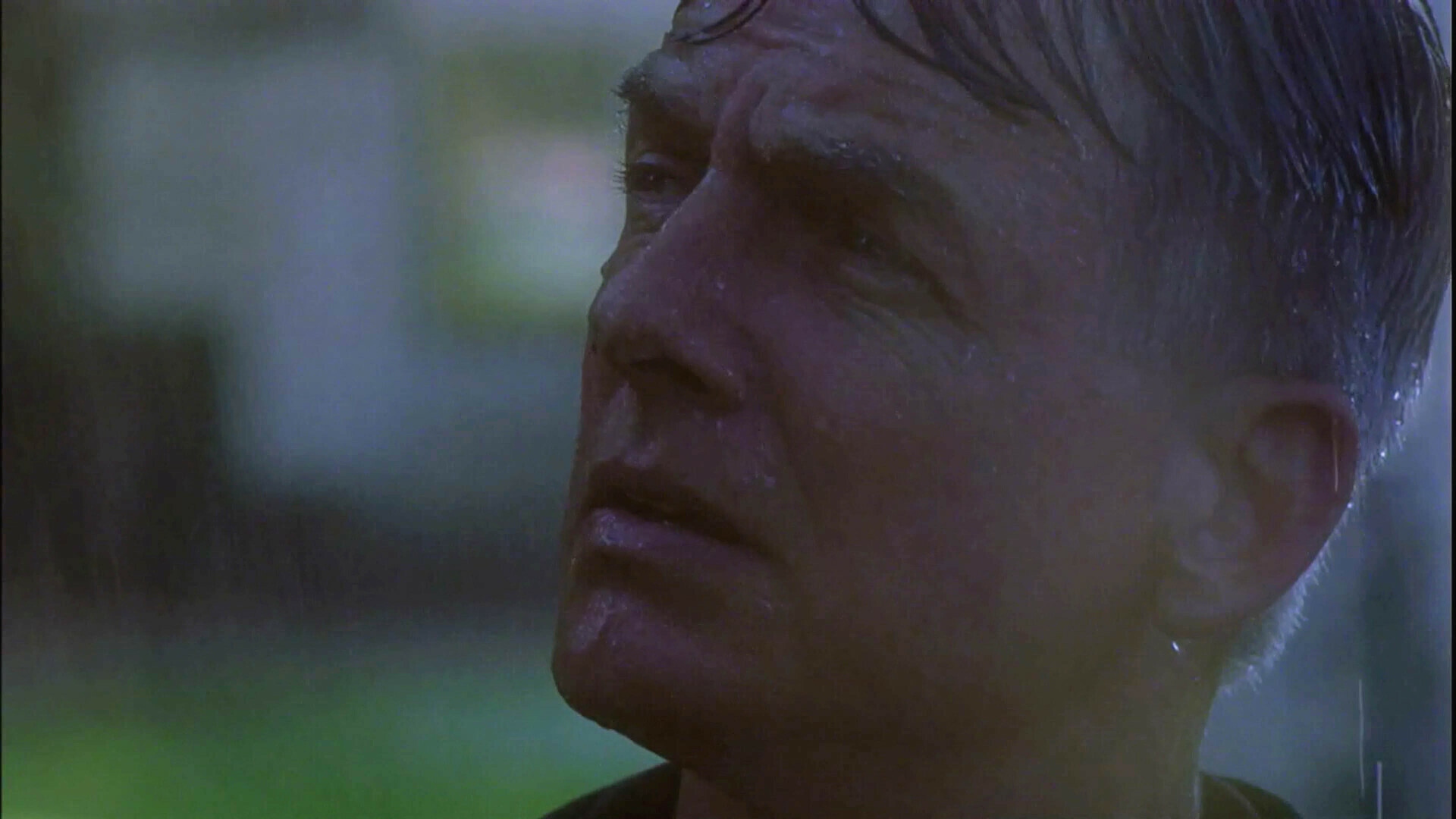
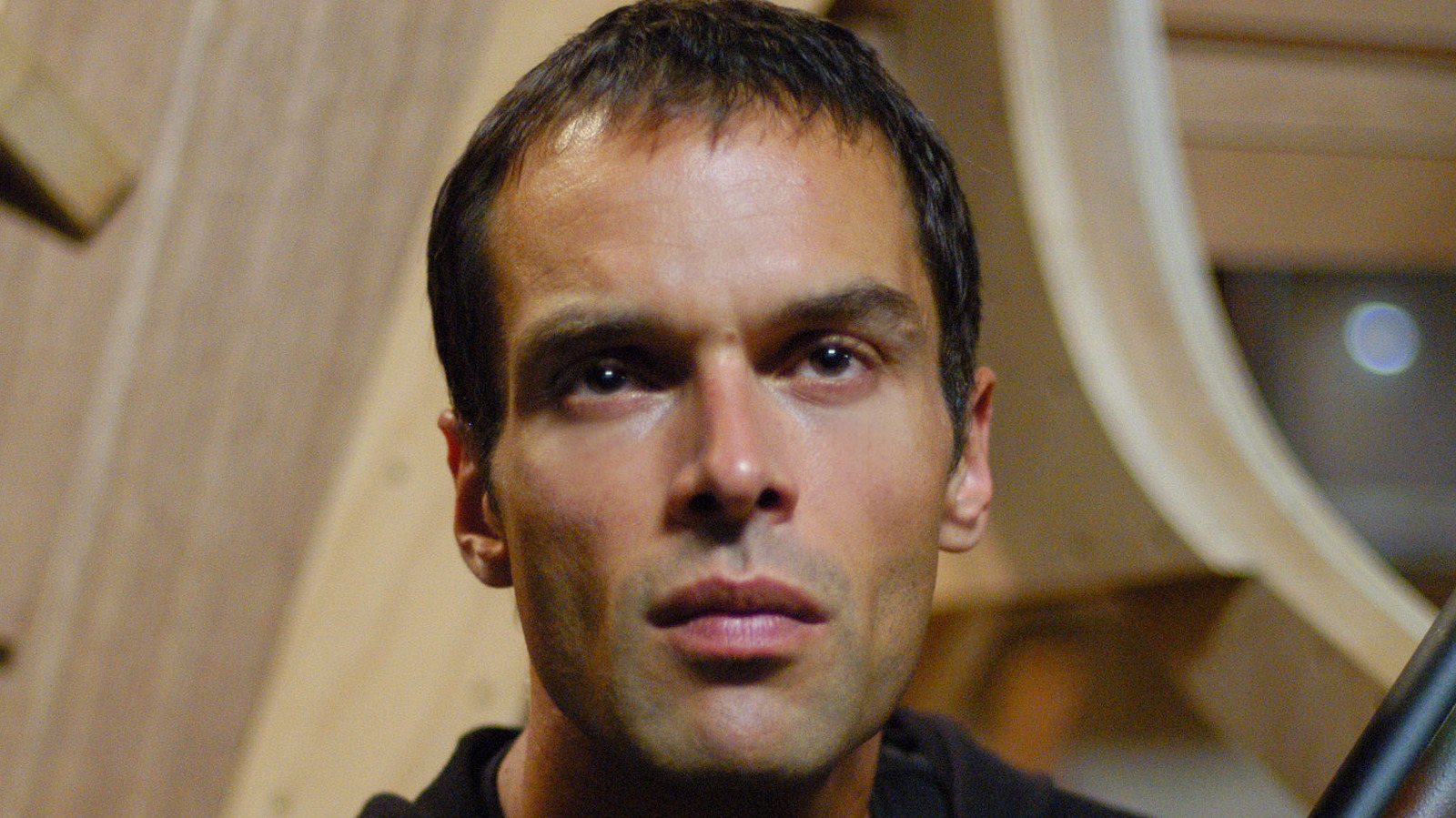
Ari Haswari remains one of the most complex, menacing, and influential antagonists in the entire history of the television series NCIS. Portrayed by actor Rudolph Martin, Ari served as the primary foil for Special Agent Leroy Jethro Gibbs and the rest of the NCIS team during the show’s formative first two seasons. His actions permanently altered the trajectory of the series, triggering the departure of Special Agent Caitlin Todd, shaping the psychological evolution of Ziva David, and testing Leroy Jethro Gibbs to his absolute limits. Understanding Ari Haswari’s narrative arc requires examining his background, his motivations, his multi-episode conspiracies, and his ultimate reckoning with the agency.
Introduction to Ari Haswari and His Role in NCIS
Ari Haswari was introduced as a radicalized former Mossad operative turned independent terrorist agent whose personal vendetta against Leroy Jethro Gibbs and NCIS drove multiple multi-episode story arcs. As the son of Mossad Director Eli David and the half-brother of Ziva David, Ari occupied a unique intersection of personal betrayal and geopolitical intrigue. His storyline injected high-stakes serialized drama into a procedural series that initially relied heavily on standalone case-of-the-week formats. By intertwining international espionage with deeply personal tragedy, Ari established a template for serialized villainy that future NCIS showrunners would utilize for subsequent major antagonists like René Benoit and Harper Dearing.
Background, Family Ties, and Early History
To fully grasp Ari Haswari’s impact on NCIS, viewers must look at his familial and professional background. Born to Eli David and an Israeli mother, Ari grew up within the elite circles of intelligence. However, his ideological leanings shifted during his medical training and subsequent operations.
Mossad Training and Radicalization
Before becoming a prominent adversary of NCIS, Ari trained as a medical doctor and served within elite intelligence structures. His medical background proved instrumental in his execution of complex, highly calculated attacks, giving him precise knowledge of human anatomy, toxicology, and psychological manipulation. Over time, ideological disillusionment and personal grievances led him to sever ties with traditional state intelligence frameworks, aligning himself with radical cells and operating as a freelance operative with vast resources and deep intelligence access.
The Dynamic with Eli David and Ziva David
Ari’s familial relationships formed the emotional bedrock of his narrative arc. Because he was the son of Eli David, his actions carried profound political implications for the state of Israel and Mossad. His half-sister, Ziva David, grew up idolizing him, creating an internal conflict when she was eventually tasked with neutralizing him. Eli David's complex relationship with his children—characterized by cold pragmatism and a willingness to sacrifice personal bonds for geopolitical stability—cast a long shadow over Ari's descent into extremism and Ziva's subsequent redemption within NCIS.
Major Story Arcs and Key Episodes
Ari Haswari’s presence on NCIS spanned multiple pivotal episodes, each escalating the threat he posed to the agency. His appearances forced Gibbs and his team to operate outside their comfort zones, shifting from domestic crime-solving to counter-terrorism and national security defense.
Introduction in "Bête Noire" (Season 1, Episode 16)
Ari made his unforgettable debut in the Season 1 episode "Bête Noire," written by Donald P. Bellisario and Gil Grant. Disguised as a delivery person, Ari infiltrated the NCIS headquarters and took Ducky Mallard, Gerald Jackson, and Kate Todd hostage in the autopsies lab.
- The Siege: Ari used his medical expertise and psychological gamesmanship to control the environment without relying solely on gunfire.
- The Conflict with Gibbs: The episode established a tense intellectual duel between Gibbs and Ari, culminating in Gibbs shooting Ari through the shoulder. Despite being wounded, Ari managed to escape, establishing himself as a formidable enemy who could breach the inner sanctum of NCIS with impunity.
The Pursuit and Escalation in Season 2
Throughout the second season, Ari operated in the shadows, orchestrating various plots that kept NCIS on high alert. He utilized sniper tactics, biological elements, and psychological warfare to torment Gibbs. The narrative tension built steadily, making it clear that a final confrontation between Ari and the NCIS team was inevitable. His ability to anticipate NCIS tactics demonstrated that he had access to high-level intelligence leaks or possessed extraordinary investigative capabilities of his own.
The Tragedy of "Twilight" (Season 2, Episode 23)
The climax of Ari’s campaign against NCIS occurred in the Season 2 finale, "Twilight." While the team was investigating a case, Ari targeted them from a distance with a high-powered sniper rifle.
- The Death of Caitlin Todd: In the final moments of the episode, Ari fired a fatal shot that struck Special Agent Kate Todd in the head, killing her instantly.
- The Cultural Impact: Kate’s death stunned the television audience and devastated the characters within the show. It marked the first time a main cast member was killed off, shattering the illusion of absolute safety for the primary team and cementing Ari Haswari as one of the most hated and effective villains in network television history.
The Confrontation and Resolution in "Kill Ari"
The fallout from Kate Todd's murder dominated the opening episodes of Season 3, specifically the two-part story "Kill Ari" (Season 3, Episodes 1 and 2). These episodes dismantled Ari’s network and forced every major character to confront their deepest vulnerabilities.
The Hunt for Ari
Gibbs became consumed by a singular mission: tracking down and eliminating Ari Haswari. The pursuit pushed Gibbs to the edge of his professional boundaries and strained his relationship with Director Jenny Shepard. Meanwhile, Ari continued to play mind games, drawing NCIS into elaborate traps and using his familial connections to evade capture.
Ziva David’s Intervention and the Climax
Just as Gibbs cornered Ari in Kate Todd’s former apartment, a surprising intervention occurred. Ziva David arrived at the scene. Initially claiming she was there to protect her half-brother, Ziva ultimately shot and killed Ari herself.
- The Motivation: Ziva’s decision to kill Ari was driven by a realization that his extremism had gone too far, and that he had become a liability to everyone around him.
- The Aftermath: This pivotal moment served as Ziva’s introduction to the main cast, paving the way for her eventual transition from a Mossad liaison officer to a permanent Special Agent with NCIS.
Character Comparison: Ari Haswari vs. Other NCIS Villains
To understand the unique narrative weight of Ari Haswari, it is helpful to compare him to other major antagonists across the history of NCIS.
| Villain Name | Primary Motivation | Peak Threat Level | Resolution |
|---|---|---|---|
| Ari Haswari | Personal vendetta against Gibbs, radical ideology | Infiltrated NCIS headquarters, killed Kate Todd | Shot and killed by Ziva David |
| René Benoit (La Grenouille) | International arms trafficking, revenge against Gibbs | Manipulated global intelligence agencies | Committed suicide after being cornered |
| Harper Dearing | Vengeance against the Navy for his son's death | Asymmetric cyber and explosive attacks on the fleet | Killed by Gibbs during a standoff |
| Trent Kort | Self-preservation, CIA clandestine agendas | Hindered NCIS investigations, protected assets | Shot and killed by Tony DiNozzo and Gibbs |
Unlike villains motivated purely by financial gain or broad terrorism, Ari Haswari’s threat was intensely personal. His connection to Gibbs, Ducky, and later Ziva made every encounter an emotional test rather than a standard tactical operation.
Frequently Asked Questions
Why did Ari Haswari want to kill Leroy Jethro Gibbs?
Ari’s hatred for Gibbs stemmed from a combination of professional defiance and personal humiliation. Gibbs shot Ari in the shoulder during the "Bête Noire" hostage situation, shattering Ari’s perception of his own invulnerability. Furthermore, Gibbs represented the unyielding rule of law and American intelligence hegemony, both of which Ari sought to undermine through his radical activities.
Who played Ari Haswari on NCIS?
Ari Haswari was portrayed by actor Rudolph Martin. Martin brought a quiet intensity, intellectual arrogance, and physical presence to the role, making Ari an instantly recognizable and memorable television villain.
What episode of NCIS does Kate Todd die?
Special Agent Caitlin Todd dies in the Season 2 finale titled "Twilight" (Season 2, Episode 23). She is killed by a sniper bullet fired by Ari Haswari at the conclusion of the episode.
Is Ari Haswari related to Ziva David?
Yes. Ari Haswari and Ziva David shared the same father, Mossad Director Eli David, making them half-siblings. Their complex familial bond played a central role in Ziva’s introduction to the series and her eventual integration into the NCIS team.
How did Ari Haswari die?
Ari Haswari was killed by his half-sister, Ziva David, in the Season 3 premiere episode "Kill Ari (Part 2)." Ziva shot him in the basement of Gibbs's home just as he was preparing to kill Gibbs.
Did Ari Haswari appear in any other shows or episodes?
While Ari Haswari’s primary narrative arc concluded in Season 3, Rudolph Martin’s character appeared in flashback sequences and archival footage in later episodes, most notably when characters reflected on the profound changes Kate’s death brought to the agency.
Conclusion and Next Actions
Ari Haswari’s arc on NCIS represents a masterclass in long-form antagonist writing for a procedural television series. By transforming a routine crime drama into a personal battleground involving international espionage and family betrayal, the writers created a legacy that resonated through multiple seasons. For fans rewatching the series, revisiting the pivotal episodes from Season 1 through Season 3 offers a deeper appreciation of how foundational Ari’s storyline was to the emotional core of Gibbs, Ziva, and the broader NCIS universe. To explore this further, consider streaming "Bête Noire," "Twilight," and the two-part "Kill Ari" sequence to observe how serialized storytelling elevated early NCIS.