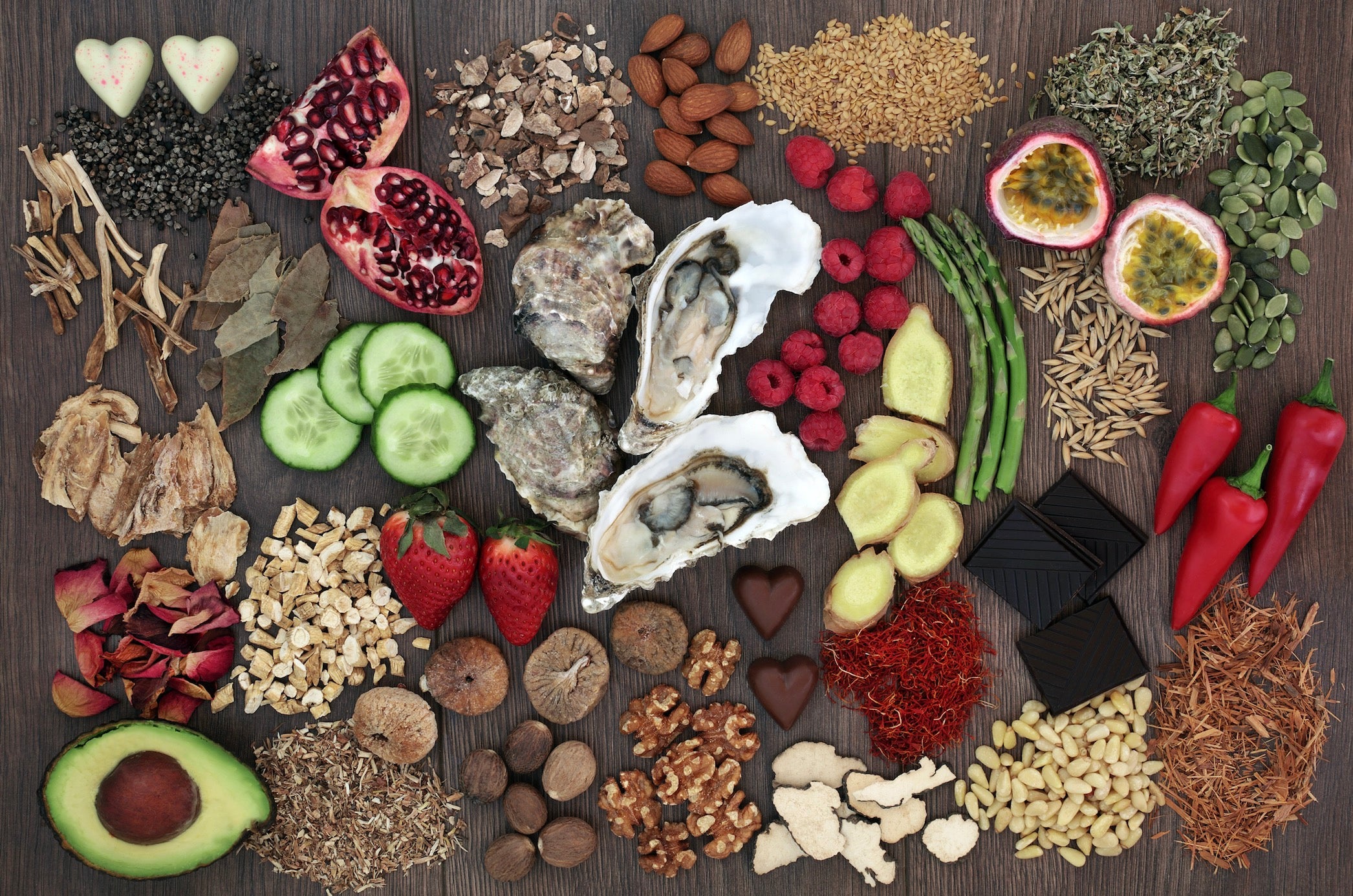
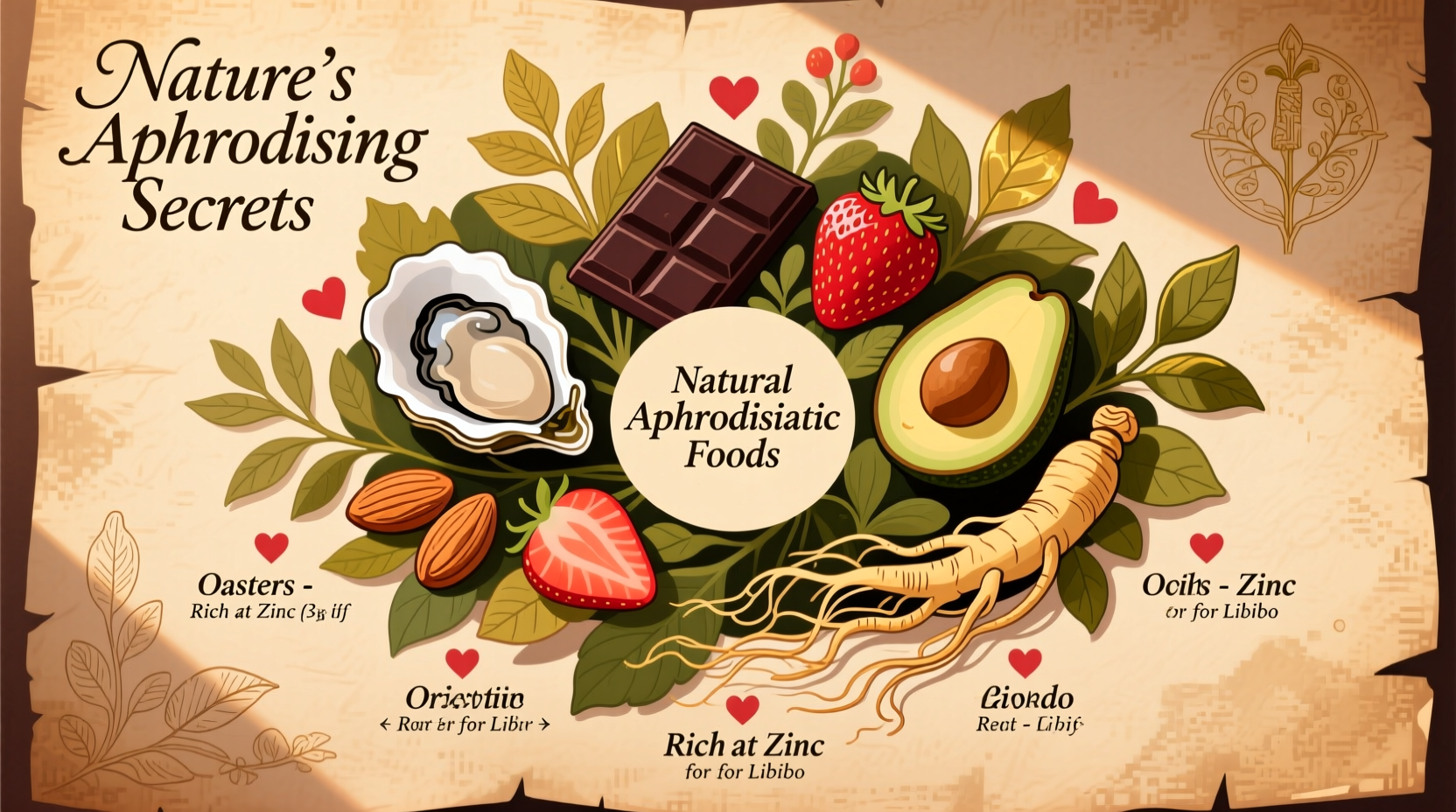
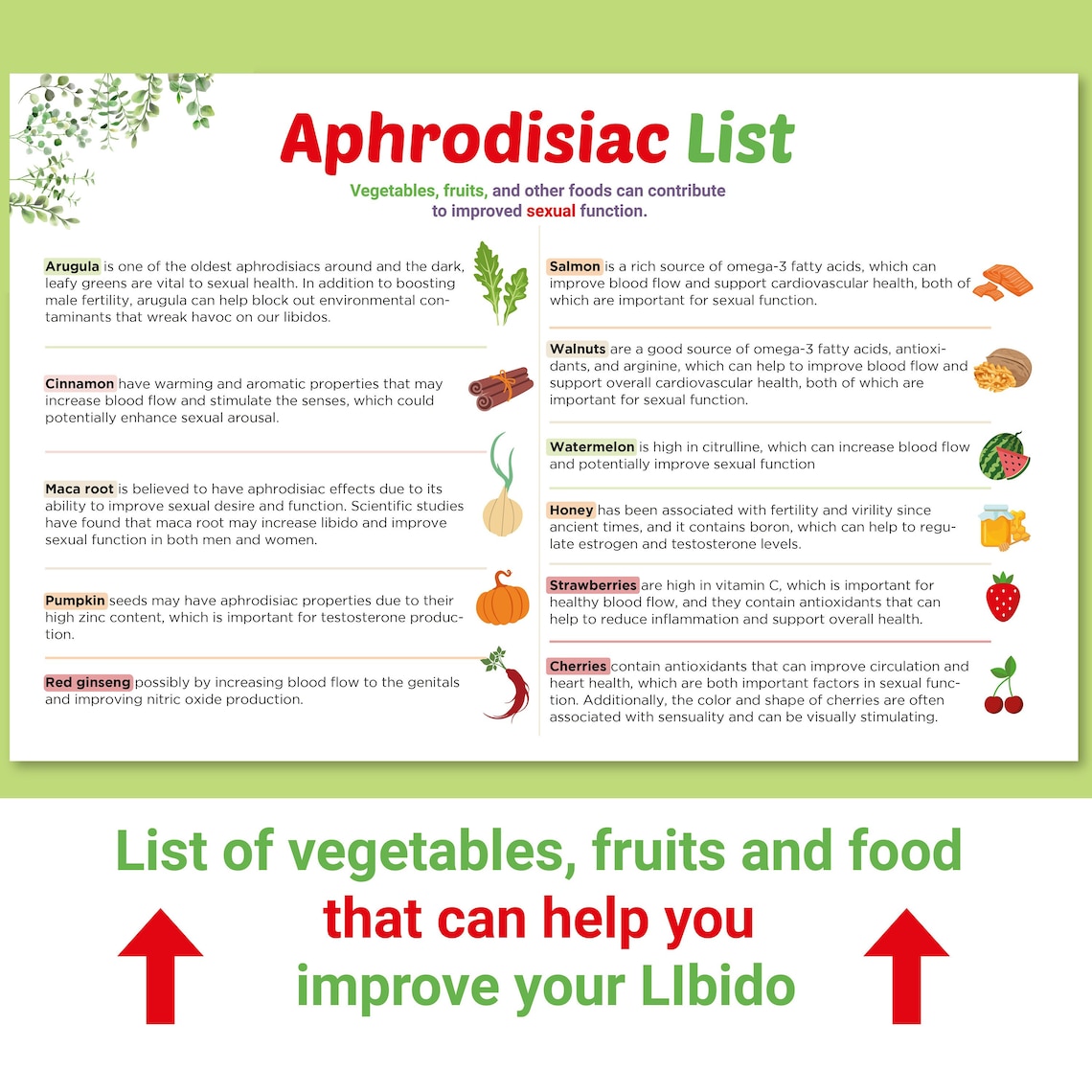
An aphrodisiac is a food, herb, compound, or activity that increases sexual desire, arousal, or performance. While folklore attributes erotic properties to many substances, scientific research shows that true aphrodisiacs function by enhancing blood flow, balancing hormones, elevating neurotransmitters like dopamine, or lowering stress. Efficacy ranges from mild nutritional support to potent botanical extracts.
Aphrodisiac Mechanisms:
- Cardiovasc./NO Vasodilation: 🥑 Watermelon, Ginseng, Yohimbe, Oysters
- Neuroendocrine Modulation: 🍫 Dark Chocolate, Maca, L-Tyrosine
- Adaptogenic/Psychological: 🌿 Maca, Ashwagandha, Ginkgo Biloba
Note: This article is for informational purposes only and does not constitute medical advice. Consult a healthcare professional before starting any herbal supplement or treatment regimen.
Understanding How Aphrodisiacs Work
The term aphrodisiac originates from Aphrodite, the ancient Greek goddess of love and beauty. Historically, cultures categorized substances as aphrodisiacs based on sympathetic magic—where a plant’s physical resemblance to reproductive organs suggested its efficacy—or through trial-and-error folk medicine.
Modern pharmacology and nutrition science evaluate aphrodisiacs through physiological mechanisms. Substances that genuinely influence libido or sexual response generally operate across four main biological pathways:
1. Vasodilation and Nitric Oxide Pathways
Proper vascular health is fundamental to sexual arousal in all genders. Sexual response relies on endothelial cells releasing nitric oxide (NO), which stimulates cyclic guanosine monophosphate (cGMP) production. This enzymatic process relaxes smooth muscle tissue in blood vessels, allowing increased blood flow to pelvic organs. Compounds containing L-citrulline, L-arginine, or natural PDE5 inhibitors enhance this response, promoting tissue engorgement and sensitivity.
2. Neurotransmitter Modulation
Central nervous system activation drives sexual motivation and pleasure. Dopamine acts as the primary neurochemical trigger for desire, motivation, and reward processing. Conversely, serotonin generally exerts an inhibitory effect on sexual desire and orgasm. Aphrodisiac compounds that promote dopamine synthesis or inhibit its degradation can heighten sexual focus and responsiveness.
3. Endocrine and Hormonal Support
Sex hormones—principally testosterone, free testosterone, DHEA, and estrogen—dictate baseline libido, vaginal lubrication, and erectile physiology. While dietary items rarely supply exogenous hormones, certain herbs support endogenous hormone production by providing precursor nutrients, optimizing hypothalamic-pituitary-gonadal (HPG) axis signals, or reducing sex hormone-binding globulin (SHBG).
4. Stress and Cortisol Reduction (Adaptogenic Actions)
Chronic elevation of cortisol, the primary stress hormone, directly suppresses reproductive function by inhibiting gonadotropin-releasing hormone (GnRH). Adaptogenic herbs help normalize the HPA (hypothalamic-pituitary-adrenal) axis, dampening sympathetic nervous system overdrive and allowing the parasympathetic system—which governs rest, digestion, and sexual arousal—to function properly.
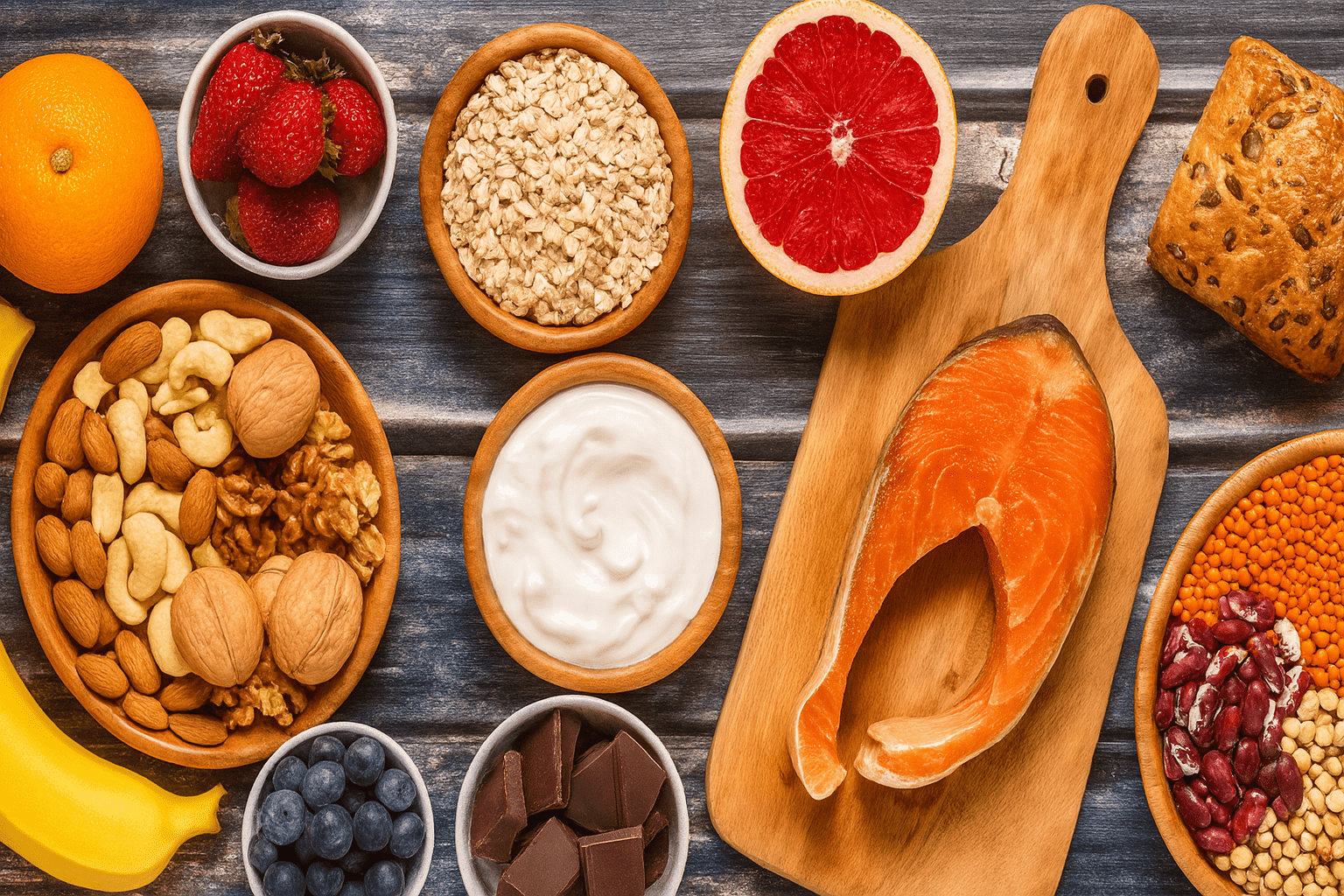
Dietary Aphrodisiacs: Foods Supported by Nutrition Science
Dietary aphrodisiacs provide key micronutrients, amino acids, and antioxidants that support cardiovascular, metabolic, and hormonal health.
Key Nutrients in Foods:
- L-Citrulline: Watermelon (Converts to L-Arginine)
- Zinc: Oysters, Nuts (Supports Testosterone, Spermatogenesis)
- Flavanols: Dark Chocolate (Boosts Nitric Oxide, Serotonin, Dopamine)
Oysters and Shellfish
Oysters are historically renowned as an aphrodisiac, a reputation reinforced by modern nutritional analysis.
- Key Compounds: High concentrations of bioavailability-tested zinc, along with specific amino acids such as D-aspartic acid and N-methyl-D-aspartate.
- Mechanism: Zinc is a critical trace mineral required for enzyme reactions involving testosterone synthesis and spermatogenesis. Severe zinc deficiency correlates with hypogonadism and delayed sexual maturation. D-aspartic acid serves as a neurotransmitter trigger that signals the pituitary gland to release luteinizing hormone (LH), promoting endogenous testosterone production.
- Clinical Context: While acute consumption of oysters will not trigger an immediate surge in sexual desire, maintaining adequate zinc stores is vital for long-term endocrine and reproductive health.
Watermelon
Watermelon is often referred to in popular literature as "nature's Viagra" due to its amino acid profile.
- Key Compounds: L-citrulline, a non-essential amino acid concentrated in both the flesh and rind.
- Mechanism: When ingested, L-citrulline is converted by the kidneys into L-arginine, a direct precursor to nitric oxide. Oral supplementation of L-citrulline bypasses first-pass hepatic metabolism more effectively than direct L-arginine intake, leading to higher sustained serum levels of arginine and increased nitric oxide production in vascular beds.
- Practical Value: Consuming L-citrulline-rich foods helps maintain systemic microvascular health and penile or clitoral blood flow.
Dark Chocolate (Unprocessed Cacao)
Cacao contains several bioactive compounds that influence mood and cardiovascular function.
- Key Compounds: Flavonoids (epicatechin), phenylethylamine (PEA), and theobromine.
- Mechanism: Epicatechin stimulates endothelial nitric oxide synthase (eNOS), relaxing blood vessels and supporting blood flow. Phenylethylamine is a trace amine that stimulates central dopamine release, mirroring the neurochemical state associated with attraction and affection.
- Clinical Context: While high-percent dark chocolate (70% or greater) supports cardiovascular health and psychological mood elevation, clinical trials demonstrate that its libido-enhancing effects are mild and closely tied to general stress reduction and sensory pleasure.
Pomegranate
Pomegranate juice and fruit extracts possess strong antioxidant profiles that safeguard vascular tissue.
- Key Compounds: Punicalagins, polyphenols, and anthocyanins.
- Mechanism: Chronic oxidative stress degrades nitric oxide before it can induce smooth muscle relaxation. The antioxidants in pomegranate neutralize free radicals, preserving nitric oxide bioavailability and supporting arterial flexibility.
- Clinical Context: Clinical studies published in urology journals report that regular daily consumption of pomegranate juice over several weeks improves markers of erectile function and arterial elasticity in subjects with mild-to-moderate vascular compromise.
Chili Peppers
Spicy peppers provide a distinct physiological sensation that mimics physical arousal.
- Key Compounds: Capsaicin.
- Mechanism: Capsaicin triggers sensory nerve endings, releasing substance P and endorphins. This leads to mild tachycardia (increased heart rate), elevated metabolic rate, facial flushing, sweating, and peripheral vasodilation.
- Practical Value: The sensory effects of capsaicin heighten physical awareness and tactile sensitivity, functioning primarily through neurological and physiological arousal.
Botanical and Herbal Aphrodisiacs: Clinical Evidence
Herbal aphrodisiacs contain concentrated phytochemicals that directly influence endocrine, central nervous, and vascular systems.
Botanical Mechanism Categories:
- Endocrine Adaptogens: Maca, Ashwagandha (HPA Axis Support, Cortisol Reduction)
- Neurovascular PDE-5 Inhib.: Horny Goat Weed, Panax Ginseng (Icariin, Ginsenosides)
- Adrenoreceptor Antagonists: Yohimbe (Alpha-2 Block, High Potency/Risk)
Maca Root (Lepidium meyenii)
Maca is a Peruvian cruciferous root vegetable cultivated in the high Andes for over two millennia.
- Primary Bioactive Agents: Macamides, macaenes, and glucosinolates.
- Evidence Base: Multiple double-blind, placebo-controlled clinical trials indicate that daily Maca supplementation (typically 1,500 mg to 3,000 mg daily) improves self-reported sexual desire in both men and women, including women experiencing antidepressant-induced sexual dysfunction.
- Key Feature: Maca enhances libido without altering serum levels of testosterone, estradiol, progesterone, or LH. Its actions appear driven by central nervous system modulation, metabolic support, and mood enhancement.
Panax Ginseng (Red Ginseng)
Asian or Korean Red Ginseng is one of the most widely studied botanical interventions for erectile health and vitality.
- Primary Bioactive Agents: Ginsenosides (panaxosides).
- Evidence Base: Systematic reviews and meta-analyses of randomized controlled trials (RCTs) confirm that Panax ginseng significantly improves erectile function scores on the International Index of Erectile Function (IIEF) compared to placebo.
- Mechanism: Ginsenosides stimulate eNOS transcription and activity directly in corpus cavernosum smooth muscle, increasing localized nitric oxide concentrations. Additionally, it acts as a central nervous system tonic to decrease fatigue.
Ashwagandha (Withania somnifera)
Ashwagandha is an adaptogenic herb central to Ayurvedic medicine, traditionally used as a tonic (Rasayana) for vitality.
- Primary Bioactive Agents: Withanolides and alkaloids.
- Evidence Base: Human clinical studies show that standardized ashwagandha root extract (e.g., 300 mg twice daily) reduces serum cortisol levels, reduces anxiety symptoms, and increases total serum testosterone in men undergoing resistance training. Clinical trials involving women report significant improvements in arousal, lubrication, and sexual satisfaction scores, primarily driven by stress reduction and HPA-axis balance.
Horny Goat Weed (Epimedium)
Epimedium has been used in Traditional Chinese Medicine (TCM) under the name Yin Yang Huo for centuries.
- Primary Bioactive Agent: Icariin, a prenylated flavonol glycoside.
- Mechanism: Icariin functions as a selective inhibitor of the phosphodiesterase type 5 (PDE5) enzyme—the same target enzyme inhibited by prescription medications such as sildenafil and tadalafil. By blocking PDE5 from degrading cGMP, icariin keeps vascular smooth muscle relaxed, promoting persistent blood flow.
- Clinical Context: While less potent than synthesized pharmaceutical PDE5 inhibitors, purified icariin extracts demonstrate dose-dependent vascular benefits in laboratory and animal models.
Tribulus Terrestris
Tribulus terrestris is a plant native to Mediterranean and Asian regions, widely marketed for testosterone support.
- Primary Bioactive Agents: Steroidal saponins, particularly protodioscin.
- Mechanism and Reality: Protodioscin is hypothesized to increase androgen receptor density in brain regions governing sexual behavior and may convert to DHEA. However, human trials show mixed results: while Tribulus improves subjective libido and erectile satisfaction in individuals with low sexual desire, it consistently fails to demonstrate significant elevations in total serum testosterone in healthy young adults.
Ginkgo Biloba
Ginkgo is one of the oldest living tree species, extensively researched for cognitive and microvascular applications.
- Primary Bioactive Agents: Flavonol glycosides and terpene lactones (ginkgolides, bilobalide).
- Mechanism: Ginkgo inhibits platelet-activating factor (PAF), reduces blood viscosity, and promotes microvascular perfusion. It also antagonizes serotonin-induced inhibition of sexual function.
- Clinical Evidence: Early open-label trials suggested high efficacy in treating SSRI-induced sexual dysfunction across all phases of the sexual response cycle. However, subsequent double-blind studies yielded mixed results, demonstrating that its primary value lies in vascular maintenance rather than immediate arousal.
Yohimbe (Pausinystalia johimbe)
Yohimbe is an evergreen tree native to Central and Western Africa. Its bark yields the potent alkaloid yohimbine.
- Primary Bioactive Agent: Yohimbine hydrochloride.
- Mechanism: Yohimbine acts as a potent selective antagonist at presynaptic alpha-2 adrenergic receptors. By blocking these receptors, it increases central and peripheral sympathetic outflow, boosting norepinephrine release. This process dilates cavernous blood vessels while increasing central sexual drive.
- Safety and Efficacy: Yohimbine shows proven efficacy for organic and psychogenic erectile dysfunction in clinical trials. However, it carries a high rate of side effects, including severe hypertension, tachycardia, panic attacks, anxiety, and tremors. It should never be used without medical supervision or combined with psychiatric medications.
Comparative Overview: Efficacy, Mechanism, and Safety
The following table summarizes common aphrodisiac foods, herbs, and supplements based on current evidence, primary mechanism, clinical support level, and safety considerations.
| Aphrodisiac Compound / Source | Primary Mechanism | Scientific Evidence Level | Common Target Benefit | Primary Safety & Drug Interaction Cautions |
|---|---|---|---|---|
| Maca Root (Lepidium meyenii) | CNS modulation; HPA axis balance without hormone alteration | Moderate to High (Multiple RCTs) | Libido, subjective arousal, stamina | Well tolerated; caution in hormone-sensitive cancers. |
| Panax Ginseng (Red Ginseng) | eNOS activation; localized endothelial nitric oxide synthesis | High (Systematic Reviews / RCTs) | Erectile function, vascular support, fatigue reduction | Mild insomnia; may interact with blood thinners and oral hypoglycemics. |
| Ashwagandha (Withania somnifera) | Cortisol reduction; HPA axis regulation; androgen support | Moderate to High (Multiple RCTs) | Stress-induced low libido, female sexual function, testosterone support | Avoid in hyperthyroidism and autoimmune conditions unless supervised. |
| L-Citrulline (Watermelon) | Endothelial nitric oxide precursor via renal conversion to L-arginine | Moderate (Clinical & Preclinical) | Microvascular blood flow, arterial flexibility | Mild gastrointestinal distress; caution with severe hypotension. |
| Icariin (Epimedium / Horny Goat Weed) | Weak selective PDE5 enzyme inhibition | Low to Moderate (Preclinical & Limited Human Data) | Erectile quality, localized pelvic blood flow | Mild hypotension; potential interactions with nitrates and antihypertensives. |
| Oysters / Zinc | Essential enzyme cofactor for testosterone synthesis & D-aspartate | Moderate (Nutritional Epidemiology) | Long-term endocrine health, spermatogenesis | Excessive chronic zinc intake induces copper deficiency. |
| Yohimbine (Pausinystalia johimbe) | Central & peripheral alpha-2 adrenergic receptor antagonist | High (Clinical Trials for ED) | Erectile performance, central adrenergic drive | High Risk: Anxiety, hypertension, tachycardia. Avoid with MAOIs, SSRIs, and heart conditions. |
| Tribulus Terrestris | Androgen receptor sensitivity support via steroidal saponins | Moderate (Libido); Low (Testosterone Elevation) | Subjective desire, sexual satisfaction | Mild stomach upset; potential interactions with blood pressure/diabetes drugs. |
| Dark Chocolate (Flavanols / Cacao) | eNOS enhancement; phenylethylamine and dopamine synthesis support | Low to Moderate (Sensory & Mood Support) | Mild mood elevation, sensory sensitivity | Minimal safety risks; caution for caffeine-sensitive individuals. |
Dangerous or Unproven Substances to Avoid
While many dietary and botanical aphrodisiacs offer mild-to-moderate benefits, several traditional substances present severe safety risks and should be avoided.
| Substance | Key Toxins / Contaminants | Clinical Risks |
|---|---|---|
| Spanish Fly | Cantharidin (Blister Beetles) | Organ failure, severe toxicity |
| Mad Honey | Grayanotoxins (Rhododendron) | Arrhythmias, severe hypotension |
| Unregulated "Male Enhancement" | Undeclared Synthetic PDE5 Inhibitor Analogs | Lethal blood pressure drops |
- Spanish Fly (Cantharidin): Derived from crushed blister beetles, cantharidin is an extreme chemical irritant. It produces genital engorgement purely through violent inflammation, mucosal erosion, and tissue destruction. Ingesting cantharidin can cause severe gastrointestinal hemorrhaging, acute renal failure, urethral strictures, and death.
- Mad Honey (Grayanotoxin-rich Honey): Harvested from regions where bees feed on specific Rhododendron species, this honey contains grayanotoxins. Although traditionally consumed to boost male virility, grayanotoxin poisoning causes severe bradycardia, dangerous cardiac arrhythmias, dramatic hypotension, and loss of consciousness.
- Unregulated "Male Enhancement" Supplements: Consumer protection agencies regularly issue warnings regarding over-the-counter capsules sold as "all-natural male enhancement." Laboratory analysis frequently reveals these products are adulterated with undisclosed synthetic PDE5 inhibitors (such as sildenafil or novel chemical analogs). Taking these products alongside prescription nitrates can cause a dangerous, potentially fatal drop in blood pressure.
Lifestyle and Psychological Factors Influencing Efficacy
No dietary component or herbal extract operates in isolation. The biological foundations of sexual function are deeply intertwined with metabolic, cardiovascular, and psychological health.
Lifestyle Foundations for Libido:
- Cardiovascular Fitness: Arterial eNOS Integrity
- Restorative Sleep: Nocturnal LH & Testosterone
- Neurochemical Balance: Dopamine/Cortisol Optimized Ratio
- Psychological Well-Being: Reduced Stress & Performance Anxiety
Endothelial Health and Exercise
The endothelium—the thin membrane lining the inside of the heart and blood vessels—is responsible for producing nitric oxide. Physical activities that promote cardiovascular fitness (such as aerobic exercise and resistance training) upregulate endothelial nitric oxide synthase (eNOS) activity. Regular physical activity directly enhances pelvic vascular compliance, improving performance more effectively than individual nutritional interventions.
Sleep Hygiene and Hormone Regulation
Sleep deprivation disrupts endocrine signaling. The majority of daily testosterone release in both men and women occurs during deep, non-rapid eye movement (NREM) and REM sleep stages. Clinical studies demonstrate that restricting sleep to five hours per night for just one week reduces daytime testosterone levels by 10% to 15%. Optimizing sleep duration and quality is a foundational requirement for restoring baseline libido.
Stress Management and Cortisol Control
Persistent psychological stress activates the sympathetic nervous system ("fight or flight"), causing peripheral vasoconstriction and shunting blood away from non-essential reproductive organs toward skeletal muscle tissue. Techniques that activate the parasympathetic nervous system—such as mindfulness-based stress reduction, deep breathing exercises, and psychological counseling—directly decrease circulating cortisol, creating a physiological state conducive to sexual arousal.
Frequently Asked Questions
Do natural aphrodisiacs work immediately like prescription medications?
No. Most natural aphrodisiacs operate through gradual physiological pathways, such as improving vascular health, replenishing micronutrient deficiencies, or regulating the HPA axis over time. While compounds like yohimbine or high-dose L-citrulline exert relatively rapid vascular effects, botanical remedies typically require several days to weeks of consistent use to demonstrate measurable impacts on libido and function.
Are there specific aphrodisiacs that work better for women than for men?
Yes. Clinical trials indicate that herbs addressing stress, mood, and central neurotransmitters often yield better results for female sexual interest and arousal disorder (FSIAD). Maca root (Lepidium meyenii) and Ashwagandha (Withania somnifera) have strong clinical backing for improving female lubrication, arousal, and subjective desire by balancing cortisol levels and supporting central dopamine pathways.
Can natural aphrodisiac supplements interact with prescription medications?
Yes, significant interactions can occur. Herbs that promote nitric oxide pathways or exert weak PDE5 inhibition (such as Horny Goat Weed or Ginseng) can potentiate antihypertensive drugs and nitrates, leading to hypotension. Botanical adaptogens can also interact with blood thinners, thyroid medications, and psychiatric drugs (including SSRIs and MAOIs). Always review new supplements with a qualified clinician.
What is the most scientifically proven natural aphrodisiac?
Among botanical interventions, Panax Ginseng (for erectile function and vascular support) and Maca Root (for subjective libido enhancement) hold the strongest support across randomized, double-blind, placebo-controlled human trials. For nutritional support, L-citrulline has clear physiological backing for enhancing vascular nitric oxide production.
Are over-the-counter sexual enhancement supplements regulated?
In many jurisdictions, dietary supplements are regulated under post-market surveillance frameworks rather than strict pre-market approval processes. This means manufacturers are responsible for safety and labeling, but third-party verification is not universally required before sale. Consumers should choose products verified by independent testing bodies (such as USP, NSF International, or ConsumerLab) to ensure purity and rule out pharmaceutical adulteration.
Evidence-Based Recommendations and Next Steps
To safely explore evidence-based aphrodisiacs, consider the following actionable protocol:
- Establish a Baseline Health Evaluation: Low libido or sexual dysfunction can be an early indicator of underlying cardiovascular conditions, metabolic dysfunction (such as diabetes), thyroid imbalances, or clinical depression. Schedule a comprehensive health assessment—including a blood panel evaluating lipid profiles, fasting glucose, thyroid hormones, and total/free testosterone—before beginning self-treatment.
- Prioritize Lifestyle Foundations First: Address foundational elements that directly influence sexual health: target 7 to 9 hours of sleep per night, maintain 150 minutes of weekly moderate cardiovascular exercise, and minimize chronic stress.
- Incorporate Whole-Food Aphrodisiacs: Introduce nutrition-dense foods such as dark chocolate (70%+ cacao), pomegranates, pumpkin seeds, watermelon, and zinc-rich foods (oysters, legumes) into your daily routine. These provide long-term cardiovascular and endocrine support without risk of adverse supplement reactions.
- Select Targeted, Single-Ingredient Herbal Supplements: If choosing botanical support, select single-ingredient products from reputable manufacturers that provide standardized extract ratios (e.g., Maca root standardized for macamides, or Panax ginseng standardized for ginsenosides). Avoid proprietary blends that conceal individual ingredient dosages.
- Monitor for Side Effects: Introduce one supplement at a time at the lowest recommended dose. Track changes in mood, sleep quality, blood pressure, and libido over 4 to 8 weeks before deciding whether to continue, adjust dosage, or try an alternative. Discontinue use immediately if you experience adverse reactions such as palpitations, dizziness, or gastrointestinal distress.