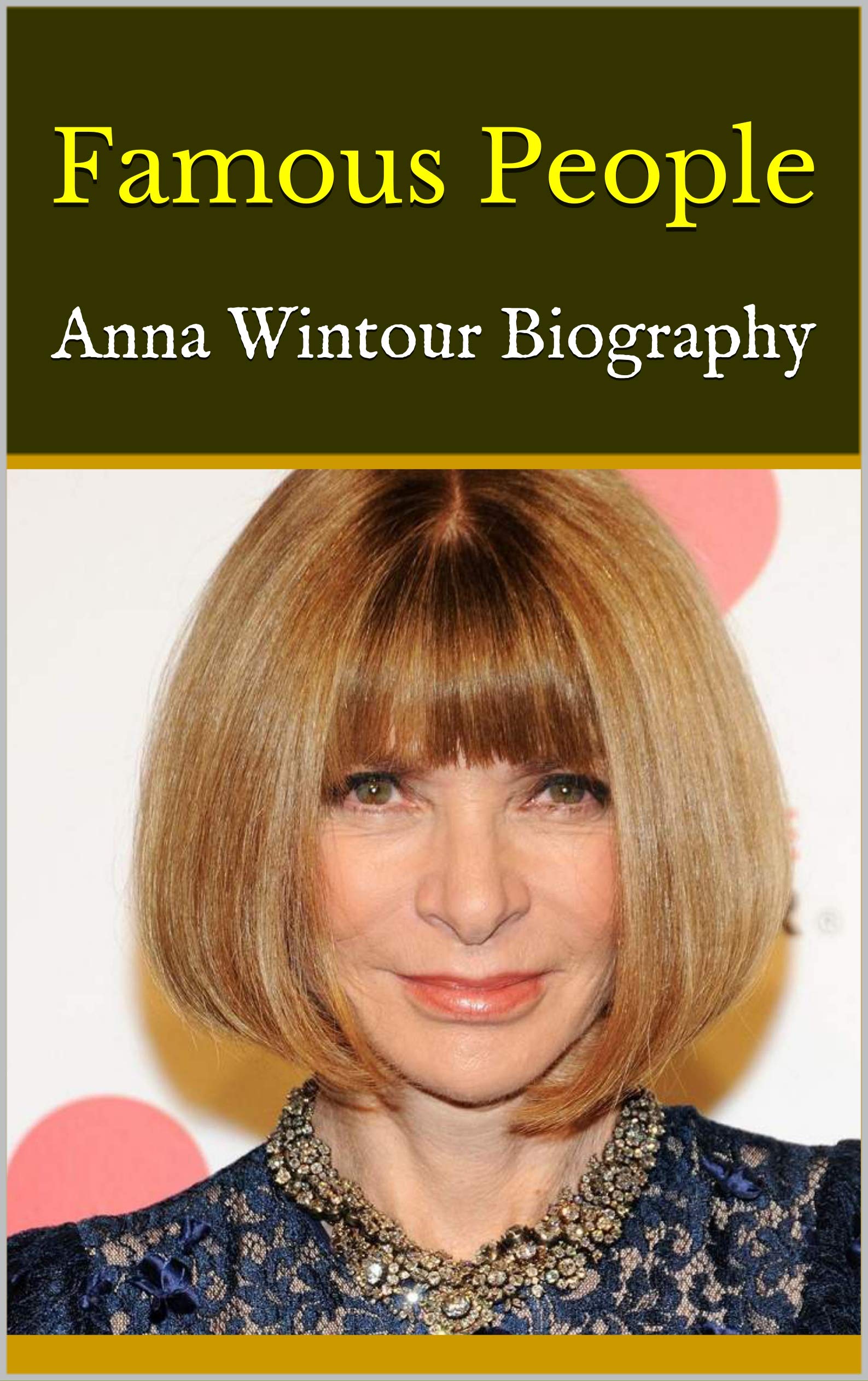
Anna Harvey was a towering figure in British and international fashion, serving as a defining force at Vogue for over three decades, shaping the careers of numerous designers, and acting as a trusted style confidante to high-profile figures such as Diana, Princess of Wales. Her editorial vision combined rigorous journalistic standards with an acute understanding of how women actually lived, worked, and dressed. By bridging the gap between high-concept runway creations and practical wardrobe execution, she left an indelible mark on modern publishing, retail, and the global fashion industry.
To understand the scope of her influence, one must examine her decades-long tenure at Condé Nast, her collaborative relationships with iconic photographers and designers, her leadership within British Vogue, and her later international consulting and editorial direction roles. This comprehensive profile explores the foundations of her career, her editorial philosophy, and her enduring legacy across the fashion landscape.
Early Life and Entry into Fashion Journalism
Born in 1940, Anna Harvey grew up in an era when the British fashion industry was beginning to recover from post-war austerity and redefine its cultural footprint. Before entering the upper echelons of magazine publishing, Harvey developed a keen observational eye and a deep appreciation for textiles, construction, and tailoring. Her entry into fashion journalism was characterized by a practical approach to garments rather than an abstract obsession with ephemeral trends.
During the late 1960s and early 1970s, London was undergoing a profound cultural shift driven by youth movements, music, and art. Harvey navigated this vibrant ecosystem by focusing on wearable sophistication. She understood that fashion publications needed to serve as reliable guides for readers seeking to translate runway fantasies into functional, elegant realities. This foundational philosophy guided her through her early roles and eventually caught the attention of Condé Nast leadership, setting the stage for her long and consequential association with Vogue.
The Condé Nast Years and British Vogue
Anna Harvey’s professional legacy is most closely intertwined with British Vogue, where she worked for nearly 30 years, ultimately rising to the position of Deputy Editor and Head of Editorial Content. Working alongside legendary editors such as Beatrix Miller and Liz Tilberis, Harvey helped steer the publication through periods of immense stylistic evolution, from the exuberant disco and power-dressing eras of the 1970s and 1980s to the minimalist, grunge, and high-gloss glamour of the 1990s.
As Deputy Editor, Harvey managed the intricate daily operations of producing a world-class magazine. Her responsibilities extended far beyond selecting clothes for editorial shoots; she mentored a generation of young stylists, writers, and editors who would later populate the upper tiers of global media. Her management style was marked by high expectations, absolute professionalism, and an unwavering commitment to visual and journalistic integrity.
| Role / Responsibility | Impact on the Industry | Key Collaborators |
|---|---|---|
| Deputy Editor, British Vogue | Established visual standards and operational workflows for decades. | Beatrix Miller, Liz Tilberis, Alexandra Shulman |
| Fashion Director | Curated defining editorial spreads bridging high fashion and accessibility. | Arthur Elgort, Corinne Day, Mario Testino |
| Consultant Editor, Vogue India | Assisted in launching and shaping the editorial voice for a new market. | Priya Tanna, international bureaus |
| Editorial Director, Vogue Access | Pioneered digital and commerce-focused style guidance for global readers. | Condé Nast digital teams |
The Definitive Style Confidante to Diana, Princess of Wales
One of the most defining chapters of Anna Harvey’s career was her close working relationship and friendship with Diana, Princess of Wales. In the early 1980s, when a young Lady Diana Spencer was thrust into the blinding spotlight of the global media, Vogue was called upon to help her navigate her evolving public image. Harvey was assigned to work with the future princess, becoming her primary style mentor and confidante.
Rather than imposing an alien aesthetic, Harvey helped Diana transition from a shy nursery assistant wearing conservative, rural-inspired outfits into a confident global style icon capable of commanding international attention. Their collaboration involved careful selection of British designers, balancing royal protocol with contemporary silhouettes, and understanding how clothes would photograph from every angle. Harvey’s guidance helped Diana utilize fashion as a non-verbal diplomatic tool, amplifying charitable causes and projecting modern grace.
The working relationship evolved into a genuine friendship based on mutual trust and discretion. Harvey frequently recounted how eager Diana was to learn about the mechanics of the fashion industry, often visiting the Vogue offices quietly to review lookbooks, discuss upcoming collections, and understand the cultural narratives behind specific designers. This partnership not only cemented Vogue's cultural authority but also defined the visual iconography of the late 20th century royal family.
Editorial Philosophy: Accessibility Meets Aspiration
Anna Harvey’s editorial philosophy challenged the notion that high fashion had to be exclusionary or impractical. While she championed avant-garde visionaries and exquisite haute couture craftsmanship, she always maintained that a great fashion publication must respect its reader's intelligence and lifestyle.
Key tenets of her editorial approach included:
- Wardrobe Longevity: Emphasizing investment pieces, immaculate tailoring, and classic silhouettes that transcended seasonal micro-trends.
- Proportional Integrity: Teaching readers how to dress for their specific body types rather than forcing runway looks onto everyday figures.
- Contextual Storytelling: Placing garments within a broader cultural, artistic, and social narrative to explain why a particular look mattered.
- Support for British Talent: Consistently spotlighting emerging UK designers, ensuring London remained a vital stop on the international fashion week calendar.
This pragmatic yet visionary outlook made her an invaluable asset not just to magazine readers, but to retailers and manufacturers seeking to understand consumer behavior.
Global Expansion and Later Career Initiatives
Following her formal tenure at British Vogue, Harvey showed no signs of slowing down. Her expertise was sought after by international editions of the magazine, most notably during the launch and early development of Vogue India. Her involvement helped bridge Western editorial standards with the rich textile heritage, vibrant color palettes, and rapidly growing luxury market of the Indian subcontinent.
In addition to her print media work, Harvey served as the Editorial Director for Vogue Access, an early digital initiative designed to connect readers directly with shoppable fashion content. Long before social media shopping tags and direct-to-consumer digital commerce dominated the industry, Harvey recognized the shift toward immediate consumer access.
She also contributed her expertise to various industry boards, mentoring programs, and charitable organizations, including graduate showcases at institutions like Central Saint Martins. Her ability to spot raw talent and nurture it into commercial viability ensured her influence extended far beyond the pages of Condé Nast publications.
Common Misconceptions About Fashion Editors of Her Era
Discussions surrounding traditional print editors often rely on caricatures popularized by popular culture, such as the aloof, tyrannical editor archetype. Those who worked with Anna Harvey routinely paint a different picture. While she maintained rigorous standards and expected absolute dedication, her reputation was built on fairness, meticulous preparation, and a deep respect for the artisans, seamstress guilds, and photographers behind the scenes.
Another common misunderstanding is that editors of Harvey's generation were resistant to digital transformation. In reality, Harvey’s later career work with e-commerce platforms and digital archives demonstrates a forward-thinking adaptability. She understood that while the mediums of delivery would evolve from glossy paper to glowing screens, the core principles of curation, trust, and visual storytelling remained entirely unchanged.
Frequently Asked Questions
What was Anna Harvey's primary role at British Vogue?
Anna Harvey served as the Deputy Editor and Fashion Director of British Vogue, where she oversaw editorial spreads, managed creative teams, and helped define the magazine's visual and journalistic direction for nearly three decades.
How did Anna Harvey influence Princess Diana's style?
Harvey acted as Diana's primary style mentor during the 1980s, helping her transition from royal newcomer to global fashion icon. She guided the princess in selecting British designers, adhering to protocol while embracing modern silhouettes, and using clothing as a tool for public communication.
Did Anna Harvey work on international editions of Vogue?
Yes, beyond her foundational work in London, Harvey lent her expertise to international projects, playing a notable advisory role during the launch and development phases of Vogue India.
What was her approach to fashion journalism?
Harvey championed a balance between aspirational runway high fashion and practical everyday wear. She emphasized tailoring, wardrobe longevity, and helping readers understand the cultural and structural context behind clothes.
What are her contributions to digital fashion publishing?
In her later career, Harvey served as Editorial Director for Vogue Access, helping pioneer early digital commerce and style guides that bridged print editorial authority with online retail.
Conclusion and Enduring Legacy
Anna Harvey’s career represents a golden era of fashion journalism defined by authority, elegance, and rigorous craftsmanship. By shaping the pages of British Vogue, mentoring generations of creative talent, and guiding Princess Diana through her most scrutinized years, Harvey proved that fashion is a serious cultural medium requiring intellect and empathy. Her legacy lives on in the modern digital publications, designers, and stylists who continue to draw inspiration from her timeless approach to style.