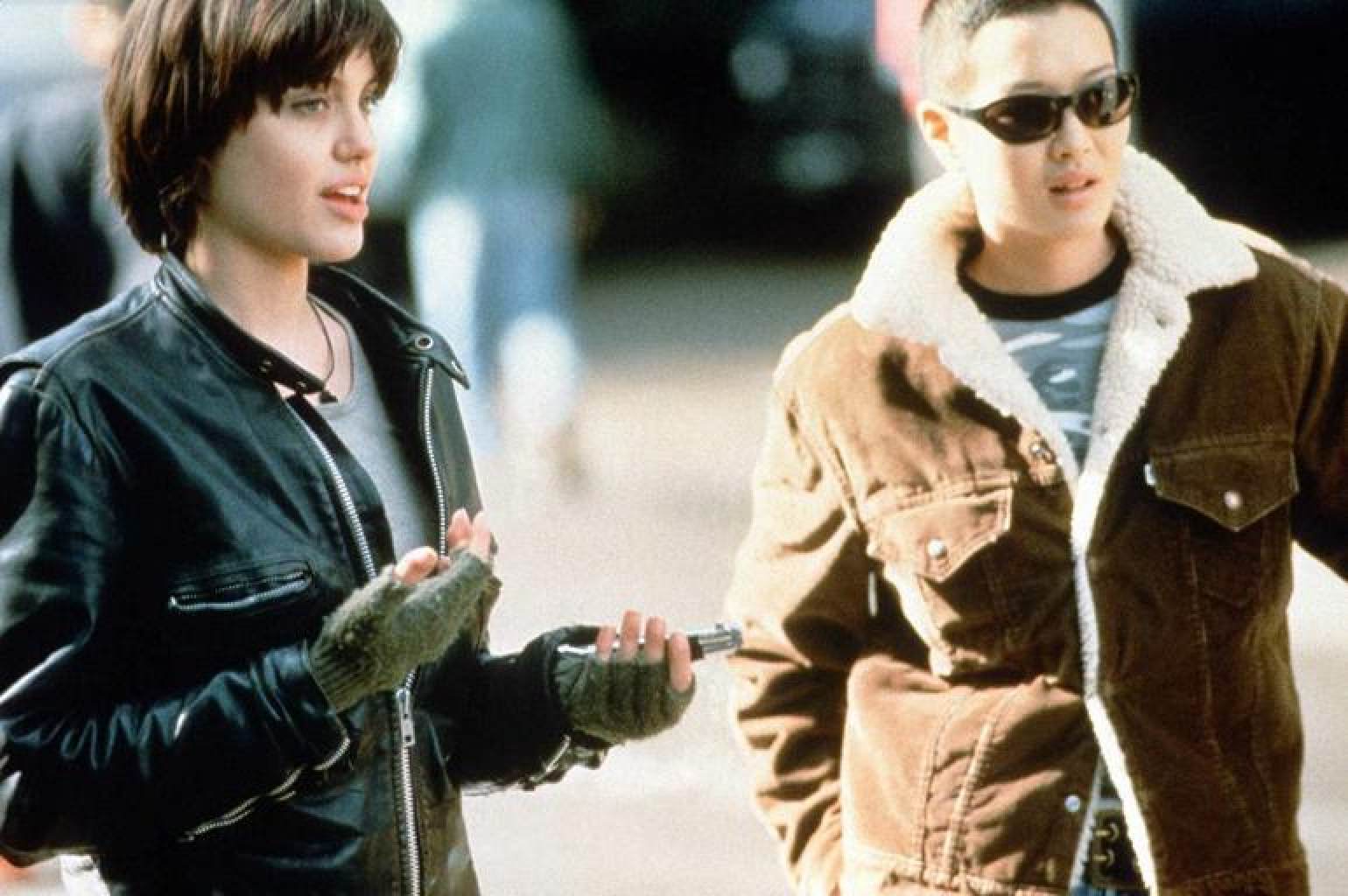
Angelina Jolie and former girlfriend Jenny Shimizu shared a high-profile romantic and professional relationship in the mid-1990s after meeting on the set of the film Foxfire. Their connection became a notable moment in celebrity culture, with Jolie openly discussing their romance in interviews during a period when public figures rarely spoke candidly about non-heterosexual relationships.
The relationship between Angelina Jolie and Jenny Shimizu remains a significant point of discussion when examining the cultural landscape of Hollywood in the 1990s. As public discourse surrounding LGBTQ+ representation has evolved over the decades, the candid admissions made by Jolie regarding her past relationship with Shimizu offer a window into an era before modern digital advocacy and social media visibility reshaped celebrity image management. This article examines the origins of their relationship, its impact on their respective careers, and its enduring legacy in popular culture.
Origins of the Relationship: The Set of Foxfire
The connection between Angelina Jolie and Jenny Shimizu began in 1996 during the production of the independent drama film Foxfire. Directed by Annette Haywood-Carter and adapted from Joyce Carol Oates' novel, the film follows a group of teenage girls in the Pacific Northwest who form a tight-knit, rebellious bond after standing up to a sexually abusive teacher.
Jenny Shimizu, then an established fashion model known for her prominent work with Calvin Klein and other major designers, was cast in the film alongside a rising Angelina Jolie. For Shimizu, Foxfire marked her transition into acting. For Jolie, the film arrived shortly after her breakout role in the 1995 techno-thriller Hackers.
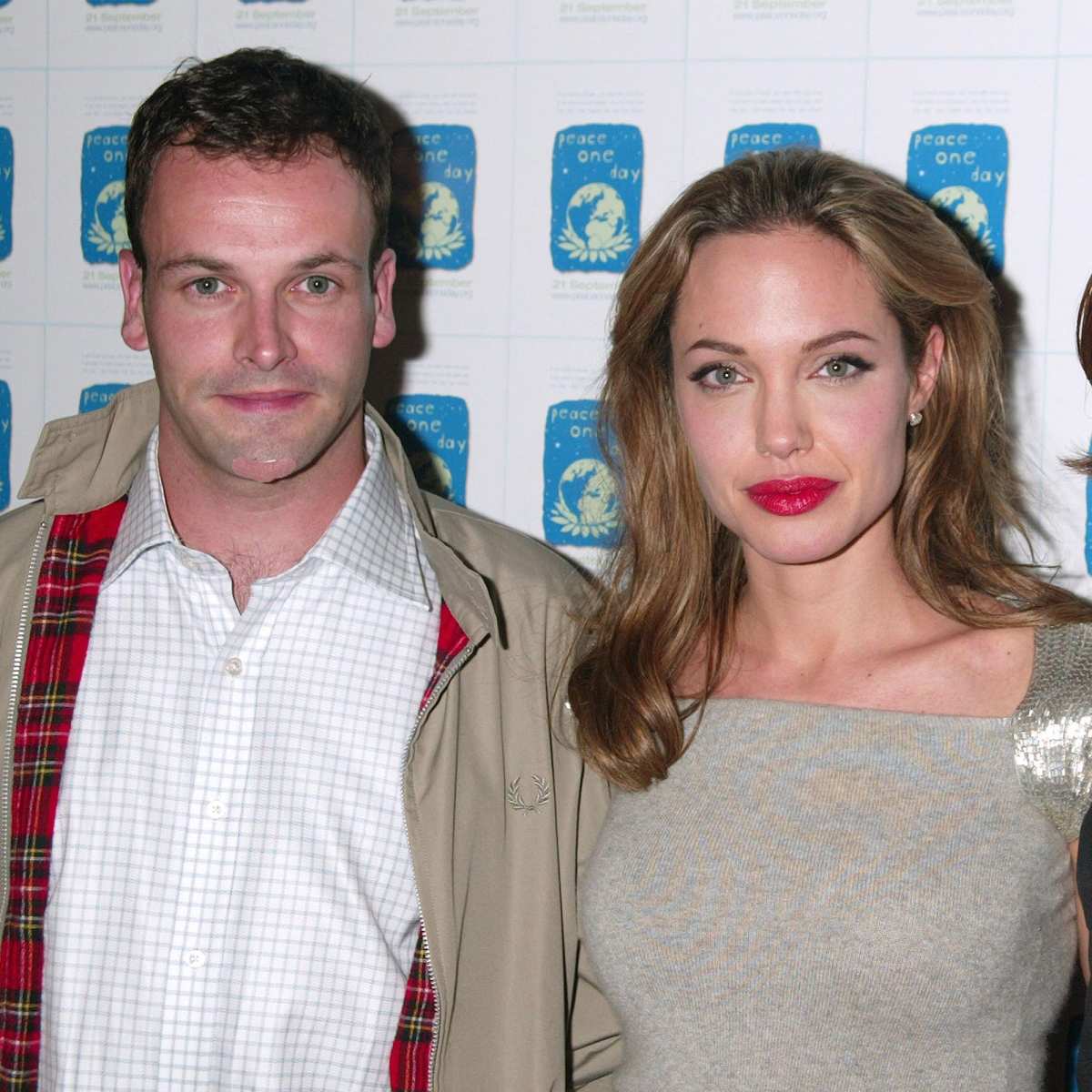
Working closely on location fostered an immediate personal chemistry between the two actors. In subsequent interviews, Jolie frequently recalled that her attraction to Shimizu was instantaneous. At the time, Jolie was married to her first husband, actor Jonny Lee Miller, whom she had wed in March 1996. Despite her marriage, Jolie's relationship with Shimizu quickly evolved beyond a professional collaboration into a romantic involvement, a dynamic that Jolie navigated openly within industry circles.
Media Reception and Public Disclosures in the 1990s
In the mid-1990s, the media landscape regarding LGBTQ+ identities differed sharply from the contemporary environment. While underground queer culture and independent cinema were exploring diverse sexualities, mainstream Hollywood blockbusters and celebrity profiles rarely featured openly non-monosexual or queer performers without courting professional backlash.
Angelina Jolie challenged this conventional Hollywood PR playbook through her unvarnished candor. In a 1997 interview with Film Threat, Jolie famously remarked that she would have married Jenny Shimizu had she not been married to Jonny Lee Miller at the time. She described Shimizu as a transformative figure in her personal growth, stating that she fell in love with her the first time she saw her.
These disclosures were unusual for a rising young movie star during a period when studios often advised actors to conceal aspects of their personal lives that deviated from traditional heteronormative standards. Shimizu, coming from the fashion world where queer identities were more frequently visible, maintained a similarly straightforward approach to her personal life. The openness of both women provided a rare point of reference for queer visibility in mainstream entertainment media during the pre-millennium era.
Career Trajectories of Angelina Jolie and Jenny Shimizu
While their paths intersected profoundly during the mid-1990s, Angelina Jolie and Jenny Shimizu pursued divergent professional trajectories in the decades that followed.
Angelina Jolie's Rise to Global Stardom
Following Foxfire, Angelina Jolie achieved critical acclaim for her television work, winning Golden Globe Awards for her performances in George Wallace (1997) and Gia (1998)—the latter of which featured themes exploring complex romantic relationships. In 2000, she won the Academy Award for Best Supporting Actress for Girl, Interrupted.
Jolie transitioned into a dominant box-office action star with franchises like Lara Croft: Tomb Raider and later expanded her career into directing, screenwriting, and high-profile humanitarian work as a Special Envoy for the United Nations High Commissioner for Refugees (UNHCR). Her personal life, including subsequent high-profile marriages to Billy Bob Thornton and Brad Pitt, remained a constant focus of global media attention.
Jenny Shimizu's Work in Fashion and Media
Jenny Shimizu solidified her status as a pioneering Asian-American and openly queer fashion icon. Breaking barriers in an industry dominated by Eurocentric beauty standards, she became a muse for designers such as Calvin Klein, Jean Paul Gaultier, and Karl Lagerfeld.
Beyond modeling, Shimizu appeared in various documentary projects exploring gender, identity, and fashion, including It's in the Water and reality television programming. She maintained a prominent presence within LGBTQ+ advocacy and cultural spaces, occasionally reflecting on her historical connection to Jolie in retrospective interviews and documentaries.
Summary Comparison of Their Professional Paths
| Attribute | Angelina Jolie | Jenny Shimizu |
|---|---|---|
| Primary Industry | Acting, Directing, Humanitarian Work | Fashion Modeling, Media Personality |
| Breakthrough Period | Mid-to-late 1990s (Hackers, Foxfire) | Early-to-mid 1990s (Calvin Klein campaigns) |
| Major Accolades | Academy Award, Golden Globe Awards | Groundbreaking runway and print representation |
| Public Relationship Era | Mid-1990s collaboration and beyond | Mid-1990s collaboration and onward |
Lasting Cultural Legacy and Historical Significance
The relationship between Angelina Jolie and Jenny Shimizu holds a distinct place in the history of celebrity culture and LGBTQ+ milestones. By refusing to conform to the sanitized image templates typically demanded of young female actors in the 1990s, Jolie established a precedent for radical personal authenticity.
Furthermore, Shimizu's visibility as an openly queer, gender-non-conforming Asian-American model provided crucial representation during a decade when intersectional visibility in mainstream fashion was exceptionally rare. Although their romantic relationship was relatively brief, its cultural footprint persisted through the candid archival interviews that continue to be referenced by biographers, cultural historians, and fans examining the evolution of queer acceptance in Hollywood.
Frequently Asked Questions
When did Angelina Jolie and Jenny Shimizu meet?
They met in 1996 while filming the independent drama Foxfire, where they played core members of a rebellious group of high school students. Their on-set collaboration quickly transitioned into a personal and romantic relationship.
Were Angelina Jolie and Jenny Shimizu ever married?
No, they were never legally married. However, Angelina Jolie stated in interviews during the late 1990s that she would have married Jenny Shimizu if she had not already been married to her first husband, actor Jonny Lee Miller.
How did the media react to their relationship in the 1990s?
Media coverage at the time was characterized by surprise, as mainstream celebrities rarely spoke openly about non-heterosexual relationships. Jolie's unvarnished candor broke industry conventions, occurring during an era when Hollywood publicists generally advised stars to maintain conventional private lives.
What is Jenny Shimizu's background in the entertainment and fashion industries?
Jenny Shimizu is a prominent American fashion model and actress who broke significant barriers in the 1990s as an openly queer Asian-American model working with major global luxury houses, most notably Calvin Klein.
Are Angelina Jolie and Jenny Shimizu still in contact?
While both women have moved forward with their respective lives, careers, and families over the decades, they have occasionally spoken respectfully of their shared history in retrospective media profiles and interviews.
Practical Next Actions and Further Reading
For those interested in exploring the cultural context of this era further, several avenues provide deeper insight:
- Examine independent cinema of the mid-1990s, specifically features like Foxfire, to observe early examples of intersectional storytelling.
- Review archival fashion publications and retrospectives highlighting the impact of 1990s runway icons on modern representation.
- Consult authorized biographical works on Angelina Jolie for detailed accounts of her early career and personal philosophy regarding public disclosure.