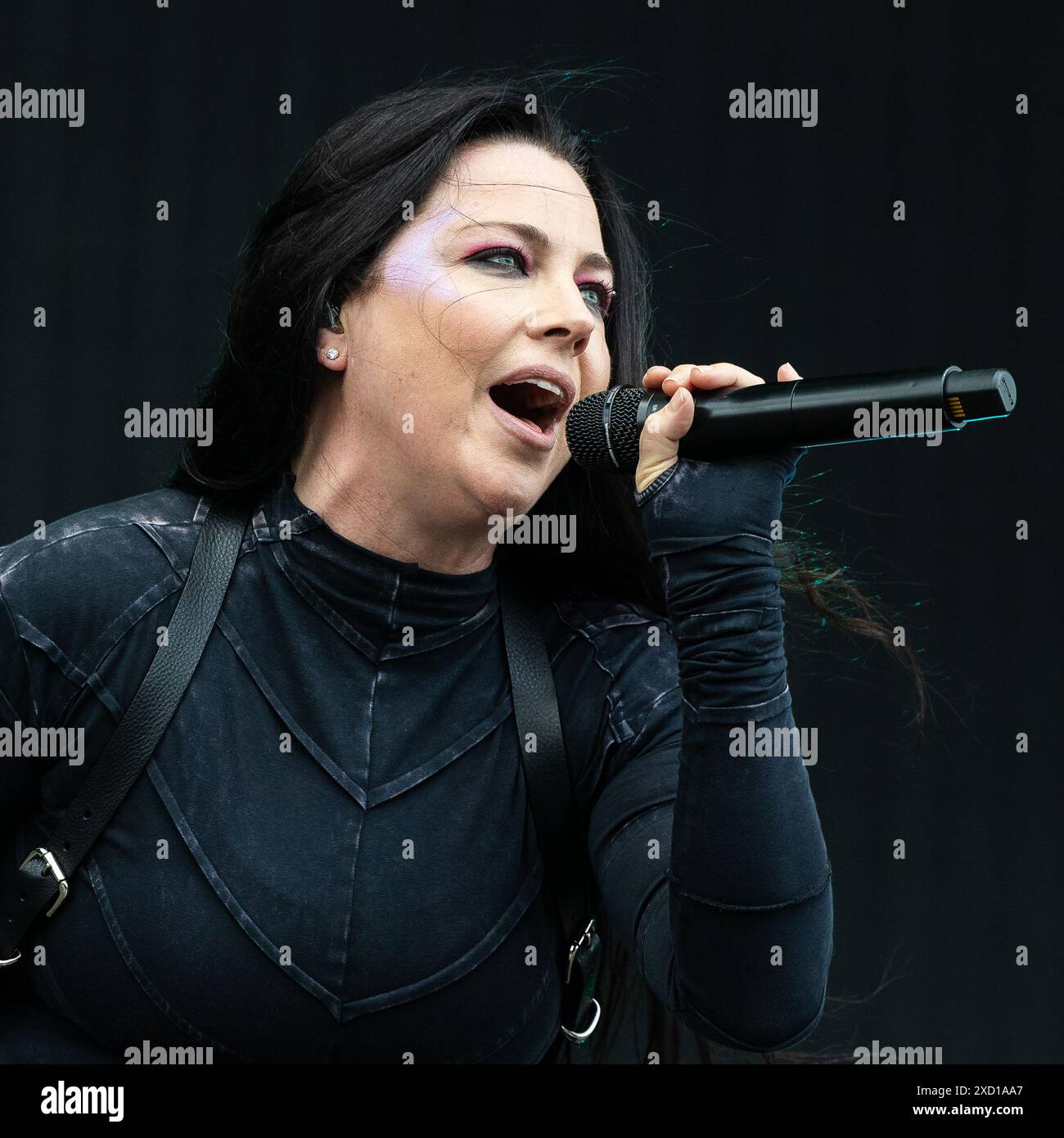
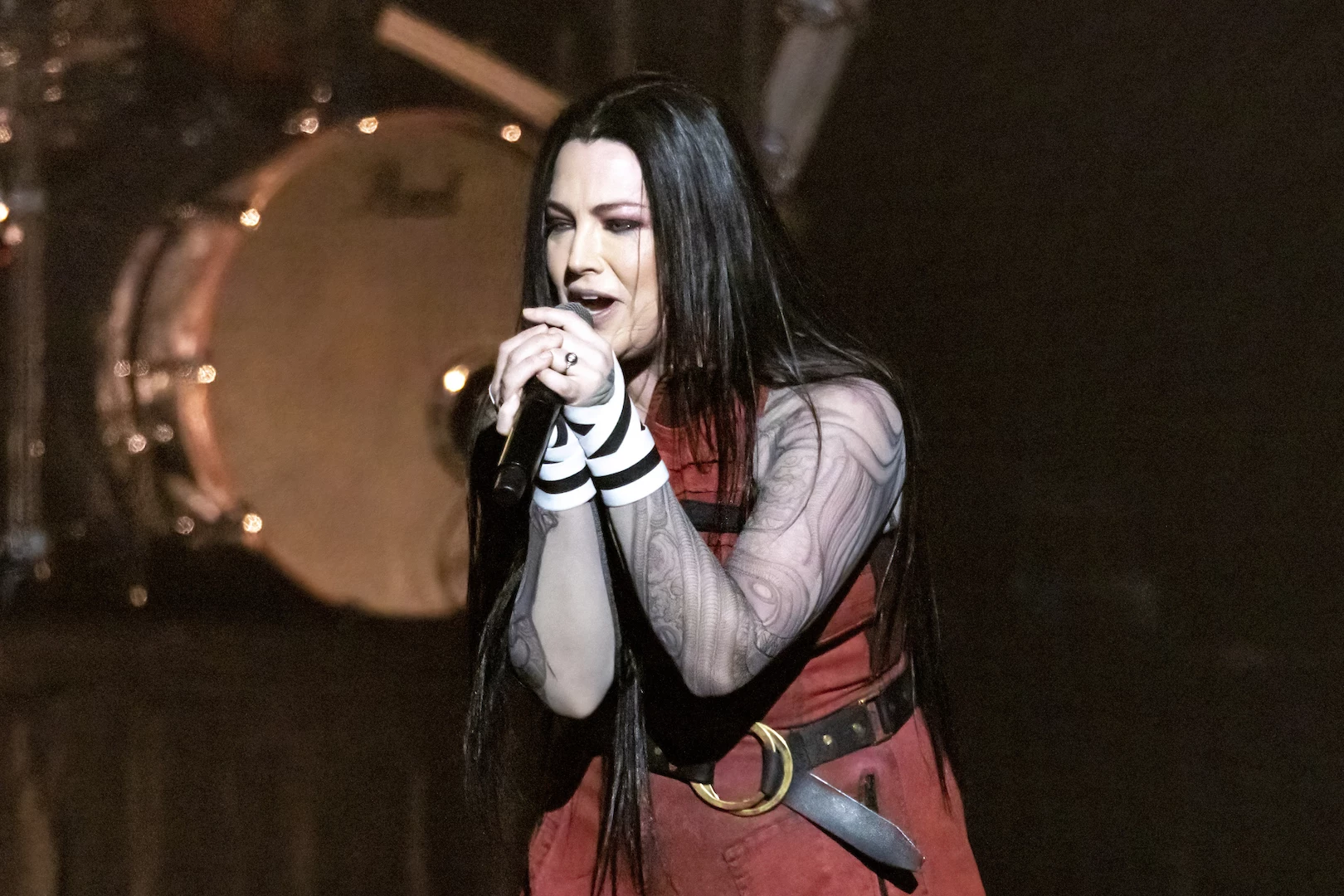
Amy Lee is the co-founder, lead vocalist, primary songwriter, and pianist of the Grammy Award-winning rock band Evanescence. Known for her expressive mezzo-soprano vocal range and classical piano training, Lee pioneered a signature sound blending symphonic orchestration, gothic rock, and heavy metal that has shaped modern alternative rock since the band's breakout release in 2003.
The Origins of Evanescence and Early Musical Foundations
Amy Lynn Lee was born in Riverside, California, and raised in several cities before her family settled in Little Rock, Arkansas. Her early childhood was deeply influenced by music, structured by nine years of classical piano lessons. Lee’s early classical training instilled a strong foundation in music theory, counterpoint, and classical composition, drawing inspiration from classical composers such as Johann Sebastian Bach, Wolfgang Amadeus Mozart, and Ludwig van Beethoven, alongside contemporary rock acts like Soundgarden, Nirvanar, Björk, and Nine Inch Nails.
In July 1994, Lee met guitarist Ben Moody at a youth camp in Arkansas. The two began collaborating, combining Lee’s classical keyboard arrangements and dynamic vocal style with Moody’s heavy guitar riffs. Operating under the name Evanescence, they produced early independent extended plays (EPs)—including Evanescence (1998) and Sound Asleep (1999)—as well as the demo album Origin (2000). These early recordings attracted regional radio airplay and set the stage for their commercial signing with Wind-up Records.
- Early Foundations (1994–2002)
- Classic Piano Training & Compositional Background
- Formation with Ben Moody in Little Rock, Arkansas
- Independent EPs: Evanescence (1998), Sound Asleep (1999), Origin (2000)
The band’s major-label debut album, Fallen, released in March 2003, became a global commercial juggernaut. Driven by hit singles such as "Bring Me to Life," "My Immortal," "Going Under," and "Everybody's Fool," Fallen sold over 17 million copies worldwide and earned the band two Grammy Awards in 2004: Best New Artist and Best Hard Rock Performance. Following Moody’s departure during the European tour in late 2003, Lee stepped forward as the sole primary creative force and leader of Evanescence, establishing a legacy of artistic evolution across subsequent decades.
Musical Style, Vocal Artistry, and Compositional Philosophy
Amy Lee’s musical work is characterized by a seamless blend of classical sophistication and rock intensity. Rather than treating key instruments as secondary rhythm backings, Lee uses the piano as a principal melodic engine, creating dramatic contrasts against downtuned, heavy electric guitars and orchestral strings.
Vocal Technique and Characteristics
Lee is widely recognized as a lyric mezzo-soprano possessing a vocal range spanning over three octaves. Her singing style avoids standard pop embellishments, relying instead on clean phrasing, broad dynamic control, and vocal belting backed by operatic breath support.
- Dynamic Contrast: She frequently alternates between delicate, breathy lower register passages and soaring, high-volume upper-register belting.
- Vocal Layering: In studio recordings, Lee constructs intricate vocal arrangements, layering multiple harmony tracks, counter-melodies, and choral-style backings performed entirely by herself.
- Vocal Maintenance: Her live performances reflect rigorous technique designed to protect vocal cord health while performing high-intensity rock sets across long tour cycles.
Compositional Structure and Lyricism
As a songwriter, Lee builds compositions using dark, minor-key chord progressions paired with cinematic arrangements. Her lyrical themes often examine psychological vulnerability, grief, personal autonomy, betrayal, emotional resilience, and self-discovery.
Compositional Pillars:
- Minor-Key Harmonic Foundations (Piano/Strings)
- High-Contrast Dynamics (Ambient Verse to Heavy Chorus)
- Layered Vocal Harmonies & Counterpoint
- Introspective and Resilient Lyrical Themes
Her approach to song architecture contrasts standard verse-chorus formats by integrating orchestral interludes, changing time signatures, and operatic climaxes, establishing a template that heavily influenced the development of 2000s symphonic metal and gothic rock.
Evanescence Discography and Album Eras
Over more than two decades, Evanescence’s catalog has evolved across distinct sonic phases, moving from polishednu-metal/gothic rock to symphonic experimentation and modern alternative metal.
| Album Title | Release Year | Primary Sound / Production Focus | Notable Tracks | Key Milestone / Certification |
|---|---|---|---|---|
| Fallen | 2003 | Nu-metal fused with classical piano and string arrangements | "Bring Me to Life", "My Immortal", "Going Under" | Diamond certification (RIAA); 2 Grammy Awards |
| The Open Door | 2006 | Gothic rock, heavy orchestration, intricate vocal harmonies | "Call Me When You're Sober", "Lithium", "Sweet Sacrifice" | Debuted at #1 on US Billboard 200; Grammy nominated |
| Evanescence | 2011 | Hard rock, industrial textures, band-driven collaborative sound | "What You Want", "My Heart Is Broken", "Lost in Paradise" | Debuted at #1 on Billboard 200; aggressive guitar focus |
| Synthesis | 2017 | Full orchestral reimagining with electronic music production | "Imperfection", "Hi-Lo", reworked legacy catalog | Recorded with full orchestra conducted by David Campbell |
| The Bitter Truth | 2021 | Modern alternative metal, grunge influences, direct political/personal lyricism | "Wasted on You", "Use My Voice", "Better Without You" | First album of all-new original band material in a decade |
Deep Dive into Key Album Eras
The Open Door (2006)
Following the immense success of Fallen, Lee took complete creative control for The Open Door, co-writing the album with guitarist Terry Balsamo. The record expanded the band’s classical scope, incorporating choir arrangements recorded at the Chapel Studios in Los Angeles, complex polyrhythms, and more aggressive piano hooks. Tracks like "Lithium" and "Sweet Sacrifice" highlighted her growing mastery of dark, theatrical alternative rock.
Synthesis (2017)
Synthesis represented a major conceptual departure. Lee stripped away traditional rock drums and distorted guitars, reinterpreting Evanescence’s signature tracks using a full studio orchestra combined with synth-wave electronic beats. Arranged by veteran composer David Campbell, the album highlighted Lee’s technical capabilities as an arranger and pianist, supported by a world tour alongside live symphony orchestras.
The Bitter Truth (2021)
Returning to heavy guitar-driven rock, The Bitter Truth showcased a raw, unpolished sonic character. Produced by Nick Raskulinecz, the album addressed themes of personal loss, mental health challenges, and social disillusionment. Tracks like "Use My Voice" featured guest backing vocals from prominent women in rock, reinforcing Lee's commitment to empowerment and artistic independence.
Solo Work, Film Scoring, and Strategic Collaborations
Beyond her work with Evanescence, Amy Lee has developed a substantial solo portfolio spanning film scoring, independent singles, and high-profile guest features across diverse musical genres.
- Amy Lee's Extended Projects
- Film Scores & Soundtracks ("Aftermath" / War Story, Voice from the Stone)
- Guest Collaborations (Bring Me The Horizon, Korn, Halestorm, Lindsey Stirling)
- Children's & Independent Albums (Dream Too Much)
Film Scoring and Independent Soundtracks
Lee’s background in classical composition led directly into film scoring. In 2014, she collaborated with composer Dave Eggar to produce the soundtrack album Aftermath for the independent film War Story. The score relied heavily on dark ambient textures, low-frequency electronics, and cello, demonstrating her ability to compose outside the boundaries of mainstream rock structures.
In 2017, she composed and performed the song "Speak to Me" for the film Voice from the Stone, recording the track at the famous Studio C of the Synthesizer Museum in Italy using historic acoustic pianos and vintage synthesis tools.
High-Profile Guest Features and Collaborations
Lee has frequently lent her distinct vocals to other major acts in metal, rock, and electronic music:
- Korn (2007): Performed an acoustic duet of "Freak on a Leash" for MTV Unplugged: Korn, which became a major radio single.
- Seether (2004): Featured on the acoustic duet version of "Broken," which achieved top 20 success on the Billboard Hot 100.
- Bring Me The Horizon (2020): Co-wrote and contributed vocals to "One Day the Only Butterflies Left in the Series Will Be in Your Chest" on the EP Post Human: Survival Horror.
- Halestorm (2020): Partnered with Lzzy Hale on a reimagined version of Halestorm's "Break In."
- Lindsey Stirling (2018): Co-headlined a summer tour and featured on Stirling's track "Love Goes On and On" (2022).
Children's Music Project: Dream Too Much (2016)
Demonstrating her creative range, Lee released an acoustic children's album titled Dream Too Much in 2016. Inspired by her son and executed as a family project alongside her father, uncle, and siblings, the album featured original children's folk tunes alongside covers of classic songs, receiving praise for its musicality and gentle delivery.
Equipment, Stage Setup, and Studio Workflow
Amy Lee's sound depends on specific studio equipment, keyboard rigs, and recording techniques that bridge acoustic warmth with industrial digital precision.
Keyboards and Grand Pianos
In both live environments and studio sessions, Lee selects instruments that offer rich acoustic resonance and heavy key resistance suitable for classical execution.
- Grand Pianos: Lee frequently performs on Yamaha C7 and Baldwin grand pianos in studio settings. On stage, custom grand piano shells house high-end digital controllers.
- Digital Synthesizers & MIDI Workstations: For live performances, she utilizes Roland RD-series stage pianos and Kurzweil sound modules mapped to control synthesized pads, string layers, and organ patches seamlessly.
- Virtual Instruments (VSTs): When scoring, Lee works within digital audio workstations (DAWs) like Pro Tools and Logic Pro, employing sample libraries from orchestral developers such as Spitfire Audio, Orchestral Tools, and Heavyocity.
Microphones and Studio Vocal Signal Chains
To capture her wide dynamic range without digital distortion, recording engineers use high-grade tube condenser microphones paired with analog preamps:
- Vocal Microphones: Neumann U 87 and Telefunken ELA M 251 condenser microphones are standard choices for her studio vocal tracking, capturing fine high-frequency detail while preserving body in her mid-range register.
- Signal Processing: Studio chains typically run through vintage Neve 1073 preamplifiers followed by subtle compression via Teletronix LA-2A or Universal Audio 1176 units to manage sudden dynamic transitions.
Frequently Asked Questions About Amy Lee
Is Amy Lee classically trained on the piano?
Yes, Amy Lee completed nine years of classical piano instruction during her youth. Her classical foundation remains a central element of her songwriting, arrangement choices, and performance style in Evanescence and her solo film scoring projects.
What vocal range does Amy Lee possess?
Amy Lee is a lyric mezzo-soprano with a vocal range spanning more than three octaves (approximately C3 to E6). She is recognized for combining operatic head voice techniques with powerful chest voice belting.
Did Amy Lee compose the soundtrack for any movies?
Yes, Lee co-composed the soundtrack album Aftermath for the 2014 film War Story alongside composer Dave Eggar. She also composed and recorded the original end-title song "Speak to Me" for the 2017 feature film Voice from the Stone.
What Grammys has Evanescence won under Amy Lee's leadership?
Evanescence won two Grammy Awards in 2004 following the success of their album Fallen: Best New Artist and Best Hard Rock Performance (for the breakout hit single "Bring Me to Life").
Is Amy Lee the only original member remaining in Evanescence?
Yes, Amy Lee is the sole remaining founding member of Evanescence. She has led the band through several lineup shifts, maintaining creative direction as principal songwriter, vocalist, and bandleader throughout its history.
Essential Listening and Strategic Next Steps for Fans
To fully appreciate the depth of Amy Lee's musical trajectory, listeners should explore key works across her discography that demonstrate her range beyond mainstream radio hits:
- Classical & Rock Fusion: Listen to "Lithium" (The Open Door) and "Lost in Paradise" (Evanescence) to hear how classical piano foundations anchor heavy alternative rock compositions.
- Orchestral Experimentation: Listen to Synthesis in its entirety, paying close attention to the symphonic reimaginings of "Lacrymosa" and "Imperfection."
- Film Scoring & Instrumental Depth: Explore the soundtrack Aftermath (2014) to experience her ambient, non-rock compositional techniques.
- Modern Heavy Rock: Stream The Bitter Truth (2021), particularly "Wasted on You" and "Better Without You," to analyze her modern vocal production and mature songwriting themes.