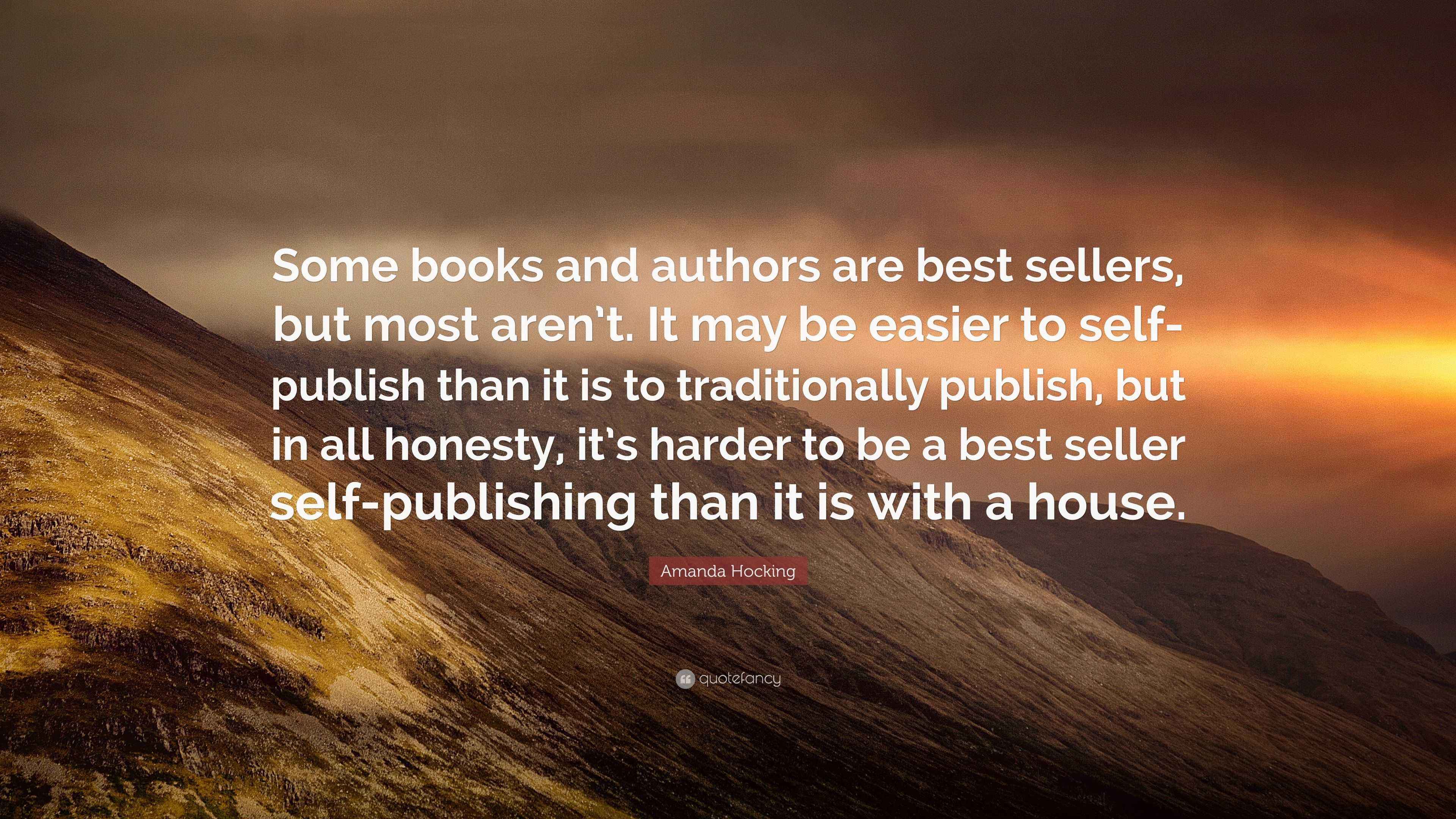
Amanda Hocking is widely recognized as the seminal figure who transformed self-publishing from a niche hobby into a viable, lucrative career path for fiction writers. By leveraging digital platforms to reach millions of readers without the gatekeeping of traditional publishing houses, she proved that independent authors could achieve mainstream success, dominate bestseller lists, and dictate their own creative terms.
The Catalyst for a Publishing Revolution
In the early 2010s, the publishing landscape was rigid. Authors almost exclusively relied on literary agents and traditional publishing houses to reach a mass audience. Amanda Hocking, a writer from Minnesota, challenged this paradigm. Having received numerous rejections from traditional agents for her paranormal romance novels, she took the unconventional step of uploading her work directly to platforms like Amazon’s Kindle Direct Publishing (KDP).
Her success was not an accident; it was a masterclass in market awareness. By pricing her ebooks at $0.99, she incentivized impulse purchases from digital readers. This pricing strategy allowed her to gain visibility on bestseller lists, which in turn generated word-of-mouth momentum. Between 2010 and 2011, Hocking sold over a million copies of her works, effectively demonstrating that the middleman of traditional publishing was not the only route to commercial viability. Her trajectory forced the entire literary industry to acknowledge the "indie" movement, leading to shifts in how legacy publishers scouted talent and managed digital pricing.
Understanding the Self-Publishing Model
Self-publishing, as exemplified by Hocking’s career, involves an author taking on the responsibilities traditionally managed by a publisher. This includes editorial oversight, cover design, marketing, distribution, and price point management.
Key Components of the Indie Path
- Production Quality: To compete with traditional imprints, authors must source professional editing and cover design. Relying on "good enough" amateur work is a common pitfall that can limit an author's long-term success.
- Platform Independence: Indie authors are not beholden to a single house. They can use multiple platforms like Apple Books, Barnes & Noble Nook, and Kobo, or choose to go "exclusive" with Amazon via KDP Select to take advantage of page-read royalties through Kindle Unlimited.
- Direct-to-Consumer Marketing: Without a marketing department, the author must become a strategist. This involves managing mailing lists, engaging with reader communities on social media, and utilizing targeted advertising campaigns to keep backlist titles active.
Strategic Comparison: Traditional vs. Self-Publishing
When evaluating the path of a self-publishing author, it is helpful to contrast the mechanics of the indie model with the legacy model. The decision often hinges on an author's desire for creative control versus their interest in institutional support.
| Feature | Self-Publishing | Traditional Publishing |
|---|---|---|
| Creative Control | Full autonomy over content and art | Collaborative/Editorial oversight |
| Royalties | Higher percentage (typically 70%) | Lower percentage (typically 10-15%) |
| Time to Market | Immediate | 12 to 24 months |
| Upfront Costs | Borne by the author | Borne by the publisher |
| Distribution | Primarily digital/Print-on-demand | Physical bookstore shelf space |
While Hocking eventually signed a multi-million dollar deal with St. Martin's Press, her initial success was built entirely on her own capital and effort. This hybrid career path—starting as an indie and later navigating traditional deals—has since become a template for many contemporary authors looking to maximize their leverage and income.
Challenges Faced by Modern Self-Publishers
Despite the successes associated with figures like Amanda Hocking, the landscape in 2026 is significantly more saturated than it was in 2010. Today’s indie authors face unique hurdles that demand sophisticated business acumen.
Market Saturation
With hundreds of thousands of new titles published annually, discoverability is the primary challenge. Algorithms on platforms like Amazon are constantly shifting, requiring authors to maintain consistent release schedules. "Rapid release"—the strategy of publishing several books in a short window—is a common technique used to trigger these algorithms and keep an author’s name relevant.
The Cost of Professionalism
In the early days, minimal design and editing were often overlooked by early adopters. Today, readers expect bookstore-quality interior formatting, professional-grade cover art, and rigorous proofreading. The barrier to entry in terms of cost has risen, as an author must now invest upfront before earning a single royalty.
Marketing Burnout
One of the most persistent issues for independent writers is the divide between writing and marketing. Because the author is the entrepreneur, the time spent managing newsletters, SEO, and paid ad spend is time taken away from writing. Balancing these two roles is the most frequent cause of burnout among successful indie authors.
Practical Steps to Launch as an Indie Author
If you are following the path carved out by writers like Amanda Hocking, your focus must shift from writing to business management.
- Define Your Niche: Identify the specific genre (e.g., cozy mystery, high fantasy, space opera) that your work fits into. Readers in these niches have specific expectations regarding story structure and tropes.
- Invest in Core Assets: Before publishing, ensure your manuscript has been professionally edited and your cover is designed to match current genre standards. A cover that does not "sell" the book at a glance will fail regardless of the quality of the writing.
- Establish a Distribution Hub: Create an author website and an email list. In the age of shifting social media algorithms, a mailing list remains the only asset an author fully controls.
- Monitor Your Analytics: Use metadata, keyword research, and sales data to track which books perform best. Adjust your pricing and marketing based on what your specific audience responds to, rather than guessing.
Frequently Asked Questions
Is it still possible to achieve success as a self-published author today?
Yes, but the definition of success has evolved. While "overnight" fame is rare, thousands of authors generate a full-time income by focusing on building a loyal reader base and producing consistent, high-quality content within specific genres rather than chasing massive, singular hits.
Do I need to be exclusive to Amazon to succeed?
Not necessarily. While KDP Select provides access to the Kindle Unlimited reading pool, which can be lucrative for series writers, many authors find success by "going wide"—distributing through multiple retailers—to ensure their work is available to every reader regardless of their preferred device.
How much should I expect to spend on publishing a book?
Costs vary wildly based on the complexity of the project. A professional edit can range from $500 to $3,000, and quality cover art can range from $150 to $800. These are business investments; treat them as such, focusing on high-return areas like your book's "packaging."
What is the most important skill for a self-published author?
Beyond writing, the most critical skill is adaptability. The digital marketplace changes rapidly. Authors who are willing to learn new marketing platforms, analyze their sales data, and pivot their strategies based on market feedback consistently outperform those who focus only on the craft of writing.
Should I aim for a traditional deal after self-publishing?
That depends on your goals. Some authors seek traditional deals for the prestige, physical distribution, or the collaborative process of working with an editor. Others prefer the speed, creative control, and higher royalty rates of remaining independent. Both paths are valid; the choice should align with your specific financial and creative objectives.
Recommendation for New Authors
If you are just beginning, do not attempt to replicate the exact trajectory of early 2010s pioneers. Instead, prioritize the creation of a "series" or a "backlist." The most successful independent authors are those who provide readers with a steady stream of content, as it maximizes the lifetime value of every reader you acquire. Start by focusing on your craft, professionalize your presentation as your budget allows, and treat your writing career as a long-term business venture rather than a pursuit of instant viral success.