Alternative income ETFs are specialized exchange-traded funds designed to generate higher yields than traditional stocks or bonds by using non-traditional assets or sophisticated strategies such as covered calls, private credit exposure, and real assets. These funds aim to provide consistent cash flow while diversifying risk away from traditional interest-rate-sensitive fixed income.
The investment landscape of 2026 has seen a significant shift toward "yield-plus" strategies. As traditional 60/40 portfolios face challenges from structural inflation and evolving interest rate regimes, alternative income ETFs have moved from the periphery of institutional finance to a core component of many retail portfolios. These instruments allow individual investors to access complex institutional strategies—once reserved for hedge funds—through a liquid, transparent, and often cost-effective ticker.
What Defines an Alternative Income ETF?
At its core, an alternative income ETF is defined by its source of yield. While a standard equity ETF pays dividends from company earnings and a bond ETF pays interest from debt obligations, an alternative income ETF generates cash flow through secondary mechanisms. These mechanisms include the sale of option premiums, participation in private lending markets, or the ownership of cash-flow-heavy infrastructure and real estate assets.
The "alternative" label typically applies to the strategy rather than the underlying asset itself. For example, a fund that holds S&P 500 stocks but sells call options against them is categorized as an alternative income fund because its primary objective is harvesting option premiums rather than capturing the full capital appreciation of the index. This distinction is crucial for investors to understand, as it changes the risk-reward profile from a "growth" orientation to a "total return" or "current income" focus.
In the 2026 market, these funds are increasingly utilized as a hedge against volatility. Because many of these strategies—particularly those involving derivatives—thrive in sideways or slightly bearish markets, they provide a necessary buffer when traditional equity markets stall. However, they also introduce unique risks, such as capped upside and complex tax treatments, which require a detailed understanding before allocation.
The Evolution of Yield: Why Alternatives Matter in 2026
The surge in popularity of alternative income vehicles is a response to the "yield scarcity" and "duration risk" that characterized much of the early 2020s. By 2026, the financial industry has refined these products, moving past simple "buy-write" funds into more sophisticated "0DTE" (zero days to expiration) strategies and multi-asset income blends.
Investors today are using these ETFs to solve three primary problems:
- Inflation Protection: Many alternative income assets, such as Master Limited Partnerships (MLPs) and Real Estate Investment Trusts (REITs), have inherent links to inflation through cost-of-living adjustments or commodity pricing.
- Low Correlation: Strategies like managed futures or trend-following income often move independently of both the S&P 500 and the Bloomberg Aggregate Bond Index.
- Income Enhancement: For retirees or those living off dividends, these funds often provide distribution yields ranging from 7% to 12%—significantly higher than the 2% to 4% typically found in traditional dividend-growth stocks.
Primary Categories of Alternative Income ETFs
To navigate this space, investors must distinguish between the various "flavors" of alternative income. Each category reacts differently to market stressors like rising interest rates, economic recessions, or spikes in the VIX (Volatility Index).
Derivative-Income and Covered Call Strategies
Covered call ETFs, often referred to as "buy-write" funds, remain the most popular sub-sector of the alternative income market. These funds hold a basket of securities and "write" (sell) call options on those same securities. The premium collected from selling these options is then distributed to shareholders as income.
In 2026, the sophistication of these funds has increased. While older models sold monthly at-the-money (ATM) options, modern iterations often use daily or weekly options to capture more "time decay" (theta) and provide a more stable NAV (Net Asset Value). These strategies are ideal for "sideways" markets where stocks are not making large moves in either direction. The trade-off is that in a "bull" market, the ETF's upside is capped at the strike price of the options sold.
Business Development Companies (BDCs) and Private Credit
BDCs are essentially publicly traded venture capital or private equity firms that lend to small and mid-sized businesses. Because BDCs are required by law to distribute at least 90% of their taxable income to shareholders, they offer exceptionally high yields.
ETFs that aggregate BDCs allow investors to gain exposure to the "private credit" boom without the high minimums and lock-up periods of private funds. These ETFs are particularly sensitive to the credit cycle. If the economy enters a downturn in late 2026, the underlying companies in a BDC portfolio may struggle to repay their loans, leading to NAV erosion. Conversely, in a stable or growing economy, they offer some of the highest yields available in the ETF wrapper.
Energy Infrastructure and MLPs
Master Limited Partnerships (MLPs) primarily operate in the "midstream" energy sector, owning the pipelines and storage facilities that move oil and natural gas. These are high-capital-expenditure businesses that generate predictable, fee-based cash flows.
Investing in MLPs through an ETF wrapper is often preferred by retail investors because it avoids the complexity of K-1 tax forms. By 2026, many MLP ETFs have transitioned into C-Corp structures or multi-asset energy infrastructure funds, providing simplified 1099 reporting while maintaining the high distribution yields associated with energy transport.
Preferred Securities and Hybrid Instruments
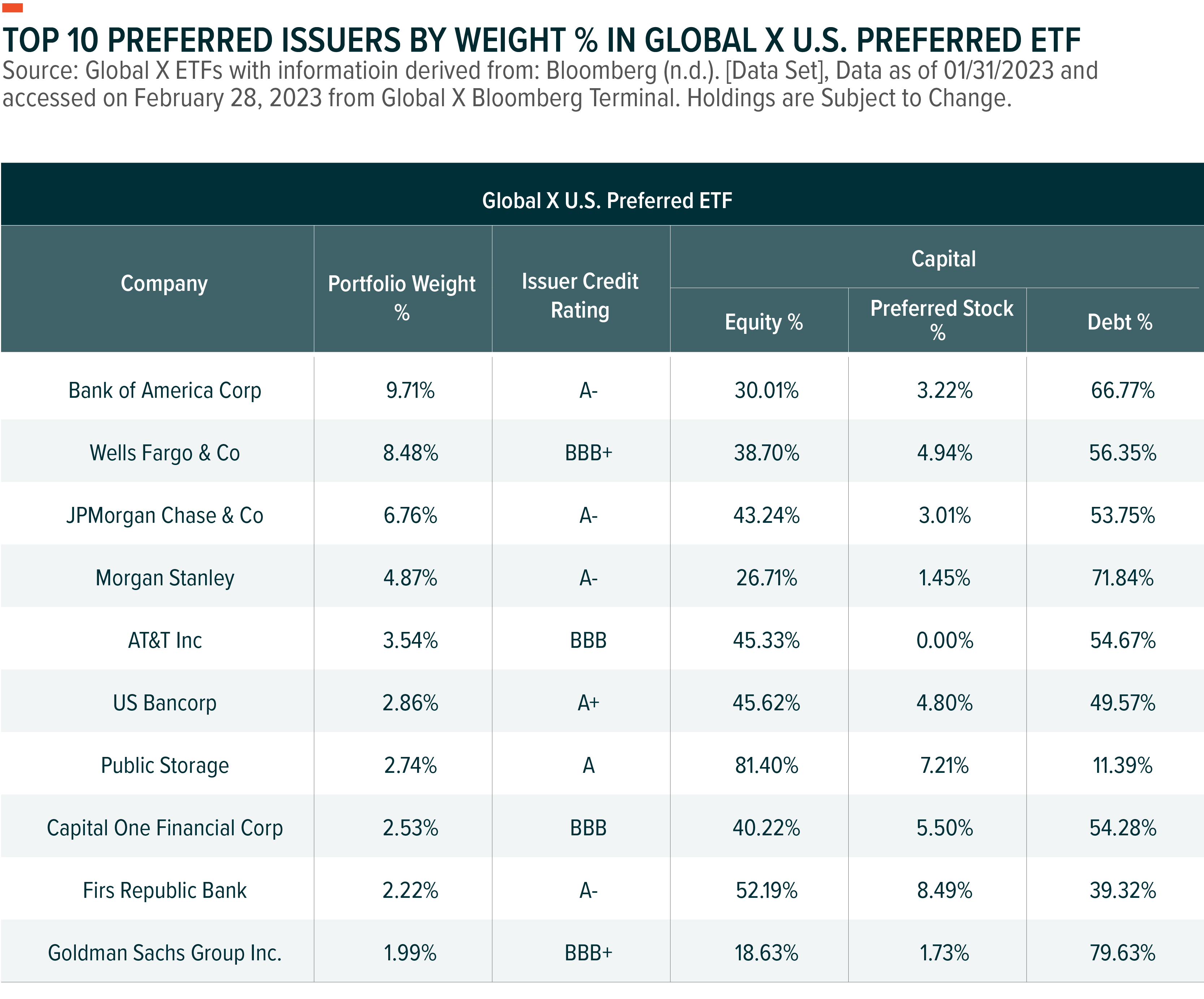
Preferred stocks occupy the "mezzanine" level of a company’s capital structure—sitting above common equity but below bonds. They pay fixed or floating dividends and have priority over common stockholders in the event of liquidation.
Alternative income ETFs in this space often focus on "variable rate" or "fixed-to-float" preferreds. In the 2026 interest rate environment, these are favored because they protect investors from the price drops typically associated with rising rates. If rates go up, the dividend payment on a floating-rate preferred stock adjusts upward, helping the ETF maintain its price stability.
Comparing Alternative Income Strategies
The following table outlines the key characteristics of the dominant alternative income strategies available in the 2026 ETF market.
| Strategy Type | Primary Income Source | Typical Yield Range | Risk Profile | Best Market Condition |
|---|---|---|---|---|
| Covered Call | Option Premiums | 7% – 12% | Moderate (Equity Risk) | Flat or Slightly Bullish |
| BDC / Private Credit | Interest on Private Loans | 8% – 11% | High (Credit Risk) | Economic Expansion |
| MLPs / Midstream | Energy Transport Fees | 5% – 8% | Moderate (Commodity/Reg) | Stable Energy Demand |
| Preferred Stock | Fixed/Floating Dividends | 5% – 7% | Low to Moderate | Stable Interest Rates |
| Managed Futures | Derivative Trading Profits | 4% – 9% | Moderate (Model Risk) | High Volatility/Trending |
| REITs (Specialized) | Rental Income / Leases | 4% – 7% | Moderate (Real Estate) | Low Inflation / Growth |
The Role of Derivatives in Modern Income Portfolios
Derivatives—options, futures, and swaps—are the "engine" behind many alternative income ETFs. Understanding how these function is essential for risk management. For example, some funds use "put-writing" strategies, where they sell put options and hold cash (or Treasuries) as collateral. This generates income in a similar way to covered calls but with a different risk profile during market crashes.
The concept of "Yield vs. Total Return" is critical here. An ETF might boast a 12% distribution yield, but if its underlying assets lose 15% of their value over the year, the investor’s total return is actually negative. This is often seen in funds that sell "In-The-Money" (ITM) options, which maximize immediate cash flow at the expense of the fund’s long-term share price. Investors in 2026 should prioritize funds that demonstrate "NAV stability"—the ability to pay out income without constantly shrinking the base price of the ETF.
Understanding Tax Implications and Distribution Types
Not all distributions are created equal. The tax treatment of the income produced by an alternative income ETF can significantly impact an investor's "after-tax" yield.
- Return of Capital (ROC): Common in MLPs and some covered call funds, ROC is not taxed in the year it is received. Instead, it lowers the investor’s cost basis in the ETF. Taxes are deferred until the ETF is sold, at which point the gain is taxed at capital gains rates. This is highly tax-efficient but requires careful record-keeping.
- Qualified Dividends: Some income from preferred stocks and equity-based ETFs may qualify for lower long-term capital gains tax rates rather than ordinary income rates.
- Ordinary Income: Most interest from BDCs and short-term capital gains from option writing are taxed at the investor’s highest marginal tax rate. This makes these funds better suited for tax-advantaged accounts like IRAs or 401(k)s.
Before investing, it is advisable to check the fund's 19a-1 notice, which provides a breakdown of whether a distribution is coming from earnings, realized gains, or a return of capital. Further information on investment taxation can be found through the IRS Publication 550.
Key Risks: NAV Erosion and Liquidity Concerns
While the allure of high yields is strong, alternative income ETFs carry specific risks that traditional bond funds do not.
The "Yield Trap" and NAV Erosion
The most significant risk is "destructive" return of capital. This occurs when a fund pays out more in distributions than it actually earns through its strategy, effectively handing the investor's own money back to them while charging a management fee. Over time, this leads to a declining share price (NAV erosion). Investors should compare the fund’s distribution rate to its total return over a 3-to-5-year period to ensure the strategy is sustainable.
Complexity and "Black Box" Risks
Some alternative ETFs use complex multi-leg option strategies or algorithmic trading. In periods of extreme market stress—such as a "flash crash"—these models may behave in unexpected ways. The lack of transparency in how some active managers adjust their "strike prices" or "expiration dates" can make it difficult for investors to predict how the fund will perform during a crisis.
Liquidity and Bid-Ask Spreads
While the ETF wrapper itself is liquid, the underlying assets (like small BDCs or obscure preferred shares) may not be. In a market panic, the gap between the buying and selling price (the bid-ask spread) of the ETF can widen significantly, making it expensive to exit a position quickly.
Portfolio Construction: How Much to Allocate?
In the 2026 investment environment, financial advisors often suggest a "satellite" approach to alternative income. This means keeping the majority of a portfolio in traditional low-cost index funds and high-quality bonds, while allocating 10% to 20% to alternative income ETFs to boost overall yield and reduce correlation.
When building an alternative income sleeve, diversification is key. Rather than putting all capital into a single high-yield covered call fund, an investor might split the allocation:
- 40% Covered Call ETFs (for equity-linked income)
- 30% BDC/Private Credit ETFs (for high-yield credit exposure)
- 20% Infrastructure/MLP ETFs (for inflation protection)
- 10% Managed Futures (for non-correlated volatility protection)
This "Income Ladder" approach ensures that if one sector (like energy) underperforms, the other sectors (like derivative income) can pick up the slack.
Frequently Asked Questions
Do alternative income ETFs pay out monthly?
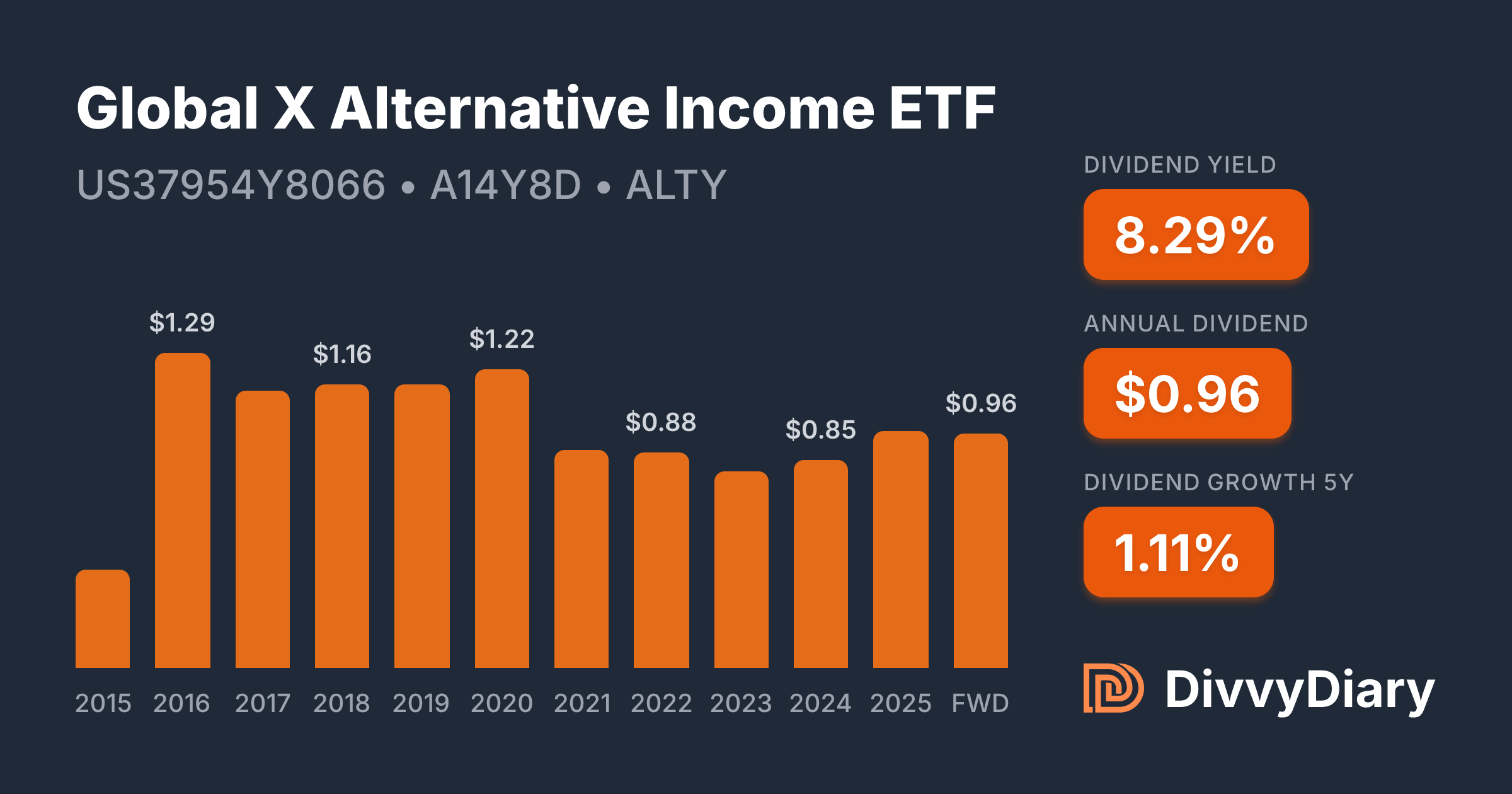
Yes, the vast majority of alternative income ETFs are structured specifically for investors seeking regular cash flow and therefore distribute payments on a monthly basis. This is a primary advantage over traditional stock ETFs, which typically pay quarterly, or individual bonds, which pay semi-annually.
Are these funds safer than high-yield "junk" bonds?
Not necessarily. While alternative income ETFs provide diversification, they often take on equity risk or derivative risk that junk bonds do not. For example, a covered call ETF will still drop significantly if the stock market crashes, whereas high-yield bonds might be slightly more resilient depending on interest rate movements and credit spreads. They are different risks, not necessarily "safer" ones.
How do management fees (Expense Ratios) compare?
Alternative income ETFs are generally more expensive than "passive" index funds. While an S&P 500 tracker might cost 0.03%, an alternative income ETF typically charges between 0.35% and 1.00%. This higher fee accounts for the active management, derivative expertise, and transaction costs involved in running complex strategies.
Can I lose my principal investment in an alternative income ETF?
Absolutely. These are not guaranteed products. Like any ETF, the share price can go to zero if the underlying assets fail. Furthermore, the "upside cap" on many of these funds means that they may not recover from a crash as quickly as a standard index fund would, as their gains are limited by the options they sell.
Next Actions for Investors
To begin incorporating alternative income ETFs into your strategy, first identify your primary goal: Is it maximizing current cash flow, or protecting against inflation?
- Audit Your Current Yield: Determine your portfolio’s current weighted average yield.
- Research Fund Sustenance: Look at the "Total Return" chart of a prospective ETF, not just its "Dividend Yield." Ensure the share price has remained relatively stable over the last 24 months.
- Check the Wrapper: Ensure you understand the tax implications of the specific fund, especially if holding it in a taxable brokerage account.
- Start Small: Allocate a small percentage (e.g., 2-5%) to a single category like covered calls to observe how it behaves during different market cycles before expanding your alternative income sleeve.
For further regulatory guidance on the risks of complex ETFs, refer to the FINRA Investor Alert on Exchange-Traded Funds.