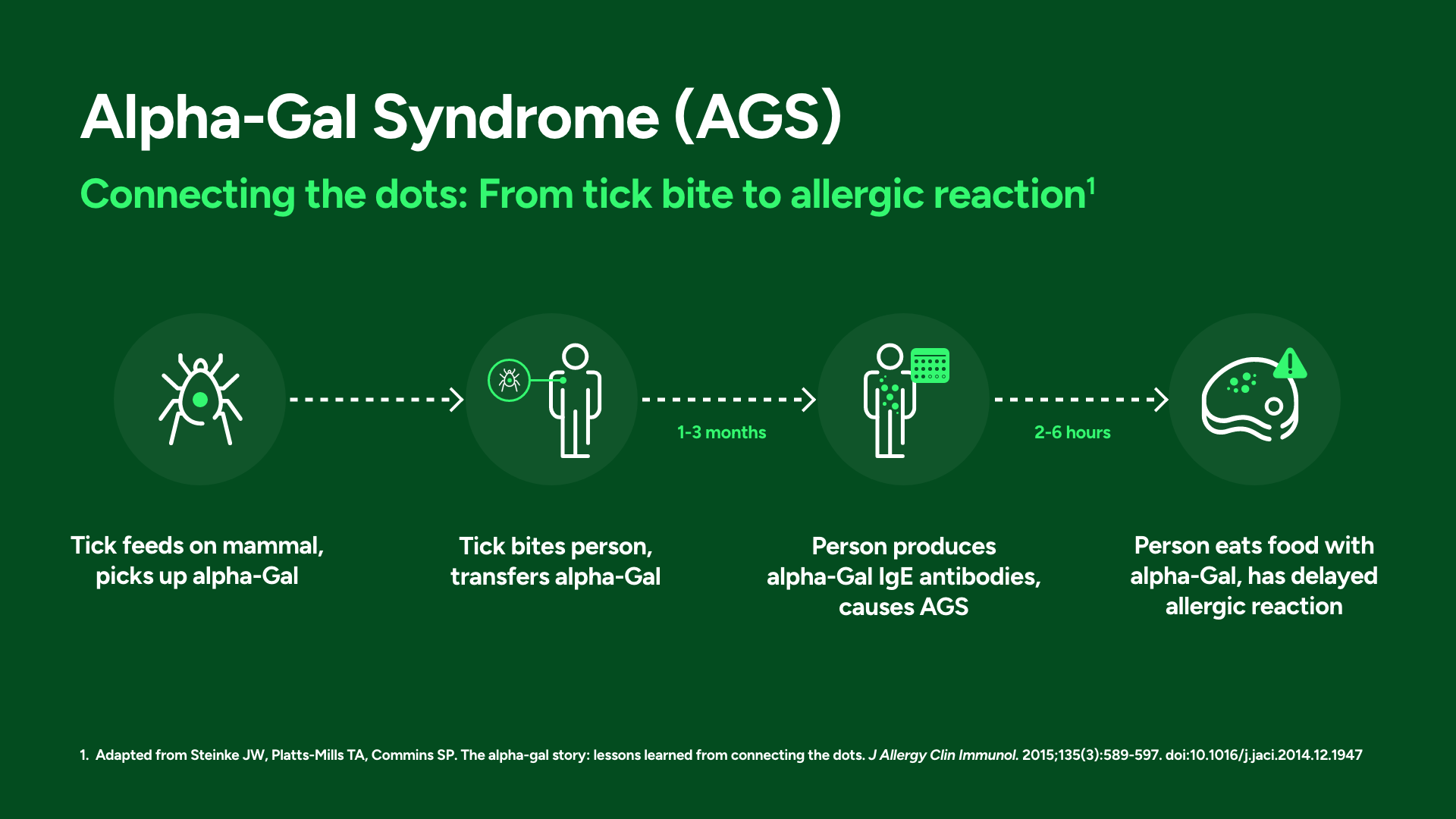
While Alpha-gal Syndrome (AGS) is rarely fatal when identified and managed, it can cause life-threatening anaphylaxis leading to death. Most fatalities associated with AGS occur due to severe respiratory distress or cardiovascular collapse during an anaphylactic episode, often complicated by the syndrome's unique delayed reaction time, which can postpone emergency treatment. Understanding the triggers, symptoms, and emergency protocols is essential for preventing the most severe outcomes of this tick-borne allergy.
Alpha-gal Syndrome is a serious, potentially life-threatening allergic condition. Unlike most food allergies, which are reactions to proteins and occur almost immediately, AGS is a reaction to a carbohydrate called galactose-alpha-1,3-galactose (alpha-gal). This sugar molecule is found in most mammals but is absent in humans, apes, and Old World monkeys. The allergy is typically triggered by the bite of a Lone Star tick (Amblyomma americanum), which injects the alpha-gal molecule into the human bloodstream, sensitizing the immune system.
As of 2026, the prevalence of AGS continues to rise globally, particularly in the United States. While the vast majority of patients manage the condition through strict dietary and lifestyle changes, the risk of mortality remains a critical concern for healthcare providers and patients alike.
The Mechanism of Fatality in Alpha-gal Syndrome
The primary cause of death in Alpha-gal Syndrome is anaphylaxis. Anaphylaxis is a systemic, acute allergic reaction that involves multiple organ systems. In the context of AGS, the fatality usually stems from one of two physiological failures:
- Asphyxiation: Severe swelling of the airway (angioedema) can block the passage of oxygen to the lungs. This includes swelling of the tongue, throat, and uvula.
- Circulatory Collapse: Also known as "anaphylactic shock," this occurs when blood vessels dilate excessively, causing a sudden and dramatic drop in blood pressure. This prevents vital organs from receiving enough oxygenated blood, leading to organ failure or cardiac arrest.
What makes AGS particularly dangerous compared to a peanut or shellfish allergy is the delayed onset. In traditional allergies, symptoms appear within minutes. In AGS, the reaction typically occurs 3 to 8 hours after the ingestion of mammalian products. This delay often means the patient is asleep or far from medical help when the reaction begins, significantly increasing the risk that a severe episode will become fatal before intervention can occur.
Hidden Risks and Medical Triggers
While red meat (beef, pork, lamb) is the most well-known trigger, deaths and near-fatalities have been linked to less obvious exposures. In a clinical setting, certain medical products contain high concentrations of alpha-gal and can trigger immediate, severe reactions because they are introduced intravenously or surgically, bypassing the slow digestive process.
Cetuximab and Monoclonal Antibodies
One of the earliest discoveries of AGS involved the cancer drug Cetuximab. Patients with pre-existing alpha-gal antibodies experienced immediate anaphylaxis upon their first infusion. Because the drug is administered directly into the bloodstream, the reaction is not delayed, and without immediate recognition, it can be fatal.
Heparin and Biological Implants
Heparin, a common blood thinner, is often derived from porcine (pig) intestinal mucosa. While many AGS patients tolerate standard doses, some highly sensitive individuals may react. More concerning are bioprosthetic heart valves derived from pigs or cows. There are documented cases of patients developing severe systemic inflammation or valve failure due to the immune system attacking the alpha-gal present in the graft, which can lead to long-term cardiac complications or death if not addressed.
Gelatin-Based Products
Gelatin is derived from animal collagen and is a potent source of alpha-gal. It is found in many vaccines, intravenous fluids (like gelatin-based plasma expanders), and thousands of over-the-counter and prescription medications (in the form of capsules). For a highly sensitized individual, a high-dose gelatin exposure can trigger a rapid and severe reaction.
Identifying the Warning Signs of a Fatal Reaction
Prevention of death requires recognizing the transition from a "mild" reaction to a life-threatening emergency. AGS symptoms often start with itching or hives (urticaria), but they can progress rapidly.
- Gastrointestinal Distress: Many AGS patients experience severe abdominal pain, cramping, vomiting, and diarrhea. In some cases, these are the only symptoms, which can lead to a misdiagnosis of food poisoning or appendicitis while the patient’s blood pressure is silently dropping.
- Respiratory Involvement: Shortness of breath, wheezing, or a "tightness" in the chest are signs that the airway is becoming compromised.
- Neurological Signs: A feeling of "impending doom," confusion, or sudden extreme dizziness (syncope) often precedes a loss of consciousness due to falling blood pressure.
Statistical Overview and Comparison
The following table highlights the differences between Alpha-gal Syndrome and typical IgE-mediated protein allergies, illustrating why AGS poses unique challenges for mortality prevention.
| Feature | Alpha-gal Syndrome (AGS) | Traditional Food Allergy (e.g., Peanuts) |
|---|---|---|
| Trigger Molecule | Carbohydrate (Sugar) | Protein |
| Reaction Time | 3 to 8 hours (Delayed) | Seconds to 30 minutes (Immediate) |
| Primary Source | Mammalian products (Meat, Dairy, Gelatin) | Legumes, Shellfish, Eggs, Nuts |
| Typical Initial Symptom | Often GI pain or hives | Itching, hives, or lip swelling |
| Risk of Anaphylaxis | High (Up to 60% of cases) | Varies by allergen |
| Diagnosis | sIgE to Alpha-gal blood test | Skin prick or sIgE to specific proteins |
| Fatality Risk Factor | Delayed onset / Nocturnal episodes | Accidental ingestion / High sensitivity |
Factors That Increase the Risk of Death
Not every person with AGS is at equal risk for a fatal outcome. Several "cofactors" can lower the threshold for a severe reaction or exacerbate the body's response to the allergen.
- Alcohol Consumption: Alcohol increases gut permeability and can speed up the absorption of the alpha-gal molecule, potentially leading to a faster and more severe reaction.
- Physical Exercise: Strenuous activity shortly after a meal can trigger "exercise-induced anaphylaxis" in AGS patients, where a meal that might have caused only hives instead leads to full systemic shock.
- Age and Comorbidities: Older adults or those with pre-existing cardiovascular disease or asthma are less likely to survive the physiological stress of anaphylaxis.
- Repeated Tick Bites: Continued exposure to tick bites can "re-prime" the immune system, causing alpha-gal antibody levels (sIgE) to spike, which often correlates with increased sensitivity and reaction severity.
Prevention and Emergency Protocols
To prevent deaths from Alpha-gal Syndrome, patients must adopt a multi-layered safety strategy. In 2026, the standard of care involves both strict avoidance and emergency preparedness.
1. The Alpha-gal Elimination Diet
The most effective way to prevent death is to avoid the trigger entirely. This includes:
- Eliminating all mammalian meat (beef, pork, lamb, venison, rabbit, etc.).
- Scrutinizing labels for "hidden" mammalian ingredients like lard, tallow, magnesium stearate (if animal-derived), and gelatin.
- In highly sensitive cases, eliminating dairy products (milk, cheese, butter) and "fumes" from cooking meat.
2. Epinephrine: The Only Life-Saving Treatment
Antihistamines and steroids cannot stop an anaphylactic reaction; they only manage secondary symptoms. Epinephrine (delivered via an auto-injector like an EpiPen, Auvi-Q, or generic equivalent) is the only medication capable of reversing the symptoms of anaphylaxis by constricting blood vessels and opening the airways.
Patients diagnosed with AGS should carry two epinephrine auto-injectors at all times. If a reaction occurs, the medication should be administered at the first sign of respiratory distress or systemic involvement. Following administration, the patient must be transported to an emergency room, as "rebound" reactions can occur once the epinephrine wears off.
3. Medical Identification
Because of the delayed nature of AGS, a patient may lose consciousness while alone or away from home. Wearing a medical alert bracelet that specifies "Alpha-gal Allergy" or "No Mammalian Products/No Heparin" can provide critical information to first responders and ER physicians who might otherwise administer medications containing animal-derived components.
The Role of Tick Prevention
Since Alpha-gal Syndrome is an acquired allergy, preventing additional tick bites is paramount. Continued bites from Lone Star ticks can keep antibody levels dangerously high. Individuals in endemic areas should use EPA-registered repellents containing DEET or Picaridin and treat outdoor clothing with Permethrin. Regular tick checks and the prompt, correct removal of ticks using fine-tipped tweezers can reduce the likelihood of the tick injecting the saliva that contains the alpha-gal sensitizing agents.
According to research from organizations like the National Institutes of Health (NIH) and the Centers for Disease Control and Prevention (CDC), the expansion of the Lone Star tick's territory due to changing climate patterns has led to an increase in AGS cases in regions where it was previously unknown. Public health awareness is the primary tool for reducing the number of undiagnosed cases, which are the ones most at risk for fatal outcomes.
Frequently Asked Questions
Can you die from smelling meat if you have Alpha-gal Syndrome?
While extremely rare, some highly sensitized individuals report "fume-induced" reactions. These reactions are typically respiratory (asthma-like) rather than full anaphylaxis, but for someone with severe underlying asthma, any respiratory trigger can be life-threatening. Most AGS deaths, however, are linked to ingestion or injection rather than inhalation.
Why is the reaction to Alpha-gal delayed for several hours?
The delay is likely due to the way fats and carbohydrates are digested. Alpha-gal is often bound to lipids (fats) in meat. These lipids travel through the lymphatic system and take several hours to enter the bloodstream via chylomicrons. This slow "trickle" into the blood matches the 3-8 hour window typically seen in AGS reactions.
Is there a cure for Alpha-gal Syndrome in 2026?
There is no "cure" that allows a person to safely return to eating mammalian meat, but for some patients, antibody levels may naturally decline over several years if they avoid all further tick bites. However, this does not guarantee the allergy has disappeared, and re-introduction of meat should only be done under the strict supervision of an allergist.
Does every person with Alpha-gal Syndrome need an EpiPen?
Yes. Because the severity of a reaction can change without warning—where one meal causes minor hives and the next causes anaphylaxis—medical guidelines recommend that all patients with a confirmed AGS diagnosis have access to emergency epinephrine.
Can vaccines cause a fatal reaction in AGS patients?
Some vaccines contain gelatin as a stabilizer. While the amount is usually small, individuals who are highly sensitive to alpha-gal have experienced systemic reactions. It is vital to discuss your AGS diagnosis with your healthcare provider before receiving any immunization so they can check the specific excipients of the vaccine.
Practical Recommendations for Safety
If you or a loved one has been diagnosed with Alpha-gal Syndrome, take the following steps to minimize the risk of a fatal event:
- Consult a Specialist: Work with an allergist who is specifically familiar with AGS to determine your level of sensitivity.
- Audit Your Medicine Cabinet: Check all prescriptions and supplements for gelatin, magnesium stearate, or glycerin. Consult your pharmacist for animal-free alternatives.
- Prepare for Emergencies: Ensure you have an up-to-date epinephrine auto-injector and that your family members or coworkers know how to use it.
- Adopt a "Zero-Tolerance" Policy: Especially in the first year following diagnosis, avoid "cross-contamination" risks, such as food cooked on the same grill as beef or pork.
- Stay Vigilant Outdoors: Use Permethrin-treated gear and conduct thorough tick checks after being in wooded or grassy areas to prevent the "boosting" of your allergic response through new bites.
Disclaimer: This article is for informational purposes only and does not constitute medical advice. If you suspect you have Alpha-gal Syndrome or are experiencing an allergic reaction, seek immediate medical attention from a qualified professional.