Obtaining an Allstate auto insurance quote involves evaluating your specific coverage needs, driving history, and vehicle profile against the company’s tiered policy structure. By utilizing their online portal or consulting with a local agent, you can secure personalized rate estimates that factor in applicable discounts, deductible choices, and state-mandated coverage requirements to ensure your financial protection on the road.
Understanding the Allstate Insurance Model
Allstate operates as one of the largest personal lines insurers in the United States, utilizing a combination of independent agency networks and direct digital platforms to provide auto insurance. The company is structured to offer standardized base policies that are heavily customizable through endorsements, or "riders," and various discount programs.
In 2026, the insurance market remains highly sensitive to regional factors, including local repair costs, climate-related risks, and state-specific regulatory mandates. When you request a quote from Allstate, you are essentially asking for a risk assessment of your profile based on their proprietary actuarial data. This assessment translates into a premium—the amount you pay for coverage—which is influenced by both personal risk factors and broader economic trends.
Prerequisites for Getting an Accurate Quote
Before you begin the process of requesting a quote, you should gather specific documentation. Inaccurate data entry is the primary reason for discrepancies between an initial quote and the final premium offered at the time of purchase.
- Driver Information: Have the driver’s license numbers for all household members who will be listed on the policy. Allstate will run a motor vehicle report (MVR) to verify your driving record, including accidents and moving violations from the past three to five years.
- Vehicle Details: You will need the Vehicle Identification Number (VIN) for every car you intend to insure. The VIN allows the system to pull precise data regarding the vehicle’s safety features, trim level, and repair costs.
- Current Policy Declarations Page: If you are currently insured, have a copy of your existing "declarations page" ready. This document details your current limits, deductibles, and coverages. It serves as a benchmark for comparison and helps you determine if you are under-insured or over-insured.
- Estimated Annual Mileage: Provide a realistic estimate of how much you drive. Insurers view higher mileage as an increased exposure to risk.
The Mechanism of Auto Insurance Rates
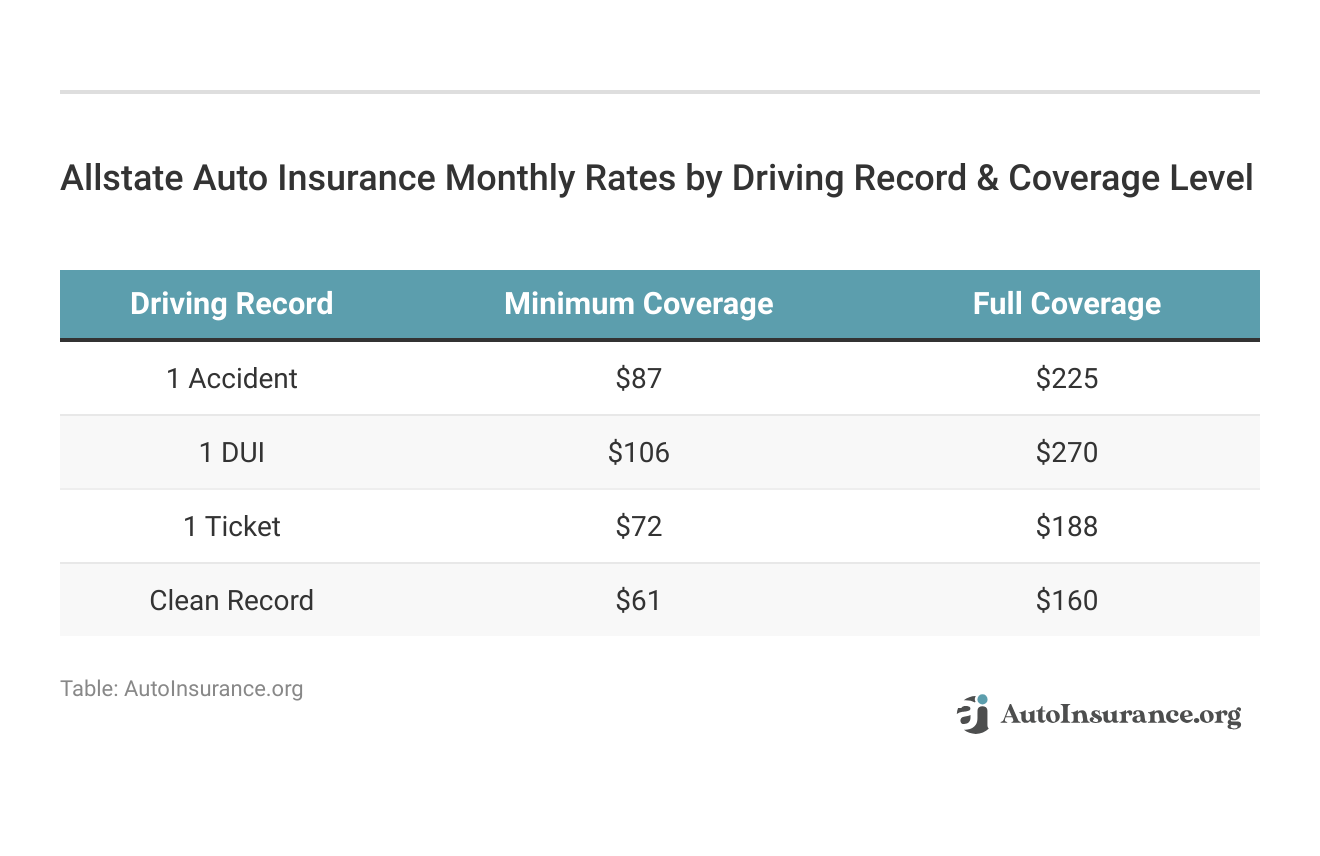
Insurance rates are not arbitrary; they are calculated using a complex set of variables that determine the probability of a claim. While individual factors like credit history (where permitted by law), age, and marital status play roles, Allstate’s rates are also influenced by their internal expense ratios and loss history.
- Coverage Limits: The higher your liability limits, the more you pay. However, lower limits provide less protection, which can lead to significant out-of-pocket costs in the event of a catastrophic accident.
- Deductibles: This is the amount you agree to pay out-of-pocket before insurance kicks in for a claim. Choosing a higher deductible lowers your premium but requires you to have the funds available in an emergency.
- Discounts: Allstate offers several pathways to lower rates. These include, but are not limited to, multi-policy discounts (bundling home and auto), safe-driving rewards, and discounts for students or military personnel.
Comparison of Coverage Levels
When evaluating quotes, it is essential to compare "apples to apples." The following table illustrates the standard tiers of coverage typically discussed during the quoting process.
| Coverage Type | Purpose | Financial Impact |
|---|---|---|
| Liability | Covers injuries and damage you cause to others. | Required by state law; protects personal assets. |
| Collision | Pays for damage to your car from an accident. | Optional unless you have a loan or lease. |
| Comprehensive | Covers theft, vandalism, fire, or weather damage. | Highly recommended for newer vehicles. |
| Uninsured Motorist | Protects you if the at-fault driver has no insurance. | Critical in states with high uninsured driver rates. |
| Personal Injury (PIP) | Covers medical bills for you and your passengers. | Varies by state; sometimes mandatory. |
Steps to Obtain and Verify a Quote
The process of securing an Allstate quote can be completed via their digital interface or through a dedicated agent. Using an agent is often preferable for individuals with complex assets or those who want a nuanced explanation of coverage gaps.
- Initiation: Access the official Allstate website or mobile application. Enter your zip code and basic vehicle information.
- Personalization: Complete the profile section. Be precise regarding your residence and the primary garaging address of the vehicle.
- Reviewing Coverage Options: The system will generate a "suggested" package. Do not simply accept this. Review each line item to determine if you need additional coverage like "Rental Car Reimbursement" or "Roadside Assistance."
- Finalizing the Quote: Once you have adjusted your limits and deductibles, the system will calculate a premium. Ensure this quote includes all applicable discounts you are eligible for, such as the "Safe Driving Bonus" or "Early Signing Discount."
- Verification: Before final binding, review the "summary of coverage" to confirm it matches the data you provided. If you identify a discrepancy, contact an agent immediately to rectify it, as an error at this stage can lead to a premium increase later during the underwriting verification process.
Common Factors That Influence Rate Changes
Even if your driving record remains clean, your rates may shift during the policy term or at renewal. In 2026, insurance companies are navigating higher costs for vehicle repairs due to the sophisticated sensors and computer hardware found in modern vehicles. These technological advancements—while safer—cost significantly more to replace or recalibrate after a collision.
Furthermore, state-level regulatory filings can impact rates. Insurance departments approve or deny rate increases based on the insurer's financial health and regional loss trends. If your rates increase at renewal, it is not necessarily due to a change in your personal behavior; it may be an industry-wide adjustment for your specific geography.
Managing Your Policy and Troubleshooting
Once your policy is active, it is essential to manage it effectively to prevent coverage lapses. If you find your premiums are consistently rising, consider the following actions:
- Annual Policy Reviews: At least 30 days before your policy renewal date, sit down with your agent to review your coverage. Your life circumstances may have changed, and you might no longer need certain types of coverage.
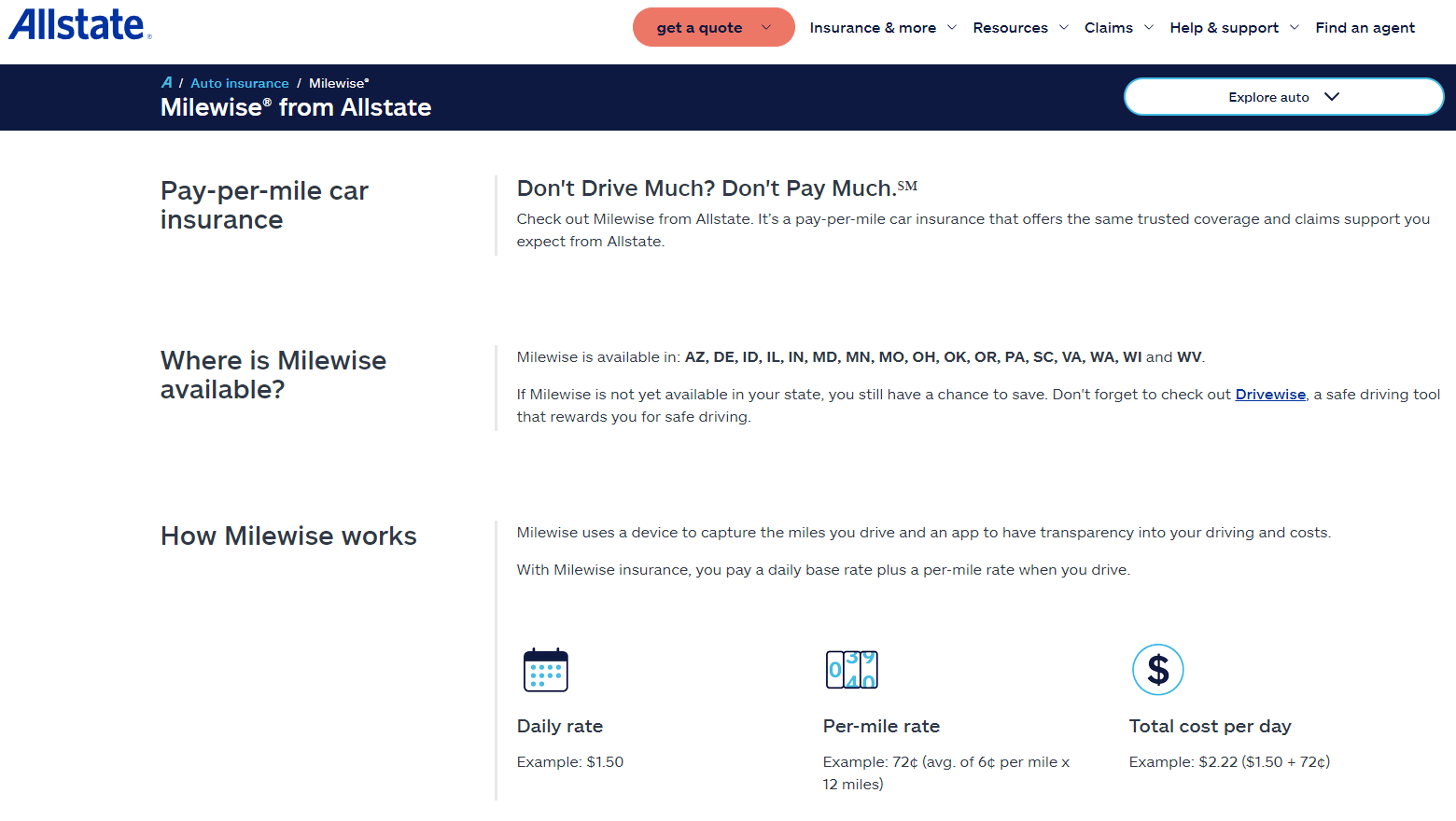
- Usage-Based Programs: If you are a safe driver, programs like Milewise or Drivewise may offer significant savings by monitoring your actual driving habits rather than relying on standard actuarial categories.
- Payment Schedules: Paying your annual premium in full rather than in monthly installments often nets a "paid-in-full" discount, which can reduce the total cost of your insurance.
If you encounter technical issues with the portal, ensure your browser is updated and your pop-up blockers are not interfering with document generation. If a quote is not generating, it may be due to incomplete data or a technical verification failure of your address or driver's license number; in such instances, speaking with a licensed agent is the fastest resolution.
Frequently Asked Questions
Does Allstate offer quotes that are guaranteed for a specific period? Quotes provided by Allstate are typically estimates based on current underwriting criteria. They are not permanent until the policy is bound and the first premium payment is processed. You should always confirm the effective date of the rate with your agent.
How does my credit score affect my Allstate auto insurance rate? In many jurisdictions, insurance companies use a credit-based insurance score to determine premiums. This is distinct from a traditional mortgage credit score and focuses on patterns of financial responsibility. You can ask your agent if your state allows the use of credit scores for rating purposes.
Can I get a lower rate by bundling my home and auto insurance? Yes, the multi-policy discount is one of the most substantial savings options offered by Allstate. By holding your homeowner's, renter's, or condo insurance with the same carrier as your auto insurance, you can often significantly reduce the premiums for both policies.
What should I do if my Allstate quote seems too high compared to competitors? Review your requested coverage limits and deductibles against those in the other quotes. Often, a "cheaper" quote from a competitor is lower because the coverage limits are significantly reduced. Ensure you are comparing equivalent deductibles and liability protections.
Is it possible to modify my Allstate coverage after the policy has started? Yes, you can adjust your coverages at any time. However, be aware that adding coverage will increase your premium, while removing coverage will lower it. Changes to your policy are subject to underwriting approval and state regulations.
Recommendation for Action
If you are currently evaluating your insurance options, begin by creating an account on the Allstate digital platform to save your information securely. Once you have a preliminary quote, schedule a brief consultation with a local agent. An agent can provide a manual review of your policy, ensuring you are not carrying unnecessary coverage while identifying potential gaps that could leave you financially vulnerable. Always verify that your final selected premium matches your budgetary goals and coverage expectations before hitting the "bind" button.