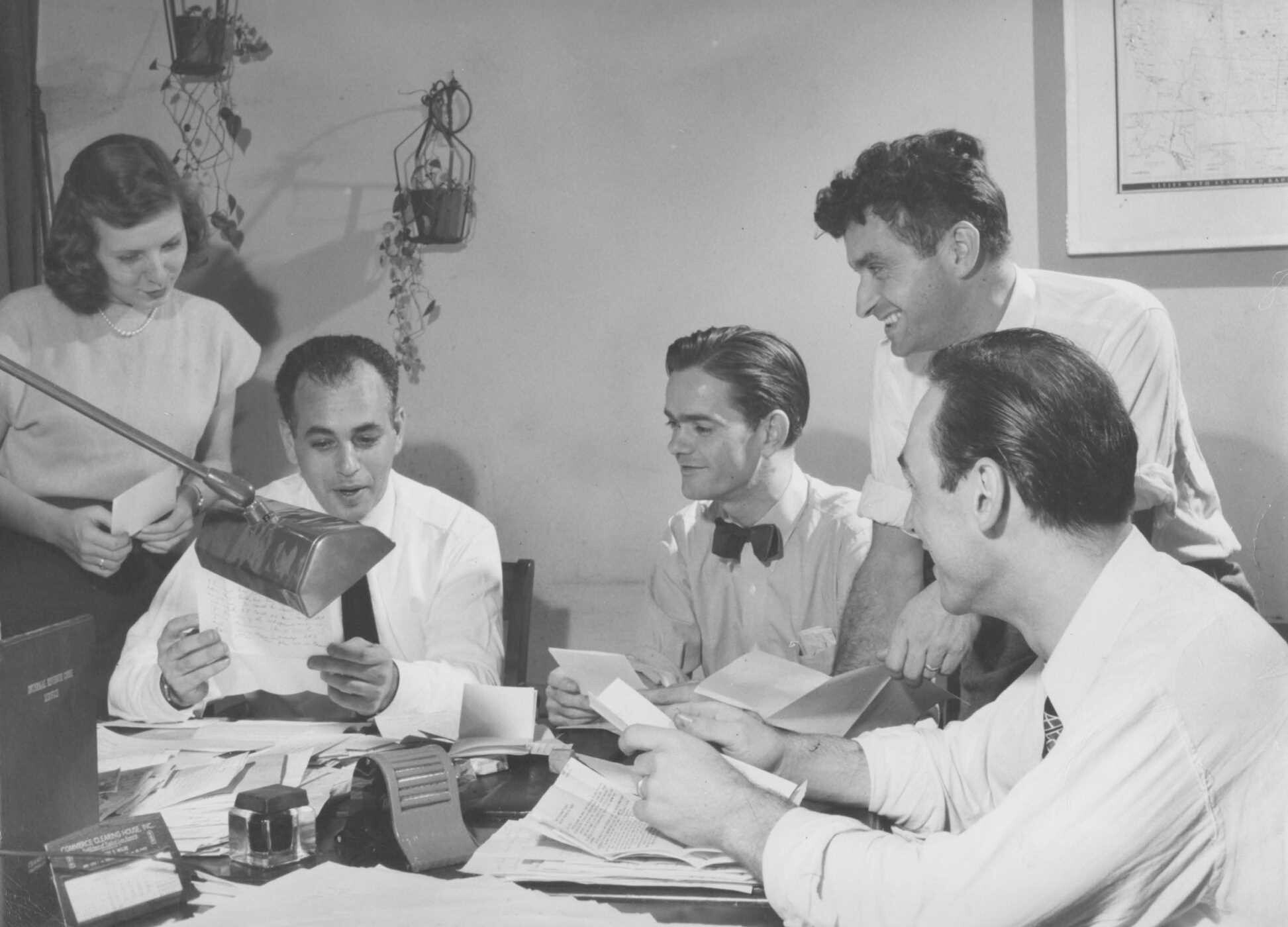
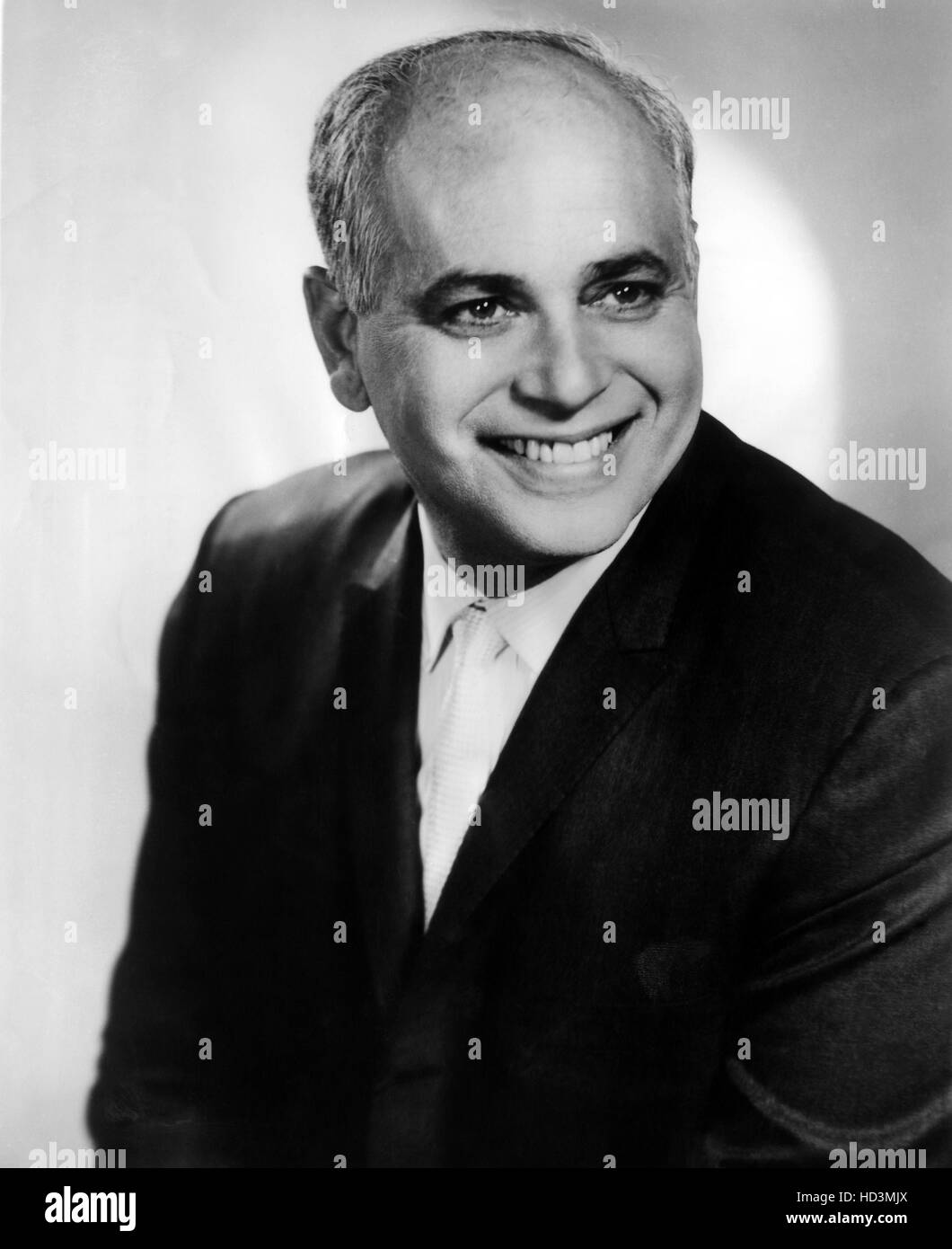
Allen Funt was an American television producer, director, and writer who revolutionized the entertainment industry as the creator and host of Candid Camera. By capturing genuine human reactions to absurd, staged situations using hidden microphones and cameras, Funt established the foundational blueprint for modern reality television and social psychological observation.
The Origins of a Visionary: From Radio to Television
Allen Funt was born on September 16, 1914, in Brooklyn, New York. His journey into the world of media was not a direct path into entertainment but rather a fascination with the complexities of human behavior. After graduating from Cornell University with a degree in Fine Arts and later studying at Columbia University, Funt entered the world of advertising. However, it was his service during World War II that provided the technical and conceptual spark for his life’s work.
While serving in the Army Signal Corps, Funt used wire recorders—the precursors to tape recorders—to capture the spontaneous gripes and conversations of soldiers. He realized that people behaved differently when they didn’t think they were being recorded; their humor was more authentic, their frustrations more palpable, and their personalities more vivid. This realization became the cornerstone of his career.
In 1947, Funt launched Candid Microphone on ABC Radio. The show was an immediate hit because it offered something listeners had never heard before: the unscripted, unfiltered voice of the "average Joe." Funt would pose as a customer, a repairman, or a passerby, engaging people in conversations that led to humorous or perplexing conclusions.
By 1948, as television began to supplant radio as the primary medium of American households, Funt transitioned the concept to the screen. Initially titled Candid Microphone on TV, it eventually became the iconic Candid Camera. This transition required immense technical ingenuity, as cameras in the late 1940s and 1950s were massive, noisy, and required significant lighting. Funt’s ability to hide these "behemoths" behind two-way mirrors or inside everyday objects was as much a feat of engineering as it was of production.
The Philosophy of "People Caught in the Act of Being Themselves"
Allen Funt did not view himself primarily as a comedian or a prankster. He often described himself as a student of human nature. The brilliance of Candid Camera lay in its simplicity and its reliance on the "psychology of the mundane." Funt’s stunts were rarely mean-spirited; instead, they exploited social norms and the inherent politeness or confusion of the human psyche.
The Mechanics of the Stunt
Funt’s segments followed a predictable but effective structure. A subject would be placed in a situation where a fundamental rule of logic or social etiquette was broken. For example, a car without an engine would be brought to a mechanic, or a diner would be served a sandwich made of rubber.
The humor came not from the trick itself, but from the subject’s reaction—the squinting eyes, the hesitant laughter, the desperate attempts to make sense of the nonsensical. This was the birth of the "reaction shot," a staple of television editing that persists into 2026. Funt famously noted that his favorite moments were the "vulnerable ones," where a person’s facade dropped, and their true character emerged.
Ethical Standards and Consent
Long before modern privacy laws and "cancel culture," Allen Funt established a rigorous ethical framework for his show. He maintained that no segment would air without the written consent of the subject. If a person felt embarrassed or didn't want their likeness on television, the footage was discarded.
This practice built a sense of trust with the audience. Viewers knew that the people on screen were eventually "in on the joke," culminating in the legendary catchphrase: "Smile, you’re on Candid Camera!" This reveal served as a psychological release valve, turning the subject’s confusion into a shared moment of levity with the millions of people watching at home.
The Golden Age of Candid Camera
While the show bounced between networks (ABC, NBC, and CBS) during its early years, it reached its commercial and cultural zenith in the 1960s. From 1960 to 1967, Candid Camera was a top-rated program on CBS, often airing on Sunday nights.
During this era, Funt shared hosting duties with notable personalities, most famously Durward Kirby. The contrast between Funt’s intense, creative energy and Kirby’s suave, traditional broadcasting persona created a perfect balance. The show became a ritual for American families, offering a rare form of entertainment that was suitable for all ages and transcended demographic divides.
Iconic Segments and Cultural Impact
Some of the most famous segments from this period included:
- The Talking Mailbox: Passersby were startled by a mailbox that would strike up a conversation or ask for directions.
- The Gravity-Defying Office: Funt built a set on a slant, making it appear that items were rolling uphill, much to the confusion of temporary workers.
- The Diner with No Food: Customers were given increasingly absurd excuses as to why their simple orders couldn't be fulfilled.
The show's impact was so profound that it began to be used in academic settings. Funt eventually donated over 4,000 reels of his footage to the Psychology Department at Cornell University, where researchers studied the clips to understand social influence, conformity, and non-verbal communication.
Historical Timeline and Evolution of the Format
The history of Candid Camera is a reflection of the evolution of television itself. As of 2026, the show remains one of the longest-running franchises in broadcast history, having existed in some form for nearly 80 years.
| Era | Program Title | Primary Platform | Key Hosts/Figures |
|---|---|---|---|
| 1947–1948 | Candid Microphone | ABC Radio | Allen Funt |
| 1948–1950 | Candid Microphone | ABC/NBC TV | Allen Funt |
| 1951–1954 | Candid Camera | Various Syndication | Allen Funt |
| 1960–1967 | Candid Camera | CBS | Allen Funt, Durward Kirby |
| 1974–1979 | The New Candid Camera | First-run Syndication | Allen Funt, John Bartholomew Tucker |
| 1990–1993 | Candid Camera | CBS/Syndication | Allen Funt, Peter Funt, Dom DeLuise |
| 1998–2004 | Candid Camera | CBS/PAX | Peter Funt, Dina Eastwood |
| 2014–Present | Candid Camera Specials | TV Land/Streaming | Peter Funt |
Expansion into Film and Education
Allen Funt’s ambitions extended beyond the half-hour television format. He sought to explore human behavior in more provocative and long-form settings. In 1970, he produced and directed the feature film What Do You Say to a Naked Lady?. This X-rated (later re-rated) documentary-style film used hidden cameras to capture reactions to public nudity and sexual taboos. While controversial, it was a box-office success and further cemented Funt’s reputation as a daring social experimenter.
He followed this with Money Talks (1972), which focused on how people reacted to situations involving large sums of money. Beyond the big screen, Funt created a series of "educational" versions of his stunts. These were sold to corporations and schools to teach employees and students about human relations, customer service, and the unpredictability of human behavior.
The Transition to Peter Funt and the Family Legacy
In the late 1980s and early 1990s, Allen Funt began to step back from the spotlight, particularly after suffering a stroke in 1993. His son, Peter Funt, who had been working on the show as a producer and occasional host since he was a child, took over the mantle.
Peter Funt maintained the show's core values—avoiding the "mean-spirited" pranks that began to dominate the hidden-camera genre in the late 1990s. Under Peter’s leadership, the show found new life on the PAX network and through various anniversary specials. Peter Funt continues to preserve his father's archives and produces new content that adheres to the original "smile" philosophy, ensuring that the brand remains relevant in an era of viral YouTube pranks and TikTok social experiments.
Comparing Candid Camera to Modern Hidden Camera Shows
It is impossible to discuss the history of reality TV without acknowledging Allen Funt. However, as of 2026, the landscape of hidden-camera entertainment has branched into several sub-genres, many of which differ significantly from Funt’s original vision.
- Social Experiments: Shows like What Would You Do? take Funt’s psychological approach and apply it to ethical and moral dilemmas.
- Practical Joke Shows: Programs like Impractical Jokers focus on the performers embarrassing themselves rather than the public, a departure from Funt’s "observer" role.
- Shock Humor: Early 2000s shows like Punk’d or Jackass prioritized high-stakes "gotcha" moments that Funt often criticized for being too aggressive.
Funt’s work is distinguished by its gentleness. He wasn't trying to scare people or make them look foolish for the sake of mockery; he was trying to highlight the "wonderful" absurdity of being human.
Frequently Asked Questions
What was Allen Funt’s most famous catchphrase?
The most famous catchphrase created by Allen Funt is "Smile, you’re on Candid Camera!" It was spoken at the end of every segment once the hidden camera was revealed to the subject. The phrase became a part of the American lexicon, used even in non-television contexts to suggest someone is being watched or observed.
Did Allen Funt ever get into legal trouble for filming people?
Funt was a pioneer in media law regarding privacy. He avoided legal trouble by being meticulous about obtaining signed releases from everyone who appeared on the show. If a subject refused to sign the release, the footage was never aired. This practice became the industry standard for reality television and documentary filmmaking.
Where are the Candid Camera archives located?
The bulk of the Candid Camera archives, including thousands of hours of raw footage and edited segments, were donated by Allen Funt to Cornell University. The collection serves as a massive data set for psychological research and media studies, documenting five decades of American social history.
Is Allen Funt still alive?
No, Allen Funt passed away on September 5, 1999, at the age of 84. He died at his home in Pebble Beach, California, due to complications from a stroke he suffered years earlier. His legacy continues through his children, particularly Peter Funt, who continues to manage the production company.
How did they hide cameras in the early days of the show?
Hiding cameras was a significant challenge in the 1940s and 50s. Funt often used two-way mirrors (one-way glass), hid cameras in large props like vending machines or crates, and used long-range lenses. Microphones were hidden in telephones, desk ornaments, or even inside clothing.
Final Recommendations for Enthusiasts
For those looking to explore the work of Allen Funt in 2026, the best starting point is the official Candid Camera website and their dedicated streaming channels. Many of the classic 1960s episodes have been digitally remastered, providing a fascinating "time capsule" look at mid-century American life.
If you are a student of media or psychology, researching the Cornell University archives provides a deeper look into how Funt’s work intersected with academic social science. Ultimately, Allen Funt’s contribution to television was the discovery that the most entertaining thing on earth isn't a scripted drama or a staged comedy—it is the unpredictable, hilarious, and heartwarming reality of people being themselves.