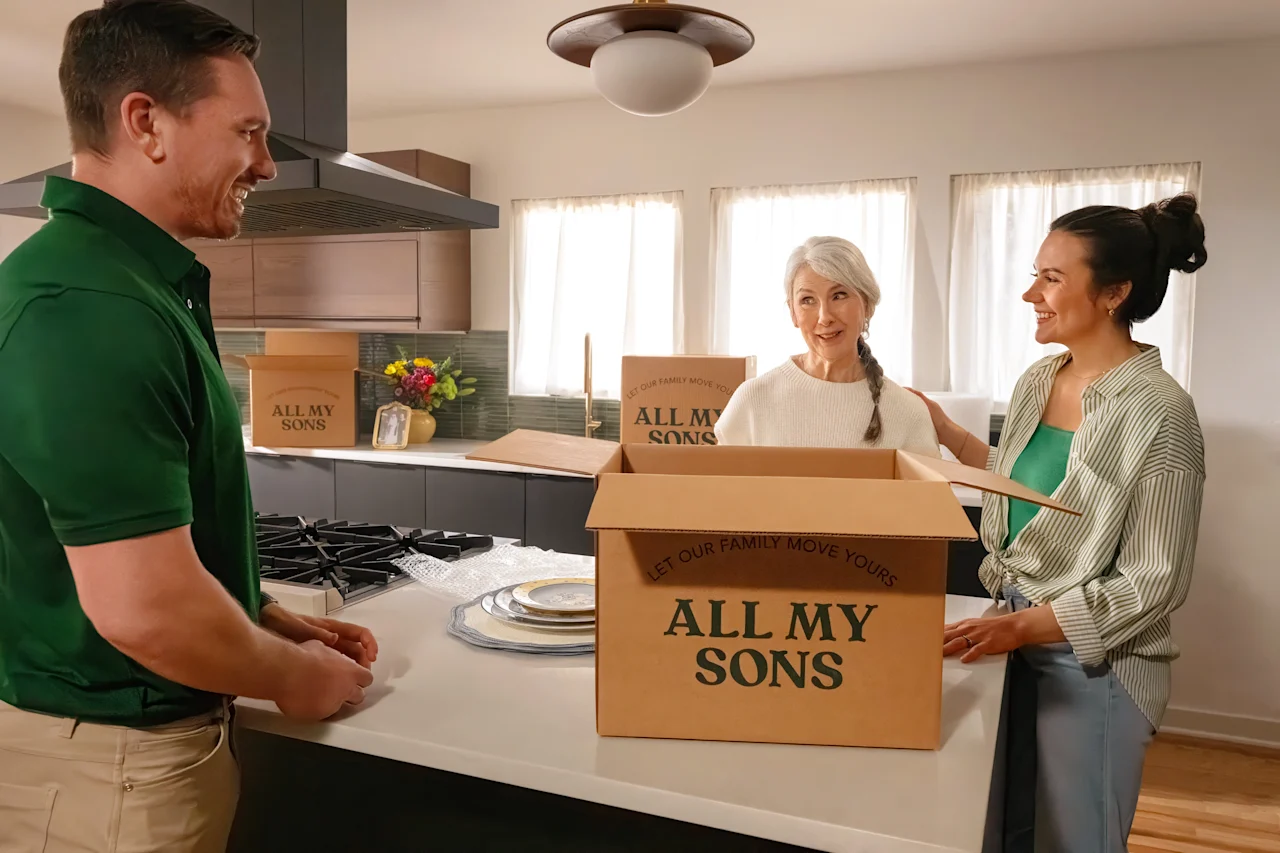
The All My Sons Charleston journey is a structured moving process encompassing personalized estimates, professional packing, and logistical coordination tailored to the South Carolina Lowcountry. As of 2026, it prioritizes a "white-glove" approach, managing everything from local residential relocations to complex long-distance hauls with a focus on regional efficiency, safety, and transparent pricing.
Understanding the All My Sons Presence in Charleston
To understand the "journey" of moving with All My Sons in Charleston, one must first recognize the company's operational footprint in the region. As one of the most recognized names in the moving industry, the Charleston branch functions as a localized hub that services not just the peninsula, but also the surrounding areas of Mount Pleasant, Summerville, West Ashley, Goose Creek, and Daniel Island.
The company markets itself on a "family-owned and operated" philosophy, which in 2026 continues to be the cornerstone of their customer service model. This means that while they have the resources of a national franchise, the Charleston "journey" is intended to feel like a boutique service. For residents of the Lowcountry, this is particularly important because moving in this region involves unique challenges, such as navigating narrow historic streets, managing humidity-sensitive items, and adhering to strict Homeowners Association (HOA) guidelines in newer developments.
The "journey" refers to the chronological progression a client takes from the initial point of contact to the final box being unpacked. It is designed to mitigate the inherent stress of relocation by delegating logistical burdens to professional coordinators and movers.
Stage 1: The Consultation and Virtual Estimation
The journey begins long before the moving truck arrives. In 2026, the estimating process has become highly digitized, though the traditional in-home survey remains an option for larger estates.
Virtual Surveys and Accuracy
Most Charleston residents start their journey via a virtual survey. Using a smartphone or tablet, customers walk through their homes while a moving consultant views the items in real-time. This technology allows for a more accurate inventory than a simple phone list, as the consultant can identify "hidden" volume in closets, attics, and garages. The primary goal here is to determine the "cube tap" (cubic footage) and the weight of the shipment, which are the primary drivers of cost for long-distance moves, whereas local moves are typically billed by the hour.
Binding vs. Non-Binding Estimates
A critical part of the initial journey is understanding the quote. All My Sons provides different types of estimates:
- Non-Binding Estimates: The final cost is based on the actual weight of your goods and the services provided.
- Binding Estimates: A fixed price based on the inventory list at the time of the quote.
- Binding Not-to-Exceed Estimates: This is often the preferred choice in 2026, as it ensures you won't pay more than the quote, but if your shipment weighs less than expected, you pay less.
Stage 2: Strategic Planning and Scheduling
Once the estimate is accepted, the "journey" enters the coordination phase. This is where the Charleston branch assigns a Moving Consultant who serves as the single point of contact.
Navigating Charleston’s Logistics
The planning phase involves more than just picking a date. In Charleston, scheduling must account for specific regional variables:
- Hurricane Season Precautions: For moves occurring between June and November, the journey includes a "weather contingency" plan.
- Historic District Access: If the move involves Downtown Charleston (South of Broad, for example), the company must coordinate with the City of Charleston for parking permits and street closures, as the large 26-foot or 53-foot trucks cannot navigate certain alleyways.
- HOA Compliance: Many communities in Mount Pleasant or Daniel Island have restricted hours for moving trucks (often 8:00 AM to 6:00 PM). The coordinator ensures the crew arrives within these windows to avoid fines.
Stage 3: The Packing and Preparation Phase
For many, the "journey" includes full-service packing. This is the stage where the technical expertise of the crew is most visible. All My Sons emphasizes specialized techniques designed to protect items from the vibration of the truck and the coastal humidity of South Carolina.
Technical Packing Standards
Professional movers do not just put items in boxes; they use a system of "layering" and "cradling." For example, dish barrels—which are double-walled corrugated cardboard—are used for kitchenware. Heavy items go at the bottom, with crushed paper "bumpers" between layers, and lighter, more fragile items at the top.
For the Charleston journey, moisture protection is a recurring theme. All My Sons crews often use stretch wrap and quilted moving pads not just for scratch protection, but to create a barrier against the sudden afternoon rain showers common in the Lowcountry. They also provide wardrobe boxes, which allow clothes to stay on their hangers, significantly reducing the "unpacking journey" at the destination.
Stage 4: Moving Day Logistics and Execution
On the day of the move, the journey shifts into high gear. The "Chief Mover" or crew lead conducts a walk-through to confirm the inventory and identify high-value items that require extra attention (e.g., antiques, artwork, or grand pianos).
Loading and Inventory Management
The loading process is a logistical puzzle. The heaviest furniture is loaded first to create a "base" at the front of the truck (the bulkhead). The crew uses a "tiering" method, stacking items from floor to ceiling and securing them with logistics straps. This prevents "load shift," which is the leading cause of damage during transit.
In 2026, many trucks in the All My Sons fleet are equipped with GPS tracking. This allows Charleston customers to monitor their "journey" in real-time, particularly during long-distance relocations where the truck may be traveling several states away.
Stage 5: Delivery, Unloading, and Reassembly
The final leg of the journey is the delivery. This is where the team ensures that the transition into the new home is as seamless as possible.
Home Protection and Set-up
Upon arrival at the new Charleston residence, the crew initiates "home protection." This includes laying down floor runners to protect hardwoods or carpets and using "door jamb protectors" to prevent nicks on door frames. The team doesn't just drop boxes; they place furniture exactly where the customer wants it and reassemble beds, tables, and other items that were dismantled during Stage 3.
The Final Walk-through
The journey concludes with a final inspection of the inventory. The customer checks off items against the "Bill of Lading" to ensure everything arrived safely. Any discrepancies or damages are noted at this time, which is essential for any future insurance claims.
Cost Factors and Service Levels for 2026
The cost of the Charleston journey varies significantly based on the level of service chosen and the distance of the move.
| Service Tier | Best For | Included Features | Pricing Model |
|---|---|---|---|
| Labor Only | DIY movers with their own truck | Loading and unloading labor | Hourly rate per mover |
| Standard Local | Moving within the Charleston Metro | Truck, basic equipment, furniture padding | Hourly rate + travel fee |
| Full-Service | Families and busy professionals | Packing, materials, loading, transit, unpacking | Hourly (local) or Weight-based (long-distance) |
| White-Glove | Luxury homes and high-value estates | Crating, specialized handling, debris removal | Premium flat fee or high-tier hourly |
Note: Pricing in 2026 is also influenced by fuel surcharges and seasonal demand. Generally, moving on a weekend or during the summer peak (May–August) results in higher rates.
Customer Rights and Legal Protections
An essential part of the journey is understanding your protections under South Carolina and federal law. All My Sons is a licensed and insured carrier, but customers must choose their level of "valuation" (moving insurance).
Valuation Options
- Released Value Protection: This is the most economical option and is included at no extra cost. However, it only covers items at $0.60 per pound. If a 100-pound television is broken, you only receive $60.
- Full Value Protection (FVP): For a 2026 move, FVP is highly recommended. If an item is lost or damaged, the mover is responsible for the replacement value or the cost of repair.
In South Carolina, the Office of Regulatory Staff (ORS) oversees household goods movers. If your Charleston journey involves a dispute that cannot be settled directly with All My Sons, the ORS provides a platform for consumer complaints. For moves crossing state lines, the Federal Motor Carrier Safety Administration (FMCSA) provides the legal framework and the "Your Rights and Responsibilities When You Move" handbook.
Common Obstacles in the Charleston Journey
While the goal is a smooth transition, certain local factors can complicate the journey. Being aware of these can help you prepare.
The "Stair" Factor
Many Charleston homes, particularly in the historic district or elevated coastal homes (built on "stilts" for flood protection), involve multiple flights of stairs. All My Sons typically charges a "flight fee" or adjusts the hourly labor estimate if there are significant stairs involved.
Humidity and Climate Control
Moving in Charleston means dealing with high humidity. If you are moving items into storage as part of your journey, it is vital to ensure you are using a climate-controlled facility. All My Sons offers storage solutions, but you should verify that the specific units used for your "transit storage" are temperature and humidity-regulated to prevent wood warping or mold growth on upholstery.
Frequently Asked Questions
What is the average time for a local Charleston move?
For a standard three-bedroom home in the Charleston area, the local journey typically takes between 6 to 9 hours. This includes roughly 3 to 4 hours for loading, 1 hour for transit (factoring in I-26 or Ravenel Bridge traffic), and 2 to 4 hours for unloading and reassembly.
Does All My Sons Charleston provide packing supplies?
Yes, the journey can include the provision of all necessary materials, including specialty boxes for TVs, mirrors, and lamps. If you choose to pack yourself to save on costs, All My Sons often sells these supplies separately. However, keep in mind that movers are generally not liable for damage to items inside boxes they did not pack themselves (PBO - Packed By Owner).
Are there items the movers won't take?
Yes. To ensure safety and legal compliance, the following items are excluded from the journey: hazardous materials (cleaning fluids, paint thinner), perishables (frozen food), and high-value personal items like jewelry, cash, and important legal documents. It is recommended that you transport these "non-allowables" in your personal vehicle.
How do I handle a claim if something is broken?
If you discover damage during the final stage of your journey, you should document it immediately on the Bill of Lading before the movers leave. Afterward, you must file a formal written claim with the All My Sons claims department. Under 2026 guidelines, you typically have nine months from the date of delivery to file a claim for interstate moves, though doing it sooner is always better for evidence preservation.
Is a deposit required to start the journey?
Most professional movers in Charleston, including All My Sons, require a modest deposit to secure a specific date on the calendar. This deposit is usually applied toward the final cost of the move. Be wary of any company that asks for a massive upfront cash payment, as this is a red flag for moving scams.
Final Recommendations for a Successful Journey
To ensure your All My Sons Charleston journey is successful, start by decluttering at least four weeks before your scheduled move. The less volume you have, the lower your estimate will be. Furthermore, clearly communicate any access issues—such as low-hanging trees or narrow driveways—to your consultant early in the process.
The most critical step is to read every document provided, especially the inventory list and the valuation selection. By understanding the logistical and legal framework of the move, you can transform a stressful relocation into a managed, predictable journey.