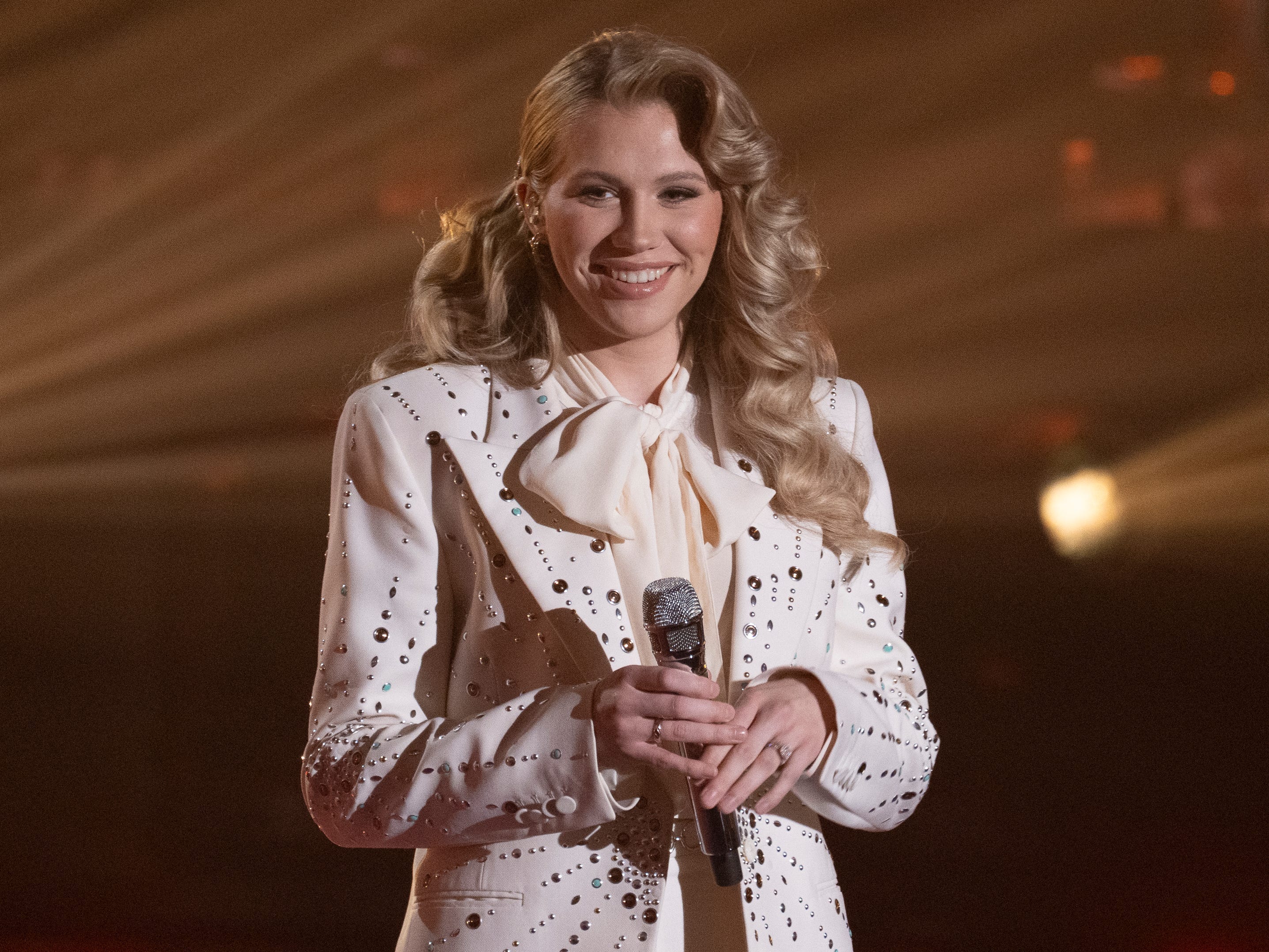
Since its television debut in 2002, American Idol has served as one of the most significant cultural touchstones in American reality competition history. The show, which transformed the landscape of the music industry by allowing the viewing public to determine the victor through a call-in and text-based voting system, has crowned 22 champions through the 2026 season. These winners represent a diverse array of musical genres, including pop, country, soul, and rock, many of whom have gone on to achieve multi-platinum success, Grammy Awards, and Broadway stardom.
The evolution of the American Idol franchise—from its humble origins on the FOX network to its later revival on ABC—mirrors the changing tides of the music industry itself. While the core premise of finding an unsigned singing talent remains the same, the format has adapted to the digital age, utilizing social media integration and refined selection processes. Understanding the legacy of these winners requires looking at not only the chronological record of victors but also the impact each individual has had on the musical charts and public consciousness.
The Early Years: The Birth of a Phenomenon
The inception of American Idol in the summer of 2002 introduced a high-stakes format that felt novel to the American television audience. Kelly Clarkson, the inaugural winner, set the standard for what a winner could achieve. Her victory was not merely a win for a reality show contestant but the start of a legitimate, long-term music career that would see her become a global pop superstar.
Following Clarkson, the show solidified its reputation by crowning stars like Ruben Studdard, who brought a soulful R&B sound to the platform, and Fantasia Barrino, whose raw, emotional performances became a blueprint for future contestants. The early years of the competition were defined by intense public engagement, with voting numbers reaching tens of millions, cementing the show's status as a dominant ratings juggernaut.
The Mid-Era Evolution and Genre Diversity
As the series progressed, American Idol began to see a surge in country music representation. Winners like Carrie Underwood, who became one of the most successful artists to emerge from the program, proved that the show’s reach extended far beyond traditional pop music. Underwood’s massive crossover success demonstrated that American Idol was a viable pipeline for major-label Nashville talent.
This era also saw the crowning of performers like David Cook, who leaned into rock and alternative styles, and Lee DeWyze, who brought an indie-folk sensibility to the main stage. The variety in winners during this period showcased the show's ability to evolve alongside popular trends, ensuring that the audience remained invested in the artistic identity of the contestants rather than just the format of the competition.
The Transition to the ABC Era
In 2018, American Idol made a high-profile move from FOX to ABC, marking a new chapter for the franchise. This transition included updated branding, a new judging panel, and a renewed focus on the personal stories of contestants. Winners in the modern era, such as Maddie Poppe, Laine Hardy, and Just Sam, have navigated an industry landscape dominated by streaming services and social media algorithms.
The modern format emphasizes the contestant as a "complete artist," focusing heavily on songwriting ability and social media presence. By the 2026 season, the competition has become more specialized, often selecting winners who arrive with an established aesthetic and a clear vision for their post-show musical careers.
Chronological List of All American Idol Winners
The following table tracks the complete list of American Idol champions from the show's inception through the conclusion of the 2026 season.
| Season | Year | Winner | Genre/Style |
|---|---|---|---|
| 1 | 2002 | Kelly Clarkson | Pop |
| 2 | 2003 | Ruben Studdard | R&B/Soul |
| 3 | 2004 | Fantasia Barrino | R&B/Soul |
| 4 | 2005 | Carrie Underwood | Country |
| 5 | 2006 | Taylor Hicks | Blue-eyed Soul |
| 6 | 2007 | Jordin Sparks | Pop/R&B |
| 7 | 2008 | David Cook | Rock |
| 8 | 2009 | Kris Allen | Pop/Acoustic |
| 9 | 2010 | Lee DeWyze | Folk/Rock |
| 10 | 2011 | Scotty McCreery | Country |
| 11 | 2012 | Phillip Phillips | Folk/Rock |
| 12 | 2013 | Candice Glover | R&B/Soul |
| 13 | 2014 | Caleb Johnson | Rock |
| 14 | 2015 | Nick Fradiani | Pop/Rock |
| 15 | 2016 | Trent Harmon | Pop/Country |
| 16 | 2018 | Maddie Poppe | Indie-Pop |
| 17 | 2019 | Laine Hardy | Country/Rock |
| 18 | 2020 | Just Sam | R&B/Pop |
| 19 | 2021 | Chayce Beckham | Country |
| 20 | 2022 | Noah Thompson | Country |
| 21 | 2023 | Iam Tongi | Island Reggae/Pop |
| 22 | 2024 | Abi Carter | Alternative Pop |
| 23 | 2025 | Quintavious Johnson | Pop/Soul |
| 24 | 2026 | Winner Pending | TBD |
Note: The 2026 season schedule reflects standard broadcast cycles; competition results are finalized following the season finale broadcast.
The Impact of Regionalism and Representation
One of the most fascinating aspects of American Idol is the geographic diversity of its winners. The show has consistently scouted talent from small towns and major cities alike, often highlighting the local culture of the contestants. Artists like Scotty McCreery (North Carolina) and Iam Tongi (Hawaii) brought regional musical influences to the national stage, effectively using the show as a platform to introduce distinct local sounds to a wider audience.
This focus on the contestant’s background serves a dual purpose: it provides narrative depth for television production and allows the audience to feel a sense of local pride. Over the years, the show has become a cultural map of American musical talent, proving that star power is not confined to major music hubs like Los Angeles or New York City.
Challenges and Post-Show Realities
Winning American Idol is frequently cited as the beginning of a marathon, not a sprint. While the initial victory provides a platform and exposure that would take years to cultivate independently, winners face the significant challenge of transitioning from a "contestant" to a "recording artist."
Many winners have encountered hurdles related to record label expectations, the pressure to conform to specific chart-topping trends, and the inherent volatility of the modern music industry. The most successful winners—those who have maintained long-term careers—are typically the ones who have successfully navigated these pressures by diversifying their output, branching into songwriting, acting, or theater, and maintaining a consistent connection with their core fanbase through live performance.
Comparing the "Idol" Experience Across Decades
Comparing the experience of a winner in 2002 versus 2026 reveals a fundamental shift in the industry. Early winners were often molded by the traditional label system, which prioritized radio play and physical album sales. In contrast, today's winners operate in an environment where virality, streaming numbers, and TikTok engagement are the primary indicators of success.
Furthermore, the role of the judges has shifted from being the sole arbiters of talent to serving as mentors. This change in tone has created a more collaborative atmosphere, which is reflected in the more polished performances seen in recent seasons. The fundamental challenge, however, remains consistent: how to take the momentum of a television win and convert it into a sustainable career in a crowded, globalized music market.
Frequently Asked Questions
1. Are all American Idol winners guaranteed a recording contract?
Historically, winning the show included a contract with a major record label, such as those under the Sony Music or Universal Music Group umbrellas. While the specifics of these contracts have changed over the decades to account for modern streaming realities, the prize package typically includes a record deal or significant professional support for the launch of a musical project.
2. What happens to runners-up who do not win the title?
Not winning American Idol has proven to be a viable career path for many artists. Several notable runners-up and finalists, such as Jennifer Hudson, Adam Lambert, and Chris Daughtry, have achieved greater commercial success than many of the winners of their respective seasons. These artists often benefited from the exposure of the show without the immediate pressure of being the "winner" of the season.
3. How has the voting process for American Idol changed?
The voting process has evolved from simple landline phone calls and SMS text messages to a more complex, multi-platform system. Today, viewers typically vote through the official website, the network's mobile application, and text messaging. This evolution is designed to cater to a younger, more digitally connected audience and to prevent technical bottlenecks during high-traffic episodes.
4. Can professional singers audition for American Idol?
Yes, the eligibility requirements for American Idol allow professional singers to audition, provided they do not have a recording contract or a management agreement that would prevent them from signing with the show's associated labels. Many contestants in recent years have arrived with significant local experience or previous touring history, which has led to a higher baseline level of performance quality.
5. Are there restrictions on the genre of music contestants can perform?
There are no official restrictions on genre, but the structure of the show often encourages contestants to demonstrate versatility. Throughout the season, contestants are frequently challenged to perform songs from different decades, genres, or thematic categories. Success on the show is often predicated on a performer's ability to maintain their unique identity while navigating these diverse musical requirements.
Practical Guidance for Future Aspiring Contestants
For those looking to follow in the footsteps of previous winners, the most essential advice is to develop a strong, authentic musical identity before stepping in front of the cameras. While the show can provide a significant boost, the artists who sustain their careers are those who know who they are as performers.
- Build a Repertoire: Have a variety of songs prepared that showcase both your technical range and your emotional connection to the music.
- Understand the Industry: Research how social media and streaming platforms function in the modern music economy.
- Focus on Consistency: Success in the competition requires not just one "big moment" but a consistent track record of strong performances.
- Prepare for the Spotlight: Understand the scrutiny that comes with the platform and prepare mentally for the public nature of the competition.
The history of American Idol winners is a reflection of the evolving American dream in music—a complex blend of talent, luck, and the ability to adapt to an ever-changing industry. Regardless of the outcome, the show remains an unmatched proving ground for those with the ambition to share their voice with the world.