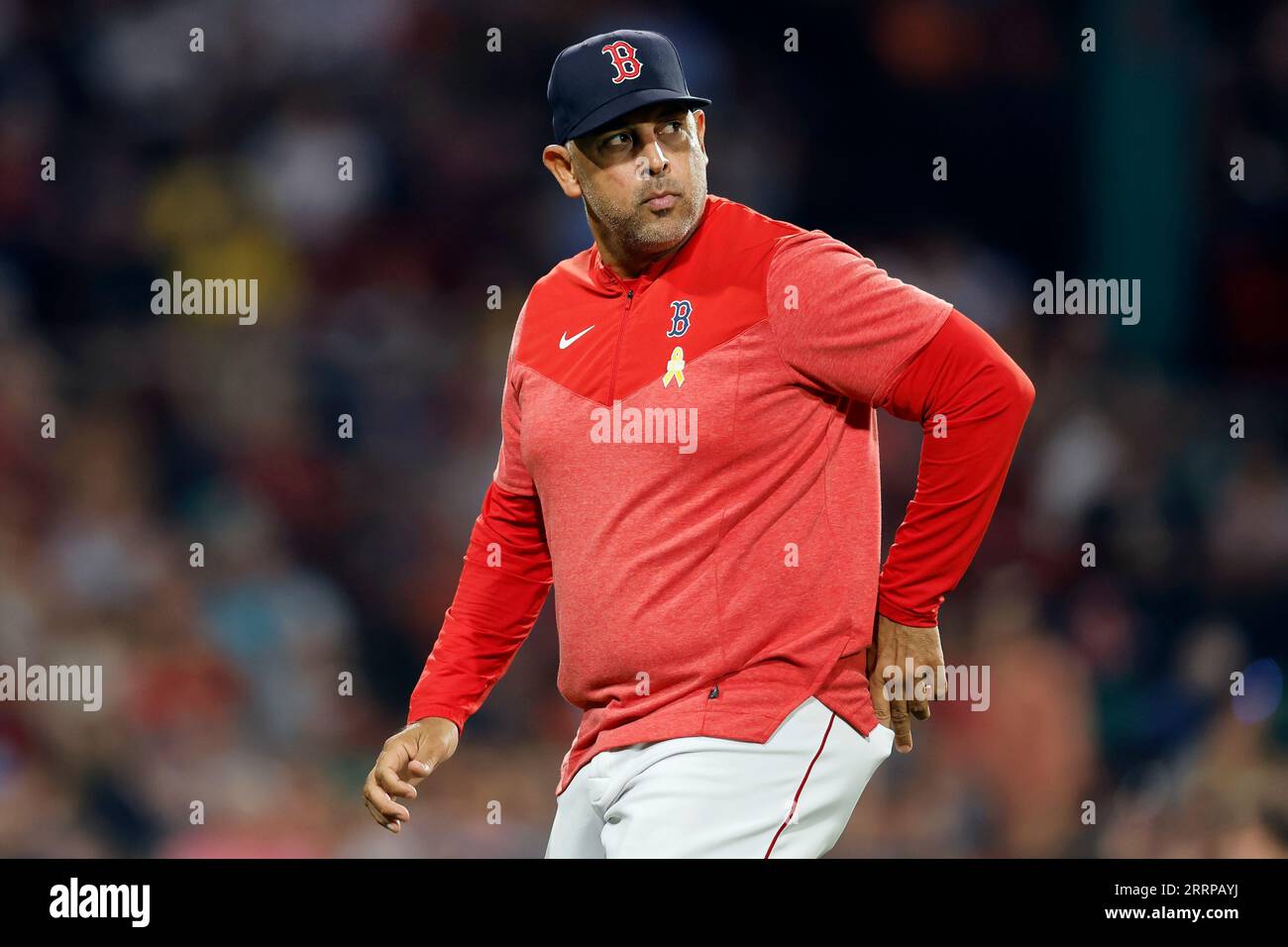
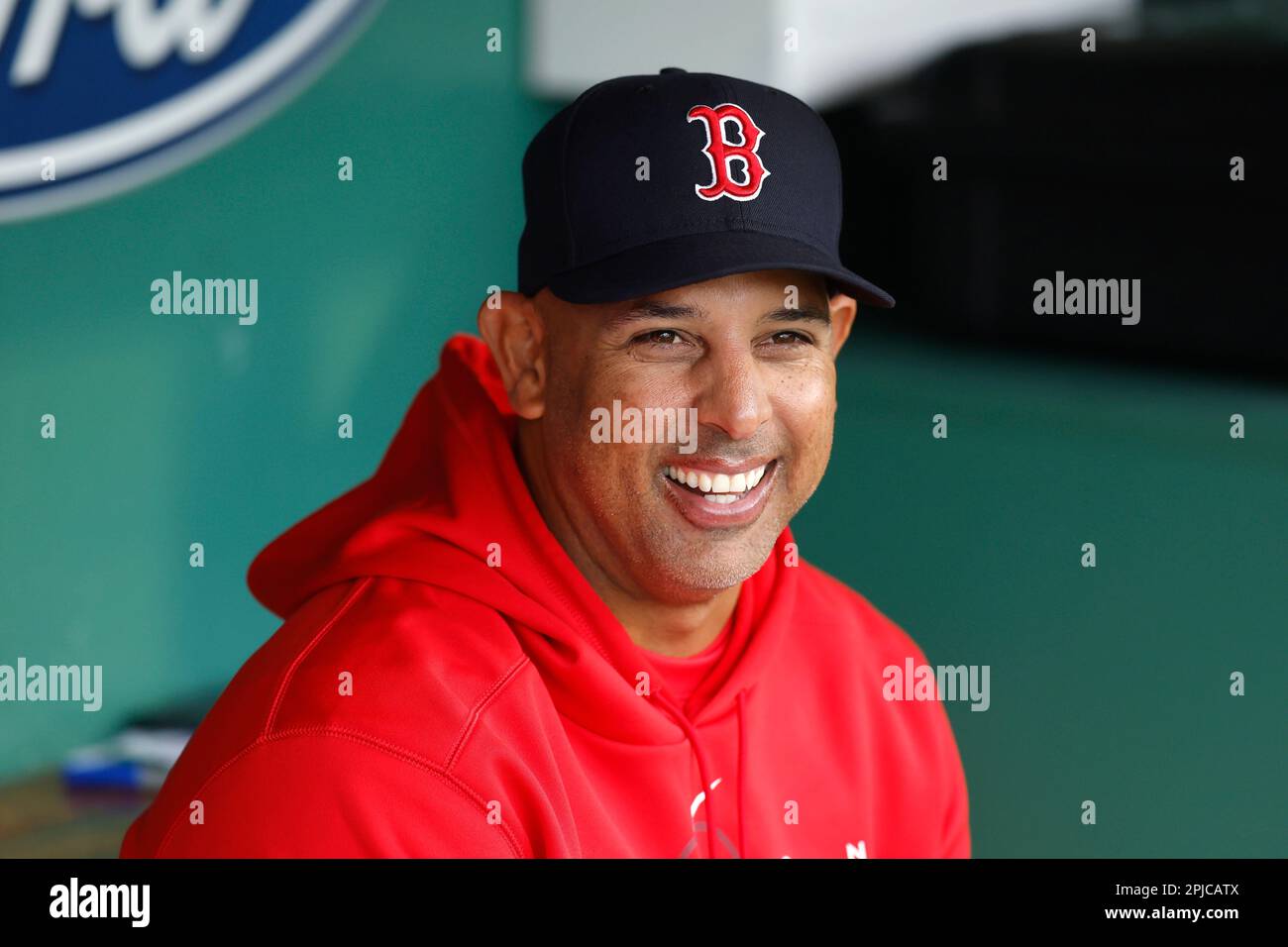
Alex Cora’s family represents a multi-generational cornerstone of professional baseball, rooted in Caguas, Puerto Rico. The family’s legacy is defined by Alex’s success as a World Series-winning manager and player, his brother Joey Cora’s extensive career as an MLB All-Star and coach, and their father’s foundational influence as a local scout and mentor.
The story of the Cora family is not merely a chronicle of statistics or trophy wins; it is a narrative of how a single family can influence the strategic and cultural landscape of Major League Baseball (MLB). As of 2026, the name Cora remains synonymous with high-IQ baseball, intense preparation, and a deep-seated commitment to the development of Latin American talent. To understand Alex Cora’s impact on the Boston Red Sox and the wider league, one must first understand the family structure that produced two of the most respected minds in the modern game.
The Foundation: José Manuel Cora and the Caguas Roots
The trajectory of the Cora family in baseball began long before Alex or Joey stepped onto a Major League diamond. Their father, José Manuel Cora, was the architect of their obsession with the sport. In the city of Caguas, Puerto Rico, José Manuel was a revered figure—a scout and a dedicated organizer of youth baseball. He did not just teach his sons how to swing a bat; he taught them how to "read" the game.
José Manuel’s influence was cut short when he passed away from cancer when Alex was only 13 years old. However, the groundwork he laid was indestructible. He instilled a meticulous approach to the game, focusing on defensive positioning, situational awareness, and the psychological aspects of competition. This "coaching from the cradle" approach is why both Alex and Joey were often described as "managers on the field" even during their playing days.
Following their father’s death, the Cora brothers were largely raised by their mother, Iris Amaro, and their older brother and sister. The family unit became a support system that prioritized education and professional discipline. For Alex, his older brother Joey became a surrogate father figure in the world of professional sports, providing a roadmap for how a Puerto Rican infielder could navigate the challenges of the American professional leagues.
Joey Cora: The Trailblazer and Mentor
Joey Cora, ten years Alex’s senior, was the first to prove that the family’s brand of baseball could succeed at the highest level. A standout at Vanderbilt University, Joey was drafted in the first round of the 1985 MLB Draft by the San Diego Padres. His career, which spanned 11 seasons, was defined by his tenure with the Seattle Mariners and the Chicago White Sox.
Joey was a diminutive but fierce competitor. As a second baseman, he was an All-Star in 1995 and played a pivotal role in the Mariners' legendary 1995 "Refuse to Lose" season. For Alex, watching Joey provided a real-time education in the professional grind. Joey’s success broke down barriers, proving that the intellectual approach their father preached was a viable path to MLB longevity.
After retiring as a player, Joey transitioned into coaching, further cementing the family’s reputation for leadership. He served as the bench coach for the Chicago White Sox during their 2005 World Series championship run under manager Ozzie Guillén. Throughout the 2010s and early 2020s, Joey held various coaching positions with the Pittsburgh Pirates, New York Mets, and Detroit Tigers. His presence in the dugout as a third-base coach or bench coach provided a blueprint for Alex’s eventual transition into management.
Alex Cora’s Dual Legacy: Player and Strategist
Alex Cora followed his brother’s footsteps to college, playing for the University of Miami, where he helped lead the Hurricanes to the College World Series. When he reached the Major Leagues in 1998 with the Los Angeles Dodgers, it was immediately clear that while he might not have had "superstar" tools, he possessed a "superstar" mind.
The Utility Man with a Manager’s Mind
Alex spent 14 seasons in the MLB as a utility infielder. Playing for the Dodgers, Indians, Red Sox, Mets, Rangers, and Nationals, he became a "glue guy"—the type of player who understands every defensive shift and every pitcher’s tendency. His most famous moment as a player came in 2004 as a Dodger, during an 18-pitch at-bat against Matt Clement, which ended in a home run. This at-bat remains a masterclass in focus and situational hitting, traits that define the Cora family approach.
His time with the Boston Red Sox as a player (2005–2008) was particularly significant. He was a member of the 2007 World Series championship team, establishing a deep bond with the city and the franchise that would later define his managerial career.
Managerial Ascent and the 2018 Milestone
When Alex Cora was hired to manage the Red Sox in 2018, he became the first Puerto Rican manager in the franchise's history. His debut season was historic. He led the Red Sox to a franchise-record 108 regular-season wins and a World Series title. His managerial style was a perfect blend of modern analytics and the old-school "feel" for the game he learned in Caguas.
By 2026, Alex’s tenure in Boston has seen its share of highs and lows, including his departure and subsequent return following the 2017 sign-stealing investigation involving the Houston Astros. However, his ability to communicate with players—especially the growing demographic of Latin American stars—has made him one of the most influential figures in the sport.
Technical Analysis: The "Cora Way" of Baseball Operations
The Cora family’s impact is best understood through their technical approach to the game. Both brothers emphasize a specific set of principles that have influenced the teams they led:
- Versatility and Positioning: Influenced by their father’s scouting background, the Coras prioritize defensive versatility. Alex, in particular, has been a proponent of aggressive defensive shifting and maximizing the utility of the 26-man roster.
- The "Human Element" of Analytics: While both brothers embrace modern data, they are known for their ability to translate complex analytics into actionable advice for players. Alex is frequently cited as a manager who knows when to follow the data and when to trust his eyes.
- Cultural Liaison: The Coras serve as a bridge between the traditional American baseball establishment and Latin American players. This "cultural intelligence" is a family trait that has made both Alex and Joey invaluable to front offices looking to build cohesive, multicultural clubhouses.
Statistical and Career Comparison: The Cora Brothers
The following table highlights the respective careers of Joey and Alex Cora, demonstrating their longevity and impact on the league.
| Feature | Joey Cora | Alex Cora |
|---|---|---|
| MLB Playing Years | 1987, 1989–1998 | 1998–2011 |
| Primary Position | Second Base | Shortstop / Second Base |
| Career Batting Avg | .277 | .243 |
| All-Star Selections | 1 (1995) | 0 |
| World Series (Player) | 0 | 1 (2007) |
| World Series (Coach/Mgr) | 1 (2005 - Bench Coach) | 1 (2018 - Manager) |
| Managerial Wins | N/A | 450+ (As of 2024) |
| College | Vanderbilt University | University of Miami |
The Next Generation and the Puerto Rican Influence
The Cora family’s influence extends beyond the dugout and into the community. Alex has been a vocal advocate for Puerto Rico, particularly in the wake of Hurricane Maria and in the ongoing efforts to revitalize youth baseball on the island. His daughter, Camila Cora, and his twin sons, Xander and Isander, represent the next generation of a family that is deeply intertwined with the Red Sox community.
Furthermore, the "Cora Coaching Tree" is a real phenomenon in MLB. Coaches and players who have worked under Alex or Joey often go on to take leadership roles elsewhere, carrying the family’s emphasis on preparation and communication. By 2026, several former Red Sox players under Alex's tutelage have moved into coaching ranks, further proliferating the family’s tactical DNA.
The 2024 Extension and the 2026 Landscape
In July 2024, Alex Cora signed a three-year contract extension with the Boston Red Sox, worth approximately $21 million. This deal made him one of the highest-paid managers in the game, trailing only Craig Counsell at the time. By the 2026 season, this extension has provided the Red Sox with much-needed stability.
As we look at the 2026 landscape, the Cora family’s position in baseball is as strong as ever. Joey Cora continues to be a sought-after veteran voice for coaching staffs, and Alex remains the face of the Red Sox's leadership. Their success has opened doors for other Puerto Rican managers and coaches, such as Josue Espada and others, creating a lasting legacy that transcends their own win-loss records.
Frequently Asked Questions
Are Alex and Joey Cora the only members of their family in baseball?
While Alex and Joey are the most prominent, their father José Manuel Cora was a highly influential scout in Puerto Rico. Their sister, Iris Cora, has also been involved in various baseball-related community initiatives and has been a frequent presence supporting her brothers throughout their careers.
Who is the more successful brother in terms of MLB stats?
Joey Cora had the more productive career as a regular starter, finishing with a higher career batting average (.277 vs .243) and an All-Star appearance. However, Alex Cora has achieved greater heights in leadership, winning World Series rings both as a player and as a manager.
How did Alex Cora’s family influence his return to the Red Sox?
Alex has frequently cited his family as his "moral compass." During his suspension in 2020, he spent significant time in Puerto Rico with his mother, partner, and children. He has credited their support and his brother Joey’s guidance as essential factors in his personal growth and successful return to the dugout in 2021.
What is the "Cora Way" of managing?
The "Cora Way" is characterized by extreme preparation, an open-door policy with players, and a mastery of "situational" baseball. It involves using every player on the roster in a way that maximizes their specific strengths, a philosophy both brothers learned from their father.
Did Joey Cora ever manage in the Major Leagues?
Joey Cora has served as an interim manager and has been a candidate for several managerial openings over the years. While he has primarily built his reputation as one of the best third-base and bench coaches in the game, his influence on managerial strategy is widely recognized by his peers.
Practical Recommendation for Baseball Enthusiasts
For those looking to understand the technical nuances of the game, studying the Cora family provides an excellent case study. Fans and aspiring coaches should observe how Alex Cora manages a bullpen and utilizes "pinch-hitting" opportunities, as these are direct evolutions of the strategy his father taught in Caguas. Furthermore, monitoring the progress of the Criollos de Caguas in the Puerto Rican Winter League provides insight into the environment that shaped the Cora brothers’ competitive spirits. The legacy of the Cora family teaches that baseball is as much a game of the mind and the heart as it is of physical skill.