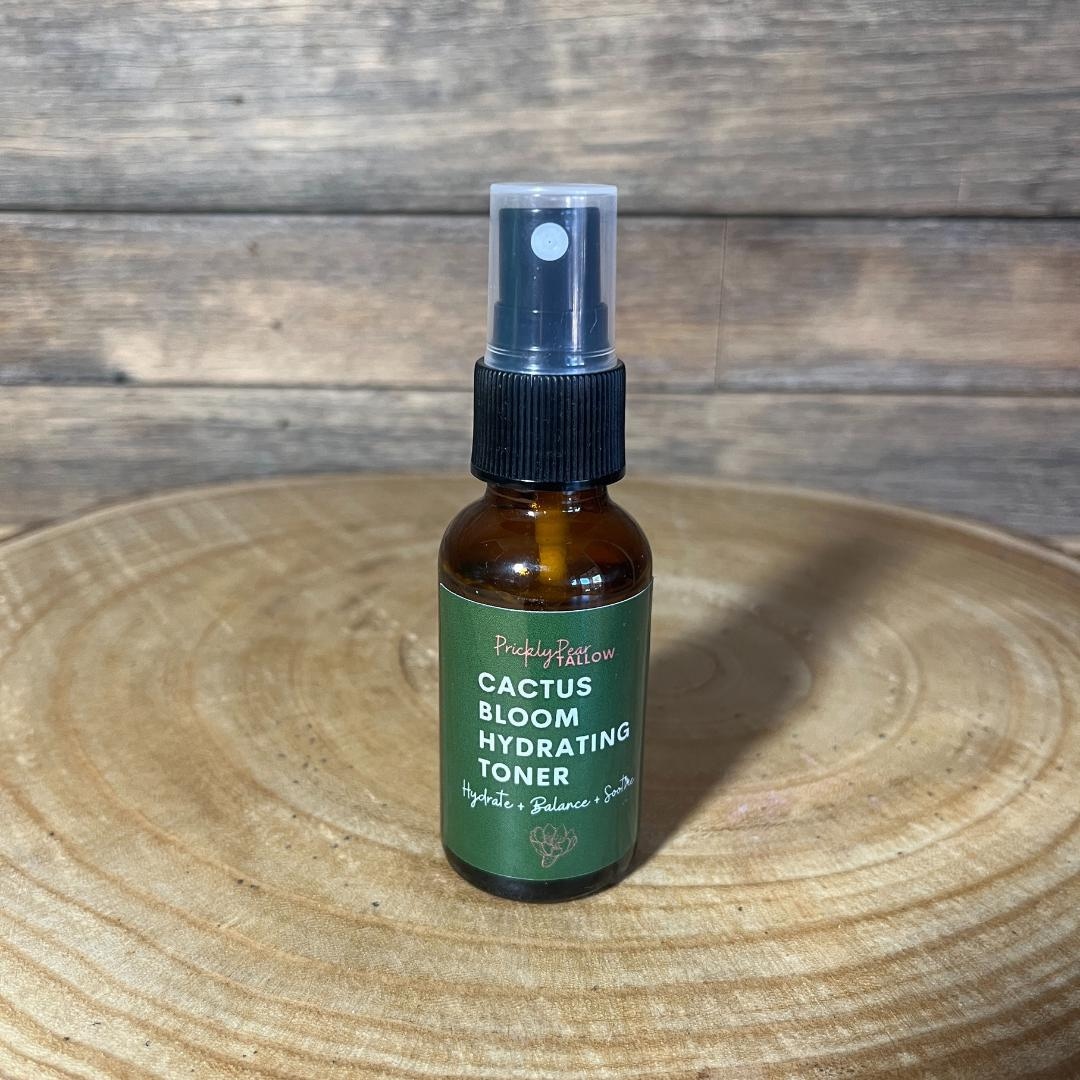
Alcohol-free toners for sensitive skin are gentle, water-based formulations designed to balance the skin's pH and provide hydration without stripping away essential lipids. Unlike traditional astringents, these toners exclude drying alcohols—such as ethanol or isopropyl alcohol—which can compromise the skin barrier. Instead, they utilize soothing humectants and anti-inflammatory botanicals to calm reactivity and prepare the skin for subsequent treatments.
Understanding the Necessity of Alcohol-Free Formulations
For decades, the skincare industry relied on alcohol-heavy toners, often marketed as astringents, to provide a "squeaky clean" feeling. However, for individuals with sensitive skin, these products frequently led to a cycle of irritation, redness, and chronic dryness. By 2026, the shift toward barrier-supportive skincare has made alcohol-free toners a foundational element in dermatological recommendations.
Sensitive skin is characterized by a hyper-reactive immune response and a frequently compromised stratum corneum (the outermost layer of the skin). When drying alcohols are applied to this delicate structure, they dissolve the natural oils (sebum) and intercellular lipids that hold skin cells together. This process increases transepidermal water loss (TEWL), allowing irritants to penetrate more deeply and moisture to escape more rapidly.
An alcohol-free toner serves a different purpose than its predecessors. Rather than acting as a secondary cleanser to "strip" the skin, it acts as a hydrating bridge. It re-establishes the skin's slightly acidic pH (typically around 5.5) after cleansing, which is vital for maintaining a healthy skin microbiome and ensuring that enzymes responsible for barrier repair can function correctly.
The Chemistry of Alcohol: Drying vs. Fatty Alcohols
One of the most common points of confusion for consumers is the presence of "alcohol" in an ingredient list even when a product is labeled "alcohol-free." In the context of skincare labeling, the term "alcohol-free" specifically refers to the absence of drying alcohols (also known as simple alcohols).
Drying Alcohols to Avoid
These are low-molecular-weight alcohols that evaporate quickly on the skin. While they can help other ingredients penetrate deeper or give a product a lightweight feel, they are devastating for sensitive skin.
- Ethanol / Ethyl Alcohol: The most common drying agent.
- Isopropyl Alcohol: Frequently used in antiseptic wipes; highly irritating.
- Alcohol Denat (Denatured Alcohol): Ethanol with additives to make it undrinkable; a staple in low-quality astringents.
- Methanol: Rarely used in modern skincare but occasionally found in industrial-grade formulations.
Fatty Alcohols to Embrace
Conversely, fatty alcohols are long-chain alcohols derived from natural fats and oils. They are non-irritating and actually beneficial for sensitive skin, acting as emollients and thickeners.
- Cetyl Alcohol: Derived from coconut or palm oil; helps soften the skin.
- Stearyl Alcohol: An emollient that helps keep ingredients stable.
- Cetearyl Alcohol: A blend of cetyl and stearyl alcohols that provides a velvety texture.
When selecting a toner, the goal is to eliminate the drying varieties while welcoming the fatty varieties that contribute to a creamy, soothing texture.
Key Ingredients for Soothing Sensitive Skin
As of 2026, ingredient transparency has reached an all-time high, allowing consumers to look for specific bio-actives that provide therapeutic benefits. An effective alcohol-free toner for sensitive skin should contain a blend of humectants, anti-inflammatories, and barrier-repairing agents.
1. Humectants for Deep Hydration
Humectants draw moisture from the air or deeper layers of the skin into the stratum corneum.
- Hyaluronic Acid: Capable of holding 1,000 times its weight in water. Look for multiple molecular weights to ensure hydration at different skin depths.
- Glycerin: A classic, highly effective humectant that is rarely irritating.
- Panthenol (Pro-vitamin B5): Not only hydrates but also helps improve skin barrier function and reduces itching.
2. Botanical Soothers
Plant-based extracts can significantly reduce the "stinging" sensation often associated with sensitive skin.
- Centella Asiatica (Cica): Renowned for its wound-healing properties and ability to calm visible redness.
- Allantoin: Extracted from the comfrey plant, it promotes cell regeneration and acts as a skin protectant.
- Calendula Officinalis: A gentle anti-inflammatory that is particularly useful for skin prone to rashes or eczema.
- Rose Water: Pure rose hydrosol provides mild anti-inflammatory benefits and a natural, non-synthetic scent.
3. Barrier Support
Ingredients that mimic the skin’s natural composition help reinforce the physical defense against environmental stressors.
- Ceramides: Lipids that make up about 50% of the skin barrier. A toner with ceramides helps "glue" skin cells back together.
- Niacinamide (Vitamin B3): At low concentrations (2-5%), it can help strengthen the barrier and improve skin texture without causing the "flush" associated with higher doses.
Comparison: Alcohol-Based vs. Alcohol-Free Toners
The following table outlines the fundamental differences in how these two categories affect the skin's physiology.
| Feature | Alcohol-Based Toner (Astringent) | Alcohol-Free Toner (Hydrating) |
|---|---|---|
| Primary Goal | Oil removal and "pore tightening" | pH balancing and hydration |
| Main Ingredients | Ethanol, Isopropyl Alcohol, Witch Hazel (with alcohol) | Water, Glycerin, Hyaluronic Acid, Aloe |
| Effect on Lipids | Dissolves and removes natural oils | Preserves and replenishes lipids |
| Skin Feeling | Tight, tingling, or "cooling" | Soft, supple, and "bouncy" |
| Long-term Impact | Potential barrier disruption and chronic redness | Improved resilience and reduced sensitivity |
| Suitability | Only for very oily, non-sensitive skin | Ideal for sensitive, dry, and reactive skin |
How to Correctly Use Toner in a Sensitive Skin Routine
The method of application can be just as important as the formula itself. For sensitive skin, minimizing friction is paramount.
The "Patting" Method
Instead of using a cotton pad, which can cause micro-friction and physical irritation, many dermatologists recommend the patting method.
- Cleanse: Use a soap-free, non-foaming cleanser and lukewarm water. Pat dry gently with a clean microfiber towel.
- Dispense: Pour a nickel-sized amount of alcohol-free toner into the palms of your clean hands.
- Apply: Gently press your palms onto your face, starting from the cheeks and moving to the forehead and chin.
- Absorb: Allow the toner to remain slightly damp on the skin. This creates a "wet sponge" effect, making the skin more permeable for serums or moisturizers.
The "7 Skin Method" (Modified)
For extremely dry or dehydrated sensitive skin, you can layer the toner. Apply a small amount, let it absorb for 30 seconds, and repeat 2-3 times. This provides a deep reservoir of hydration without the heaviness of thick creams. Ensure the toner is completely free of essential oils or synthetic fragrances before attempting this to avoid cumulative irritation.
Common Ingredients to Avoid
Even in an alcohol-free formula, certain "natural" or common ingredients can trigger a reaction in sensitive individuals. Vigilance in reading the full Ingredient (INCI) list is necessary.
- Synthetic Fragrance (Parfum): The number one cause of contact dermatitis in skincare.
- Essential Oils: While natural, oils like peppermint, eucalyptus, and citrus (limonene, linalool) are highly volatile and can cause stinging or long-term sensitization.
- High Concentrations of Witch Hazel: If the witch hazel is steam-distilled, it may be fine; however, many witch hazel extracts are preserved with 14-15% alcohol.
- Harsh Exfoliants: Avoid toners containing high percentages of Glycolic Acid (AHA) if your skin is currently in a reactive state. Opt for gentler Polyhydroxy Acids (PHAs) instead if exfoliation is needed.
Verification and Safety Standards
When sourcing an alcohol-free toner in 2026, look for clinical seals of approval. Organizations like the National Eczema Association provide "Seals of Acceptance" for products that have been rigorously tested for irritancy. Additionally, look for "Dermatologically Tested" and "Hypoallergenic" labels, though be aware that "hypoallergenic" is not a legally regulated term and should be backed by a clean ingredient list.
For individuals with severe skin conditions like rosacea or atopic dermatitis, it is advisable to perform a patch test. Apply a small amount of the toner to the inner forearm for 48 hours to check for delayed hypersensitivity reactions before applying it to the face.
Frequently Asked Questions
Can I use alcohol-free toner if I have oily but sensitive skin?
Yes. Many people with oily skin believe they need alcohol to "degrease" their face. However, stripping the skin often triggers "reactive seborrhea," where the skin produces even more oil to compensate for the dryness. An alcohol-free toner with Niacinamide or Green Tea extract can help regulate oil production while keeping the sensitive barrier intact.
Is witch hazel considered an alcohol?
Witch hazel is a botanical extract, not an alcohol. However, the distillation process for most commercial witch hazel involves adding significant amounts of grain alcohol. If you have sensitive skin, you must ensure the label specifically states "Alcohol-Free Witch Hazel" or look for witch hazel hydrosols that are water-distilled.
Should I use toner every day?
For most people with sensitive skin, using an alcohol-free, hydrating toner twice daily (morning and night) is beneficial. It ensures the skin remains hydrated and helps maintain the acid mantle. If you experience any redness upon application, reduce use to once daily or switch to a more minimalist formula.
Does "Alcohol-Free" mean the product won't sting?
Not necessarily. While removing drying alcohol eliminates a major cause of stinging, other factors like pH imbalances, fragrance, or even a severely damaged skin barrier can cause a sensation. If your skin is "raw," even water can occasionally cause discomfort. In such cases, focus on a basic barrier balm until the skin has healed enough to tolerate a toner.
Can I use an alcohol-free toner with Vitamin C or Retinol?
Absolutely. In fact, applying an alcohol-free toner before these active ingredients can help mitigate some of the irritation they might cause. By hydrating the skin first, you ensure a more even distribution of the active ingredient, though you should monitor for increased penetration, which can sometimes lead to more sensitivity.
Final Recommendations
If you are struggling with sensitive skin, the transition to an alcohol-free toner is one of the most immediate and effective changes you can make. Focus on products that prioritize hydration and barrier repair over "pore-refining" or "brightening" claims.
Start by auditing your current routine and removing any products that contain Alcohol Denat, Ethanol, or Isopropyl Alcohol. Replace them with a formula rich in Glycerin, Ceramides, or Centella Asiatica. By treating your skin with the respect its delicate barrier requires, you will likely see a reduction in redness and an increase in overall skin resilience within one to two skin cycles (approximately 28 to 56 days).