As of 2026, the expanded codeshare and joint business agreement between Air Canada and United Airlines provides travelers with a seamless network of over 400 daily flights across the Canada-U.S. border. This partnership allows passengers to book flights, earn loyalty rewards, and access lounges across both carriers using a single ticket and unified check-in process.
The aviation landscape in North America has been significantly shaped by the deepened alliance between its two largest flag carriers. Originally accelerated in 2022, the transition from a standard codeshare agreement to a comprehensive Transborder Joint Business Agreement (JBA) has transformed how passengers move between Canada and the United States. By 2026, this partnership has matured into a cornerstone of the Star Alliance network, offering unprecedented connectivity and competitive scheduling that rivals any other global aviation corridor.
The Evolution of the Transborder Alliance
The relationship between Air Canada and United Airlines is not a new development, but its current depth is the result of a strategic pivot aimed at reclaiming market share and optimizing operational efficiency. For decades, both airlines operated as founding members of Star Alliance, participating in basic codeshare arrangements where one airline would sell seats on the other’s aircraft.
However, the 2022 announcement of a formal joint business agreement marked a departure from passive cooperation. Unlike a simple codeshare, a JBA allows airlines to coordinate their schedules, align their pricing, and share revenue on specific routes. In the context of 2026, this means that a flight from Toronto (YYZ) to San Francisco (SFO) is treated by both airlines as a shared product, regardless of whose metal is actually flying the route.
Why the Expansion Occurred
The primary drivers for this expansion were twofold: regulatory pressure and competitive necessity. With the emergence of low-cost carriers and the strengthening of the Delta-WestJet partnership, Air Canada and United needed to consolidate their "home" market. By integrating their transborder operations, they reduced "metal-neutral" competition between themselves, allowing them to focus on providing a superior product to the consumer while maximizing the load factors of their respective fleets.
Technical Mechanics of the Expanded Codeshare
For the average traveler, the term "codeshare" often remains a mystery until they arrive at the airport and realize their United flight is actually being operated by Air Canada. In 2026, the technical integration between the two carriers has reached a level of sophistication where these distinctions are increasingly nominal.
Seamless Ticketing and Baggage
Under the expanded agreement, passengers benefit from integrated passenger service systems (PSS). This allows for:
- Unified Check-in: Passengers can check in via the Air Canada app for a flight operated by United, and vice versa.
- Baggage Synchronization: Through-check of baggage is guaranteed on all transborder itineraries. In the event of a delay, the airlines share a unified tracking system, simplifying the recovery process for lost or delayed items.
- Waitlist and Standby Synergy: Frequent flyers on either airline receive prioritized standby status across the combined network, a feature previously reserved only for the operating carrier's own elite members.
Schedule Coordination
One of the most significant advantages of the expanded partnership is "wing-to-wing" scheduling. Instead of both airlines flying between Montreal (YUL) and Newark (EWR) at 10:00 AM, the JBA allows them to stagger flights throughout the day—for instance, one at 8:00 AM, another at 11:00 AM, and a third at 2:00 PM. This provides travelers with more options and reduces the "dead time" spent waiting at hubs for connecting flights.
Loyalty Integration: Aeroplan and MileagePlus
In 2026, the synergy between Air Canada Aeroplan and United MileagePlus represents one of the most robust loyalty offerings in the industry. For members of these programs, the expanded codeshare eliminates the traditional "penalty" of flying on a partner airline.
Earning and Redemption
Historically, flying on a partner airline might result in lower mileage accrual or a lack of qualifying segments for elite status. Under the current agreement:
- Status Credits: All transborder flights, regardless of the operating carrier, contribute equally to Aeroplan Elite Status (Status Qualifying Miles/Segments) and United Premier Status (Premier Qualifying Flights/Points).
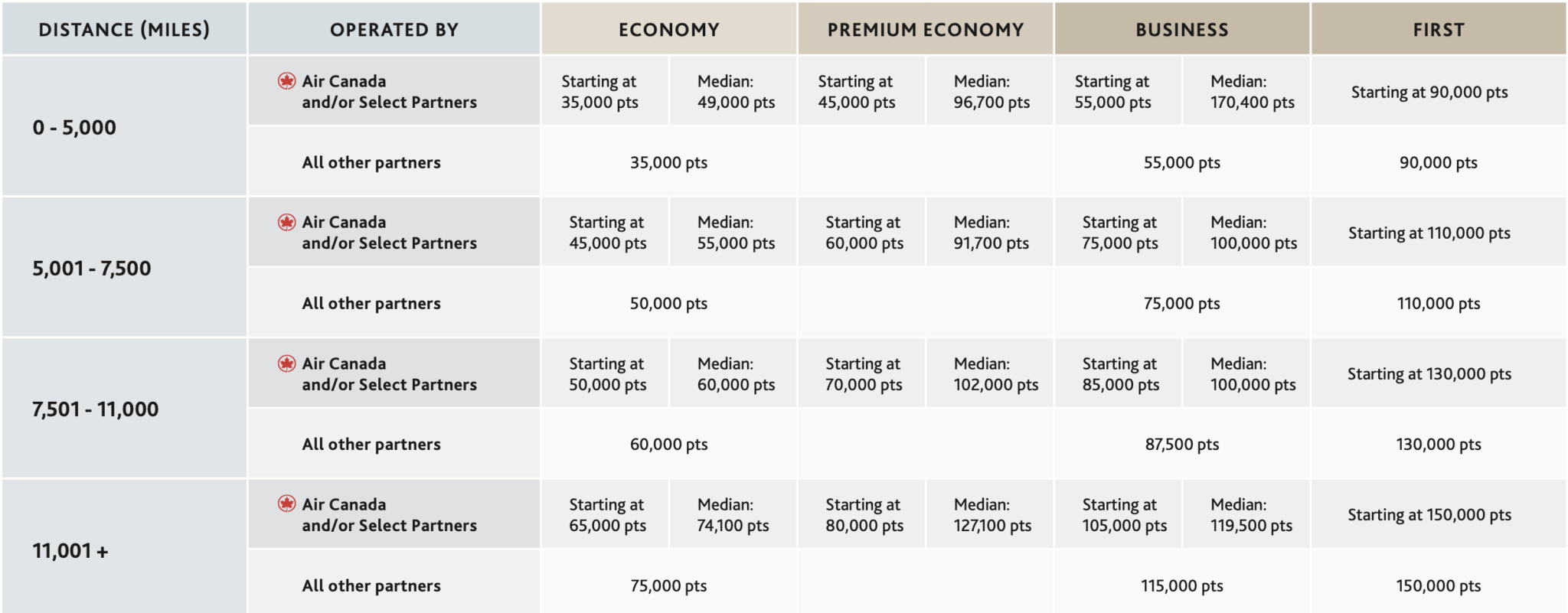
- Point Valuation: Redemption rates have been harmonized for transborder routes, ensuring that a "Saver" award costs a predictable number of points whether booked through Air Canada or United.
- Upgrade Eligibility: While cross-carrier upgrades remain one of the more complex technical hurdles, elite members in 2026 have expanded access to "Move Up" and "Instant Upgrade" options on select transborder routes when booking through their home carrier’s portal.
Lounge Access and Ground Experience
The partnership ensures that a United Club member or a United Premier Gold (or higher) flyer has full access to Air Canada Maple Leaf Lounges, and Aeroplan 50K members and above have reciprocal access to United Clubs. In major hubs like Los Angeles (LAX) or Chicago (ORD), the airlines have often co-located their gates to minimize the walking distance for connecting passengers, creating a "Star Alliance Terminal" feel.
Hub-to-Hub Connectivity: A Strategic Overview
The strength of the Air Canada-United partnership lies in the connectivity between their primary hubs. This "fortress hub" strategy ensures that almost any city in Canada can be reached from almost any city in the U.S. with no more than one stop.
| Canadian Hub | Primary U.S. Connections (Direct) | Strategic Value |
|---|---|---|
| Toronto (YYZ) | Chicago (ORD), Newark (EWR), Denver (DEN), San Francisco (SFO), Houston (IAH) | The primary gateway for Eastern Canada and a massive business travel corridor. |
| Vancouver (YVR) | San Francisco (SFO), Los Angeles (LAX), Denver (DEN), Seattle (SEA) | The Pacific gateway, optimized for connections to Asia and the U.S. West Coast. |
| Montreal (YUL) | Newark (EWR), Washington (IAD), Chicago (ORD) | Key for French-speaking markets and links to Europe-U.S. itineraries. |
| Calgary (YYC) | Denver (DEN), Houston (IAH), Chicago (ORD) | Focused on energy sector travel and mountain tourism. |
The expanded codeshare also includes "beyond" points. For example, a traveler can fly Air Canada from Ottawa to Chicago and then connect on a United-coded flight to a smaller U.S. city like Des Moines or Omaha, all on a single ticket.
Regulatory Oversight and Consumer Protections
While the partnership offers many benefits, it has been subject to rigorous scrutiny by both the U.S. Department of Transportation (DOT) and the Competition Bureau of Canada. Regulators are primarily concerned with ensuring that the coordination of prices does not lead to a monopoly that hurts consumers.
Monitoring Competition
To maintain their JBA, Air Canada and United must provide regular reports on:
- Average Fare Stability: Demonstrating that the partnership has not led to predatory pricing.
- Capacity Commitments: Ensuring they do not artificially reduce the number of seats available to drive up prices.
- Slot Access: In some cases, regulators require airlines to give up take-off and landing slots at congested airports to allow smaller competitors a foothold.
Passenger Rights (APPR vs. DOT Rules)
One area of complexity in 2026 remains the reconciliation of passenger rights. Flights departing Canada are covered by the Air Passenger Protection Regulations (APPR), while those departing the U.S. fall under DOT mandates. The expanded codeshare requires both airlines to be transparent about which regulations apply in the event of a delay or cancellation. Generally, the "operating carrier" is responsible for on-the-ground amenities (meals, hotels), while the "marketing carrier" (the one who sold the ticket) may be responsible for rebooking.
Challenges and Operational Limitations
Despite the high level of integration, the Air Canada-United partnership is not without its friction points. Travelers should be aware of several "technical gaps" that persist even in 2026.
Special Requests and Ancillaries
While seat selection is generally integrated, specialized requests such as pet travel, unaccompanied minor services, or specific dietary meal orders occasionally encounter synchronization issues between the two airlines' databases. Experts recommend verifying these high-stakes requests with the operating carrier directly at least 48 hours before departure.
The "Operating Carrier" Rule for Upgrades
While earning points is seamless, using "PlusPoints" (United) or "eUpgrades" (Air Canada) on the other airline’s aircraft is still restricted to specific fare classes. You cannot typically use an Air Canada eUpgrade on a flight operated by United unless it was booked under specific codeshare conditions that are often more expensive than standard economy fares.
Strategic Outlook for the Remainder of 2026
The Air Canada-United partnership is expected to continue evolving toward a "virtual merger" of their transborder business. Future developments likely include deeper integration of biometric boarding processes and the expansion of the "green corridor" initiatives, where the two airlines coordinate the purchase of Sustainable Aviation Fuel (SAF) to reduce the carbon footprint of the transborder fleet.
For the business traveler, this partnership offers the frequency of a shuttle service with the perks of a global alliance. For the leisure traveler, it opens up hundreds of "secondary" destinations that would otherwise require multiple separate tickets and risky connections.
Frequently Asked Questions
Can I use my United Club pass at an Air Canada Maple Leaf Lounge?
Generally, no. One-time United Club passes are typically restricted to United-operated lounges. However, if you have a United Club Membership (annual) or Star Alliance Gold status, you have full reciprocal access to Air Canada Maple Leaf Lounges when flying on a Star Alliance departing flight.
Which airline should I book through if the price is the same?
If you are an Aeroplan member, booking through Air Canada (014 ticket stock) often makes it easier to manage your booking and apply eUpgrades if eligible. Conversely, MileagePlus members should prefer booking through United (016 ticket stock). Always check which airline offers the better "refund" or "change" flexibility for your specific fare class.
Does the codeshare apply to flights outside of North America?
While the primary 2022 expansion focused on the transborder (Canada-U.S.) market, Air Canada and United maintain an extensive global codeshare. However, the "Joint Business" benefits—such as full revenue sharing and deeper price coordination—are most potent on routes between Canada and the United States.
How do I know who is actually flying the plane?
When booking, look for the text "Operated by Air Canada" or "Operated by United Express/SkyWest" underneath the flight number. This is legally required to be disclosed during the booking process and on your itinerary.
What happens if my flight is canceled and it’s a codeshare?
In a JBA environment, the airline that caused the disruption (the operating carrier) is usually responsible for rebooking you. However, because of the deep integration, the agents of either airline often have the "visibility" to help you, though they may still direct you to the operating carrier's desk for specific vouchers or hotel accommodations.
Practical Recommendation for Travelers
To maximize the benefits of the Air Canada-United expanded partnership, travelers should download both airline apps but remain logged into their primary loyalty account on both. Before flying, ensure your "Known Traveler Number" (for TSA PreCheck) or "Nexus" information is updated in the booking, as these details sometimes fail to transfer across partner systems. For the most consistent experience, aim to book itineraries where the marketing carrier and the operating carrier are the same for the longest leg of your journey, while relying on the codeshare for the shorter, connecting segments.