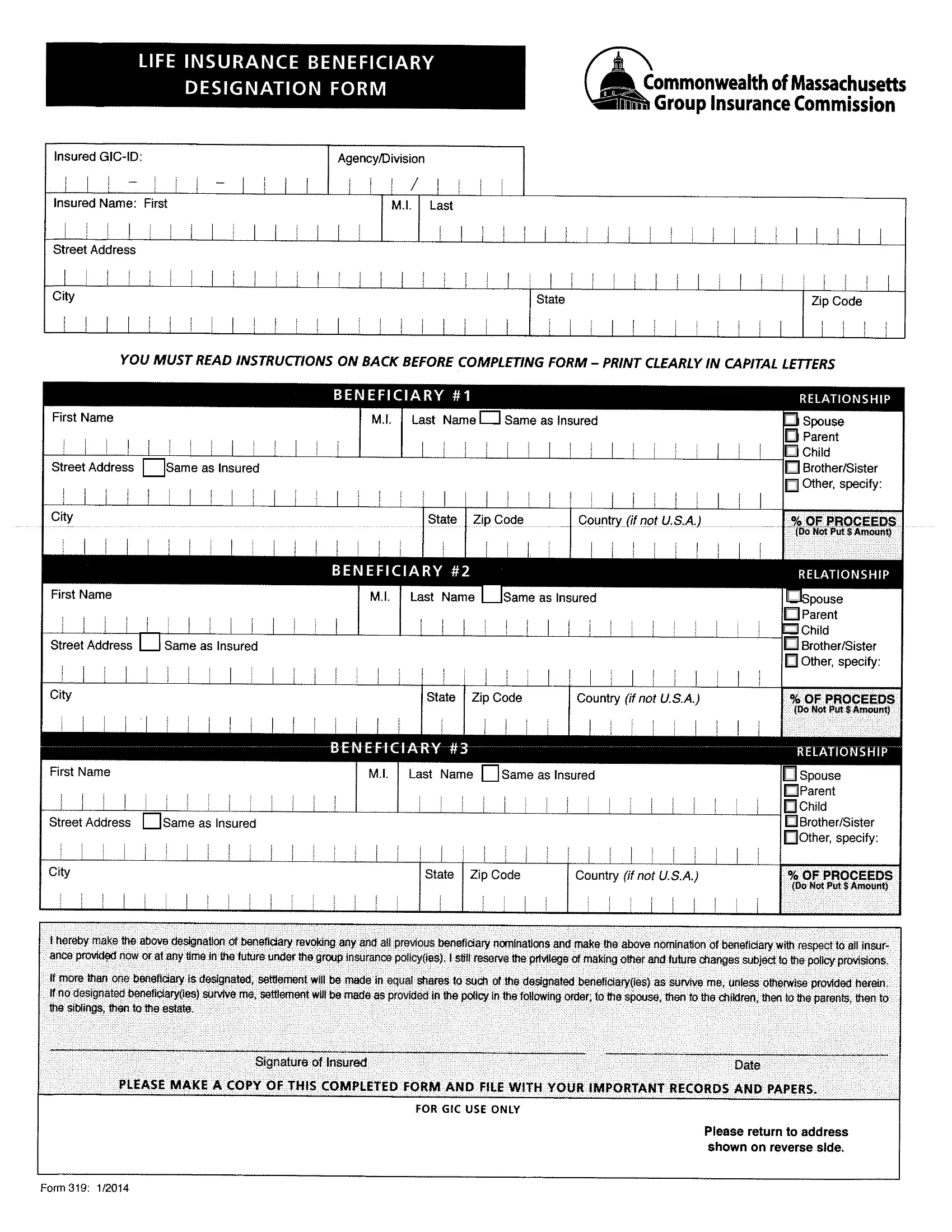
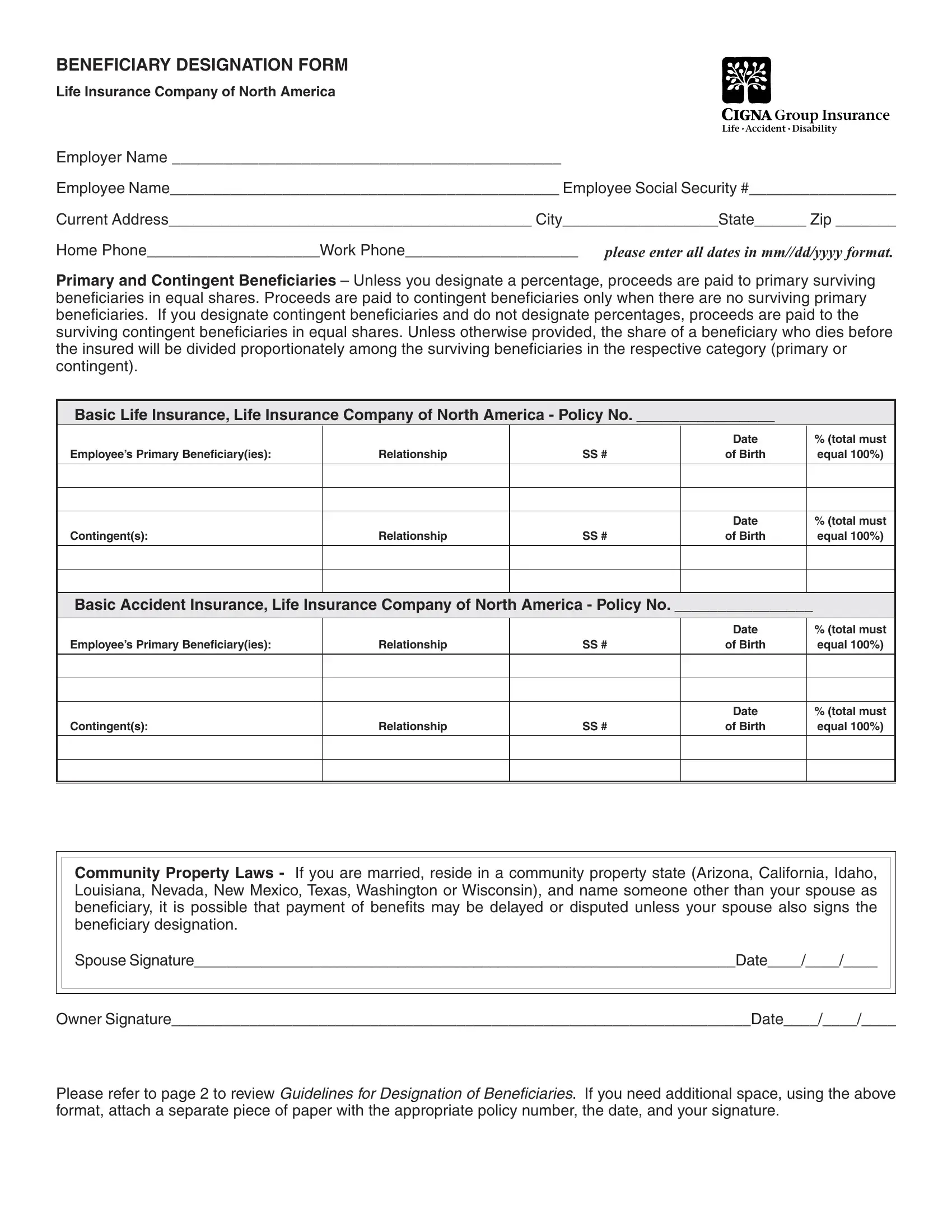
To update or manage your AICPA life insurance beneficiary form, you must access the official member portal via the Prudential insurance interface, which serves as the underwriting partner for the AICPA Life Insurance Program. Members should log in to their account to review, designate, or modify primary and contingent beneficiaries to ensure their death benefit distribution aligns with current personal wishes.
The Role of the Beneficiary Designation in AICPA Life Insurance
For members of the American Institute of CPAs (AICPA) enrolled in the association’s sponsored life insurance programs, the beneficiary form is a legal cornerstone of their financial planning. Life insurance is a non-probate asset, meaning the proceeds bypass the executor of your estate and go directly to the individuals or entities named on your most recent, valid beneficiary form.
Because life insurance benefits are paid out based on the specific designation on file—rather than the instructions in a last will and testament—maintaining an updated form is critical. If your life circumstances have changed since your initial enrollment, failing to update your beneficiary designation can lead to unintended consequences, such as funds being distributed to an ex-spouse, a deceased person, or an entity that no longer reflects your priorities.
Accessing the AICPA Life Insurance Beneficiary Portal
The AICPA Life Insurance Program is administered through a partnership with Prudential Financial. Consequently, you will not find a generic paper form to mail in as the primary method of management. Instead, the process is digitized to ensure security and immediate processing of changes.
- Navigate to the AICPA Insurance Trust Website: Access the official member insurance portal.
- Authentication: You will be required to log in using your AICPA credentials. If you have not registered for an online account, you will need your member number to link your policy data.
- Locate the "Manage Beneficiaries" Tab: Once inside the dashboard, navigate to your active policy details. Select the option labeled "Beneficiary Information" or "Update Beneficiary."
- Verification: The system will display your currently listed beneficiaries. Review the full legal names, relationship status, and percentage allocations (which must total 100% for primary beneficiaries).
If you are unable to access the portal, you must contact the AICPA Insurance Trust administrator directly by phone. They can provide an official, secure document if you require a physical form for specific legal reasons, such as trust-based designations that require complex language.
Primary vs. Contingent Beneficiaries
A common point of confusion for policyholders is the distinction between primary and contingent beneficiaries. Understanding this structure is essential for drafting a robust designation.
- Primary Beneficiaries: These individuals or entities are the first in line to receive the insurance proceeds upon your passing. If you name multiple primary beneficiaries, you must define the percentage of the benefit each receives. If one primary beneficiary predeceases you, their share is generally split among the remaining primary beneficiaries unless your specific designation states otherwise.
- Contingent (Secondary) Beneficiaries: These parties receive the insurance proceeds only if all listed primary beneficiaries are deceased at the time of your death. Naming a contingent beneficiary acts as a safety net, ensuring that your life insurance payout does not fall into your estate by default, which could subject the assets to probate costs and potential creditors.
Common Scenarios Requiring a Form Update
Life events are the primary driver for updating beneficiary forms. Many members mistakenly believe that updating a will or a trust automatically updates their life insurance beneficiary. This is legally incorrect. You should re-evaluate your AICPA beneficiary form following any of the following events:
- Marriage or Divorce: Following a divorce, many state laws may automatically revoke an ex-spouse’s status as a beneficiary; however, relying on state statute is risky. It is safer to manually update the form to remove an ex-spouse immediately.
- Birth or Adoption of a Child: If you have welcomed a new family member, you may wish to add them as a beneficiary or adjust the percentage allocations for existing beneficiaries.
- Death of a Named Beneficiary: If a primary beneficiary predeceases you, leaving the slot vacant or relying on outdated instructions can create significant administrative delays and legal hurdles for your survivors.
- Changes in Financial Goals: As your children reach adulthood or your financial obligations change, you might transition from naming a guardian to naming the individuals directly, or perhaps naming a trust to receive the proceeds on behalf of minor beneficiaries.
Legal Considerations for Minors and Trusts
Designating a minor child as a direct beneficiary of a large life insurance policy is often discouraged by financial advisors. Insurance companies generally cannot pay death benefits directly to a minor. If a minor is named, a court may have to appoint a legal guardian to manage the funds, which can be an expensive and time-consuming process.
Instead, many AICPA members choose to set up a trust and name the trust as the beneficiary. By doing so, you can dictate exactly how the funds are used for the child’s support, education, or healthcare, and define the age at which they receive full access to the capital. Ensure that you have the correct legal name and tax identification number (TIN) of the trust when completing your form update.
Comparison of Beneficiary Designation Methods
| Feature | Online Portal (Recommended) | Paper/Hard-Copy Form |
|---|---|---|
| Speed | Near-instant processing | Delayed by mail and manual entry |
| Security | Encrypted digital transmission | Risk of loss in transit |
| Confirmation | Immediate digital receipt/email | Requires manual follow-up |
| Complexity | Limited to standard forms | Supports complex legal language |
| Availability | 24/7 Access | Available via request only |
Troubleshooting Common Issues
Members occasionally encounter issues when attempting to update their beneficiary information. Below are the most frequent hurdles and how to resolve them:
1. Authentication Failures If you have forgotten your password or cannot authenticate your identity on the portal, do not attempt to bypass the security. Contact the AICPA Member Service Center. They can assist in resetting your credentials, which protects the integrity of your policy.
2. Incomplete Percentage Totals The system will reject any designation where the primary percentages do not sum exactly to 100%. If you are having trouble with the calculation, ensure that you have accounted for every share and that there are no decimals exceeding two places.
3. Ambiguous Designations Using "My Children" or "My Heirs" can lead to significant disputes and delays. Always use the full legal name of each individual. If you wish to include future children, consult with an estate planning attorney regarding how to phrase this within a trust document, rather than attempting to write "future children" on a standard insurance form.
Practical Steps for Long-Term Maintenance
To ensure your AICPA life insurance benefits are distributed exactly as you intend, implement a "Review Cycle." Every two years, or whenever you perform your annual tax preparation, check your beneficiary designation. Make it a habit to log into the portal during your tax season workflow; this ensures that your insurance coverage remains aligned with the rest of your estate planning.
Furthermore, maintain a "Letter of Instruction" for your family. While the beneficiary form is the binding legal document, keeping a document that explains your wishes and lists the existence of your AICPA life insurance policy helps your family navigate the claims process during a difficult time. Ensure your designated beneficiaries know where to find information about your policies, though they do not need to know the specific dollar amounts if you prefer to keep that private.
Expert Guidance and Professional Advice
The information provided here is for general guidance regarding the administrative process of updating your beneficiary form. It does not constitute legal or tax advice. Because beneficiary designations have significant implications for your estate, you should discuss these choices with a qualified estate planning attorney or a Certified Financial Planner (CFP) who understands the specific nuances of your financial situation.
When coordinating with your attorney, provide them with a copy of your most recent beneficiary confirmation page from the portal. This allows them to verify that the insurance proceeds are correctly integrated into your overarching estate plan, ensuring that your assets, including your AICPA life insurance, work in harmony rather than in conflict with your Last Will and Testament or Revocable Living Trust.
Final Next Actions
If you are currently unsure whether your beneficiaries are accurate, do not delay. Log into your AICPA member dashboard today to verify the information on file. Confirm that the full legal names of your beneficiaries are correct and that the total percentage equals 100%. If you need to make changes, complete the update online and save or print the confirmation receipt for your personal records. By taking this simple step, you ensure your legacy and provide clarity for your beneficiaries during a time of need.