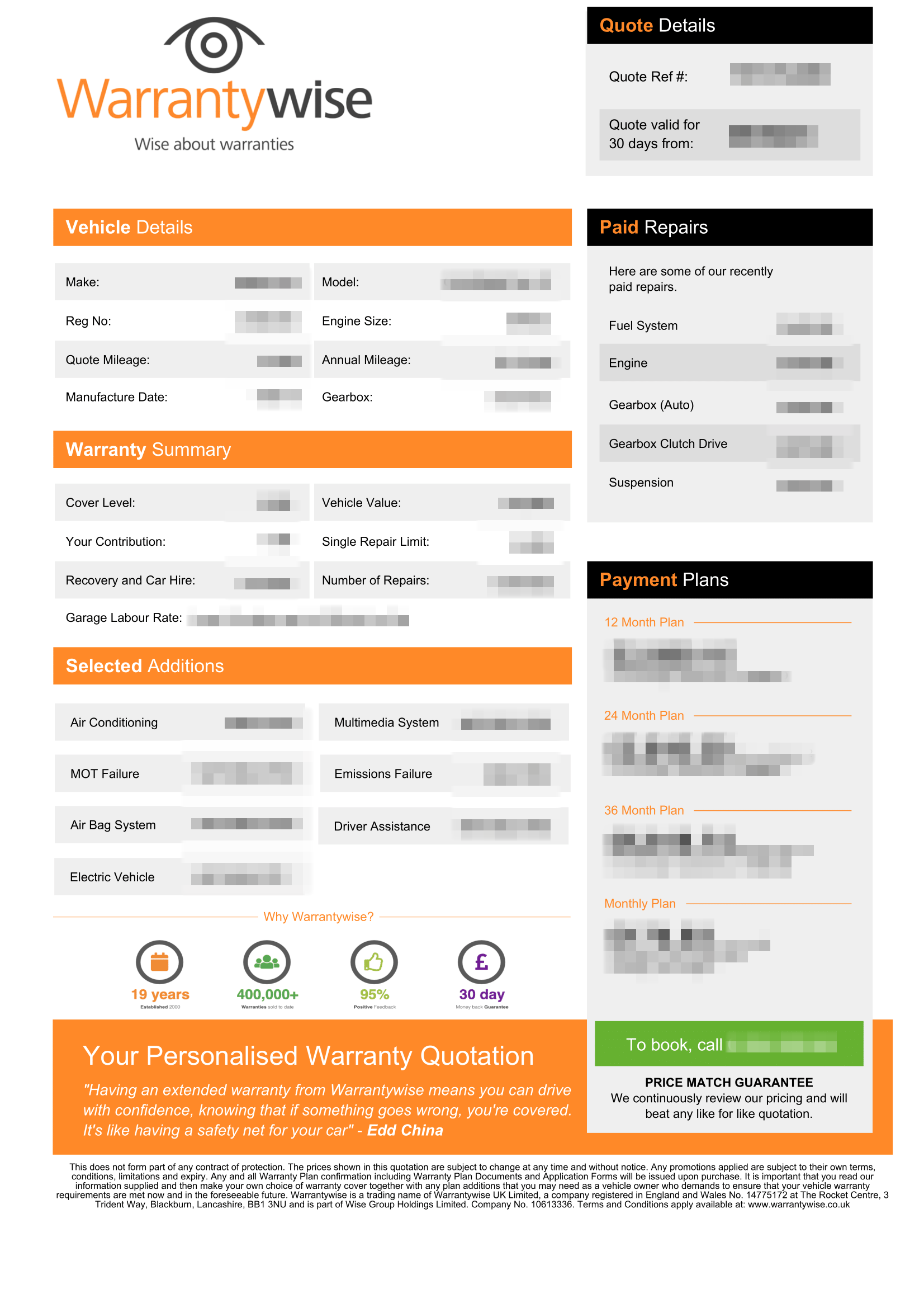
An aftermarket extended warranty—legally classified as a vehicle service contract (VSC)—is an optional protection plan purchased from an independent third-party company rather than the vehicle's original manufacturer. It covers the cost of specified mechanical, electrical, and powertrain repairs after the original factory warranty expires, helping vehicle owners avoid unexpected out-of-pocket repair costs.
Understanding Aftermarket Extended Warranties vs. Factory Warranties
To choose the right vehicle coverage, you must understand the distinction between a true manufacturer warranty and an aftermarket vehicle service contract. Federal law, specifically the Magnuson-Moss Warranty Act, reserves the term "warranty" primarily for promises made directly by the product’s manufacturer or seller at no additional charge.
When consumers buy an "aftermarket extended warranty," they are legally purchasing a Vehicle Service Contract (VSC) or, in certain states like California, Mechanical Breakdown Insurance (MBI). These third-party contracts are administered by independent providers such as Endurance, CarShield, or Carington, and backed by insurance underwriters.
Unlike factory warranties, which bind you to specific dealership repair networks and strict timeframes, aftermarket plans offer broader repair shop flexibility and can be purchased at almost any point during a vehicle's lifespan—even for high-mileage or older vehicles.
| Factory / OEM Warranty (Included with new car) | Aftermarket Extended Warranty (Third-party service contract) |
|---|---|
| Issued by vehicle maker | Issued by third-party provider |
| Dealership repair network | Any ASE-certified mechanic |
| Limited purchase window | Buy anytime (even high mileage) |
Coverage Tiers: Exclusionary vs. Stated Component Plans
Aftermarket service contracts fall into two primary categories of coverage: exclusionary and stated component contracts. Understanding the difference between these two structures prevents surprises when a breakdown occurs.
1. Exclusionary Contracts ("Bumper-to-Bumper" Equivalent)
An exclusionary policy offers the highest level of protection available in the aftermarket industry. Rather than listing every single part that is covered, an exclusionary contract lists only the specific components that are not covered.
If a broken part is not listed in the exclusions section, the plan covers it. Exclusionary contracts typically mimic the coverage of a new car factory warranty, protecting thousands of parts including complex electronic modules, infotainment screens, safety sensors, climate control systems, and power accessories.
2. Stated Component Contracts (Named Component)
A stated component contract operates in the opposite manner: it only covers the exact items explicitly listed in the contract document. If a part breaks and its name does not appear in the text, the contract administrator will deny the claim. Stated component contracts are usually arranged in standard tiers:
- Powertrain Coverage: Protects only the essential components that move the vehicle, including the engine block, cylinder heads, transmission, driveshaft, transaxle, and drive axles.
- Powertrain Plus / Mid-Level: Adds coverage for basic electrical components (starter motor, alternator), cooling systems (water pump, radiator), and fuel delivery systems (fuel pump, injectors).
- High-Tier Stated Coverage (Gold / Platinum): Adds coverage for advanced electrical components, anti-lock braking systems (ABS), steering mechanisms, and air conditioning compressors.
What Does an Aftermarket Extended Warranty Cost?
The cost of an aftermarket extended warranty typically ranges between $1,500 and $4,000 total, or $50 to $150 per month when financed through a payment plan. Pricing varies based on several risk factors evaluated by underwriters.
Primary Cost Drivers
- Vehicle Make and Model: Luxury, European, or performance vehicles (such as BMW, Audi, or Mercedes-Benz) cost significantly more to cover due to expensive replacement parts and specialized labor rates. Standard domestic or Asian imports (such as Toyota, Honda, or Ford) carry lower policy rates.
- Odometer Mileage and Vehicle Age: Vehicles with higher mileage present higher risk for mechanical failure. Enrolling a car before it crosses major milestones (such as 30,000 or 50,000 miles) yields lower plan pricing.
- Coverage Level: Full exclusionary coverage costs more than a basic powertrain-only policy due to the larger number of covered components.
- Deductible Structure: Most plans require a deductible per repair visit, usually $0, $50, $100, or $200. Choosing a higher deductible lowers the upfront cost of the contract. Some plans offer a "disappearing deductible," which waives the fee if you use the selling dealer’s designated repair facility.
- Contract Duration: Plans are priced based on term length (e.g., 3 years/36,000 miles vs. 7 years/100,000 miles).
Comparison: OEM Extended Warranty vs. Aftermarket Extended Warranty
Evaluating OEM (Original Equipment Manufacturer) and third-party aftermarket contracts helps clarify which option suits your budget and repair preferences:
| Feature / Metric | OEM Extended Warranty | Aftermarket Extended Warranty (VSC) |
|---|---|---|
| Provider | Vehicle Manufacturer (e.g., Ford, Toyota) | Independent Third-Party Company |
| Repair Facilities | Brand Dealerships Only | Any ASE-Certified Repair Facility / Shop |
| Replacement Parts | Original Equipment Manufacturer (OEM) Parts | OEM or High-Quality Aftermarket Parts |
| Eligibility Window | Must be purchased before factory warranty ends | Can be purchased anytime (including high mileage) |
| Payment Options | Can be rolled into initial auto loan | Down payment + monthly installment plans |
| Coverage Customization | Standardized tiers set by manufacturer | Highly flexible terms, mileage caps, & add-ons |
| Roadside Assistance | Usually included | Commonly included (Towing, Rental, Trip Interruption) |
| Claim Approval Speed | Fast (Direct dealer-to-manufacturer system) | Varies (Requires prior authorization call by shop) |
Critical Exclusions and Fine-Print Terms to Watch For
The most common complaints filed with regulatory agencies like the Federal Trade Commission (FTC) stem from misunderstanding policy exclusions. Service contracts are binding legal documents; coverage relies entirely on written contractual terms rather than verbal promises made by sales representatives.
Common Policy Limitations:
- Pre-Existing Conditions: Excludes failures present prior to purchase
- Wear-and-Tear Items: Excludes brake pads, tires, wiper blades
- Lack of Maintenance: Denies claims if oil change records are missing
- Aftermarket Modifications: Excludes failures caused by lift kits, tuners
1. Pre-Existing Conditions
No aftermarket extended warranty covers mechanical problems that existed before the policy's effective date or during the initial waiting period (typically 30 days and 1,000 miles from enrollment). Providers often require a full vehicle inspection or review initial diagnostic logs to verify pre-existing status.
2. Routine Maintenance Items
Service contracts do not cover routine maintenance or wear-and-tear components. Excluded items include:
- Brake pads, rotors, and drums
- Tires, wheels, and alignment
- Windshield wiper blades and glass
- Engine oil, coolant, transmission fluid, and filters
- Spark plugs, belts, and hoses
3. Proof of Maintenance Requirements
Claims are frequently denied if the vehicle owner fails to follow the manufacturer’s recommended maintenance schedule. Contract administrators may request itemized receipts for oil changes, fluid flushes, and scheduled services. Failing to keep service records can void coverage for related mechanical systems.
4. Overheating and Negligence
If an engine component fails because the driver continued operating the vehicle while it was overheating or low on oil, the claim will likely be denied under the contract's "consequential damage" or "driver negligence" clause.
5. Aftermarket Modifications
Installing non-standard modifications—such as suspension lift kits, aftermarket turbochargers, custom exhaust setups, or engine tuning software—can void coverage for affected mechanical systems.
Step-by-Step: How to File an Aftermarket Extended Warranty Claim
Filing a claim under a vehicle service contract requires following specific steps. Skipping any step can lead to a claim denial.
Step 1: Notice Mechanical Problem
Step 2: Bring Vehicle to an ASE-Certified Shop
Step 3: Present Contract Details to Service Advisor BEFORE Repairs Begin
Step 4: Repair Facility Calls Administrator for Pre-Authorization
Step 5: Inspection Approved (Adjuster sends approval code)
Step 6: Repairs Executed & Administrator Pays Shop Directly (Minus Deductible)
Stop Operating the Vehicle: If a warning light illuminates or you hear severe mechanical noise, safely pull over. Continued operation can cause secondary damage that voids coverage.
Choose an Eligible Repair Facility: Select a repair shop that employs Certified Technicians by the National Institute for Automotive Service Excellence (ASE) and accepts third-party contract administration.
Provide Contract Information: Give your service advisor your service contract number and administrator contact information before any teardown or repair work starts.
Obtain Prior Authorization: The repair facility must contact the administrator to get an authorization code for the estimated parts and labor costs. Never allow a shop to start repairs before receiving formal administrator approval.
Authorize Diagnostics if Necessary: You may need to pay for initial tear-down or diagnostic hours. If the claim is covered, these diagnostic fees are typically absorbed into the approved claim amount.
Pay Your Deductible: Once repairs are completed, the administrator pays the repair facility directly over the phone via corporate credit card or direct transfer. You pay only your agreed deductible amount out of pocket.
How to Evaluate and Choose a Reliable Provider
The third-party auto warranty industry includes both reputable administrators and fraudulent telemarketing companies. Use these criteria to evaluate candidate providers:
Verify Direct Administrator vs. Broker Status
Brokers sell plans managed by third-party companies, which can create communication friction when you file a claim. Dealing directly with a direct administrator ensures you speak directly to the company that authorizes repairs and pays out claims.
Review Financial Backing and Insurance Risk
A trustworthy contract provider is backed by a reputable insurance carrier—often called an Obligor or Contractual Liability Insurance Policy (CLIP) backer. This insurance ensures that your claims will still be paid even if the warranty company goes out of business.
Check State Licensing and Consumer Complaints
Verify that the company is registered to sell contracts in your state. Review public complaint logs through the Better Business Bureau (BBB) and state agencies like the National Association of Insurance Commissioners (NAIC). Pay close attention to how quickly and fairly the company resolves customer disputes.
Confirm Transferability and Cancellation Terms
- Transferability: If you sell your car privately, a transferable contract adds resale value. Look for contracts that allow transfers for a low administrative fee (typically $50).
- Cancellation Policy: Ensure the policy guarantees a 30-day "free look" period for a full refund, along with a prorated refund structure if canceled later in the contract term.
Frequently Asked Questions
Is an aftermarket extended warranty worth the cost?
An aftermarket extended warranty is generally worth considering if you drive a vehicle known for high repair costs, plan to keep your car well beyond the factory warranty period, or lack a dedicated emergency fund to handle sudden multi-thousand-dollar repair bills. For highly reliable vehicles with low maintenance costs, setting aside funds in a personal savings account may be a more cost-effective alternative.
Can I take my vehicle to any mechanic with an aftermarket warranty?
Most aftermarket providers allow you to use any licensed repair shop that employs ASE-certified technicians in the United States or Canada. This includes dealership service departments, national repair chains, and independent local auto repair shops. Always verify with the shop that they are willing to contact third-party contract administrators for claim authorization before dropping off your vehicle.
What is the difference between a Vehicle Service Contract and Mechanical Breakdown Insurance?
A Vehicle Service Contract (VSC) is an administrative agreement managed by a third-party warranty company. Mechanical Breakdown Insurance (MBI) is an actual insurance policy regulated directly by state insurance departments. Certain states, such as California, prohibit standard VSCs and require consumers to purchase regulated MBI policies instead.
What happens if my vehicle service contract administrator goes out of business?
If your policy is backed by a Contractual Liability Insurance Policy (CLIP), the underlying insurance company assumes responsibility for paying valid claims even if the administration company fails. Always confirm that your contract explicitly names an A-rated insurance company as its backing insurer before purchasing.
Can an aftermarket warranty company deny a claim for missing maintenance records?
Yes. If an engine or transmission failure occurs and you cannot provide itemized service receipts showing that oil changes and fluid services were performed at the recommended intervals, the administrator can deny the claim due to insufficient maintenance. Keep all physical or digital invoices from every service visit.
Final Guidance: Next Steps for Buyers
Before signing an aftermarket extended warranty contract, take these actionable steps to protect your investment:
- Request a Sample Contract: Ask the sales representative for an actual sample contract rather than relying on promotional brochures. Read the "Exclusions" section line by line.
- Verify Maintenance Log Integrity: Gather all prior oil change and service records for your vehicle to establish a documented maintenance history.
- Check Diagnostic Coverage Rules: Confirm how the plan handles diagnostic labor hours, tear-down costs, and local sales tax fees.
- Confirm the Cancellation Window: Verify that the policy includes a 30-day full-refund guarantee so you can review the final contract terms risk-free.